
Find Plenty of Great Learning Opportunities in Worcester, MA
Partnerships between nonprofits and educational institutions are paving the way for unique learning opportunities in Worcester that create well-rounded students. These collaborations offer hands-on experiences that enrich students’ education and better prepare them for the future.
In This Article
Cultivating Bright Futures in Worcester
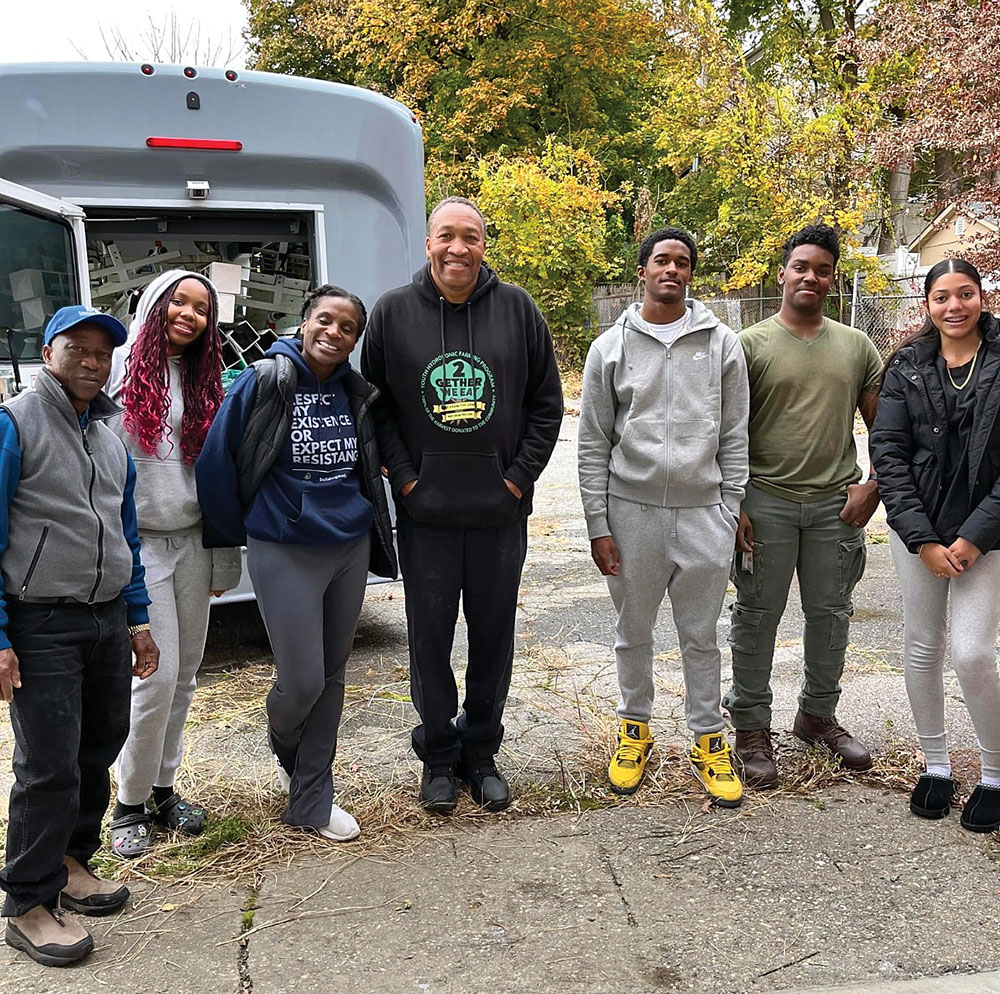
Started in 2020 by avid gardener and businessman Charles Luster, the 2Gether We Eat program is revolutionizing the way students engage with food production. The nonprofit partners with Elm Park and Vernon Hill elementary schools to introduce students to hydroponics, a method of growing plants without soil. Students learn the intricacies of water-based growing systems, nutrient management and the importance of sustainable practices in combating food scarcity.
“They’re learning the different types of hydroponics – from aeroponics to aquaponics and hydroponics. They learn how to check the pH balance in the water to keep our plants alive and what different components the plant needs to grow, like light, water, nutrients, oxygen and CO2,” Luster says.
Beyond the academic applications are lessons in nutrition, social consciousness and sustainability. Students can take home what they grow to share with their families, and excess produce is donated to local charities.
“We can grow two to three tons of food a year in these freight farms, and we give it all back to the community to fight food deserts and food insecurities. The kids are learning empathy and the joy of giving back to their community,” Luster says.
Growing Green Minds
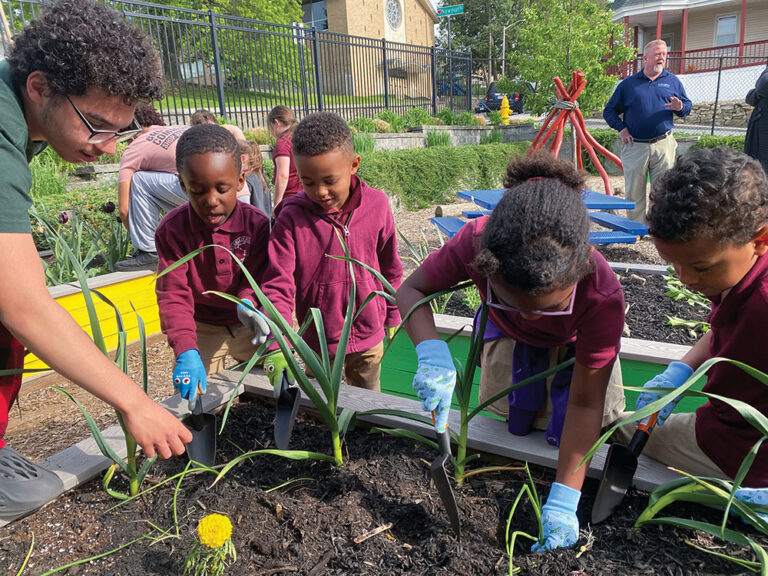
The Regional Environmental Council (REC) has also taken a hands-on approach to agricultural education by integrating gardens into 25 schools and six early childhood centers. Students help design, plan and maintain the gardens, which helps them develop a wide range of analytical skills.
“The program enhances students’ understanding of the food system, including where food comes from and how to grow it at home,” says Steve Fischer, REC executive director. “By working cooperatively in groups, students develop teamwork skills while also gaining respect for the environment and its resources.”
The REC also provides training and curricula to enable teachers to connect gardens to STEAM education. In school, students explore science and nutrition concepts and express their creativity through art and storytelling inspired by the garden.
With support from the United Way of Central Massachusetts, the REC launched a new initiative in 2022, Farm to Early Childhood, which provides programming for preschool classrooms. The organization also sponsors field trips to its youth-led urban farm in Main South and special school visits from the REC’s Mobile Farmers Market Program.
“These programs create beautiful and functional green spaces in underutilized sections of school campuses, enhancing the school and surrounding neighborhood, and students who participate become advocates for healthy eating and environmental sustainability, sharing these lessons with their families, friends and neighbors,” Fischer says.

Teaching Lessons in Compassion
At South High Community School in Worcester, students learn leadership skills and participate in community service through the student-run Andy’s Attic charity. As part of the school’s Nonprofit Management course, students manage every aspect of the organization, from collecting donations to distributing clothing to those in need.
The program not only provides essential resources to the community but also instills a sense of responsibility and empathy in the students, preparing them for leadership roles in the future.
Notre Dame Academy’s Love-in-Action Community Service Program is another example of the benefits of introducing compassion and community service to the classroom. Juniors and seniors at the all-girl private school are required to commit 120 hours to various nonprofits across the region, offering their time and talents to make a difference. The program has been a part of the school’s curriculum for the past 50 years.
“Our students are learning valuable leadership skills while developing an appreciation and love for community service. They’re also gaining an appreciation and understanding about the importance of social justice through community servers and outreach,” says Sherri Pitcher, director of alumnae and advancement for Notre Dame Academy. “We think it’s important that our girls, once they leave here, go back and make a positive impact in the communities where they live and work.”
Help for Helpers
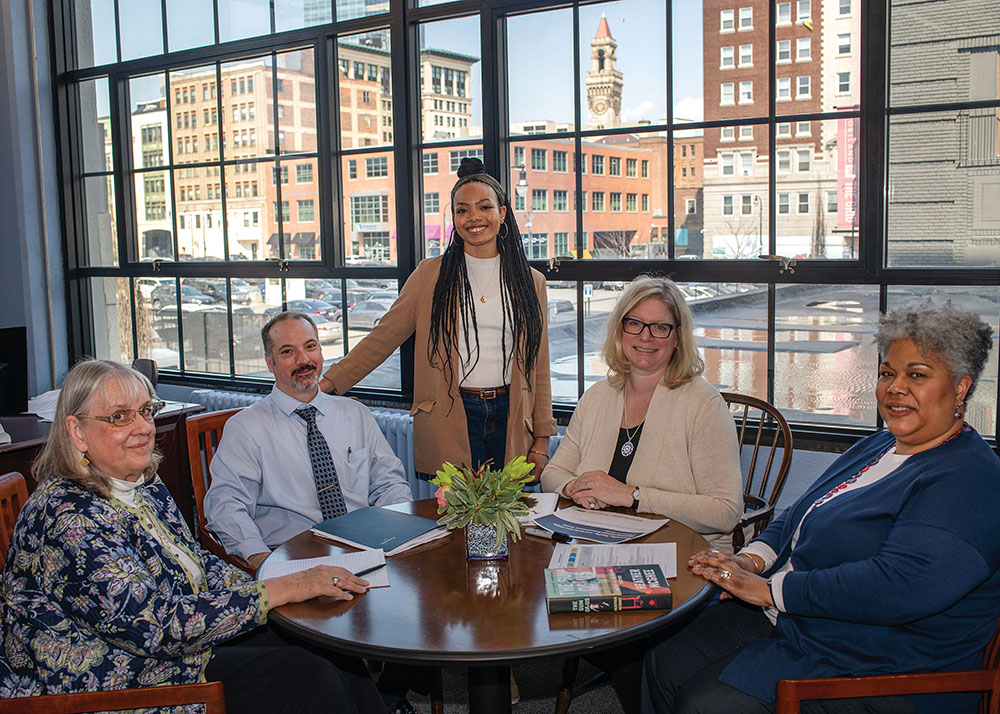
The Greater Worcester Community Foundation (GWCF) recently relaunched its Nonprofit Support Center, a resource hub designed to strengthen and empower nonprofit organizations throughout the region, with a $1 million investment over three years.
The center provides a diverse range of learning opportunities. Among the resources offered are expert-led workshops on strategic planning, financial management and digital marketing; one-on-one consulting services; and training sessions focused on enhancing leadership development and operational efficiency.
“The Nonprofit Support Center’s relaunch signifies our deep commitment to empowering nonprofits with the tools, resources and networks they need to thrive,” says Pete Dunn, GWCF president and CEO. “We look forward to working with organizations, stakeholders, and the wider community to advance a more effective and resilient nonprofit sector.”
The GWCF hosts the Institute for Trustees’ six weeks of workshops for nonprofit leaders; partners with the Resilia group to offer tips and tools to nonprofits led by people of color; and sponsors the Youth for Community Improvement program, which teaches teens about civic engagement, leadership and community service.
The GWCF also provides Nonprofit Effectiveness Grants to organizations to help them grow their outreach.
Get to Know Worcester
Want to learn more about living and working in Worcester, MA? Check out the latest edition of Livability Worcester, Massachusetts.