
Can Where You Live Shape Your Personality?
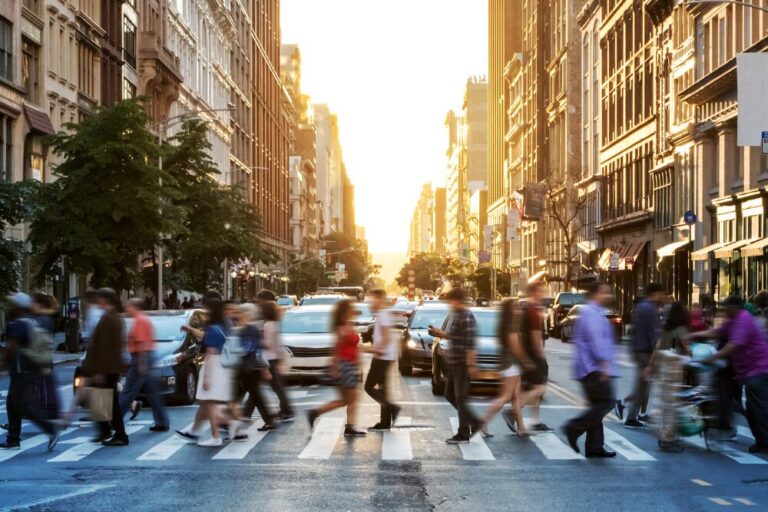
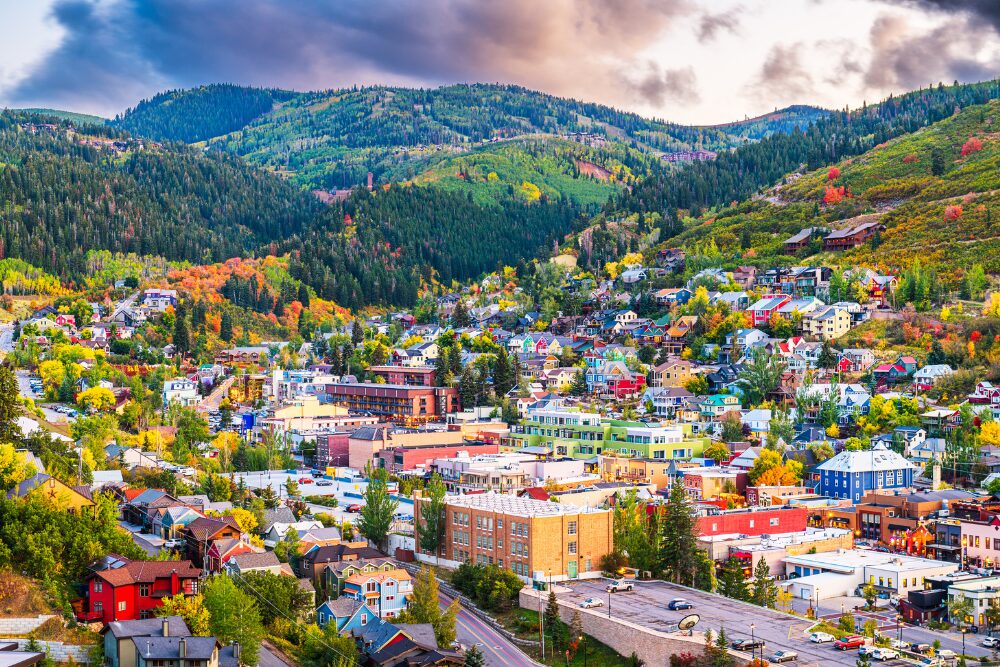
Like many people who move to mountain towns, Hilary Reiter Azzaretti came to Park City for the winter and stayed for the summer. That was 23 years ago. Now, the marketing and public relations professional from New York City has noticed that the Utah mountain town has made an indelible mark on her personality.
“As a New Yorker, I wasn’t as outgoing and friendly as I have become,” says Azzaretti, president of Redhead Marketing and PR. “My friends from back home have even commented on that. They’ll make jokes like: ‘Wow, you actually talk to strangers now and smile more.'”
In This Article
What is Geopsychology?
But when she first moved to Park City, Azzarett remembers being slightly suspicious of strangers who were friendly or chatty.
The idea that the places we live can influence our personalities is part of an emerging field known as geopsychology.
The question up for debate centers on whether cities have personalities. If so, can we take on the collective traits of the places we call home?
Azzaretti has noticed that her personality has been shaped by the hustle and bustle of New York City and the more easygoing nature synonymous with mountain living.
“Park City is a laid-back town, and while I think I’ve lost some of the New York City edge and intensity, I still operate at a faster pace than most,” she says.
When you consider the nature vs. nurture debate in psychology, it would certainly make sense that the places we live fall neatly in the nurture category and can be counted among the life experiences that shape behavior and development.
We looked at the research. Talked to psychologists. And we heard from people who believe that where they live has helped shape who they are.
What Science Says About Geopsychology
Could there really be something to the expression “Minnesota Nice”? Do those who live in Western states tend to be more open and creative? And are those in the South and Midwest generally more extroverted? Are they more likely to feel energized when they’re around others? Social science seems to confirm these parallels.
Researchers have plotted “Big Five” personality traits on maps to understand how geography affects personality. The characteristics that make up this psychological model are: conscientiousness, agreeableness, neuroticism, openness and extroversion.
According to researchers who contributed to the 2019 working paper that applied spatial analysis techniques to examine regional personality variations, each trait showed a unique geographical pattern. In other words, specific geographic regions are linked to personality traits.
For example, “agreeableness” is defined as caring about others. Those with this personality trait tend to empathize with others and enjoy contributing to other people’s happiness. When this trait is mapped, the most significant clusters are in the South, as well as Minnesota and the Dakotas.
Extroverts tend to have their social batteries charged around other people. They’re outgoing and enjoy being social. When placed on a map, extraversion appears to be higher in the Southwest, the Rust Belt and the central Northern states, as well as in pockets of the South. On the flip side, regions where people prefer solitude include New England and those in Western states.
Conscientiousness — which includes traits like goal-oriented and thoughtfulness — is heavily clustered in the South, but also prevalent in states like Oregon, Idaho, North Dakota, South Dakota, Colorado, Wyoming and Montana.
How Where You Live Can Shape Your World Views
Living in a specific region can undoubtedly impact our personalities due to the local culture, climate and communal norms, according to mental health counselor Kristie Tse, LMHC, founder of New York City-based Uncover Mental Health Counseling.
“Different areas foster unique values and behaviors, which can shape an individual’s worldview over time,” she explains.
For instance, Tse says a fast-paced urban environment might encourage traits like competitiveness and assertiveness. Conversely, a tranquil, rural setting might promote patience and introspection.
Geographic locations also dictate access to resources and experiences, influencing lifestyle choices and personality development.
Some of the people we talked to about geopsychology also mentioned that the personality of cities drew them to it.
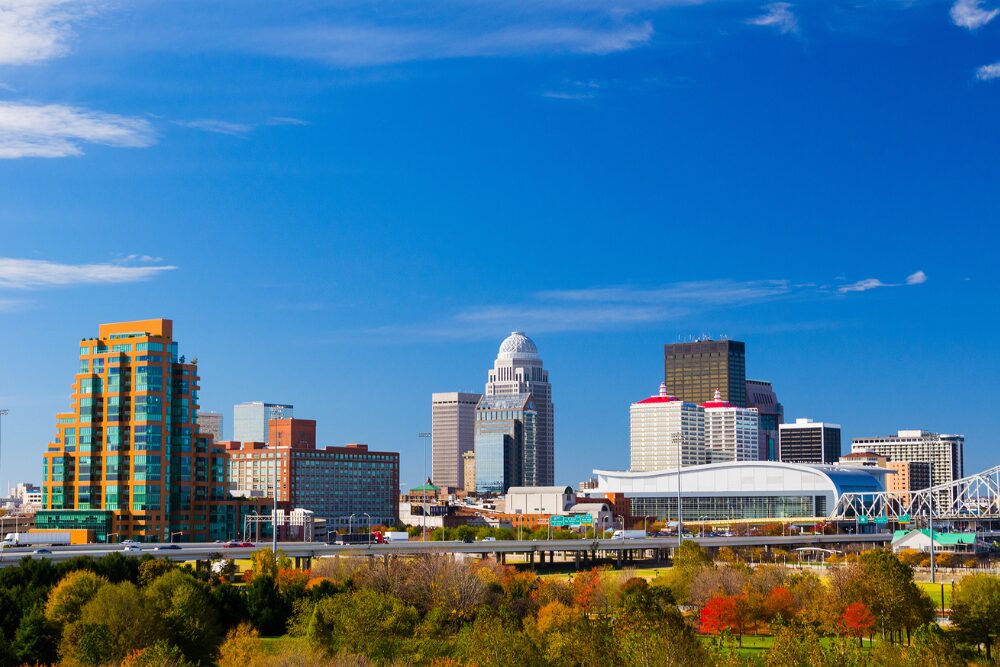
Fatima Thompson, who is Latin and originally from Panama, says she relocated to Louisville, Kentucky, where she learned about its attributes, including a large, vibrant Latin community and its international cuisine that reflects the diversity and culture of the region.
“I’m also a fan of bourbon and have come to appreciate the deep historical ties the city has to America’s native spirit both in terms of hospitality and impact on economic growth,” says Thompson who moved to Louisville in spring 2022.
Finding the Right City for Your Personality
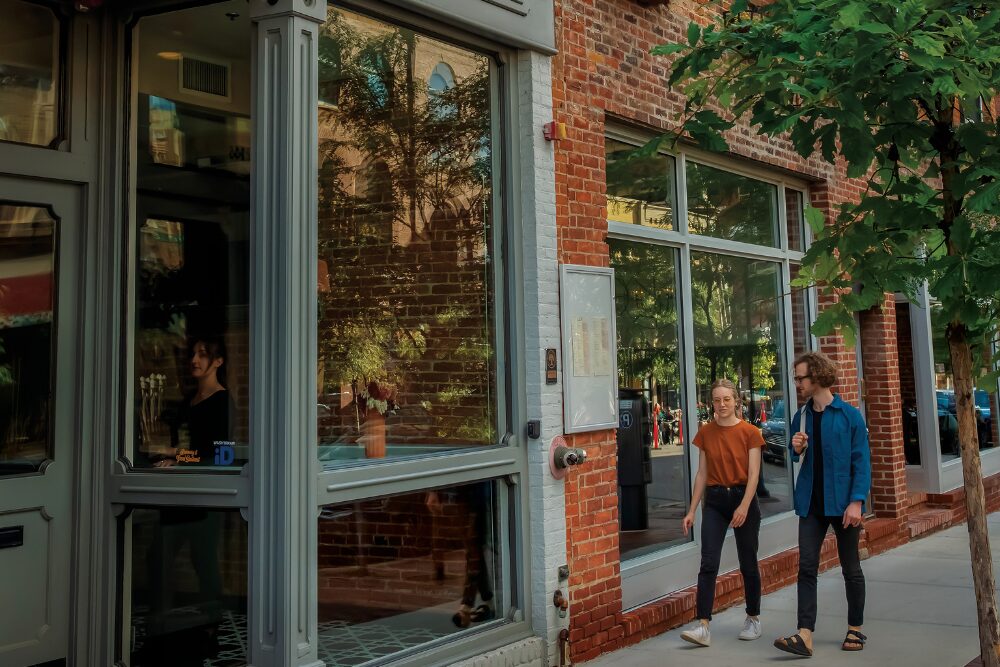
Colleen Newvine, the author of “Your Mini Sabbatical,” is a fan of test-driving a new city before a move. Before fully committing, the test drive ensures the city aligns with your personality.
She often hears about people relocating for a job or to be closer to family. Still, she believes that it’s important to live somewhere that suits your values, priorities and lifestyle (or even the lifestyle you aspire to have).
While living in Michigan, she felt a strong pull to move to New York City. After she and her husband visited several times, they sublet a furnished apartment in Manhattan for a month. This allowed them to better understand what it’s like to live in an apartment and without a car and feel the energy of 8 million people.
“I’m an extreme extrovert, and the interconnectedness of living in a city where I interact with my neighbors in our Brooklyn apartment lobby daily and wave at shop owners as we stroll by feels nourishing,” Newvine says. “I love live music, and the offerings here are superb, while my husband is an artist, and he’s part of a vibrant artist studio in Brooklyn.”
Now, they’re considering a move to Ann Arbor. History repeated itself and they lived for a month in a furnished house in the college town. They were able to confirm that after almost 20 years as New Yorkers, they’ll feel right at home In Arbor.
“We’re now considering moving back to Michigan, to one of your top 100 cities, Ann Arbor. So, we did the test drive in reverse. We went and lived for a month this summer in a furnished house in Ann Arbor.”
“We still got that pedestrian energy, with lots of neighbors walking their dogs and going for runs, and we saw excellent live music several times during our stay,” she says.
The Geopsychology of Living In Urban Vs. Rural Settings
Living in urban areas exposes individuals to a melting pot of perspectives and experiences, which can foster traits like adaptability and openness to new ideas, explains April Crowe, LCSW, and a therapist at Paramount Wellness Retreat in Connecticut.
Those in rural settings often develop strong ties to their communities and nature, enhancing cooperation and a sense of responsibility.
Of course, therapists say that personality is not solely shaped by geography. Crowe says that genetics and personal experiences also have a significant impact.
“The same environment can influence people differently based on their backgrounds and life experiences,” she says. “For example, two individuals might grow up in the same city but develop vastly different personalities due to their family dynamics or social circles.”
The Takeaway?
Understanding how our surroundings can influence who we are can help us cultivate empathy and appreciation for the diversity of human experiences.
“Recognizing these connections allows us to adapt and relate to others more effectively, no matter where they come from,” Crowe says.