
Great Falls, MT, Is a Hub for Health Care Careers
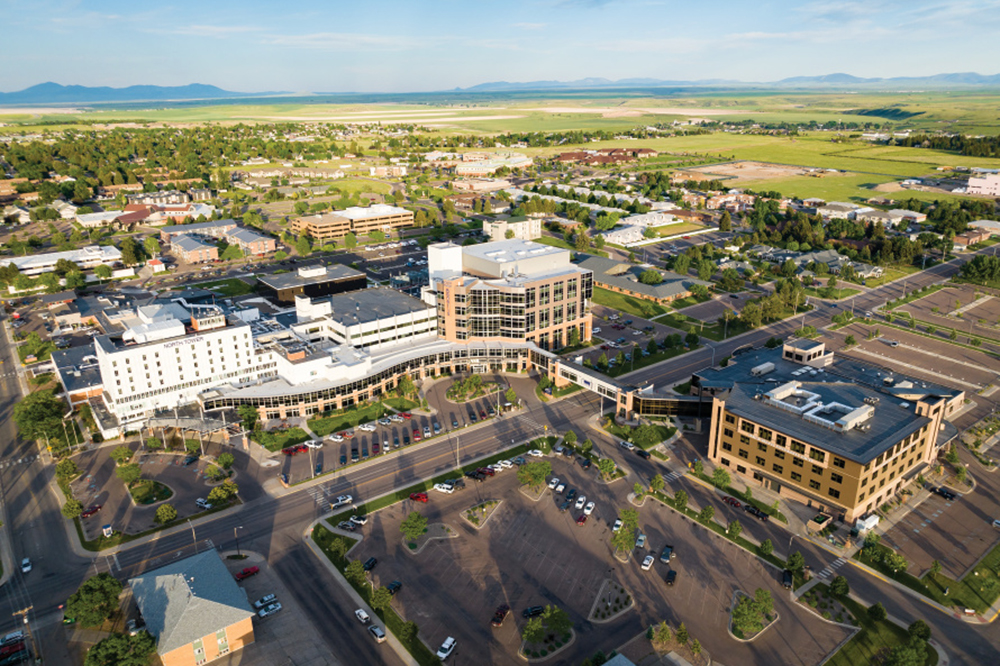
Take the pulse of the people of Great Falls and you will find a community of folks who love to throw out the welcome mat to new neighbors. Add the recent opening of the Touro College of Osteopathic Medicine’s Great Falls campus – Montana’s first nonprofit medical school – plus the workforce resources offered by Benefis Health System and the Great Falls Clinic and Hospital, and it is easy to see why the city is an excellent location to start or advance a medical career.
In This Article
City Welcomes New Medical School
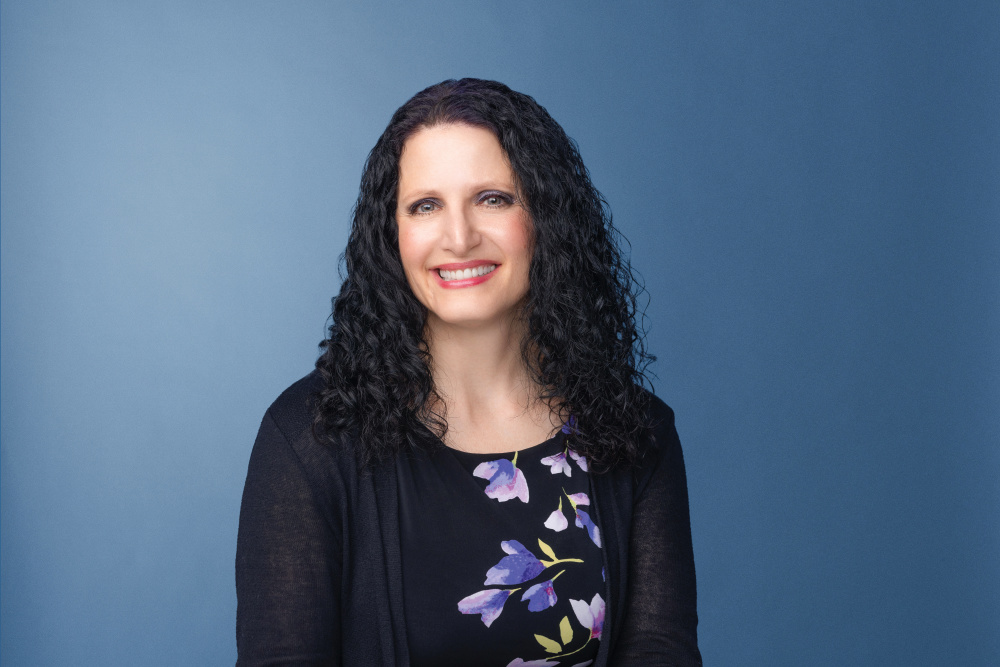
Dr. Stephanie Zeszutek has been practicing medicine for nearly 20 years and came to Great Falls more than two years ago to be the assistant clinical dean and a clinical associate professor at the recently opened Touro College of Osteopathic Medicine.
Previously, the board-certified physician, whose field is obstetrics and gynecology, worked at the college’s Middletown campus in New York.
“I joined the Montana team when they opened a new campus here. We have a goal to enhance the health care workforce by training future physicians to serve Montanans,” Zeszutek says. “I like having the opportunity to work with students throughout all four years of medical school.”
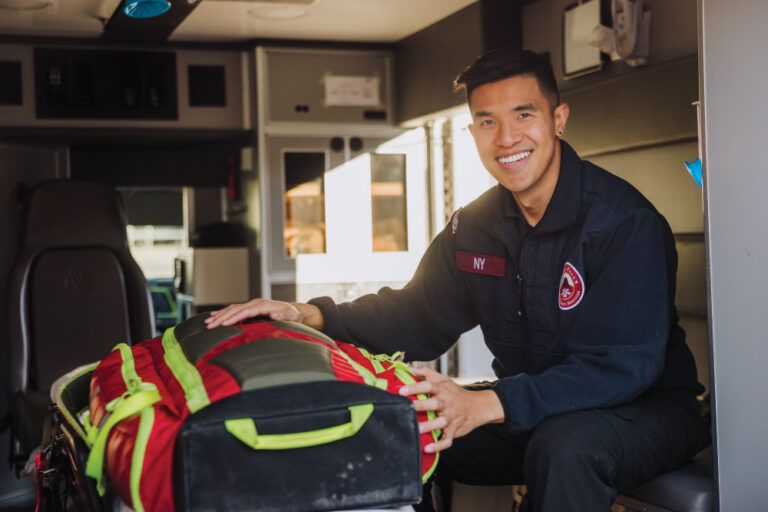
Michael Ny, a second-year medical student at Touro’s Great Falls campus, is no stranger to dedication and service. This former firefighter and paramedic from Richmond, Virginia, traded his first responder gear for scrubs, embracing a new challenge as a nontraditional medical student. Though he originally considered the New York City campus, Ny says he ended up right where he needed to be.
“It made more sense to move to Great Falls, and it was the best decision I could have made,” Ny says. “The fact that everything at the school is state of the art, it was built for medical students to use and to learn from, is amazing. There are about 100 students in my class – about 98% of them are from somewhere other than Great Falls – and our physician-to-student ratio is much lower, so I get more one-on-one attention and experience than if I was in New York City, competing with hundreds or even thousands of other med students.”
Scholarship is ‘Life Changing’
Benefis Health System is the largest health system in North Central Montana and offers state-of-the-art care at the Sletten Cancer Institute, Heart and Vascular Institute, Orthopedic Center of Montana, women’s and children’s services, emergency medicine and more. In addition, it supports the Benefis Foundation’s Healthcare Scholarship Program.
The scholarships help medical students, nursing students and others working toward health care careers achieve their goal, and the program has awarded more than $1.6 million since 1998.
Matthew Simpson, one recent recipient of the medical student scholarship, came more than 12,000 miles from his home in New Zealand to study at Touro College of Osteopathic Medicine Montana. He packed light, bringing only 40 pounds of luggage, but was accompanied by big dreams for his future.
“I’ve never gotten a scholarship before,” he says. “It’s been life changing.”
Simpson will primarily do his clinical rounds at the Benefis East Campus and is excited about studying in Great Falls in particular.
“I did a lot of research. I knew I wanted to come to the U.S. as the education and opportunities for training are the best. It’s very thorough, very difficult. You come out an exceptional, well-educated doctor,” he says. “I love it here. I couldn’t want anything more.”
Program Helps Nurses
The Great Falls Clinic and Hospital Nurse Residency Program is designed to assist newly graduated registered nurses transitioning from a student nurse role to a confident and proficient bedside nurse over a six-month period.
During this time, they are a part of a cohort and receive bedside training with an experienced preceptor and supplemental training pertaining to their nursing career. They also become part of a team that has earned national accreditation from DNV, a certifying organization for acute care and critical access hospitals, and the program has received a five-star rating – the highest possible – by Centers for Medicare and Medicaid Services. The program consists of a teacher-led learning experience in conjunction with in-person meetings, guest speakers, discussions and hands-on training every three weeks in collaboration with the Education Department.
“The supportive small groups help the new graduates make connections, encourage collaboration and reduce the stress and anxiety of being a new nurse in a busy, complex health system,” says Amy Winston, nurse residency and student program coordinator.
Weissman Hood Institute Celebrates 70 Years of Innovative Research
The Weissman Hood Institute, formerly known as the McLaughlin Research Institute, recently celebrated 70 years of innovative research with an announcement changing its name.
The rebranding honors Drs. Irving Weissman, the institute’s first intern, and Leroy Hood, who are both Montana natives and world renowned scientists.
The institute plays a key role in clinical and translational research, conducting studies that aim to convert or translate results into applications directly benefiting people. These findings address the needs of rural Montana communities and have national implications.
North Central Montana high school juniors and seniors and college students with an interest in science are encouraged to apply for the paid, eight-week summer offering.
Only a few are selected for the coveted donor-supported internships. During the first two weeks, students learn general lab techniques and complete a mini-research project. Then, they rotate through working labs at the institute, observing and asking questions.
For many, like Hope Gasvoda, 22, who grew up on her family’s ranch outside Big Sandy, Montana, the experience was a springboard to a medical career.
She recently earned her undergraduate degree in forensic science from the University of Providence in Great Falls.
Gasvoda’s time at the institute helped her realize she was capable as a scientist and provided well-rounded exposure to the research field.
“I learned technical skills and scientific techniques that will help me move through the medical school application process as well as in my future career,” she says.
Get to Know Great Falls
Want to learn more about living and working in Great Falls, MT? Check out the latest edition of Livability Great Falls, Montana.