
8 Can’t-Miss Camping Destinations
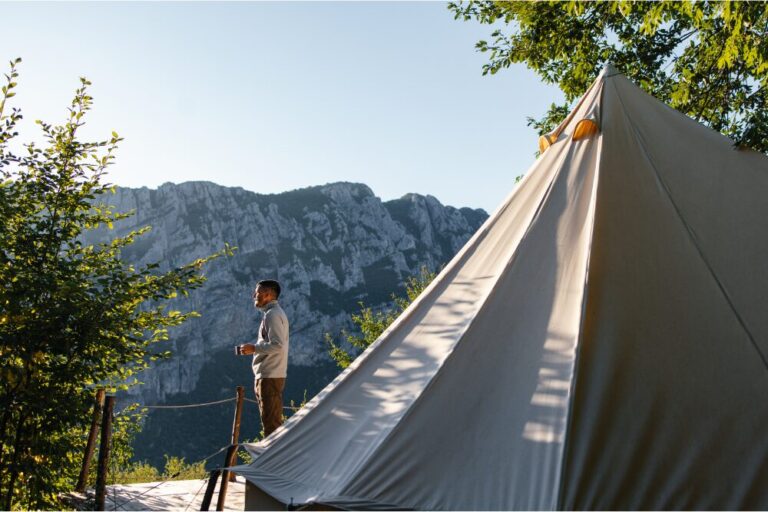
From treehouses and yurts to camping among ponies and bears, there are some seriously wild places to explore in the United States. There’s a time and a place for visiting the cities, but if you’re in the market for something a little more outside the box, see if any of these unique camping destinations around North America catch your eye. Each and every one is bound to lead to some wild memories and unforgettable experiences.
In This Article
Assateague Island National Seashore
Maryland & Virginia
Little girls who dreamed about wild ponies will fall head over heels with Assateague Island National Seashore, a beautiful vacation spot straddling Maryland and Virginia and known for its wild herds and postcard landscapes. Camping is the easiest way to make the most of your time on the island, but bookings fill up fast. Securing your spot about six months in advance is recommended, especially if you’re looking at a weekend. There are a few different places to stay, but Oceanside Campground is a popular choice that offers ocean-side campsites and a few extra amenities.
Once you’ve arrived, you can hike, bike or kayak to explore the three different ecosystems (forest, marsh and dunes). Some travelers suggest booking a kayak tour that takes you around Assateague and Chincoteague Island so you can catch a glimpse of the Assateague Island lighthouse and learn all about the wild horses who call this island home.
Channel Islands National Park
California
A surprising number of people are unfamiliar with the Channel Islands, but this National Park in California includes five beautiful islands that look like they fell straight out of a fairy tale. You won’t find any convenience stores or gear rental shops here, so come prepared and be sure to pack all the essentials – and maybe a little more. The National Park Service suggests picking your activities, checking the current conditions and confirming your reservation before heading out, which sounds wise to us! There are campgrounds on each of the five islands, and a few limited backcountry camping choices on Santa Cruz and Santa Rosa Islands.
Narrowing down the list of things to do is tough, but some of our top picks would include booking a sea cave kayak tour, snorkeling at Anacapa and spending a day hiking to Smuggler’s Cove (with plenty of bonus time to linger on the shore before hoofing it back).
Dry Tortugas National Park
Florida
Primitive camping is a pretty accurate description of a trip to Dry Tortugas National Park. Located just 70 miles from Key West, this underrated park is home to the historic Fort Jefferson, a coastal fortress formerly used as a Civil War prison. Spend a few hours exploring the ruins on a guided or self-guided tour before turning your attention to the area’s natural wonders. If you can only squeeze in one other activity after ambling through Fort Jefferson, let it be snorkeling. The waters are clear, corals abundant and you might even spot a turtle or two.
It’s worth noting that this is another one of those genuinely remote campsites, and you’re unlikely to get cell service during your trip. Pack accordingly with all the essentials, including a first aid kit, head lamps or flashlights and cash for the ferry.
Great Sand Dunes National Park
Colorado
Great Sand Dunes National Park is home to one of North America’s tallest sand dunes, and requires a little more commitment than some of the other locations on our list. You’ll need to secure a backcountry permit before showing up, and trust us when we say to pack more water than you think you might need. Good shoes are equally important since you’ll be trekking across sand, and likely in some serious wind. Once you’ve picked a campsite and off-loaded some gear, you can spend a few hours sandboarding and sledding down the dunes, hiking the winding trails or wading in Medano Creek (if you visit in the warm months). This is also a prime spot for stargazing thanks to the lack of light pollution, high elevation and dry air.
Treebones Resort
Big Sur, California
We’ve covered some serious ground in the remote and primitive camping territories. Now it’s time to look at the opposite end of the spectrum: glamping. After all, unique camping doesn’t have to mean forgoing a shower for days on end. Some of us prefer the luxury of places like Treebones Resort in Big Sur. This swanky resort offers everything from elegant yurts with plush bedding and hot and cold water to autonomous tents powered by their own solar arrays. You can even book a stay in an oceanside tiny house.
No matter which route you take, there are plenty of things to do once you’ve unpacked your bags. Big Sur includes around 70 miles of California coastline known for its rugged landscape. Some people even refer to it as “miniature Yosemite.” Explore John Pfeiffer’s homestead cabin from the late 1800s, visit The Colonial Tree – a staggering 277 feet tall and 31 feet in diameter – or wade the rivers at Big Sur River Gorge. This region is a serious wonderland that you don’t want to miss.
Chaco Culture National Historical Park
New Mexico
You may have camped beneath the stars a few times, but have you ever woken up among ancient monuments? Chaco Culture National Historical Park – located between Albuquerque and Farmington – is home to a smattering of structures belonging to the ancient Pueblo people. And in addition to guided tours, hiking trails, bike paths and backcountry adventures, you can also stay the night. Unreserved campsites are handed out first come, first serve, but you can also make reservations at the Gallo Campground, which is open year-round and about a mile east of the visitor’s center.
Pencil in enough time to learn about a few of the archaeological sites. The Great Houses like Pueblo Bonito and Chetro Ketl are popular among campers, as well as the petroglyphs at Una Vida. Ranger-led programs are a good choice for anyone camping with kids or interested in deep diving into the local history. And, finally, don’t leave without experiencing at least one night of stargazing. Chaco is a designated Dark Sky Place, meaning you’ll likely see way more stars and constellations out here than you might back home!
Kodiak Island
Alaska
Feeling brave? You could always test your courage with a backcountry camping trip to Alaska’s Kodiak Island. The breathtaking scenery draws in thousands of out-of-state visitors, but camping in the heart of the Alaskan wilderness takes some serious guts. Nevertheless, you’re spoiled for choice when it comes to choosing a place to stay. Many of the campgrounds and RV parks are open during peak season, which runs from about May to September, and this travel tactic gives you ample opportunity to explore the public lands (state and national parks, national forests and BLM areas) to your heart’s content.
One thing to bear in mind, however, are… well, the bears. You’ll likely catch a glimpse of a few brown bears while you’re out and about here, but the wildlife viewing can also include everything from puffins and sandhill cranes to bald eagles, humpback whales and towering moose. Booking a tour with one of the local wildlife excursion companies is the easiest way to spot as many of these beauties as possible, but try to save time for additional adventures too, like glacier hiking, fly fishing and perusing some of the more than 60 local museums and cultural centers.
Treehouse Point
Washington
Ever dreamed of living in a treehouse? TreeHouse Point, nestled just 30 minutes from Seattle, is ready and waiting to make those childhood dreams come true. Visitors will find six beautiful treehouses complete with swinging bridges, cedar-lined bathhouses and enough lush greenery to make you think you’ve slipped into the pages of a storybook. Accommodations here include a delicious daily breakfast, access to a library with a fireplace and plenty of games and a place to purchase wine, beer and non-alcoholic drinks. You’re also within an easy driving distance to local haunts like Lake Sammamish State Park, Cougar Mountain Zoo, Gilman Village and countless miles of hiking and biking trails in and around Issaquah.