
Prattville History Paves the Way for a Future Without Limits
Prattville is a community that values its past while looking toward an exceptional future. And there are plenty of things to the left of this city’s timeline that are worth recognizing and preserving. Ahead, get the scoop about the history of Prattville and Autauga County, and how things from long ago still play a role in this community and county today.
In This Article
Prattville’s Past
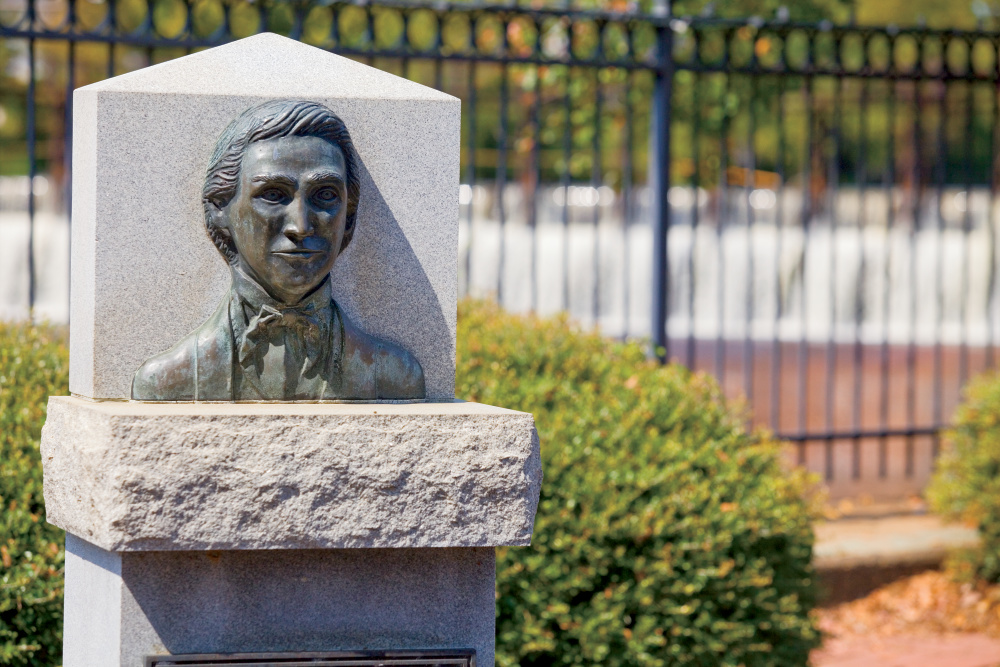
Locals who want to know about Autauga County’s history know to contact historian Ann Boutwell. What was so special about Prattville? First, consider the person it’s named after: Daniel Pratt.
“He was Alabama’s first large industrialist, and he is credited with bringing the industrial revolution from the North to the South,” Boutwell says. “He influenced every aspect of our society and culture.”
He did this in large part by creating the Prattville Gin Factory along Autauga Creek in 1833, which manufactured cotton gins, machines that separated cotton fibers from their seed more quickly and efficiently than people could.
By the 1850s, the Prattville Gin Factory had become the world’s leading producer of cotton gins, selling them in places like Great Britain and Russia. And this made Prattville one of the first industrial towns in the South.
Pratt built additional factory buildings for the gin shop and other businesses and infrastructure, like a sawmill, a grist mill and housing for laborers. These buildings are in what is today called the Daniel Pratt Historic District.
Made for Residents
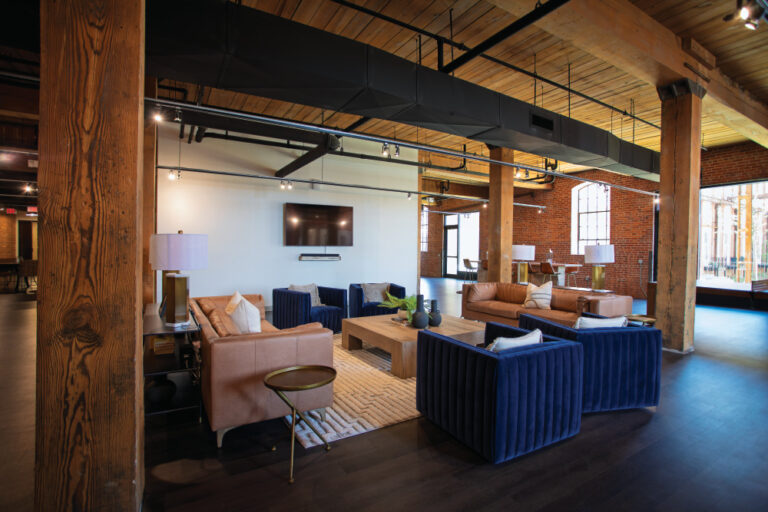
The gin factory’s abandoned buildings have since been restored and transformed into luxury apartments known as The Mill. The buildings, originally built between 1848 and 1957, were full of original components, like exposed brick walls, wood beams and industrial windows, that Ashley Stoddart of Envolve Communities, which built the apartments, says were intentionally preserved.
“We also kept the industrial feel in the apartments, with exposed original tracks, wheels that powered the factory and the original freight elevator in the 1852 building,” she says.
The community response has been resoundingly positive.
“Locals who grew up hearing stories about the Pratt Gin Factory, or even had family members work there, have expressed pride and excitement in seeing it brought back to life,” Stoddart says. “It’s not just a place to live. It’s a place that continues to connect generations of Prattville residents.”
Take Your Pick
Another iconic landmark built by Pratt in 1859, The Picker House is also undergoing an incredible redevelopment. Originally used to house raw cotton as it was graded and cleaned, it’s becoming a two-story fine dining restaurant.
Karen Phillips, restaurateur and co-owner of the building, says she and her husband, Darin, have known for a while that the area needed a really nice locally owned restaurant. When the property became available, the two jumped at the opportunity to purchase it.
“What really resonated with me was the fact that when it was a workplace, people worked together, ate together – they were a community,” Phillips says. “It was the hub, and I feel like that’s something I want to do again. I want to make it a hub of the community where everybody can come together and commune. We want it to be a place where friendships are formed, forged and mended. That’s our goal.”

House to Museum
A final addition to the Daniel Pratt Historic District is one Boutwell is especially excited about.
A new museum, The Pratt, is planned for the gin shop site downtown and will replace its current museum, the Prattaugan, which is located inside a small house.
The new space will be able to house the massive archival collection that Boutwell and other volunteers have uncovered since the gin factory closed in 2012.
“The public will be able to come and do research or just come and look at a ledger,” she says. “It’s just such an interesting collection. Every major world event is reflected in it. Who would have thought that Prattville would have touched places all over the world?”
Get to Know Prattville
Want to learn more about living and working in Prattville, AL? Check out the latest edition of Livability Prattville-Autauga County, Alabama.