
Walk, Drive, Fly: Manchester, NH, Makes Traveling a Breeze

Whether by foot, car or plane, Manchester, NH, makes traveling refreshingly easy. With walkable neighborhoods, scenic trails, quick highway access and an award-winning regional airport, the Queen City has mastered the art of mobility. For residents and visitors alike, that accessibility adds up to convenience, connection and a higher quality of life.
In This Article
Walkable and Connected
For Andy Vachon, parks maintenance superintendent for the City of Manchester’s Department of Public Works, accessibility is a defining feature of local life.
“We recently extended the South Manchester Rail Trail, which now connects all the way to the airport,” Vachon says. “You can walk or bike from the inner city to the airport without ever leaving a trail.”
Many of Manchester’s paths follow abandoned railroad beds, and plans are underway to link them together.
Once complete, users will be able to bike or walk from the airport to Delta Dental Stadium (home of the Manchester Fisher Cats baseball team), into nearby Goffstown and north along the Merrimack River to the Heritage Trail, Vachon says.
“It’ll connect neighborhoods, parks and downtown destinations,” he says.
The city maintains paved routes that Manchester, NH, residents can travel, as well, like the Piscataquog Trail and South Manchester Rail Trail year-round.
“We plow and treat them after snowstorms,” Vachon says. “People use them to get to work, run errands or just enjoy the outdoors.”
Dirt trails, such as the Rockingham Recreation Trail, remain popular for snowshoeing and cross-country skiing.
“You can be walking along a pond, hearing brooks and ducks, and just on the other side of the woods is a neighborhood,” Vachon says. “You’re reminded you’re not in a huge city, but you’re close to everything.”
From the 1-mile loop at Livingston Park to trails at Piscataquog River Park and Stark Park, the Manchester Parks & Recreation Department promotes healthy lifestyles by giving people places to go where they can feel secluded but still connected, Vachon says.
Close to Everything
For lifelong resident Cole Riel, Manchester, NH’s, accessibility extends beyond traveling its trails.
“I bought my grandmother’s house on the West Side; my family’s been here for hundreds of years,” says Riel, development director for the New Hampshire Fiscal Policy Institute. “What keeps me here is how easy it is to get around and get involved. People are willing to have conversations, from small-business owners to CEOs. In Manchester, you can build real relationships quickly. It’s a community that feels accessible and supportive.”
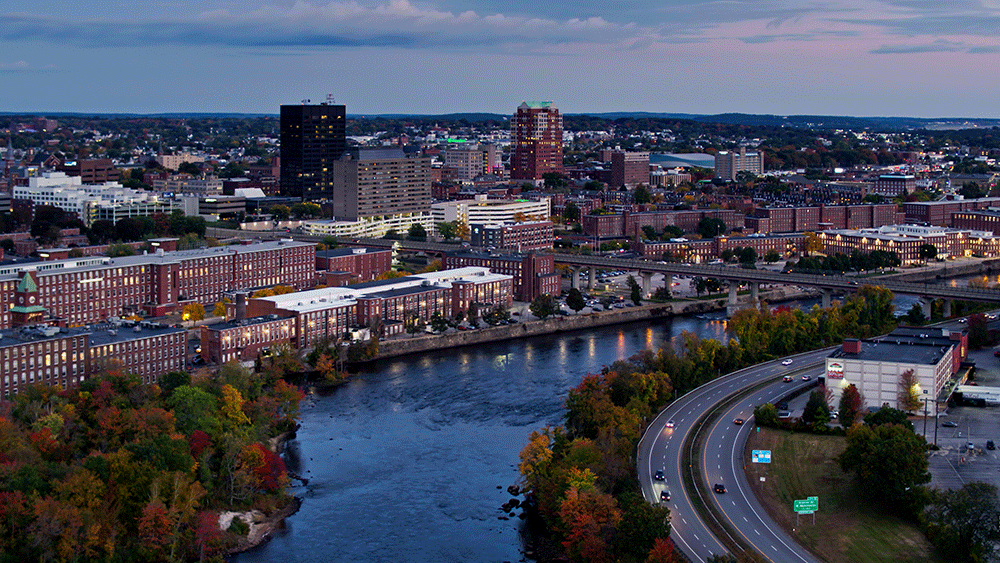
A good portion of Manchester, NH, sits near major highways, which makes traveling to places like Boston, the White Mountains and the Seacoast Region easy.
“It’s all within reach,” Riel says. “Except for a few busy days, you can get where you need to go easily.”
When he’s not on the road, Riel explores local recreation areas.
“I love the rail trail that runs through Goffstown and Massabesic Lake. It’s beautiful and well-maintained,” he says. “Manchester gives you the best of both worlds, city convenience and outdoor serenity. You can work downtown in the morning and be on a quiet trail by evening.”
Gateway to the World
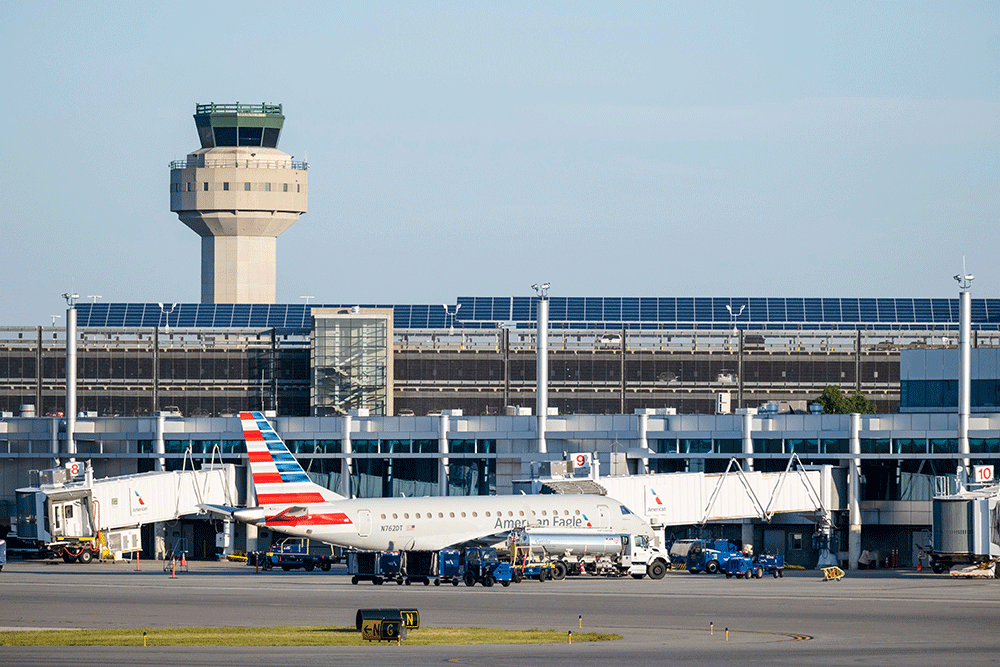
Manchester-Boston Regional Airport (MHT) puts the world within reach.
“People who choose to fly out of Manchester are looking for easy access and a hassle-free travel experience,” says Tom Malafronte, aviation director. “MHT offers competitive rates, ample on-site parking, access to 17 nonstop markets and more than 250 one-stop markets nationwide.”
Convenience starts before takeoff.
“From parking to the gate, it’s a streamlined process. You can park your vehicle, use the pedestrian walkway and be through security and boarding a flight in a fraction of the time required at larger airports.”
That simplicity has earned national recognition.
“We have been recognized with numerous customer service awards and named one of the best domestic airports in the country,” he says. “Although we can’t always compete with large hubs in terms of flight frequency, our guests value the experience they have in Manchester.”
Beyond supporting traveling for residents, MHT in Manchester, NH, is a regional economic driver.
“We process over 200 million pounds of cargo a year through FedEx, UPS and Amazon,” Malafronte says. “MHT is the third-largest cargo airport in New England and contributes roughly $800 million to the local economy annually, while supporting nearly 3,000 jobs.”
As the airport nears its 100th anniversary in 2027, new developments are on the horizon.
“We’re currently updating the airport master plan, negotiating a new airline operating agreement, and rebranding to freshen up the look and feel,” Malafronte says. “In terms of future growth, the more people who use the airport, the more the airlines will invest in the market and more flight options will become available. We all win when we support this facility.”
A City That Moves
From the trails that weave through neighborhoods to highways linking the region and the airport connecting Manchester to the world, mobility here is effortless. Residents can walk, drive or fly with ease, all while staying close to nature, opportunity and community.
“Manchester really gives you everything you need,” Riel says. “It’s easy to move, connect and build a life here.”
This article was sponsored by the Manchester Economic Development Office.