
Explore History Through These Southern Idaho Attractions
Southern Idaho has a rich history, encompassing everything from natural geographic wonders to agricultural developments to the Oregon Trail. Learn more about the region’s history by taking a journey through these Southern Idaho attractions:
In This Article
Rupert Town Square Historic District
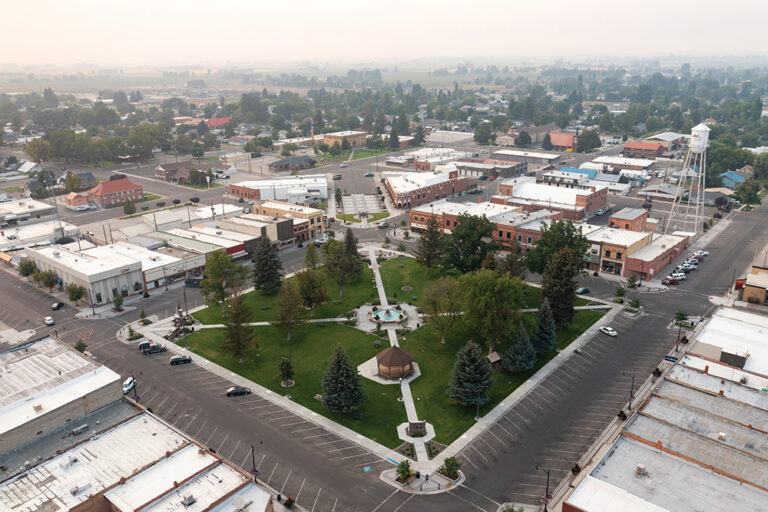
Did you know that Rupert was one of the first towns in the U.S. to be fully planned and built with electricity? Thanks to the hydroelectric power generated by the Minidoka Dam, Rupert and its grid-like design, featuring a prominent and picturesque town square, were a key part of the Minidoka Reclamation Project, a federal irrigation initiative.
These days, the Rupert Town Square Historic District showcases historic architecture like the Rupert Opera House, original city hall and firehouse.
Twin Falls County Historical Museum
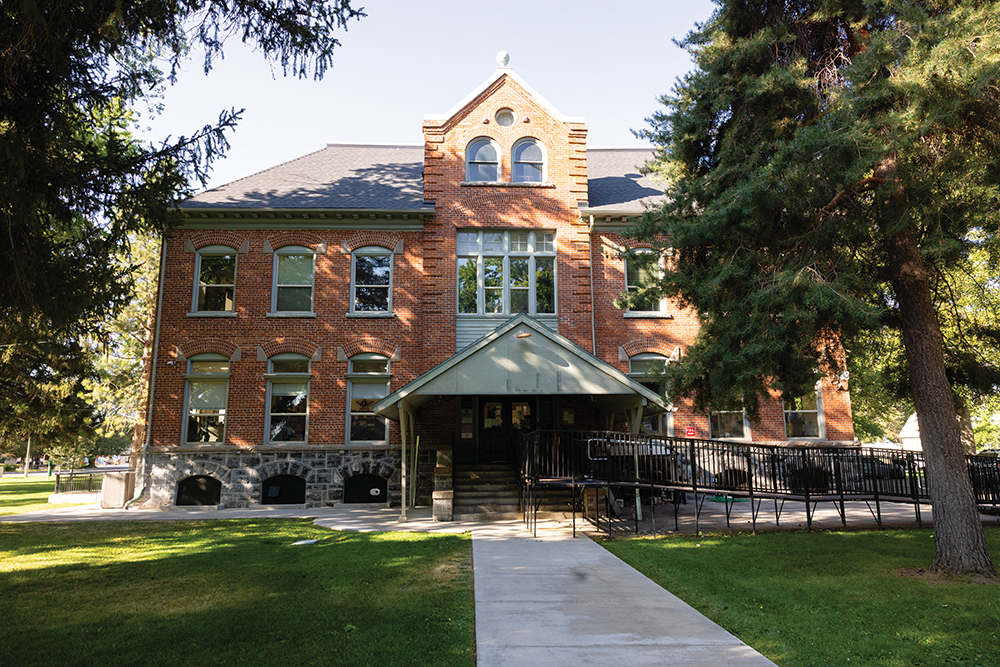
Located in the Curry School building, which was constructed in 1914, the Twin Falls County Historical Society Museum educates visitors about Twin Falls’ founding and early agriculture. Outside of the brick schoolhouse, there is a blacksmith shop, farmhouse and craft house, all showcasing the agricultural tools and machinery that contributed so heavily to the area’s cultivation and progress. This site paints a picture of what life was like for settlers in the early 1900s.
Rock Creek Station & Stricker Homesite
A key resting point on the Oregon Trail, Rock Creek Station was established in 1865 and holds a spot on the National Register of Historic Places. In its prime, this site provided critical services such as food, lodging and more for westward-bound pioneers. The station was operated by Swiss immigrant Herman Stricker, who lived in the Stricker House with his family. Today, visitors can tour the home and see the architecture and artifacts that are remnants of that time.
Camas Prairie
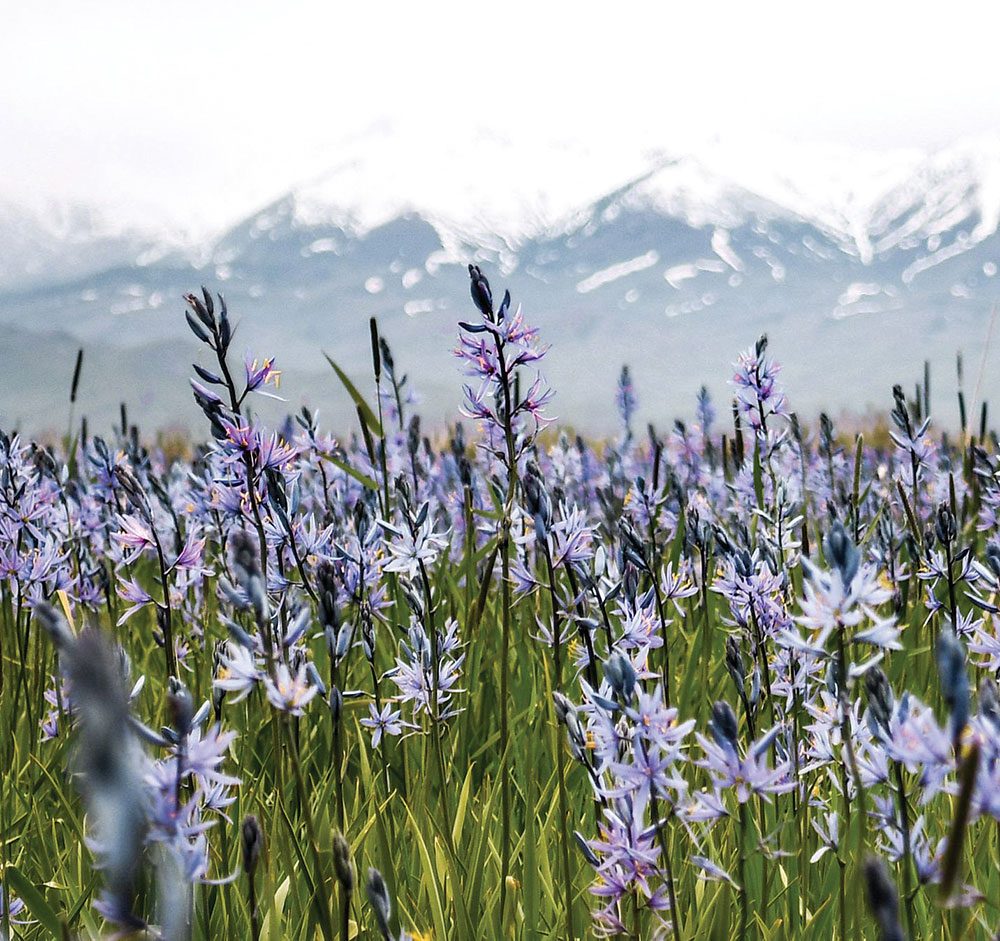
Rich in both cultural and natural history, the Camas Prairie offers valuable insight into pre-contact life and the seasonal rhythms of the Indigenous communities of Southern Idaho. To this day, it is still used seasonally by Native tribes to harvest camas bulbs.
The Camas Prairie is particularly beautiful in the springtime, when thousands of blooming camas flowers turn the meadows into a gorgeous sea of blue. Visitors often come here to bird-watch, hike or engage with the educational signage posted throughout.
Minidoka National Historic Site
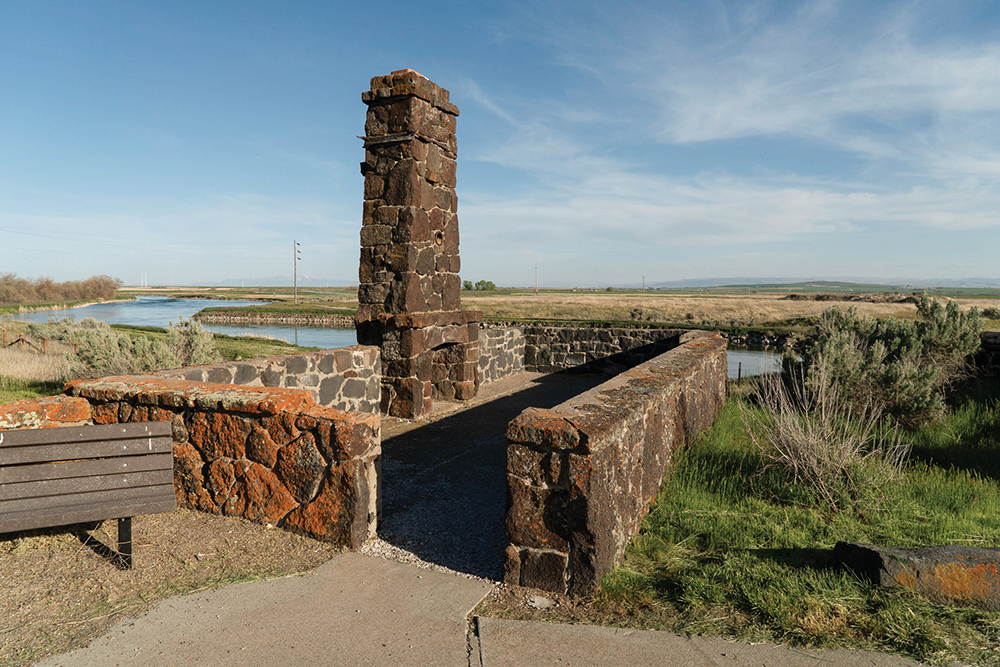
Though somber in tone, the Minidoka National Historic Site is an important one to visit, as it preserves the World War II-era history of Japanese-American incarceration. This camp was one of 10 located across the U.S., and records indicate that over 13,000 Japanese- Americans were unjustly detained here between 1942 and 1945. Today, visitors can walk a trail of reconstructed guard towers, a mess hall and barracks. It’s a powerful educational experience, highlighting a dark chapter in the nation’s history.
Cassia County Historical Society and Museum
With a mission to protect and preserve the history of Cassia County, this attraction resides in the historic Burley Depot, which was originally built by the Oregon Short Line Railroad in 1903. It also includes historic log buildings, a passenger train car, a natural history exhibit and a World War II memorial room. Many of the museum’s exhibits are dedicated to railcar lore and Native American artifacts, respectively. From fossils to farming tools, visitors can get a comprehensive view of just how far Cassia County has come over the years.
Hagerman Fossil Beds National Monument
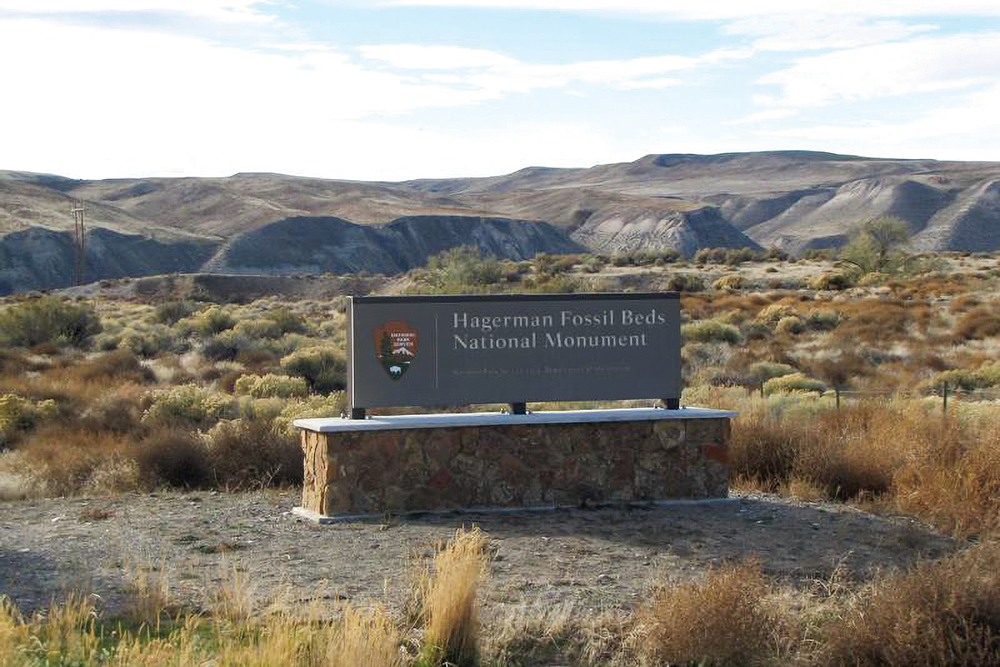
Part of the National Park System with its own National Natural Landmark designation, the Hagerman Fossil Beds overlook the Snake River and provide breathtaking views for miles around. This Southern Idaho attraction is home to over 200 species of plant and animal fossils from as far back as 3.5 million years ago, and provides geological context for what the region may have looked like pre-development. This site is also famous for the Hagerman Horse, which is considered the earliest true horse in North America.
Shoshone Historic District & Walking Tour
This self-guided walking tour through downtown Shoshone is as close as you can get to a walk down memory lane, showcasing beautiful buildings from the town’s early 20th-century roots. Notable buildings on the tour include the Lincoln County Courthouse, the McFall Hotel, the J.C. Penney Store, the Governor’s Mansion (now a bed-and-breakfast), the Methodist Church and the Soloaga Basque Boarding House. The Lincoln County Visitor Center provides tour brochures that provide context and helpful information.
Get to Know Southern Idaho
Visit livability.com/southern-idaho to learn more about living, working and playing in the region.