
Johnson City Communities Rally to Recover After Hurricane Helene
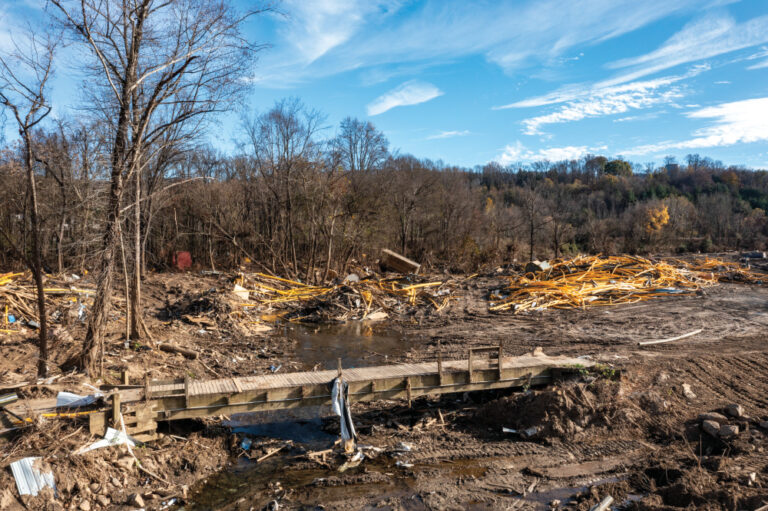
When Hurricane Helene reached the mountains of Northeast Tennessee in September 2024, few could have imagined the devastation that would follow. Days of relentless rain triggered catastrophic flash flooding and landslides across the Appalachian region, washing away bridges, homes and businesses. A year later, the fun could return to Fender’s Farm.
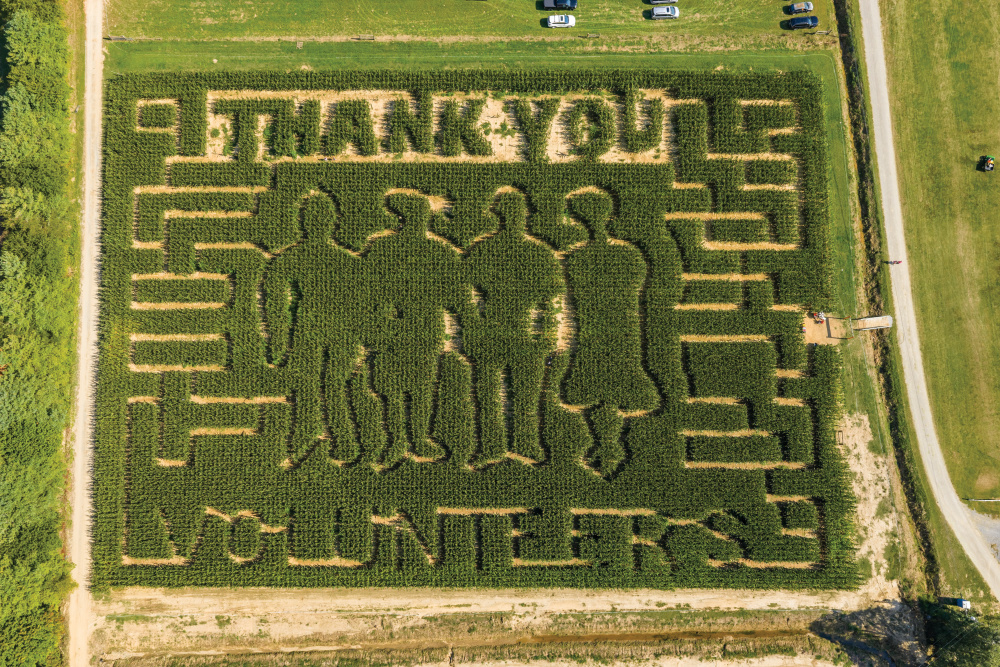
“With the help of probably 1,000 volunteers and a lot of prayers and donations, we are back,” says Carroll Fender, who has operated the farm in Jonesborough with his wife, Bonnie, for 25 years.
Across upper East Tennessee, bridges have been rebuilt, reconnecting communities cut off by floodwaters, while local crews and volunteers have worked to clear rivers and streams. Small businesses are back up and running, from family farms like Fender’s to shops and cafes, and hundreds of homes have been repaired.
“This year has been full of progress and hard work to see families return to their beloved homes, and we’re grateful to play a role in the recovery,” says Laura Kelly, executive director of Holston Habitat for Humanity.
Rallying to Recover
Immediately following the storm, volunteers filled church parking lots and school gyms, sorting donations, distributing food and cleaning supplies, and clearing debris.
Corporate partners sent employees, donated materials and sponsored special volunteer days. Bristol Motor Speedway became a massive distribution hub where supplies poured in from 48 states.
At Fender’s Farm, the floods destroyed over 21 structures and caused over $2 million in damage, forcing the farm to close just as its autumn season was launching. Despite the extensive damage, Fender’s Farm transformed into a clearinghouse for food, clothing and other donations. The impulse to help others defines the community he calls home, Fender says.
“We had some buildings that were not displaced and we turned those into a distribution center the first seven weeks after the flood,” Fender says. “People in this area don’t sit around and fold their hands. They get to work, and when people come and see you’re working, they join right in.”
Rapid Response
The disaster put to the test the resiliency and responsiveness of systems already in place for mobilizing volunteers and distributing donations, says Leslie Dalton, president and CEO of United Way of East Tennessee Highlands.
“When Hurricane Helene struck, our mission didn’t change, but the magnitude did,” Dalton says. “What we had to do was quickly shift those tools into emergency mode and scale them to meet needs unlike anything our region had ever seen.”
Because those systems were already in place, the United Way could immediately connect volunteers with recovery projects, set up donation systems within hours, and move resources directly to local nonprofits and families.
“With the help of local partnerships in the first three weeks, we raised over $1 million and filled thousands of volunteer slots across the region,” Dalton says.
One year later, the organization has disbursed more than $2 million through the Helene Emergency Relief Fund to nonprofits assisting with housing, supplies and family stabilization, and established six long-term recovery groups, with one in each impacted county, to coordinate rebuilding and case management.
In addition, United Way of East Tennessee Highlands has helped to rebuild or repair more than 300 homes, with hundreds more receiving furniture, appliances and essential household goods. The organization also secured more than $1 million in operational funding through partnership with East Tennessee Foundation and First Tennessee Development District to strengthen county-level recovery.
“Our existing partnerships with local governments, businesses and nonprofits became the backbone of an efficient, regional response,” Dalton says. “We accelerated what we already do best: uniting people and resources to meet the community’s most pressing needs.”
Another critical local resource for recovery, Holston Habitat for Humanity has raised almost $2 million in funding for vital Helene relief projects, both for much-needed repairs and for new homes, and has completed 23 critical home repair projects across Carter, Washington and Unicoi counties ranging from $5,000 to $65,000 invested.
“We have about 15 more projects in the pipeline to complete with more applications arriving regularly,” Kelly says. “We will be here working until the funding runs out and the last family is served.”
Get to Know Johnson City, TN
Want to learn more about living and working in Johnson City, TN? Check out the latest edition of Livability Johnson City, Jonesborough-Washington County, TN.