

Waldo, Kansas City, MO: Energetic. Historic. Community-Driven.
Waldo is a well-known neighborhood in south Kansas City, Missouri, centered around the intersection of Wornall Road and 75th Street. The area developed primarily during the early 20th century as Kansas City expanded south along streetcar lines. Its history as a streetcar suburb shaped both the neighborhood layout and its walkable commercial corridor, which still serves as Waldo’s central gathering place.
Originally an independent community before being annexed by Kansas City in the early 1900s, Waldo has long maintained a strong local identity. The neighborhood today blends historic homes, mid-century houses, and a lively business district filled with restaurants, coffee shops, and local retailers.
Overall Vibe & Lifestyle
Life in Waldo centers on its active neighborhood business district and strong sense of community. The commercial corridor along Wornall Road is filled with locally owned restaurants, cafés, bars, and shops that serve as regular gathering places for residents.
The neighborhood has become increasingly popular with young professionals, longtime residents, and families who appreciate the mix of historic homes and a lively social scene. Seasonal events, neighborhood festivals, and street fairs help reinforce Waldo’s reputation as one of Kansas City’s most community-oriented neighborhoods.
Because Waldo sits just south of Brookside and Midtown, residents also enjoy relatively easy access to downtown Kansas City and other cultural districts throughout the metro.
Safety & Walkability
Waldo is considered one of the more walkable neighborhoods in south Kansas City. Many residential streets connect directly to the Wornall Road commercial corridor, allowing residents to walk to restaurants, coffee shops, and neighborhood businesses.
The Trolley Track Trail runs through nearby neighborhoods and is easily accessible from Waldo. This paved multi-use trail follows the route of Kansas City’s historic streetcar line and is popular for walking, running, and biking.
While the neighborhood is walkable near the business district, most residents still rely on driving for longer trips across the metro area.
Natural & Built Environment
Waldo’s built environment reflects its streetcar-era origins. Streets are lined with mature trees and a mix of early-20th-century homes and mid-century houses built as Kansas City expanded south.
Several parks are located nearby, including Tower Park, which provides playground equipment, open lawn space, and walking paths. Residents also frequently visit Loose Park and Swope Park, both located within a short drive of the neighborhood.
Outdoor recreation opportunities also extend to the nearby Trolley Track Trail, which connects several neighborhoods through a continuous paved path.
Design & Architecture
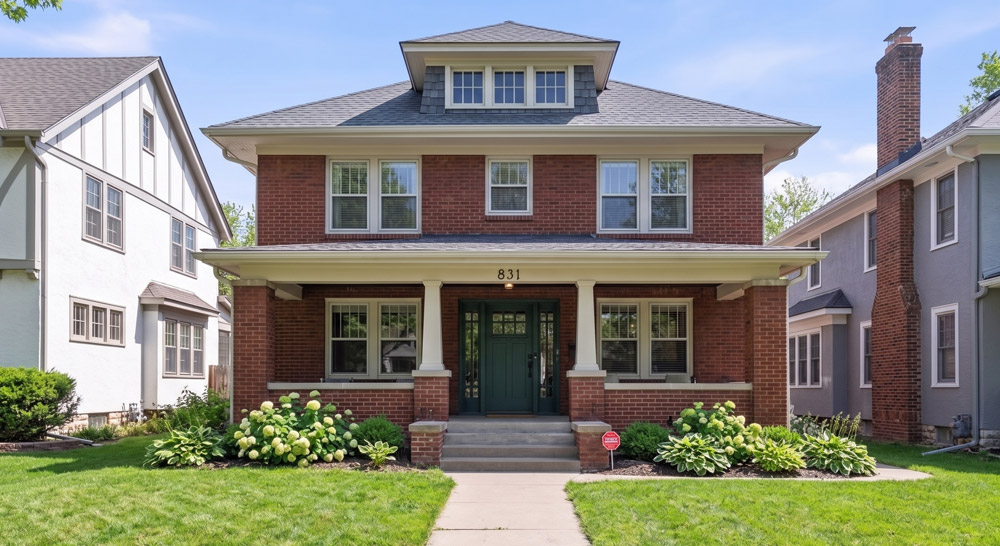
Homes in Waldo were primarily built between the 1920s and 1950s as the neighborhood expanded along Kansas City’s streetcar routes. Architectural styles include bungalows, modest two-story homes, and ranch-style houses.
Many homes feature front porches, brick or stone facades, and smaller residential lots typical of early suburban development. Renovations and additions have become increasingly common as the neighborhood has grown in popularity.
Housing at a Glance
Waldo offers a mix of historic homes and mid-century housing within a traditional neighborhood layout.
| Metric | Description |
|---|---|
| Type | Primarily single-family homes with some duplexes and small apartment buildings. |
| Size & Layout | Typically 900 to 2,200+ square feet. |
| Interior & Exterior Features | Brick or siding exteriors, front porches, mature landscaping. |
Real Estate Snapshot
The Waldo housing market has grown steadily in recent years as more buyers seek walkable neighborhoods with access to local businesses and entertainment.
| Metric | Summary |
|---|---|
| Market Demand | Increasing due to neighborhood revitalization and walkability. |
| Inventory | Moderate turnover with a mix of renovated and original homes. |
| Buyer Profile | Young professionals, first-time buyers, and longtime residents. |
| Pricing Context | Generally mid-tier within Kansas City urban neighborhoods. |
| Investment Pattern | Gradual appreciation driven by renovations and location. |
Homes in Waldo are often smaller than those in nearby Brookside but tend to offer more affordable entry points into Kansas City’s historic south-side neighborhoods.
Amenities & Local Conveniences
The Waldo business district along Wornall Road serves as the neighborhood’s primary commercial corridor and social hub. The area developed during the streetcar era and continues to function as a walkable district filled with locally owned restaurants, cafés, bars, and small retail shops that anchor everyday neighborhood activity.
Residents regularly gather at long-standing establishments such as Summit Grill, known for its neighborhood dining atmosphere, Waldo Thai, a well-known local restaurant specializing in Thai cuisine, and Dodson’s Bar & Commons, a casual gathering spot that serves as a community meeting place. Nearby restaurants such as The Well Bar Grill & Rooftop add to the district’s lively evening environment, while dessert shops like Betty Rae’s Ice Cream draw steady foot traffic throughout the day.
Together, these businesses contribute to Waldo’s reputation as one of Kansas City’s most active neighborhood dining districts, particularly during evenings and weekends when restaurants and patios fill with residents. In addition to the businesses located directly within Waldo, the neighborhood’s central location also provides convenient access to nearby commercial districts in Brookside and the Country Club Plaza, both located just a short drive to the north.
Schools & Education
Waldo is served primarily by Kansas City Public Schools, which provides public education for most addresses within the neighborhood. Students in the area may attend nearby schools such as Hale Cook Elementary School, along with additional public and charter school options located throughout south Kansas City. Several private schools also operate within a short distance of the neighborhood. Because school attendance zones and enrollment policies can change, families should confirm zoning directly with the district before making housing decisions.
Commuting & Location
Waldo’s location in south Kansas City provides relatively convenient access to major roadways connecting the neighborhood to other parts of the metro area.
| Destination | Approximate Drive Time |
|---|---|
| Brookside | 5 minutes |
| Country Club Plaza | 10 minutes |
| Downtown Kansas City | 15-20 minutes |
| Crossroads Arts District | 15-20 minutes |
| Kansas City International Airport | 30 minutes |
Drive times vary depending on traffic conditions.
Map of Things To Do in Waldo, Kansas City
Quirks & Perks
One of Waldo’s defining characteristics is its strong neighborhood identity. Many residents actively participate in local events and neighborhood organizations that help maintain a close-knit community atmosphere.
The neighborhood’s commercial corridor also plays a major role in its appeal. Unlike newer suburban retail areas, Waldo’s businesses are concentrated along a historic street that encourages walking between restaurants, shops, and entertainment venues.
Neighborhood Logistics
Waldo functions as a residential neighborhood within Kansas City, Missouri, meaning municipal services such as police, fire protection, and infrastructure maintenance are provided by the city.
The neighborhood includes a mix of residential blocks surrounding the Wornall Road business district rather than a single master-planned subdivision. Most homes are not part of large homeowners associations, reflecting the neighborhood’s historic development.
Daily errands such as dining, coffee, and small retail purchases can often be handled within the neighborhood itself. Larger shopping trips and regional destinations are typically located within a short drive throughout the Kansas City metro area.
Explore Kansas City Neighborhoods
Note on imagery: Images marked “AI Generated” are visuals to illustrate the neighborhood homes, atmosphere and architectural style. To protect homeowner privacy, these images are artistic representations and do not depict specific existing properties.