

West Columbia Hills, Columbia, TN: Established. Elevated. Residential.
West Columbia Hills is a residential neighborhood located west of downtown Columbia, Tennessee, generally positioned along and around West Seventh Street and the surrounding hillside streets. Development in the area took place primarily in the mid-20th century as Columbia expanded outward from its historic downtown, resulting in a neighborhood defined by traditional homes, elevated lots, and a connected residential layout.
The neighborhood’s topography sets it apart from flatter areas of the city, with gently sloping terrain and homes positioned along hillside streets that create variation in views and lot orientation. Its location provides convenient access to downtown Columbia while maintaining a quieter residential setting removed from the city’s busiest corridors.
Overall Vibe & Lifestyle
Daily life in West Columbia Hills reflects a quieter residential pace shaped by its elevated setting and proximity to downtown. Residents typically move between home, nearby parks, and the Columbia square, where restaurants, coffee shops, and local businesses serve as the primary social and commercial hub.
The neighborhood attracts a mix of longtime residents and buyers seeking established homes with character and convenient access to the center of the city. Its layout supports a lifestyle that balances residential calm with accessibility, allowing residents to reach downtown destinations within minutes while maintaining a sense of separation from busier areas.
Community life is often tied to downtown events, seasonal activities, and local gathering spaces that define Columbia’s broader neighborhood experience.
Safety & Walkability
West Columbia Hills features a traditional residential street network with moderate walkability for neighborhood circulation. Streets are connected, though the area’s elevation changes and hillside layout create a different walking experience compared to grid-based neighborhoods.
Sidewalks are present in some areas, and residents often walk for recreation within the neighborhood. Most errands and daily needs are typically completed by car due to the location of commercial amenities outside the neighborhood.
Natural & Built Environment
The natural environment is shaped by the neighborhood’s hillside setting, with homes positioned along sloping terrain and streets that follow the contours of the land. Mature trees and established landscaping contribute to a consistent residential character, while elevation changes create visual variation throughout the neighborhood.
The area benefits from proximity to the Duck River and Riverwalk Park, where residents can access walking trails, open green space, and community events. These nearby natural features provide additional recreational opportunities and contribute to the neighborhood’s livability.
The combination of elevation, mature landscaping, and established homes creates a distinct environment within Columbia’s residential landscape.
Design & Architecture
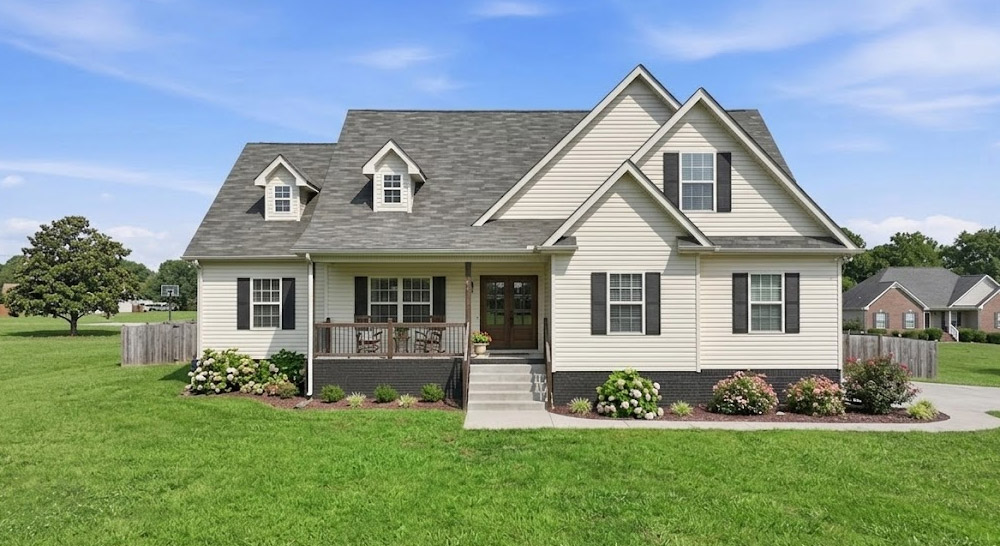
Homes in West Columbia Hills were primarily constructed between the 1950s and 1970s and reflect architectural styles common to mid-century suburban development. Ranch-style homes, split-level houses, and modest traditional properties are prevalent throughout the neighborhood.
Exterior materials typically include brick and siding, with simple rooflines and practical layouts. Many homes have been updated over time, incorporating modern interiors while maintaining their original structure.
The architectural consistency and lot orientation contribute to a cohesive neighborhood identity shaped by its period of development.
Housing at a Glance
Housing in West Columbia Hills reflects mid-century suburban development with established homes and varied lot elevations.
| Metric | Description |
|---|---|
| Type | Primarily single-family homes. |
| Size & Layout | Typically 1,200 to 2,800+ square feet. |
| Interior & Exterior Features | Brick and siding exteriors, sloped lots, mature landscaping. |
Real Estate Snapshot
The West Columbia Hills housing market is influenced by its location, elevation, and established housing stock. Buyers are often drawn to the neighborhood for its proximity to downtown and the character created by its hillside setting.
Turnover is moderate, with a mix of updated and original homes entering the market. Pricing is generally more accessible than newer developments, while continued renovations contribute to long-term value growth.
| Metric | Summary |
|---|---|
| Market Demand | Steady due to location and established character. |
| Inventory | Moderate turnover with a mix of updated and original homes. |
| Buyer Profile | Families, first-time buyers, and renovation-focused buyers. |
| Pricing Context | Generally more accessible than newer Columbia neighborhoods. |
| Investment Pattern | Gradual appreciation supported by updates and location. |
Amenities & Local Conveniences
West Columbia Hills residents have convenient access to a range of locally owned businesses located in downtown Columbia and along nearby corridors. Muletown Coffee Roasters operates on the public square and serves as a central gathering place known for its small-batch roasted coffee and consistent daily activity. Towne Coffee & Cuisine, located along North Garden Street, provides another nearby option for breakfast, lunch, and specialty drinks in a casual setting.
Dining options in downtown Columbia include Puckett’s Grocery & Restaurant, a long-standing local establishment that combines Southern dining with live music, and Southern Tre Steakhouse, which offers a locally owned, full-service dining experience in a restored historic building. Ollie & Finn’s Counter adds to the area’s daytime dining scene with breakfast and lunch offerings focused on fresh, made-to-order meals.
Retail and specialty shopping are concentrated around the Columbia square, where businesses such as Duck River Books and Bleu 32 Vintage Marketplace provide locally curated goods, books, and home décor. These storefronts contribute to a downtown district that remains active throughout the week and serves as the primary commercial hub for residents.
For outdoor recreation, Riverwalk Park provides walking trails along the Duck River, open green space, and event areas that host community programming. Its proximity to West Columbia Hills allows residents to incorporate outdoor activity into their routine within a short drive.
Schools & Education
West Columbia Hills is served by Maury County Public Schools. The neighborhood’s location allows relatively convenient access to schools compared to more outlying areas. Families should confirm current school assignments directly with the district, as attendance boundaries may change.
Commuting & Location
West Columbia Hills is connected to downtown Columbia and surrounding areas through West Seventh Street and nearby arterial routes.
| Destination | Approximate Drive Time |
|---|---|
| Downtown Columbia | 5 minutes |
| Spring Hill | 20 minutes |
| Franklin | 35 minutes |
| Nashville | 45-55 minutes |
Drive times may vary depending on traffic conditions.
West Columbia Hills Neighborhood Map
Quirks & Perks
One of West Columbia Hills’ defining characteristics is its elevated terrain, which creates variation in home placement and views throughout the neighborhood. This topography contributes to a residential environment that feels more dynamic than flatter areas of the city.
The neighborhood’s proximity to downtown Columbia is another key advantage, allowing residents to access dining, shopping, and community events within minutes. This accessibility supports a convenient daily routine while maintaining a quieter residential setting.
The established housing stock also provides opportunities for renovation and personalization, with many homes reflecting updates over time. This ongoing evolution contributes to the neighborhood’s continued appeal within the Columbia market.
Neighborhood Logistics
West Columbia Hills functions as a residential neighborhood within the City of Columbia, with municipal services such as police, fire protection, and infrastructure maintenance provided by the city.
The neighborhood is not part of a master-planned development and does not typically include a centralized homeowners association. Its layout reflects mid-century growth patterns, with residential streets extending from primary routes into quieter interior sections.
Daily errands, dining, and services are primarily handled in downtown Columbia and nearby commercial corridors, all located within a short drive of the neighborhood.
Explore Columbia Neighborhoods
Note on imagery: Images marked “AI Generated” are visuals to illustrate the neighborhood homes, atmosphere and architectural style. To protect homeowner privacy, these images are artistic representations and do not depict specific existing properties.