

Nexus North & Nexus South, Gallatin, TN: Newer. Expanding. Growth-Oriented.
Nexus North and Nexus South are two of Gallatin’s newer, more rapidly developing residential areas, positioned along the city’s expanding suburban growth corridors. Built around contemporary suburban planning principles, these neighborhoods emphasize newer construction, commuter accessibility, and organized residential infrastructure designed to support Gallatin’s continued population growth.
Unlike Gallatin’s historic neighborhoods or established mid-century subdivisions, Nexus North and South feel distinctly modern and transitional. Ongoing development, newer homes, and expanding infrastructure shape much of the environment, creating neighborhoods that reflect the broader transformation happening throughout Sumner County and the Greater Nashville metro area.
At the same time, the areas maintain relatively strong access to shopping corridors, schools, and regional commuter routes, allowing residents to balance suburban living with convenient connectivity to Gallatin, Hendersonville, and Nashville.
Overall Vibe & Lifestyle
Life in Nexus North and Nexus South is highly centered around modern suburban convenience and newer residential living. The neighborhoods feel active and growth-oriented, with a steady pace shaped by commuting, school schedules, and ongoing community expansion.
Compared to Gallatin’s older residential areas, the atmosphere feels newer, more structured, and more transitional. Many residents are newer arrivals to the region, contributing to a neighborhood environment that feels socially active and still evolving.
Daily routines tend to revolve around practical suburban infrastructure. Grocery stores, restaurants, schools, and retail corridors are accessible within relatively short drives, while neighborhood layouts prioritize organized streetscapes and efficient residential flow.
Unlike lake-oriented communities where recreation shapes daily life, Nexus North and South center on convenience, accessibility, and updated housing. The appeal comes from modern layouts, manageable maintenance, and proximity to Gallatin’s expanding suburban amenities, rather than from historical character or destination-style recreation.
The overall pace feels energetic and development-driven while remaining distinctly residential.
Safety & Walkability
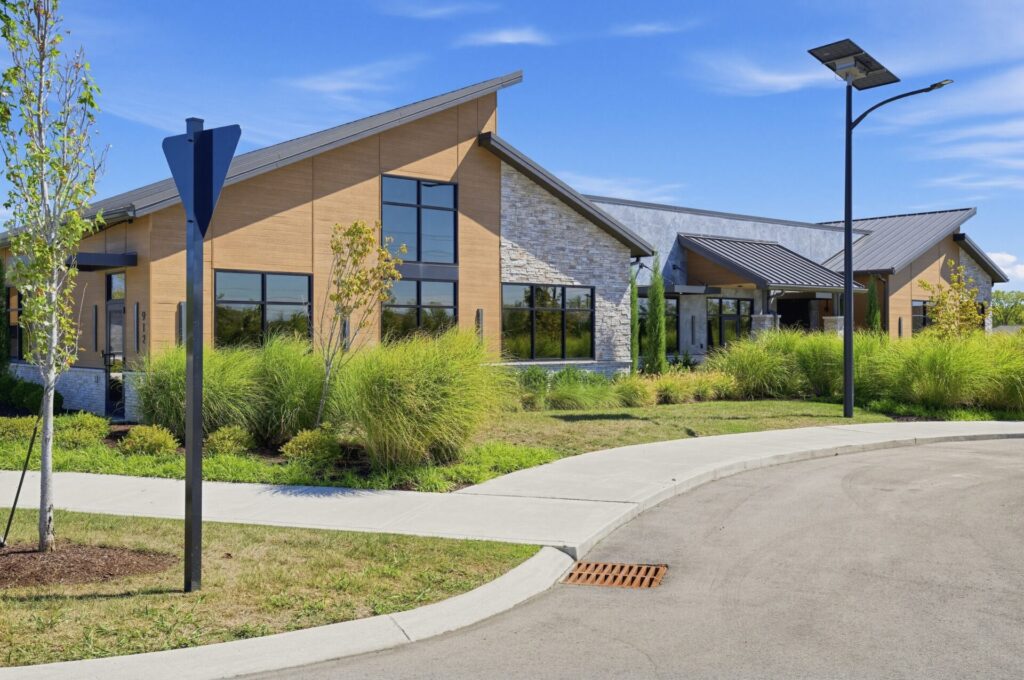
Nexus North and South were developed with newer suburban planning standards that support neighborhood walking and internal connectivity more consistently than many older subdivisions.
Sidewalks are integrated throughout many of the neighborhoods, supporting walking, jogging, and biking within residential sections. Evening walks and neighborhood recreation are common, particularly in quieter interior streets.
Traffic within the neighborhoods is primarily residential, though surrounding commercial corridors and commuter routes are experiencing increasing activity as Gallatin expands. Construction traffic and evolving road infrastructure may also periodically affect traffic flow depending on the specific phase of nearby development.
Walkability is strongest for recreation and neighborhood movement rather than errands. Most shopping, dining, and services still require driving, though the areas remain relatively close to Gallatin’s primary retail corridors.
Compared to older neighborhoods with more organic street patterns, Nexus North and South feel more intentionally designed around modern suburban traffic flow and connectivity.
Natural & Built Environment
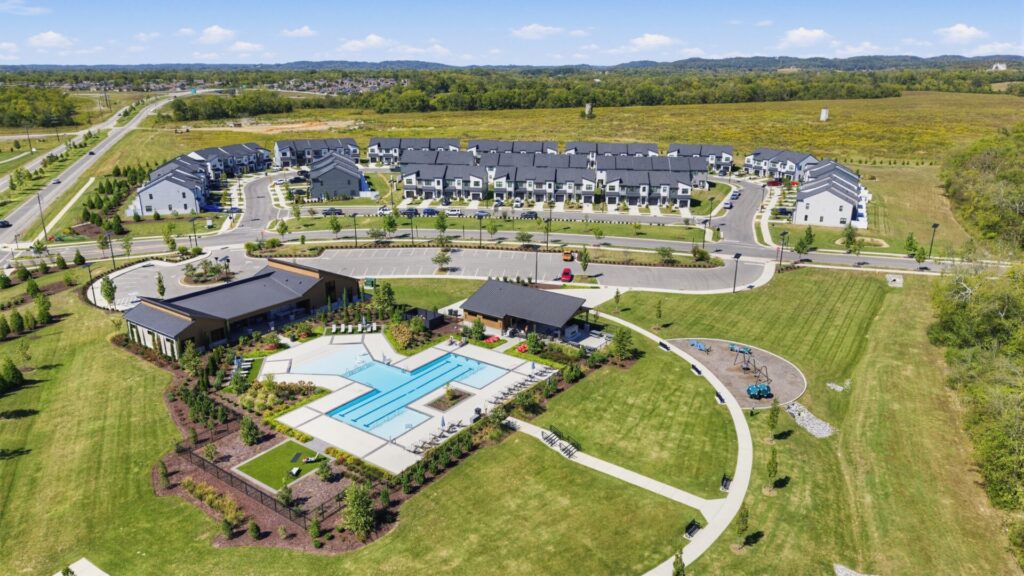
The natural environment blends rolling Middle Tennessee terrain with newer suburban landscaping and planned residential infrastructure. Compared to Gallatin’s older neighborhoods, tree canopy coverage is still developing in many sections due to the relative newness of the communities.
The built environment is highly cohesive and visually organized. Streets are wide, sidewalks are consistent and homes reflect coordinated architectural standards tied to newer suburban development trends.
Open green spaces, stormwater ponds, and neighborhood common areas help soften the density of newer construction while creating a more visually structured residential environment.
Because the neighborhoods are still part of Gallatin’s broader growth corridor, portions of the surrounding area may continue evolving through additional residential and commercial development over time.
The overall atmosphere feels modern, organized, and distinctly growth-focused.
Design & Architecture
Architecture throughout Nexus North and Nexus South reflects contemporary suburban design trends common throughout rapidly growing Nashville-area communities.
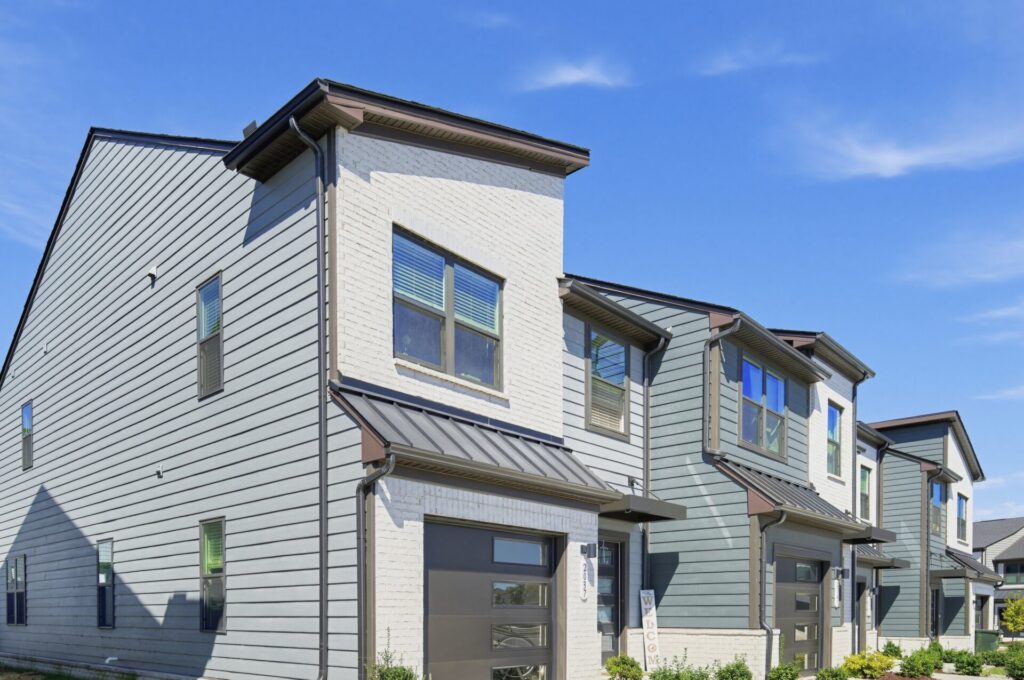
Most homes feature open floor plans, attached garages, larger kitchens, and layouts centered around modern family living. Exterior materials commonly include brick, fiber cement siding and stone accents, creating a coordinated but moderately varied streetscape.
Compared to Gallatin’s older neighborhoods, architectural styles are more uniform and contemporary. Streetscapes emphasize consistency, updated construction standards and neighborhood cohesion rather than historical variation or individualized lot design.
Lot sizes are generally more compact than in older suburban developments, reflecting newer planning priorities that balance private yard space with community infrastructure and efficient land use.
The overall visual environment feels clean, polished and intentionally modern.
Housing at a Glance
Nexus North and Nexus South offer newer suburban homes with updated layouts and planned-community infrastructure.
| Metric | Description |
|---|---|
| Type | Primarily single-family detached homes with some higher-density residential development nearby. |
| Size & Layout | Typically 1,700 to 4,000+ square feet with 3-5 bedrooms. |
| Interior & Exterior Features | Open floor plans, attached garages, updated finishes, sidewalks, neighborhood green spaces and newer construction standards |
Real Estate Snapshot
The Nexus North and South housing markets remain highly active due to continued demand for newer construction within the Nashville metro area.
Buyers are often drawn to the neighborhoods because they provide modern housing, organized infrastructure and suburban convenience without requiring extensive renovation or modernization.
| Metric | Summary |
|---|---|
| Market Demand | Strong due to newer construction and Gallatin’s continued growth. |
| Inventory | Active with ongoing development and resale opportunities. |
| Buyer Profile | Families, professionals, relocators and buyers prioritizing newer suburban housing. |
| Pricing Context | Mid-tier to upper-middle Gallatin suburban market depending on lot size and finishes. |
| Investment Pattern | Stable appreciation tied to regional population growth and continued development. |
Amenities & Local Conveniences
Residents of Nexus North and Nexus South benefit from convenient access to Gallatin’s expanding retail and service infrastructure.
Nearby shopping corridors provide grocery stores, restaurants, gyms, coffee shops and everyday services within relatively short driving distances. Nashville Pike and surrounding commercial areas remain especially important for errands and dining access.
The neighborhoods also maintain relatively efficient commuter connectivity to Hendersonville and Nashville through nearby regional routes and broader transportation infrastructure.
Parks, schools and sports facilities throughout Gallatin provide additional recreational opportunities, while Old Hickory Lake remains accessible for boating and outdoor activity without directly shaping the neighborhoods’ identity.
Compared to more isolated suburban developments, Nexus North and South benefit from strong integration into Gallatin’s expanding commercial and residential network.

Schools & Education
Nexus North and Nexus South are served by Sumner County Schools. Depending on address and zoning updates, students may be assigned to Liberty Creek schools, Gallatin schools or nearby alternatives depending on the specific section of the development.
Because school boundaries continue evolving alongside regional growth, families should verify assignments directly through the district’s official zoning and locator tools.
The city also offers private school options and is home to Volunteer State Community College, which provides two-year degree programs, workforce training, and continuing education opportunities.
Additional colleges and universities throughout the Nashville metro area are accessible within commuting distance.
Commuting & Location
Nexus North and Nexus South benefit from relatively strong regional connectivity compared to many outer suburban Nashville-area communities.
| Destination | Approximate Drive Time |
|---|---|
| Downtown Gallatin | 10-15 minutes |
| Nashville Pike commercial corridor | 5-10 minutes |
| Hendersonville | 20-30 minutes |
| Downtown Nashville | 35-45 minutes |
| Nashville International Airport | 40-50 minutes |
Drive times may vary depending on traffic conditions.
Nexus North & Nexus South Neighborhood Map
Quirks & Perks
One of the biggest defining characteristics of Nexus North and South is the sense of momentum surrounding the areas. These neighborhoods are closely tied to Gallatin’s broader suburban expansion and reflect the city’s ongoing transformation into a larger Nashville-area residential hub.
Another advantage is the availability of newer housing with contemporary layouts and reduced maintenance concerns. Buyers looking for move-in-ready homes often find these neighborhoods appealing compared to older housing stock requiring renovation or updating.
The neighborhoods also balance suburban organization with practical regional access, allowing residents to remain connected to Gallatin’s growth without living directly inside denser commercial districts.
The trade-off is that the areas still feel newer and less established than Gallatin’s mature neighborhoods. Tree canopy coverage, neighborhood identity and surrounding infrastructure will likely continue evolving as development progresses over time.
Neighborhood Logistics
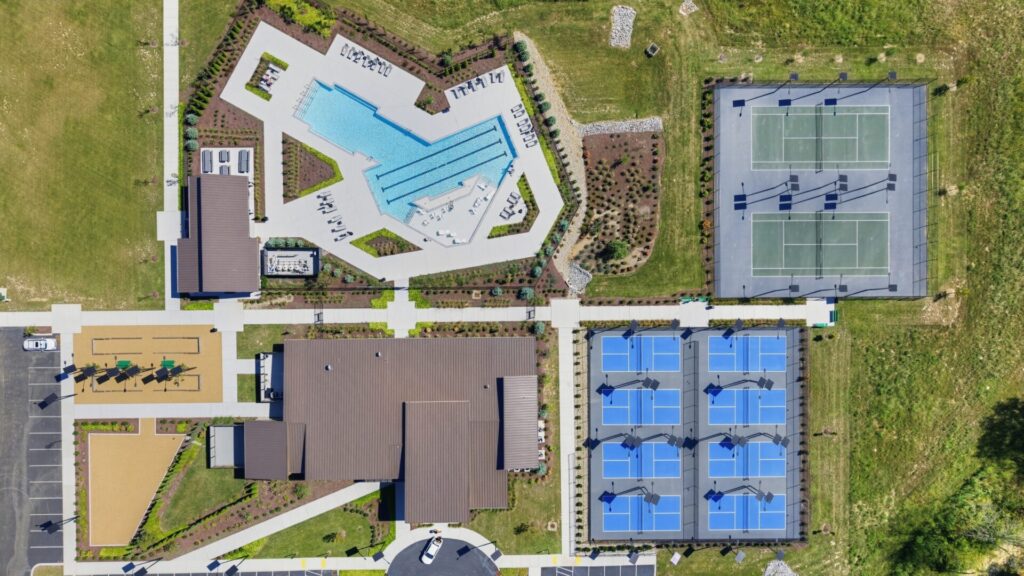
Nexus North and Nexus South operate primarily as HOA-managed suburban communities with neighborhood standards governing landscaping, maintenance and exterior appearance. HOA dues and regulations vary depending on section and property type.
Parking is primarily garage- and driveway-based, with some additional guest parking depending on neighborhood layout and street design.
Residents may occasionally encounter nearby construction activity or evolving infrastructure projects as Gallatin’s broader growth continues expanding throughout the surrounding area.
Daily errands generally involve short drives to nearby retail corridors, though the neighborhoods’ locations help keep most routines practical and manageable.
The overall trade-off is a newer and highly growth-oriented suburban environment designed around convenience, updated housing and long-term residential expansion within one of Gallatin’s fastest-developing areas.
Explore Gallatin Neighborhoods
Note on imagery: Images marked “AI Generated” are visuals to illustrate the neighborhood homes, atmosphere and architectural style. To protect homeowner privacy, these images are artistic representations and do not depict specific existing properties.