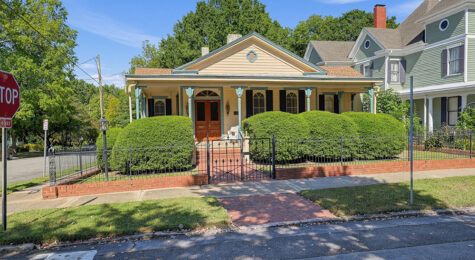
Education in Raleigh, NC: Wake County Schools, Top Universities & Lifelong Learning
Exploring schools and degree programs in Raleigh? Finding the right educational fit is a must for families, students, and professionals considering a move to North Carolina’s capital.
Between the highly regarded Wake County Public School System and nationally recognized universities, Raleigh is home to one of the state’s strongest education ecosystems. College students and career-focused professionals have access to nationally recognized universities, including North Carolina State University, UNC-Chapel Hill and Duke University. From STEM and healthcare to business and the arts, Raleigh’s schools maintain strong connections to the region’s economy and top employers.
Whether you’re enrolling kids in kindergarten or continuing your education later in life, Raleigh offers outstanding opportunities at every stage. Explore the options below to find the right fit.
Key Education Providers at a Glance
| Institution | Type | Students / Scale | Highlight |
| Wake County Public School System (WCPSS) | Public K-12 | 161,000+ students / 200+ schools | Nationally recognized district with magnet, early college, and career pathways |
| North Carolina State University | Public University | 40,500+ students | Research 1 university with nationally ranked engineering, veterinary medicine, and agriculture programs |
| Wake Technical Community College | Community College | 70,000 adults educated annually | Affordable workforce training with strong healthcare, EMS, nursing, and skilled trades pathways |
| Johnston Community College | Community College | 13,000+ students annually | Career-focused education with standout nursing, CDL, and workforce development programs |
| University of North Carolina at Chapel Hill | Public University | 34,000+ students | Research 1 university and renowned for public health, pharmacy, medicine, and research excellence |
| Duke University | Private University | 16,000+ students | Research 1 university, globally recognized for medicine, engineering, business and groundbreaking research |
K-12 Options: Public & Private Schools
For families relocating with children, finding the right school is often one of the biggest factors in choosing where to live. In Raleigh, parents have access to a wide selection of public, charter, magnet, and private schools, making it easy to find an educational environment that fits their needs.
Public: Wake County Public School System
The Wake County Public School System (WCPSS) is one of the 15 largest districts in the United States, serving over 161,000 students across more than 200 schools. The 4-year graduation rate of over 90% exceeds the national average, and WCPSS aims to reach 98% by 2028.
The district is on the cutting edge of education initiatives across grade levels. The WCPSS’s WAKE Up and Read coalition includes more than 30 organizations dedicated to helping every child read proficiently by the end of third grade through school readiness, elementary learning support, and family engagement. Wake County Schools also facilitate cooperative education, internships, apprenticeships, or short-term work experiences for middle and high school students, providing real-world preparation for their future careers.
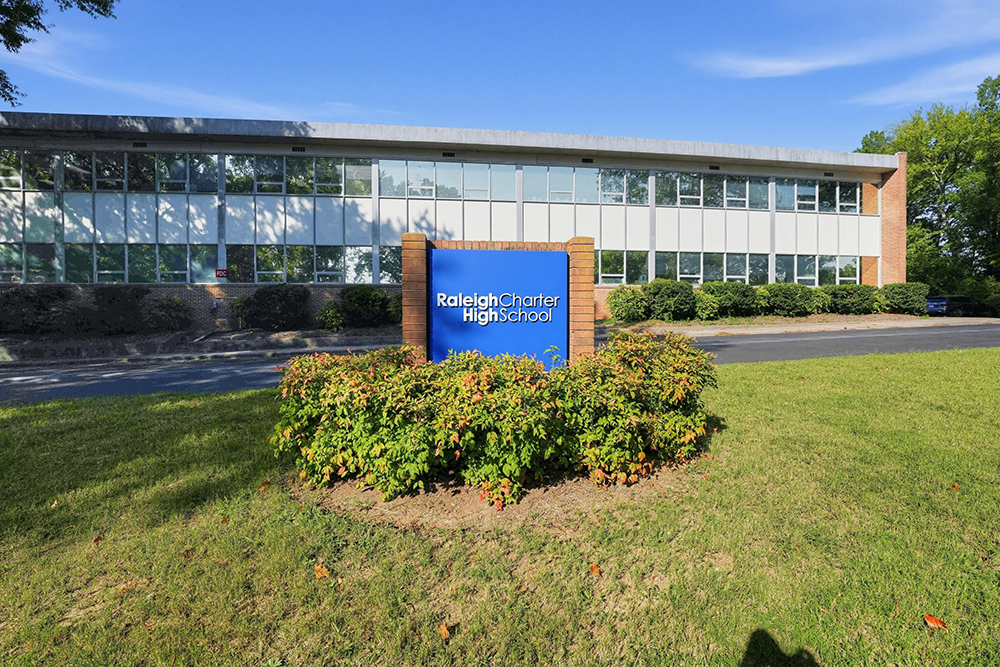
- Raleigh Charter High School: Recognized as one of the best high schools in the country, the AP Exam Pass Rate is over 93%, and students are challenged academically.
- Green Level High School: Athletics and academics play important roles at Green Level, enabling students to compete at a high level across disciplines.
- Wake Early College of Health & Sciences: This public magnet school serves grades 9-13 and allows students to earn their diploma and an associate’s degree at the same time.
Private Institutions
If you prefer a private school environment, Raleigh has a wide selection of established independent and faith-based schools known for rigorous academics, strong college-preparatory programs, diverse extracurricular opportunities and smaller class sizes.
Standout private options include:
- Cary Academy: Serving students in grades 6-12, the academy is widely recognized for its innovative, college-preparatory curriculum that emphasizes discovery and collaboration in STEM and humanities.
- Durham Academy: The Pre-K-12 school is consistently ranked among North Carolina’s top private schools for its rigorous academics, exceptional college preparation and dedicated faculty.
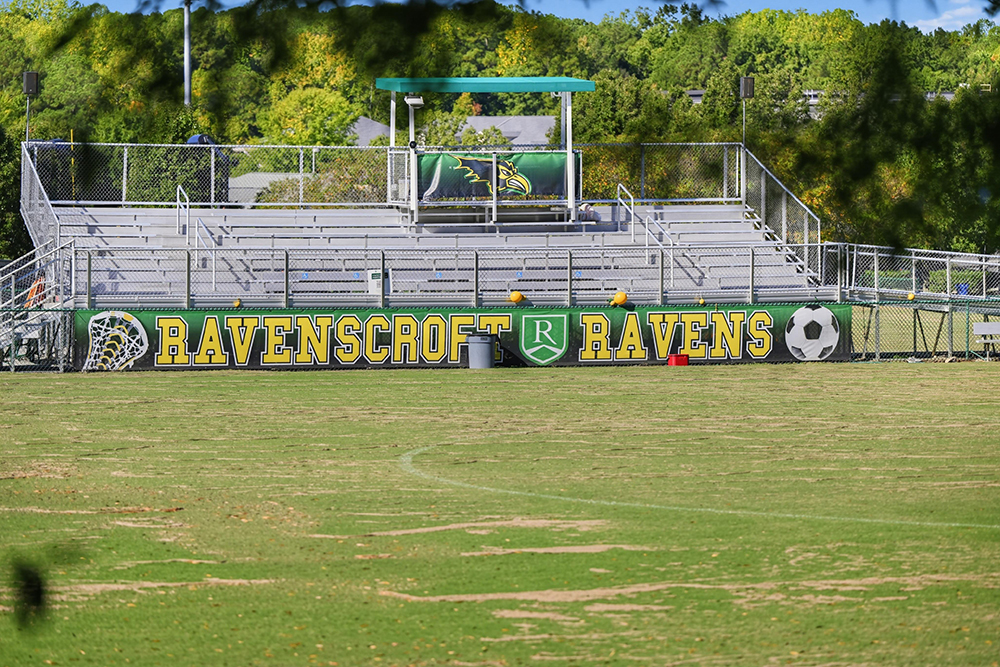
- Ravenscroft School: Serving Pre-K-12th on a 135-acre campus, Ravenscroft prepares confident, well-rounded student leaders with its “Lead From Here” leadership program, developing critical thinking alongside college preparation.
Higher Education
Raleigh is a higher education hub with over 10 recognized colleges operating across the Triangle; however, NC State, UNC-Chapel Hill, and Duke University are the three Research 1 (R1) universities that define the Triangle. These institutions spend at least $50 million on R&D and award at least 70 research doctorates.
The universities are located near Research Triangle Park, making the Raleigh–Durham–Cary, NC Combined Statistical Area a high-innovation, high-tech hub.
North Carolina State University
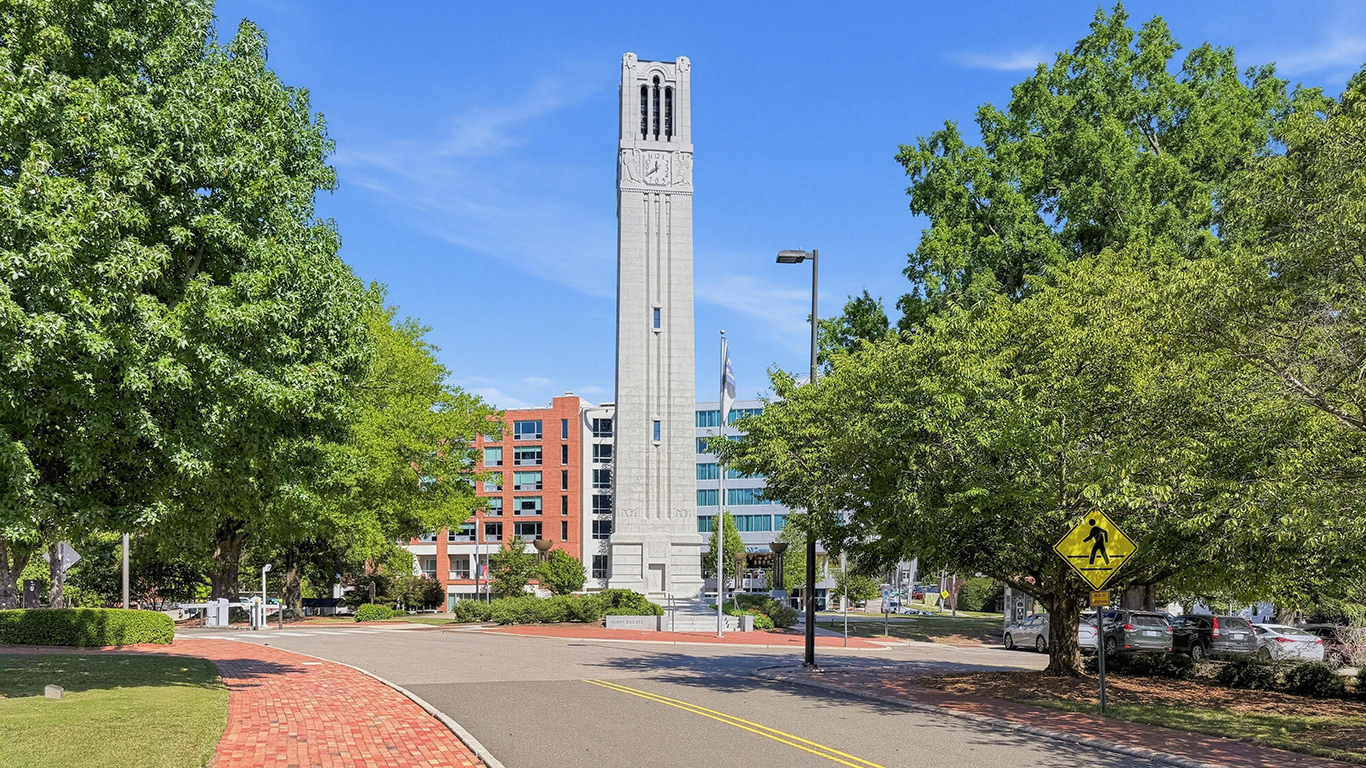
Founded in 1887, North Carolina State University, known as NC State, is a public R1 and land-grant university ranked in the top 1% worldwide. It’s North Carolina’s largest university, enrolling more than 40,500 students across 12 colleges. The D1 school is also highly competitive athletically.
For families relocating to Raleigh, NC State offers far more than a college destination. The university provides opportunities for high school students through outreach and dual-enrollment programs, drives partnerships with local employers across the Research Triangle, and enriches the city with Division I Wolfpack athletics, performing arts, public lectures, museums, and year-round cultural events.
Standout Degree Pathways: NC State
NC State offers 300 degree programs across 68 departments, with several nationally ranked programs available both online and in person.
- Master of Arts in Teaching: This is the best master’s degree in education in the entire state. There are 10 content areas, ranging from Science Education to Special Education, and the program is offered 100% online.
- The College of Veterinary Medicine: The college is one of the best in the nation and contributes to global veterinary research across its 3 departments: Clinical Sciences, Molecular Biomedical Sciences, and Population Health and Pathobiology. Students gain experience in the 24/7 on-campus Veterinary Hospital, treating over 30,000 animals every year.
- The Master of Science in Biological and Agricultural Engineering: This leading national degree prepares students for high-level biological engineering research across 7 specializations.
UNC-Chapel Hill
UNC-Chapel Hill is the nation’s first public university. The institution now educates over 22,000 undergraduate students and 12,000 graduate/professional studies students. The Division 1 school competes in 28 intercollegiate sports and has won over 100 national championships. The 760-acre Chapel Hill campus is a short 30-minute drive from downtown Raleigh, providing residents with quick access to premier educational, research and athletic opportunities.
Standout Degree Pathways: UNC-Chapel Hill
Coined a ‘public ivy,’ UNC-Chapel Hill is dedicated to research and innovative educational practices across its programs.
- The Gillings School of Global Public Health: The Gillings School ranks among the top two public health schools in the nation, offering more than 50 academic programs and significant research opportunities. Students work across the state and in over 35 countries.
- The School of Data and Information Sciences: These library and information science programs are ranked third in the nation, and prioritize ethical research across 10 degrees.
- The Eshelman School of Pharmacy: UNC maintains the best school of pharmacy in the country, preparing students to advance pharmacy and pharmaceutical sciences while driving innovation from drug discovery to clinical practice.
Duke University
Duke University’s Durham campus is a 30-minute drive from downtown Raleigh, and educates around 6,400 undergraduates and 10,200 graduate and professional students. Duke is a highly competitive academic institution, a Division I athletic school, and a well-regarded R1 university. The school spent over $1.5 billion on research in 2024 and maintains a consistent level of research investment.
Standout Degree Pathways: Duke
Duke is highly regarded across disciplines, but these are the programs that contribute most to global research and produce the most professionals.
- Biomedical Sciences, Medicine & Nursing: Duke is internationally recognized for its integrated health sciences ecosystem, in which the School of Medicine, the School of Nursing, and the Duke University Health System work together to integrate patient care, clinical training, and groundbreaking research. Students benefit from access to one of the nation’s leading academic medical centers and more than 200 outpatient clinics.
- The Pratt School of Engineering: This school consistently ranks among the nation’s top engineering schools and offers nationally respected programs in biomedical, mechanical, civil, electrical, environmental and computer engineering.
- Duke’s Nicholas School of the Environment: Students have exceptional access to hands-on research through the 7,000-acre Duke Forest and the Duke Marine Laboratory in Beaufort. Students conduct fieldwork in diverse ecosystems and contribute to global research.
- The Fuqua School of Business and Sanford School of Public Policy: Duke provides extensive international partnerships, including campuses in Singapore and China, and more than 75% of students participate in service-learning experiences that connect classroom knowledge with community impact.
Career Pathways & Technical Training
A traditional 4-year degree isn’t the only option in Raleigh. There are plenty of technical career pathways and alternative educational options that put students on the path to success. These schools educate residents aged 18 to 81, providing an opportunity for learners looking to start their careers or switch careers.
Wake Technical Community College
This public community college provides over 250 associate degrees, diplomas, and certificates across 13 fields at a fraction of the cost of a traditional 4-year school. Wake Tech operates across seven campuses, along with comprehensive online education. The college also partners with Wake County Public Schools to provide continuing education programs to high schoolers.
- Emergency Medical Science & Paramedic Training: Wake Tech educated most of North Carolina’s EMTs through its highly regarded Emergency Medical Science program. Students train with advanced simulation technology and realistic emergency scenarios.
- The Martha Mann Smith School of Nursing: Students can earn an Associate Degree in Nursing and qualify to take the NCLEX-RN licensure exam, while licensed practical nurses can advance their careers through an accelerated Advanced Placement pathway.
Johnston Community College
The college is a short 30-minute drive from Raleigh and serves more than 13,000 students through college transfer, career, technical and continuing education programs. Johnston Community College (JCC) has a 175-acre main campus, additional learning centers throughout Johnston County, and maintains the 2,800-acre Howell Woods Environmental Learning Center.
JCC offers more than 35 career-focused programs and dozens of continued learning non-credit courses.
- The North Carolina Truck Driver Training School: The state’s oldest truck driver training program prepares students for a new career in 8 weeks. Students earn an FMCSA Entry-Level Driver Training Certificate and take the North Carolina Class A CDL skills test onsite.
- Associate Degree Nursing (ADN): The ACEN-accredited ADN program combines classroom instruction with hands-on clinical training in modern healthcare settings. The program has a 100% first-time NCLEX pass rate and 100% job placement within six months of graduation.
Adult Education & Lifelong Learning
Learning doesn’t stop after graduation or retirement. Lifelong learners choose Raleigh for its mild climate, cultural amenities, and opportunities for personal growth. City of Oaks residents hop from university-sponsored lectures and lifelong learning programs to museums, libraries, community classes, and volunteer organizations.
NC State Continuing and Lifelong Education
This arm of NC State is committed to professional development and continuing education for adults across the state. There are dozens of programs and classes across the following concentrations.
- Artificial Intelligence
- Business and Finance
- Construction Management and Engineering
- Leadership
- Legal Studies
- Project Management
- Science and Technology
- Sports and Recreation
Classes are designed for adults looking to learn another life or professional skill. The programs also train professionals in new career skills or prepare workers for a career shift. A highlight is the Osher Lifelong Learning Institute, which offers non-credit courses and enrichment programs designed specifically for adults age 50 and older in the Triangle region. Osher programs range from group trips abroad to a single class to six-week courses.
North Carolina’s Community College Tuition Waiver for Seniors
North Carolina residents age 65 and older receive a waiver of tuition and registration fees for up to six credit hours per academic semester at community colleges across the state.
The waiver can be used to explore new interests or work toward a certificate or degree at institutions such as Wake Tech and Johnston Community College. Students remain responsible for expenses like textbooks and other course-related costs, but eliminating tuition and registration fees makes continuing education an affordable way to stay intellectually engaged and connected to the community.
Map of Education in Raleigh
Pairing School Zones with Neighborhood Scouting
Your neighborhood doesn’t just impact your school zoning. Residents need a neighborhood that meets all their needs, from walkability to downtown access to amenities. It’s important to shop for a neighborhood that properly fits living and schooling requirements.
Consider the Commute
There are plenty of Raleigh residential zones that offer the ideal mix of livability and access to education.
- Five Points: This near-downtown collection of neighborhoods is historic, walkable and surrounded by easy-to-access transportation corridors, including Wade Avenue. Five Points is right by the highly-rated Raleigh Charter High School.
- Brier Creek: This Cluster Unit Development has diverse living options and is perfectly situated between Duke University and North Carolina State University.
- North Hills: This green, redeveloped neighborhood offers a quick downtown commute and is within a popular school-zoning corridor.
Plan Your Educational Scouting Trip
The best way to determine whether a Raleigh school assignment is the right fit for your family is to experience it firsthand. While you’re touring homes, drive the neighborhood during morning drop-off or afternoon dismissal to get a feel for traffic patterns, school arrival routines, bus activity and the overall rhythm of the community.
Ready to find a Raleigh neighborhood that checks every box on your school wish list?