

Hayes Barton, Raleigh, NC: Historic, Luxury Homes and Community Spirit
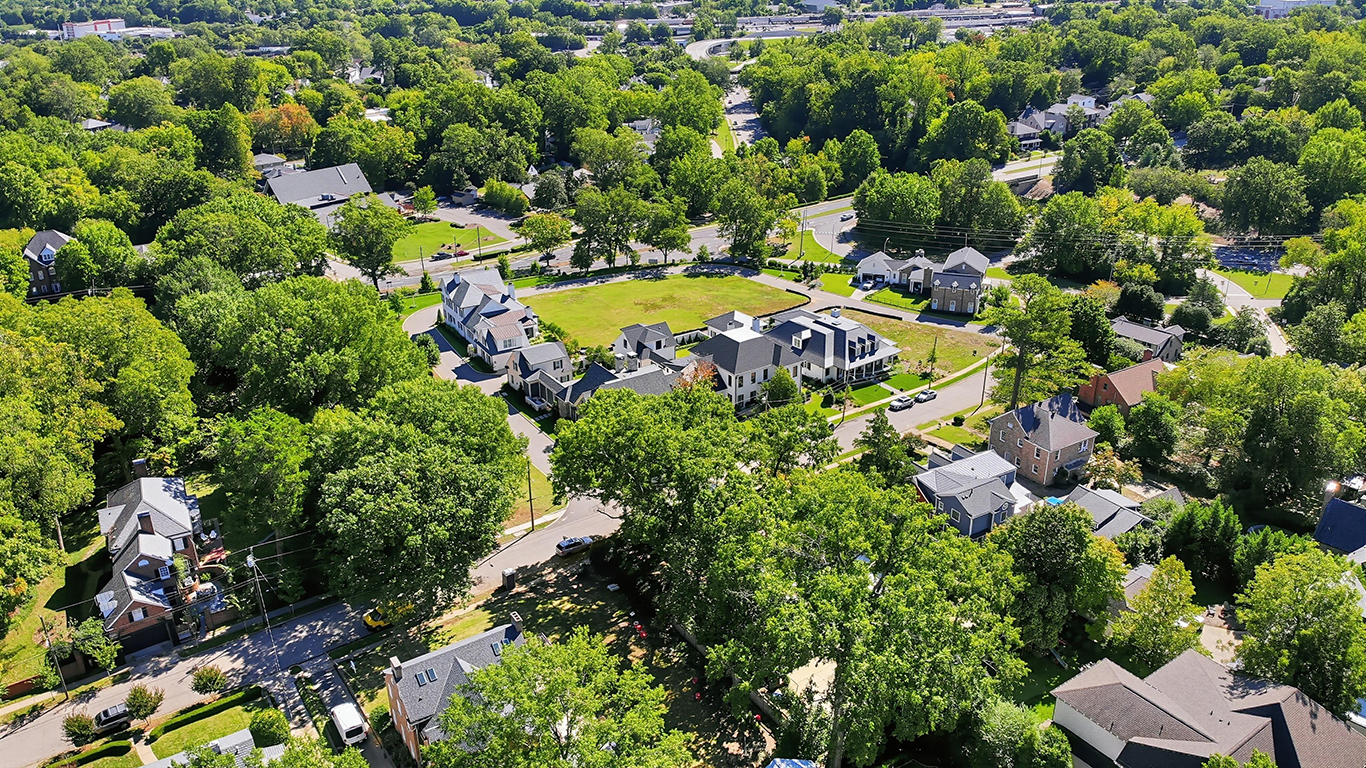
Over 457 historic buildings span 1,750 acres, making up the Hayes Barton Historic District. The architecturally significant estates are surrounded by sprawling gardens and a dense tree canopy, giving residents the feeling of living in a country garden.
The neighborhood is a short drive to downtown and is part of the Five Points Historic Neighborhoods, continuing Hayes Barton’s distinct historical character beyond its borders.
Overall Vibe & Lifestyle
Hayes Barton is a beautiful, peaceful neighborhood with an involved and consistent community. Residents live here for decades, raising children, volunteering in the city and taking time to get to know their neighbors.
Locals drive downtown for a busy night out and come back for a relaxing walk, admiring how the lightning bugs dance through the forested neighborhood streets.
Safety & Walkability
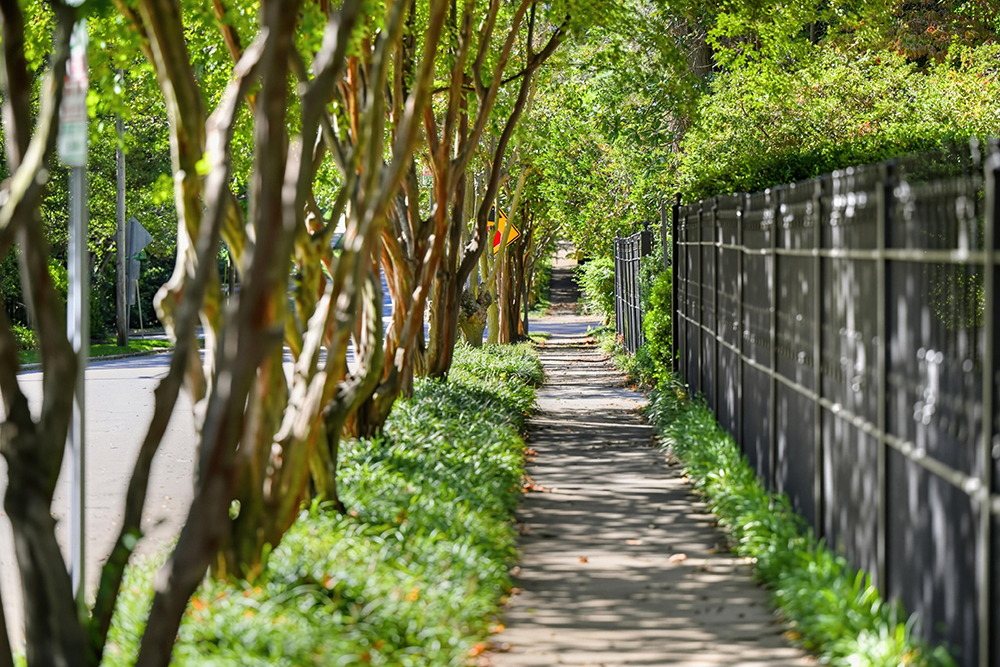
Walking through Hayes Barton feels like a walk through a large, winding garden. There are maintained sidewalks and pocket parks throughout the neighborhood where birds sing and dogs sniff freely.
Residents can easily walk to the other Five Points neighborhoods via crosswalks and sidewalks that blanket the area. The entire community experiences very little crime.
Natural & Built Environment
Hayes Barton was designed by American landscape architect Earle Sumner Draper, who followed the natural Raleigh terrain rather than reshaping it. Curving roads line landscaped medians overflowing with sturdy trees, then generous setbacks and large homesites create the neighborhood’s estate-like character, with some of the finest homes surrounding its small parks.
There are no major parks within the neighborhood, but Jaycee Park is a short walk away, complete with a modern park, daylily garden, dog run, tennis courts and more.
Design & Architecture
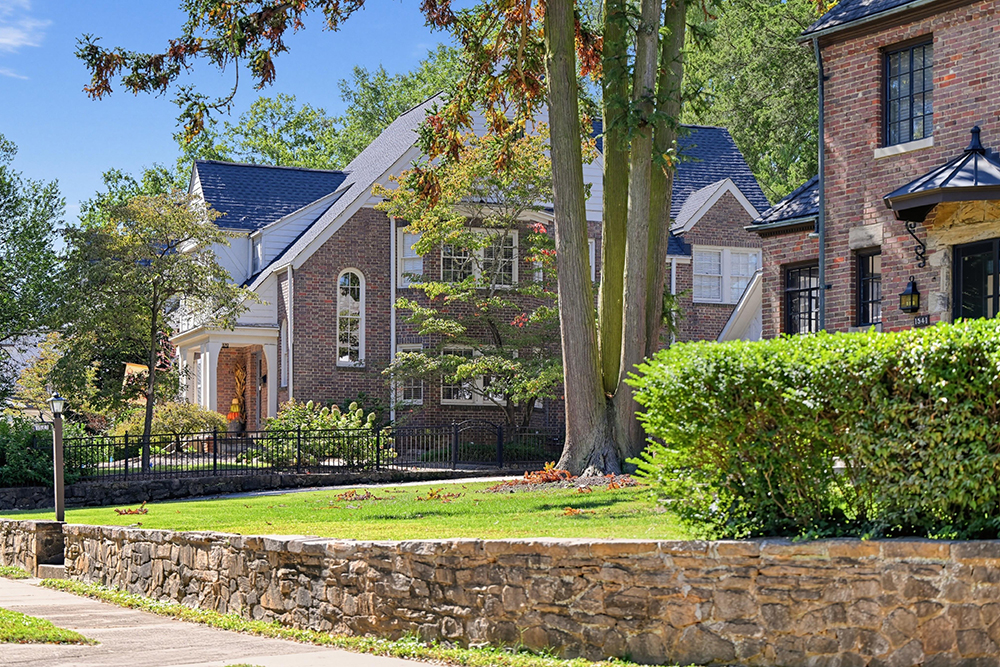
Georgian Revival, Colonial Revival, Tudor Revival, and Dutch Colonial Revival homes line the neighborhood streets, many designed by prominent early-1900s architects. East of Glenwood Avenue, Craftsman Foursquares and bungalows are more common, adding another layer of architectural character.
There are a handful of more unique residences, including Spanish Eclectic designs such as the historic “Alhambra” mail-order home. The varied architecture creates a timeless, estate-like atmosphere.
Housing at a Glance
| Metric | Description |
|---|---|
| Age | Most homes were built between the 1910s and 1940s, though the neighborhood includes newer residences completed as recently as the 2010s. |
| Type | Predominantly single-family detached homes on established residential streets. |
| Styles | Hayes Barton features a diverse collection of historic architectural styles, including Colonial Revival, Georgian Revival, Tudor Revival, Dutch Colonial Revival, and Craftsman, all reflective of Raleigh’s early suburban development. |
| Size & Layout | Larger than average homes, approximately 3,500 square feet. Many properties feature multiple stories, spacious floor plans, 3-5+ bedrooms, and well-landscaped lots. |
| Unique Features | Designed by landscape architect Earle Sumner Draper, the neighborhood follows the area’s natural topography rather than a rigid street grid. Tree-lined streets, wrought-iron fencing, custom architecture, and proximity to downtown Raleigh contribute to its distinctive character. |
| Real Estate Market | Competitive and regionally expensive. The median home sale price is approximately $1.48 million, with homes commonly ranging from around $550,000 to more than $4 million. |
Real Estate Snapshot
Limited inventory and strong demand continue to support high property values, with only a handful of homes typically available for sale. Many homes remain in families for generations, contributing to the neighborhood’s low turnover and competitive market.
Combined with highly rated nearby schools, walkable amenities, and mature tree-lined streets, Hayes Barton is often viewed as a long-term investment for buyers seeking one of Raleigh’s most established residential communities.
Amenities & Local Conveniences
The central location means Hayes Barton residents are surrounded by opportunities for good eats and quality time.
- Parks and Recreation: The Fred Fletcher Park is a short walk or bike north of Hayes Barton, giving residents quick access to a sand-covered playground, walking trails through maintained wetlands, and more.
- Entertainment: Locals enjoy concerts, candlelight performances, and movies at the Rialto, a 1942-era theater off US-70.
- Shopping and Dining: Walk to Hayes Barton Café & Dessertery for classic American fare, or to Idle Hour Coffee Roasters for welcoming baristas and excellent desserts. The closest Harris Teeter is only a short drive down Daniels Street in the Village District outdoor shopping mall.
- Community Events: Hayes Barton celebrates major events like the Centennial Celebration, but annual events focus on the broader community, including the Fall for Five Points Festival, a street celebration featuring vendors, artists and performers.
Schools & Education
Hayes Barton is served by the Wake County Public School System, the largest school district in North Carolina and one of the highest-performing districts in the state. Most homes in the neighborhood are zoned for Lacy Elementary School or Root Elementary School. Then students typically continue to Oberlin Middle School before attending Broughton High School. As with any public school assignment, attendance zones can vary by address and should be confirmed directly with Wake County Public Schools.
Families seeking specialized educational opportunities also benefit from proximity to Wake Young Women’s Leadership Academy and Wake Young Men’s Leadership Academy, two highly regarded public magnet schools. The private 9-12 Episcopal, all-girls boarding school, Saint Mary’s School, is one of the top-rated institutions in North Carolina and is a short drive south of Hayes Barton.
Commuting & Location
Hayes Barton is sandwiched between two bus routes, Six Forks and Falls of Neuse, connecting residents to downtown and far-north Raleigh. The vast majority of the neighborhood uses a vehicle to get around, only occasionally using the bus system to get downtown for special festivals and events.
Since Hayes Barton is inside the Beltline, I-440, and bordered to the east by US-70, it’s easy to get around by car.
| Destination | Drive Time (Approximate, Non-Peak) |
|---|---|
| Downtown Raleigh | 6 minutes |
| Raleigh-Durham International Airport | 16-22 minutes |
| Lenovo Center | 12 minutes |
| North Carolina State University | 7 minutes |
| North Carolina Museum of Art | 7-12 minutes |
Hayes Barton Neighborhood Map
Quirks & Perks
The section east of Glenwood Avenue is generally more modest and less reflective of the neighborhood’s architect, Draper’s, original design vision. These homes are slightly less expensive than the rest of the neighborhood, but still priced over $1 million.
Over a dozen luxury townhomes are planned for construction in the south end of Hayes Barton. The Downs development will bring much-anticipated housing stock at a cost of around $2 million.
Neighborhood Logistics
Off-market sales are not uncommon, and homes don’t remain on the market for long. Purchasing is highly competitive, which can make it difficult to join the neighborhood. There is no HOA or controlling neighborhood body. Property taxes reflect the value of the neighborhood and the size of the home.
With its historic estates, enduring community spirit, and unrivaled location near downtown Raleigh, Hayes Barton remains one of the city’s most prestigious and sought-after neighborhoods for those seeking timeless character and long-term appeal.
Note on imagery: We use AI-generated visuals to illustrate the neighborhood’s atmosphere and architectural style. To protect homeowner privacy, these images are artistic representations and do not depict specific existing properties.
Explore Raleigh Neighborhoods
Note on imagery: Images marked “AI Generated” are visuals to illustrate the neighborhood homes, atmosphere and architectural style. To protect homeowner privacy, these images are artistic representations and do not depict specific existing properties.