

Village District, Raleigh, NC: Mid-Century Homes and Urban Convenience
North Carolina’s first planned mixed-use development won planning awards when it was first constructed and now represents the peak of mid-century Ranch architecture. Village District, formally Cameron Village, is walkable and well-located near downtown, the Village shops and North Carolina State University.
This suburban enclave in the heart of urban Raleigh, North Carolina, is all curving streets and friendly neighbors, with little inner-neighborhood commerce yet plenty of pedestrian traffic.
Overall Vibe & Lifestyle
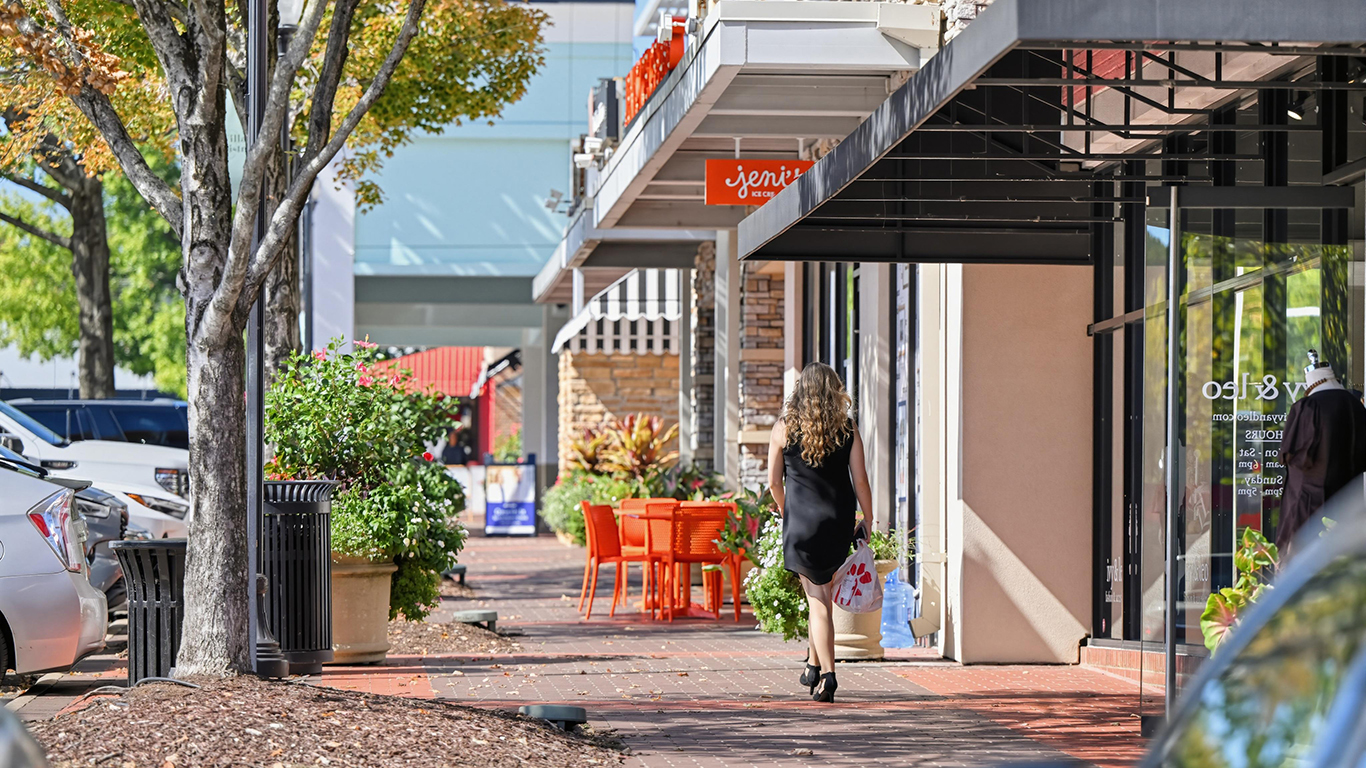
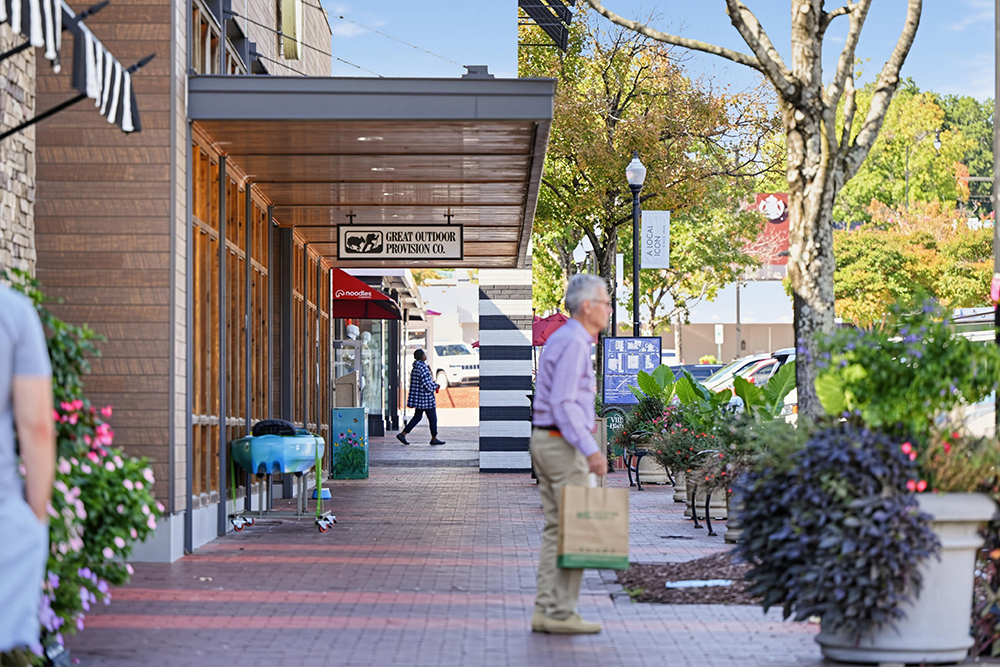
Residents walk to amenities and shops in the Village District, including the Oberlin Regional Library and a range of national and local restaurants. The smaller number of garden apartments and multifamily homes means the neighborhood is constantly being refreshed, while longtime homeowners contribute to the settled, stable atmosphere.
Locals here are active in their community and regularly visit downtown for events and cultural experiences.
Safety & Walkability
With the exception of Daniels Street, there are no sidewalks in the Village District. Instead, wide, curving roads force low traffic speeds and provide plenty of space to walk and bike. There are no bike lanes within the neighborhood, but demarcated lanes, sidepaths and sharrows exist on the surrounding streets of Oberlin Road, Cameron Street and Saint Mary Street.
This area of Raleigh is peaceful with very low incident rates.
Natural & Built Environment
There are no greenways within the compact neighborhood, but the 5-mile paved Reedy Creek Trail is a 4-minute drive south. Fred Fletcher Park is a short walk away, providing residents with a wetland garden, basketball and tennis courts, a sand playground, walking trails and more.
Setbacks are a minimum of 30 feet, with a minimum 10-foot side yard, creating deep grassy yards with ample space for trees and landscaping.
Design & Architecture
The Village District is defined by its cohesive collection of well-preserved post-World War II homes, with most residences built in the 1950s. Ranch-style homes dominate the streetscape, featuring low-pitched hipped or side-gabled roofs, prominent brick chimneys, wide roof overhangs and a mix of brick, wood and stone exterior materials.
Many homes were built from architect- or builder-designed plans, creating a cohesive appearance while still allowing subtle variations in materials and details. Deep setbacks and attached garages or carports reinforce the neighborhood’s mid-century suburban character. Renovated homes and a limited number of newer custom builds have incorporated modern updates, but nearly 90% of residences adhere to historic design principles.
Housing at a Glance
| Metric | Description |
|---|---|
| Age | Most homes were built between 1945 and 1965. |
| Type | Primarily single-family detached homes, complemented by nearby garden apartments, condos and townhomes, reflecting the neighborhood’s original mixed-use design. |
| Styles | Dominated by mid-century Ranch-style homes with side-gabled or hipped roofs, prominent chimneys, brick and wood exteriors and wide roof overhangs. Renovated mid-century homes and a limited number of newer custom builds add architectural variety. |
| Size & Layout | Most homes are one- to one-and-a-half-story homes with 3-4 bedrooms, attached garages or carports and generous setbacks from the street with frequent deep front lawns and spacious lots. |
| Unique Features | As North Carolina’s first planned mixed-use and first curvilinear subdivision, the Village District features winding streets, cohesive mid-century architecture, established landscaping and easy walking access to shopping and neighborhood amenities. |
| Real Estate Market | Highly sought-after, yet affordable. The median home sale price is approximately $400,000. |
Real Estate Snapshot
The Village District remains one of Raleigh’s most desirable inner Beltline neighborhoods thanks to its historic significance, walkable mixed-use design, and convenient location just northwest of downtown. Extremely limited inventory continues to drive strong buyer demand, with home values rising steadily, typically around 8%, in recent years.
Well-preserved mid-century Ranch homes, thoughtfully renovated properties and residences within the Cameron Village Historic District are especially sought after. Buyers are interested in long-term investments rather than short-term opportunities and find the Village District more affordable than surrounding neighborhoods.
Amenities & Local Conveniences
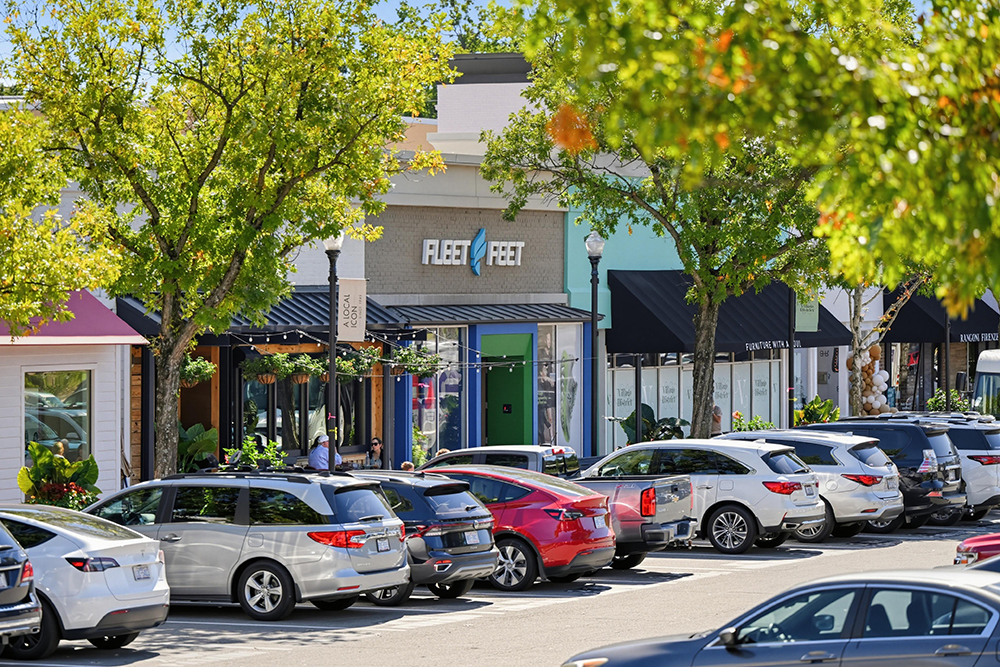
The neighborhood is a walkable, mixed-use environment, with residents enjoying convenient access to everything from locally owned boutiques and national retailers to everyday services.
- Parks and Recreation: In addition to Fred Fletcher Park, the Jaycee Park complex, west of the neighborhood, features multiple playgrounds, outdoor sports courts, a dog run, a daylily garden, and a Community Center.
- Entertainment: The Raleigh Little Theatre is just west of the Village District, offering an intimate performance setting and classes. More art awaits at the nearby Gregg Museum of Art & Design with its rotating exhibitions and community programs.
- Shopping and Dining: The Village District shopping mall maintains over 90 shops, restaurants and amenities. The Cheshire Cat Antique Gallery is a local favorite, and Village Draft House is a longtime community gathering place.
- Community Events: The Village District shopping mall hosts regular events, including the Holiday Open House and the Spring Concours Auto Show. Fred Fletcher Park hosts a Summer Concert Series with rotating artists and food trucks.
Schools & Education
The Village District is served by the Wake County Public School System, the largest public school district in North Carolina. Depending on the home’s location, students are generally zoned for Wiley Elementary School or Olds Elementary School before continuing to Oberlin Middle School and Broughton High School. As with any public school assignment, attendance boundaries can vary by address and should be confirmed directly with the district.
One of Village District’s greatest educational advantages is its proximity to North Carolina State University, which borders the neighborhood. The public land-grant research university enrolls more than 29,000 undergraduate students and provides a range of community education programs.
Commuting & Location
The Village District is bordered by Hillsborough Street and Oberlin Road, with nearby Wade Avenue providing quick connections to the Beltline, I-440, and I-40 for travel throughout the Triangle.
| Destination | Drive Time (Approximate, Non-Peak) |
|---|---|
| Downtown Raleigh | 7-12 minutes |
| Raleigh-Durham International Airport | 12-20 minutes |
| Lenovo Center | 9-14 minutes |
| North Carolina State University | 5 minutes |
| North Carolina Museum of Art | 6-10 minutes |
The Village District is one of its most walkable neighborhoods in Raleigh, but a vehicle is still the most convenient option for commuting beyond the immediate area or traveling throughout the Triangle.
Village District Neighborhood Map
Quirks & Perks
The Village District is close to much of Raleigh’s history, including the nearby Latta University Historic Park, which memorializes the Morgan London Latta family, Latta University and the historically black community.
Parking can be challenging near the neighborhood due to the events at the University and the Village District shopping mall. Residents may be better off biking or walking to events on busy weekends.
Neighborhood Logistics
There is no homeowners’ association in the Village District. Properties designated as contributing resources within the historic district may qualify for both federal and North Carolina historic preservation tax credit programs.
Combining award-winning planning, timeless mid-century architecture and everyday convenience, the Village District continues to set the standard for quality neighborhood living in Raleigh.
Note on imagery: We use AI-generated visuals to illustrate the neighborhood’s atmosphere and architectural style. To protect homeowner privacy, these images are artistic representations and do not depict specific existing properties.
Explore Raleigh Neighborhoods
Note on imagery: Images marked “AI Generated” are visuals to illustrate the neighborhood homes, atmosphere and architectural style. To protect homeowner privacy, these images are artistic representations and do not depict specific existing properties.