
The Rainey-McCullers School of the Arts in Columbus, GA, Blends Education With Individual Authenticity
Columbus may be best known as a military town due to its close proximity to the U.S. Army’s Maneuver Center of Excellence at Fort Benning. And because it’s home to the world’s longest natural urban whitewater course on the scenic Chattahoochee River, it’s also well known for its outdoor beauty.
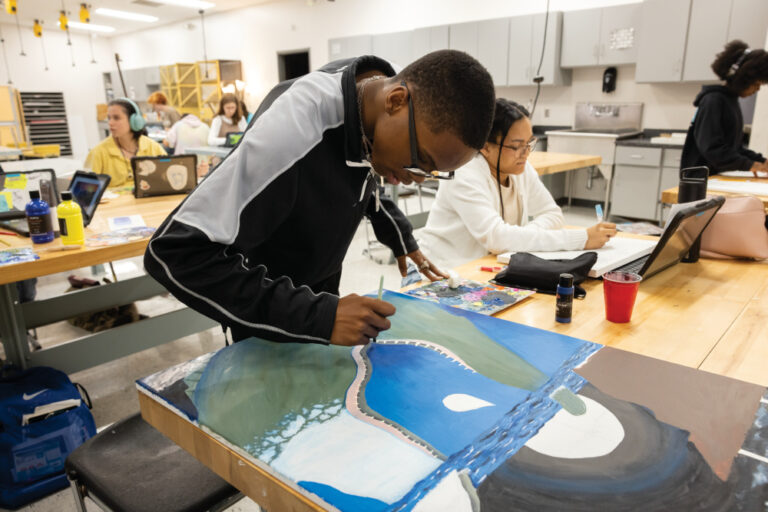
Yet Columbus is also teeming with incredible artistic beauty and talent, most notably exalted and honed daily at the Rainey-McCullers School of the Arts.
Dr. W. Briant Williams is the principal and offers a wealth of insight into how the school upholds the legacies of its namesakes, Columbus natives Ma Rainey and Carson McCullers, for both its students and the city’s broader community of talented creatives.
Blending Creativity and Education
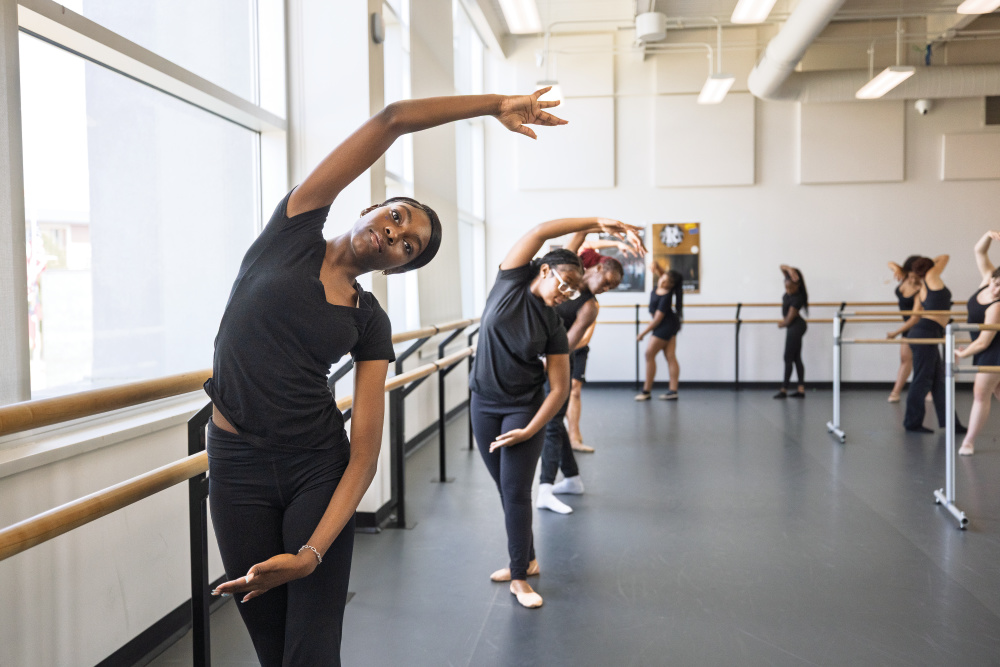
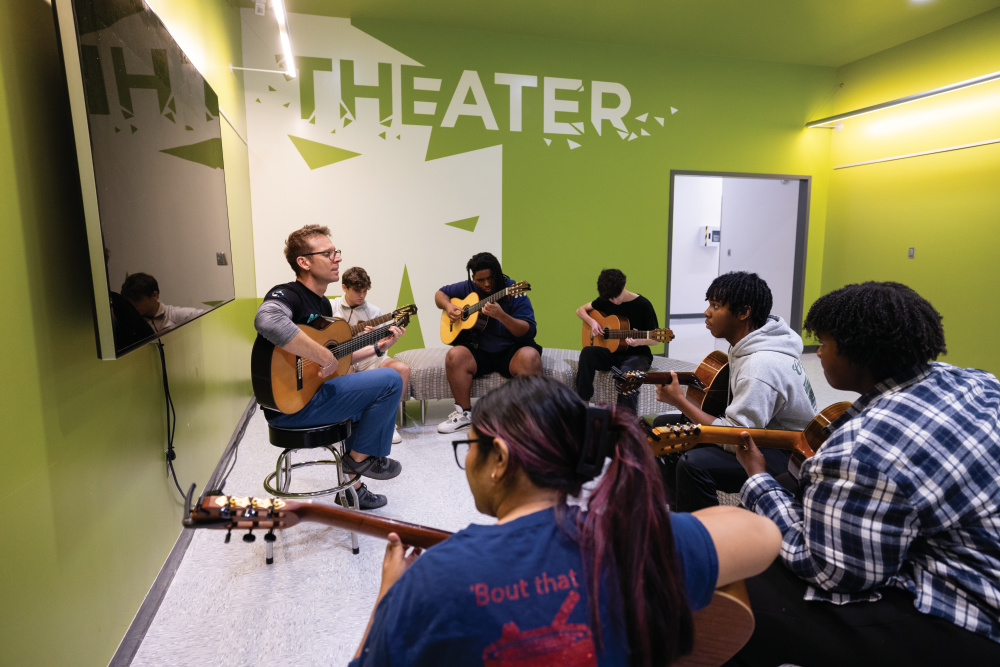
In operation since 2017, the Rainey-McCullers School of the Arts is dedicated not only to bringing quality hands-on arts education to youth in grades 6 to 12, but to maintaining the Columbus area’s vibrant arts scene.
Named for pioneering blues singer Gertrude “Ma” Rainey and influential novelist Carson McCullers, the school offers a public fine arts education in a rigorous and academically challenging environment that Williams says allows students to understand traditional subject matter in a more human and interpersonal way.
“The arts help students and the community experience and see the world in a way that doesn’t necessarily always bounce off the page when they’re studying history or mathematics or science only,” Williams says. “In this way, the information isn’t just impactful, but it helps connect students to the human, the creative and the interpersonal side of learning.”
The benefit of this instruction is clear among all graduates, including those who don’t pursue careers in the arts.
An arts-based education, says Williams, “gives students a vantage point in humanism, perspective and intellectual curiosity that is unique to their own personal experiences in the arts.”
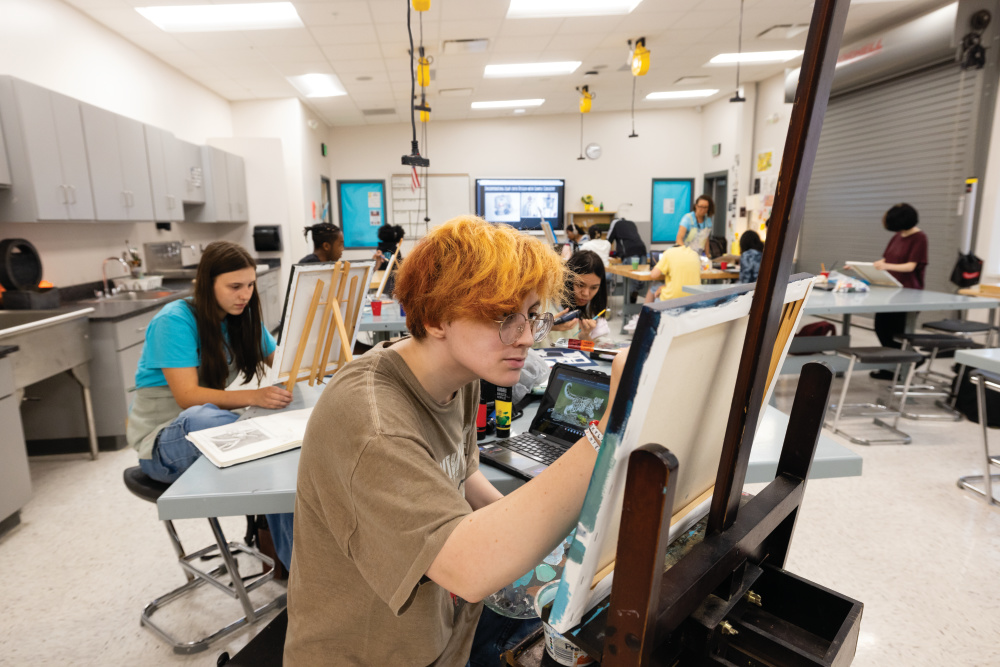
Also, art education helps create a more holistic understanding of subject matter, sharper critical thinking skills, greater conceptual understanding of abstract ideas and enhanced creativity.
Becoming Themselves
Williams notes that, today, graduate and professional level programs are seeing the advantages of broadening the scope of their students’ subject areasof expertise.
Whereas it was commonplace in the past to research and major in obviously related fields, more industries, like medicine and law school, are welcoming professionals from diverse courses of study due to their well-rounded education and skill sets.
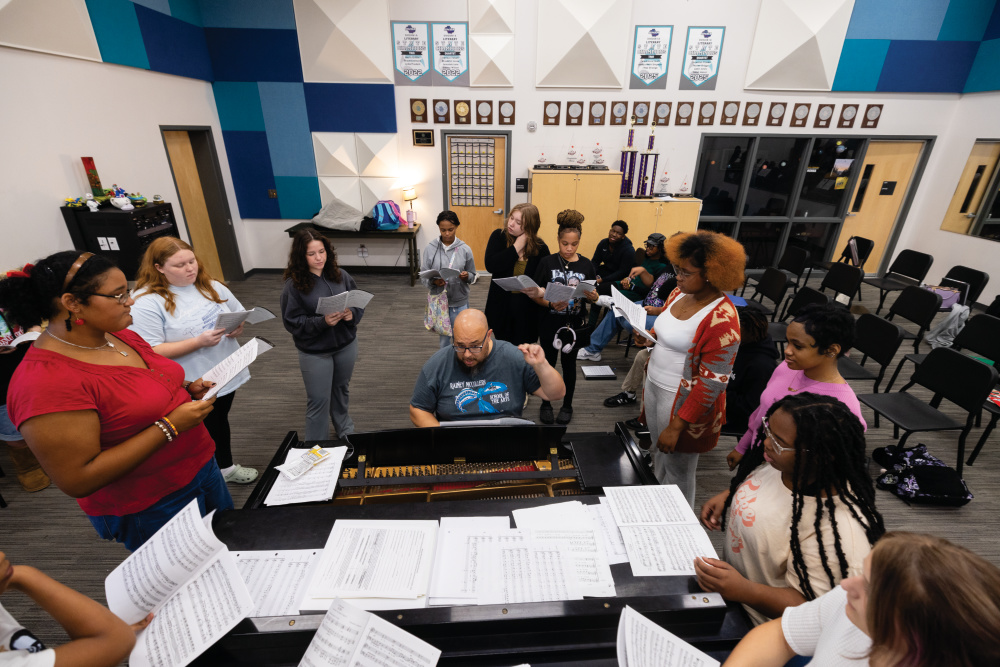
Evidence of this is apparent from some of the school’s own graduates. One student who studied music at Rainey-McCullers went on to get an ROTC scholarship, meeting both the academic and physical criteria, to pursue his dream of military and federal service.
Another studied dance before choosing to major in neuroscience following graduation. Others graduate and decide that college isn’t for them.
“If I can borrow Michelle Obama’s book title, Becoming, seeing students develop in their process of becoming is just phenomenal to me,” Williams says. Whatever they choose to do with their lives, he says “they’re growing artistically and academically and as people.”
Making History
The same sort of growth can also be found in Columbus’ greater artistic community, thanks to the Rainey-McCullers School of the Arts.
Williams says that while it’s important to note the school is only nine years old and still in its early phases of development, it partners with the creative writing program at Columbus State University, and is also involved with poetry and spoken word groups in Columbus.
The goal, he says, is “to grow our program to be a point of intersectionality for the university and for writing programs and poetic expression programs in Columbus.”
While the Columbus area continues to be home to artistic luminaries, the school’s namesakes naturally serve as inspiration for the students. As for how Williams hopes students follow in their footsteps?
“We want them to focus on seeking out their passion and to be their own people and their own individuals in whatever it is that they do and whoever it is that they become,” Williams says. “We want our students to make history and leave an indelible mark on society or the space that they’re in.”
Get to Know Columbus
Want to learn more about living and working in Columbus, GA? Check out the latest edition of Livability Greater Columbus, Georgia.