

Crossroads Arts District, Kansas City, MO: Cultural. Creative. Urban.
The Crossroads Arts District is a vibrant neighborhood located just south of downtown Kansas City, Missouri, generally bounded by Union Station to the south and the central business district to the north. Historically, the area developed in the late 19th and early 20th centuries as a warehouse and manufacturing district tied to Kansas City’s railroad and wholesale industries.
Beginning in the 1980s and 1990s, artists and gallery owners began repurposing vacant warehouses into studios and exhibition spaces, gradually transforming the district into one of the city’s most recognizable cultural centers. Today the Crossroads Arts District blends historic brick buildings, art galleries, creative studios, restaurants, and modern residential developments. The neighborhood has become one of the most active cultural and entertainment districts in Kansas City.
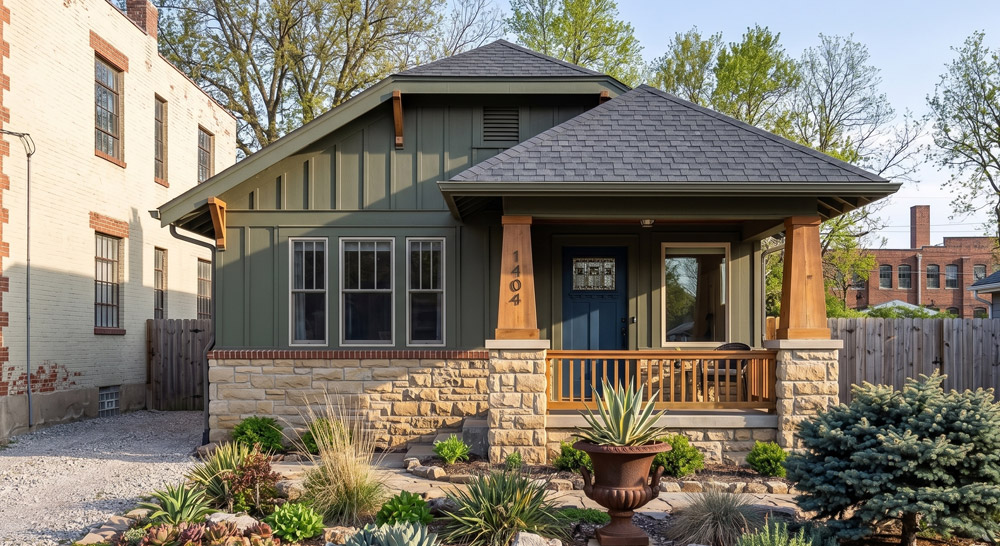
Overall Vibe & Lifestyle
Life in the Crossroads Arts District centers on creativity, nightlife, and walkable urban living. Residents often walk between galleries, restaurants, coffee shops, and music venues located within the district’s compact street grid.
The neighborhood becomes especially lively during First Fridays, a monthly arts event when galleries remain open late and streets fill with artists, food vendors, musicians, and visitors from across the metro area. These events have become one of Kansas City’s most well-known cultural traditions.
Because the district sits between downtown Kansas City and Union Station, residents also benefit from convenient access to employment centers, cultural institutions, and entertainment venues throughout the city center.
Safety & Walkability
The Crossroads Arts District is one of the most walkable neighborhoods in Kansas City. Its compact street grid, sidewalks, and high concentration of businesses allow residents to navigate much of the district on foot.
The KC Streetcar runs along Main Street on the eastern edge of the neighborhood and provides free public transportation between River Market, downtown Kansas City, the Crossroads district, and Union Station. Several streetcar stops are located within walking distance of residential buildings in the area.
Bike lanes and nearby public transportation options further improve accessibility, although many residents still rely on driving for errands outside the district.
Natural & Built Environment
The Crossroads district retains much of its historic industrial architecture. Brick warehouses, manufacturing buildings, and rail-related structures built during the late 1800s and early 1900s remain a defining part of the neighborhood’s streetscape.
Public art plays a major role in the built environment. Murals and installations appear throughout the district, contributing to the neighborhood’s identity as a creative center. Outdoor patios, small plazas, and pedestrian-friendly streets help create an active urban environment.
Nearby outdoor spaces include Washington Square Park near Union Station and the Liberty Memorial grounds, both located within walking distance and offering open green space and skyline views.
Design & Architecture
Architecture in the Crossroads Arts District reflects its industrial past. Many buildings were originally constructed as warehouses and wholesale distribution centers and later converted into creative studios, restaurants, and loft residences.
Historic brick facades, large industrial windows, and exposed interior structures remain common architectural features throughout the district. Many residential buildings feature loft-style units with open floor plans and high ceilings.
In recent years, new apartment buildings and mixed-use developments have been added to accommodate growing demand for housing in the downtown area while maintaining the district’s urban character.
Housing at a Glance
Housing in the Crossroads Arts District is primarily urban and loft-style rather than traditional single-family homes.
| Metric | Description |
|---|---|
| Type | Loft apartments, condominiums, and modern apartment developments. |
| Size & Layout | Studios to multi-bedroom lofts ranging from 600 to 2,000+ square feet. |
| Interior & Exterior Features | Exposed brick, industrial windows, open floor plans. |
Real Estate Snapshot
Demand for housing in the Crossroads Arts District has grown as downtown Kansas City continues to expand and attract new residents.
| Metric | Summary |
|---|---|
| Market Demand | Strong due to central location and cultural amenities. |
| Inventory | Mix of historic loft conversions and new apartment developments. |
| Buyer Profile | Young professionals, artists, and urban lifestyle residents. |
| Pricing Context | Upper tier among Kansas City urban neighborhoods. |
| Investment Pattern | Continued growth linked to downtown revitalization. |
Rental housing remains common in the district, although several buildings also offer condominium ownership opportunities.
Amenities & Local Conveniences
The Crossroads Arts District offers one of the highest concentrations of restaurants, galleries, and entertainment venues in Kansas City. Delaware Street and surrounding blocks form the core of the district’s dining and nightlife scene.
Popular local establishments include Messenger Coffee Co., a multi-level café and bakery known for rooftop seating and in-house roasting, and Town Topic Hamburgers, a historic Kansas City diner that has operated near the district for decades. Restaurants such as Grünauer, which serves Central European cuisine, and The Brick, a neighborhood music venue and bar, draw steady crowds throughout the week.
The district also includes a variety of creative spaces and cultural venues. Numerous art galleries operate throughout the neighborhood, and food halls such as Parlor provide a shared dining space featuring several local restaurant concepts. Together, these businesses contribute to the district’s reputation as one of Kansas City’s most dynamic cultural destinations.
Schools & Education
The Crossroads Arts District falls within the boundaries of Kansas City Public Schools, which provides public education for most addresses within the downtown area. While the neighborhood itself is primarily composed of loft apartments and mixed-use developments, several public and charter school options operate nearby. Schools such as Crossroads Charter Schools and Académie Lafayette, a French immersion charter school, serve students in surrounding neighborhoods. Because school attendance zones and enrollment policies can change, families should confirm current assignments directly with the school district before making housing decisions.
Commuting & Location
The Crossroads Arts District sits in a central location that provides convenient access to many parts of Kansas City.
| Destination | Approximate Drive Time |
|---|---|
| Downtown Kansas City | 5 minutes |
| River Market | 5 minutes |
| Union Station | 5 minutes |
| Country Club Plaza | 10-15 minutes |
| Kansas City International Airport | 20-25 minutes |
The KC Streetcar also provides free public transit connections between the Crossroads district and several other downtown neighborhoods.
Crossroads Neighborhood Map
Quirks & Perks
One of the defining characteristics of the Crossroads Arts District is its creative culture. The neighborhood contains one of the highest concentrations of art galleries in the Midwest and hosts Kansas City’s most prominent monthly arts event.
The district’s mix of historic industrial buildings and modern redevelopment also contributes to its distinctive character. Former warehouses now house restaurants, design studios, music venues, and loft residences, creating an urban environment that reflects both the neighborhood’s past and its evolving role in the city’s cultural life.
Neighborhood Logistics
The Crossroads Arts District functions as a mixed-use neighborhood within Kansas City, Missouri, meaning municipal services such as police, fire protection, and infrastructure maintenance are provided by the city government.
Unlike suburban developments, the district is not governed by a single homeowners association. Individual residential buildings may operate their own condominium associations or property management structures.
Daily errands such as dining, coffee, and entertainment can often be handled within the neighborhood itself. The trade-off is an active urban environment with frequent events and nightlife activity, particularly during First Fridays when the district becomes one of Kansas City’s busiest destinations.
Explore Kansas City Neighborhoods
Note on imagery: Images marked “AI Generated” are visuals to illustrate the neighborhood homes, atmosphere and architectural style. To protect homeowner privacy, these images are artistic representations and do not depict specific existing properties.