

Hyde Park, Kansas City, MO: Historic. Architectural. Centrally Located.
Hyde Park is one of Kansas City, Missouri’s oldest residential neighborhoods, located just south of Midtown near Gillham Road and Armour Boulevard. Development in the area began in the late 1800s as Kansas City expanded outward from its downtown core. The neighborhood quickly became known for its stately homes, landscaped boulevards, and proximity to the city’s growing cultural and commercial districts.
The neighborhood takes its name from Hyde Park, a central green space that has served as a gathering place for residents for more than a century. Today Hyde Park blends historic architecture with a central urban location, offering residents access to parks, cultural institutions, and nearby commercial corridors throughout Midtown Kansas City.
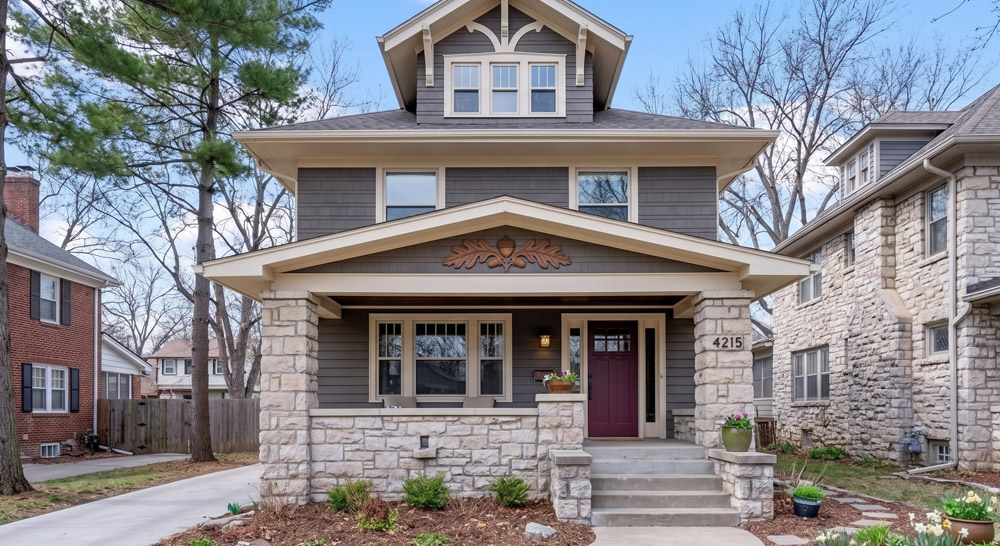
Overall Vibe & Lifestyle
Life in Hyde Park centers on its historic character and central location within Kansas City. Residents are often drawn to the neighborhood for its early 20th-century architecture, mature tree canopy, and proximity to Midtown cultural destinations.
The neighborhood includes a mix of longtime residents, young professionals, and historic home enthusiasts who appreciate the area’s preserved architecture and urban environment. Community organizations and neighborhood gatherings help maintain a strong local identity while supporting preservation efforts throughout the district.
Because Hyde Park sits just minutes from downtown Kansas City, the Crossroads Arts District, and the Country Club Plaza, residents also benefit from convenient access to many of the city’s cultural destinations and employment centers.
Safety & Walkability
Hyde Park features a traditional urban street grid with sidewalks and compact residential blocks that contribute to its walkable character. Many homes sit close to the street with front porches and smaller setbacks, reinforcing the neighborhood’s historic design.
Residents frequently walk within the neighborhood to reach Hyde Park itself as well as nearby businesses along Armour Boulevard and surrounding Midtown corridors. The area’s proximity to major streets such as Gillham Road and Troost Avenue also provides convenient access to public transit and nearby districts.
While the neighborhood offers a relatively walkable environment compared with many parts of Kansas City, most residents still rely on driving for longer commutes and errands across the metro.
Natural & Built Environment
The centerpiece of the neighborhood is Hyde Park, a landscaped green space featuring walking paths, open lawns, and shaded trees. The park frequently hosts community gatherings and neighborhood events while providing a central outdoor space for residents.
Nearby parks also contribute to the neighborhood’s recreational opportunities. Loose Park, located a short drive to the south, offers walking trails, a lake, and one of the largest rose gardens in the Midwest. Additional green space is available at nearby parks throughout Midtown.
The neighborhood’s tree-lined streets and historic boulevards create a distinctive urban landscape that reflects Kansas City’s historic park and boulevard system.
Design & Architecture
Hyde Park is widely recognized for its architectural diversity. Homes in the neighborhood were built primarily between the late 1800s and the 1920s, resulting in a wide range of historic architectural styles that reflect the neighborhood’s early development period.
Residential streets feature a mix of Victorian homes, Colonial Revival houses, Tudor-style residences, and American Foursquare designs, along with early apartment buildings constructed during Kansas City’s period of rapid growth. Many homes retain original architectural details such as decorative woodwork, large porches, and masonry facades that contribute to the neighborhood’s historic character.
Housing at a Glance
Hyde Park offers a mix of historic single-family homes and multi-family residences within an urban residential setting.
| Metric | Description |
|---|---|
| Type | Historic single-family homes, duplexes, and apartment buildings. |
| Size & Layout | Typically 1,200 to 4,000+ square feet depending on property type. |
| Interior & Exterior Features | Historic architectural details, large porches, mature landscaping. |
Real Estate Snapshot
The Hyde Park housing market attracts buyers who appreciate historic homes and central city living.
| Metric | Summary |
|---|---|
| Market Demand | Steady among buyers interested in historic properties. |
| Inventory | Mix of restored homes and renovation opportunities. |
| Buyer Profile | Historic-home enthusiasts, professionals, and investors. |
| Pricing Context | Mid-tier within Kansas City’s historic urban neighborhoods. |
| Investment Pattern | Gradual appreciation as historic homes are restored. |
Many homes in Hyde Park have been renovated while preserving original architectural features such as woodwork, fireplaces, and decorative trim.
Amenities & Local Conveniences
Residents of Hyde Park benefit from access to several nearby dining, cultural, and neighborhood amenities located throughout Midtown Kansas City. Restaurants, cafés, and local businesses line nearby corridors such as Armour Boulevard and Main Street, creating convenient options for everyday dining and errands.
Popular local destinations in the surrounding Midtown area include Succotash, known for its creative breakfast and brunch menu, Anchor Island Coffee, a neighborhood coffee shop serving specialty drinks. Dining options nearby also include El Pueblito, a long-standing Mexican restaurant in Midtown, and Blue Koi Noodles & Dumplings, known for handmade dumplings and Asian comfort dishes.
Cultural destinations are also located within a short drive of the neighborhood. Residents frequently visit the Nelson-Atkins Museum of Art, the National WWI Museum and Memorial, and nearby performing arts venues located throughout Midtown and downtown Kansas City.
Together, these nearby restaurants, cafés, and cultural institutions create a neighborhood environment where everyday conveniences and entertainment options are located within a short distance of Hyde Park.
Schools & Education
Hyde Park is served primarily by Kansas City Public Schools, which provides public education for most addresses within the neighborhood. Students living in the area may attend nearby schools such as Longfellow Elementary School, with additional public and charter school options located throughout Midtown Kansas City.
Charter schools including Académie Lafayette, a French immersion charter school, operate nearby and serve students across multiple grade levels. Private education options are also available in the surrounding area.
Because school attendance zones and enrollment policies may change over time, families should confirm zoning directly with the district before making housing decisions.
Commuting & Location
Hyde Park’s central location makes commuting to many parts of Kansas City relatively convenient.
| Destination | Approximate Drive Time |
|---|---|
| Downtown Kansas City | 10 minutes |
| Crossroads Arts District | 10 minutes |
| Country Club Plaza | 5-10 minutes |
| Union Station | 10 minutes |
| Kansas City International Airport | 25-30 minutes |
Major streets such as Gillham Road, Troost Avenue, and Armour Boulevard connect Hyde Park to nearby districts and employment centers throughout the city.
Map of Things To Do in Hyde Park, Kansas City
Quirks & Perks
One of Hyde Park’s defining characteristics is its architectural variety. Few neighborhoods in Kansas City contain such a wide range of historic homes within a relatively compact area.
The neighborhood’s central park also plays an important role in community life. Hyde Park itself often hosts neighborhood gatherings, outdoor recreation, and seasonal events that help reinforce the area’s strong sense of community.
Together, the combination of historic homes, central green space, and proximity to Midtown cultural institutions gives Hyde Park a distinctive place within Kansas City’s collection of historic neighborhoods.
Neighborhood Logistics
Hyde Park functions as a residential neighborhood within Kansas City, Missouri, meaning municipal services such as police, fire protection, and infrastructure maintenance are provided by the city government.
Unlike many suburban developments, Hyde Park is not governed by a single homeowners association. Instead, neighborhood organizations help coordinate community events and historic preservation efforts.
Daily errands such as dining, coffee, and small retail purchases can often be handled within nearby Midtown corridors. The trade-off is a historic urban neighborhood environment defined by distinctive architecture, mature trees, and a location close to many of Kansas City’s major cultural and entertainment destinations.
Explore Kansas City Neighborhoods
Note on imagery: Images marked “AI Generated” are visuals to illustrate the neighborhood homes, atmosphere and architectural style. To protect homeowner privacy, these images are artistic representations and do not depict specific existing properties.