
How to Best Experience North Dakota’s State Parks

There are 14 state parks in North Dakota, and with lakes, rivers, badlands and historic sites, they make the Peace Garden State an outstanding outdoor destination. Kristin Byram, strategic communications chief for North Dakota Parks & Recreation, gives the scoop on what makes these parks must-visit locations.

Kristin Byram
Strategic Communications Chief
North Dakota Parks & Recreation
Why do North Dakota’s state parks stand out?
What I love most about our parks is how they connect people, whether returning visitors or first-time tourists, with our state’s beauty and history. From the rugged Badlands of the west to the forests and grasslands of the east, every park has its own distinct character. Some highlight our cultural heritage, while others provide unbeatable access to water recreation.
Which North Dakota state parks have some of the most spectacular scenery?
Some top choices include Little Missouri, with its stunning overlooks of the Badlands, Rough Rider, with towering rock formations and rugged terrain, and Fort Ransom, which is a retreat among beautiful woodland scenery. Farther north, Lake Metigoshe is easily one of the most picturesque locations in the state, with its mix of water and wooded terrain, and in the south, Beaver Lake offers colorful sunrises and sunsets over the water.

The parks are divided into four categories – adventure, historic, lake and primitive. Tell us about the adventure category.
Those parks are about exciting outdoor experiences, from navigating the rushing Missouri River by kayak at Cross Ranch to tackling premier OHV trails in Pembina Gorge. This state recreation area features cliffs that tower over prairies and wetlands in the largest continuous, undisturbed forest in North Dakota. Its stunning beauty is simply unmatched. Little Missouri boasts spectacular views, which you can enjoy while exploring the Badlands on horseback. Visitors can truly unplug in this remote, quiet oasis. And Turtle River has 13 miles of trails along the water and within the forested hills. It’s also great for trout fishing.
What sets those in the lake category apart?
Those parks all have stunning waterfront views, excellent fishing and diverse outdoor activities. Grahams Island is located on Devils Lake, North Dakota’s largest natural lake, and it’s a go-to destination for trophy walleye fishing. It also features excellent boating access and modern campsites. Lake Sakakawea and Fort Stevenson are a gateway to one of the largest human-made lakes in the nation. Lewis & Clark has one of the best sandy beaches in the state. Our parks do offer fun watersports, and visitors can give them a try with our rental equipment. Lake Metigoshe stands out for its year-round recreational opportunities, from canoeing and kayaking in the summer to cross-country skiing, snowshoeing and snowmobiling in the winter. The wooded terrain and rustic cabins create an amazing outdoor adventure.
Which state parks in North Dakota would appeal to those interested in history and culture?
The parks that fall under our historic category preserve and bring the rich history of our state to life, offering visitors an opportunity to explore the past through interpretive programs, tours and special events. Fort Abraham Lincoln is our oldest state park, offering a blend of military and Native American history through its tours of the reconstructed Custer House, military blockhouses and the earthlodge village that depicts Mandan life. Fort Ransom allows visitors to experience early homesteading practices and military history. And Icelandic State Park celebrates the heritage of Icelandic immigrants of the late 1800s with several restored historic buildings. Here, the Akra Community Hall and Historic Gingras Trading Post were key sites for early settlers and fur trading.
As for the primitive category, what’s the appeal of these less developed areas?
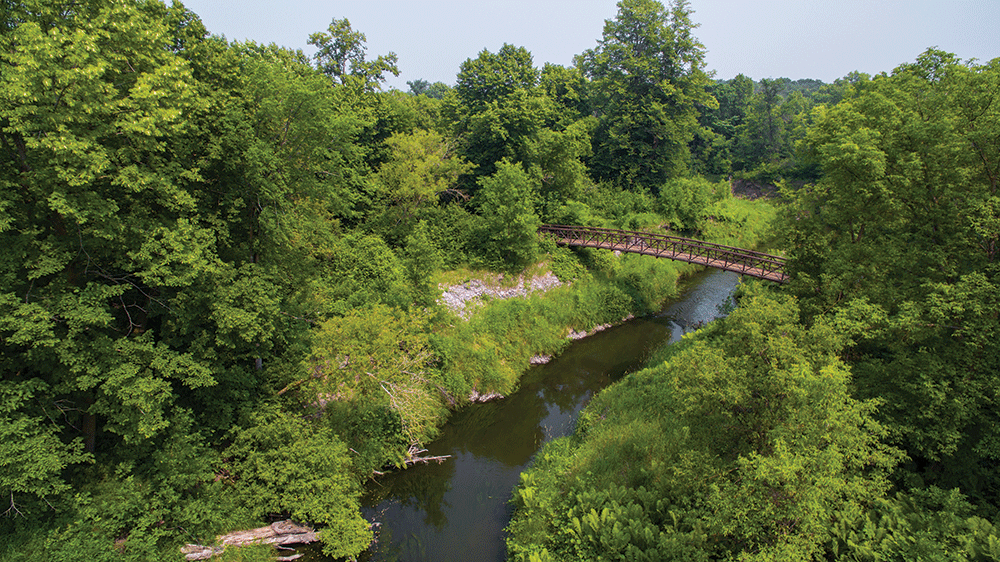
They offer an immersive outdoor experience, perfect for adventurers looking to explore nature in its purest form. Turtle Mountain State Recreation Area has more than 12 miles of motorized trails open to OHVs, hiking, biking, snowshoeing and horseback riding. Gunlogson State Nature Preserve is a prime example of a protected primitive area, featuring untouched forestland, crystal-clear springs and diverse bird species. This preserve has 3 miles of hiking and cross-country skiing trails, so visitors can enjoy the nature preserve all year.

What are the best seasons to visit North Dakota’s state parks?
North Dakota may be known for its extremes, but generally, our climate allows for year-round recreation. Summer is our peak season, so visit our site to make reservations. If you’re eager to catch the first signs of fall, head to our northeast parks – Icelandic, Turtle River, Grahams Island and Pembina Gorge – where leaves begin changing early.
In the southeast, Fort Ransom offers stunning forested landscapes that burst with color. By mid-October, nearly all our parks transform into must-see retreats. And though our winters may be legendary, that doesn’t mean our parks slow down. In fact, they transform into winter wonderlands that are perfect for cold-weather adventures. Many parks offer cozy yurts and heated cabins, making for a warm and scenic getaway. For outdoor enthusiasts, activities like snowshoeing, cross-country skiing, ice skating and ice fishing provide endless fun in the snow.
This article was sponsored by the North Dakota Department of Commerce.