

Made in the Mountains: Why DeKalb County Is a Magnet for Talent
Sponsored by: DeKalb Works, Inc.
DeKalb County, AL, has long been a tourism destination, thanks to its scenic location on Lookout Mountain and seemingly endless outdoor recreation. But with a robust manufacturing and agriculture base, high quality of life, remarkably low cost of living and strong workforce heritage, DeKalb County is also a thriving business cluster with a story that increasingly resonates across the greater Chattanooga, TN, region.
“DeKalb County is a destination for workforce,” says Brett Johnson, executive director of the DeKalb County Economic Development Authority. “It’s a proven place to grow your career, maximize your paycheck, raise a family and live well. People here are ambitious and family-focused, with a strong sense of community still at the center of everything.”
Generations of Know-How
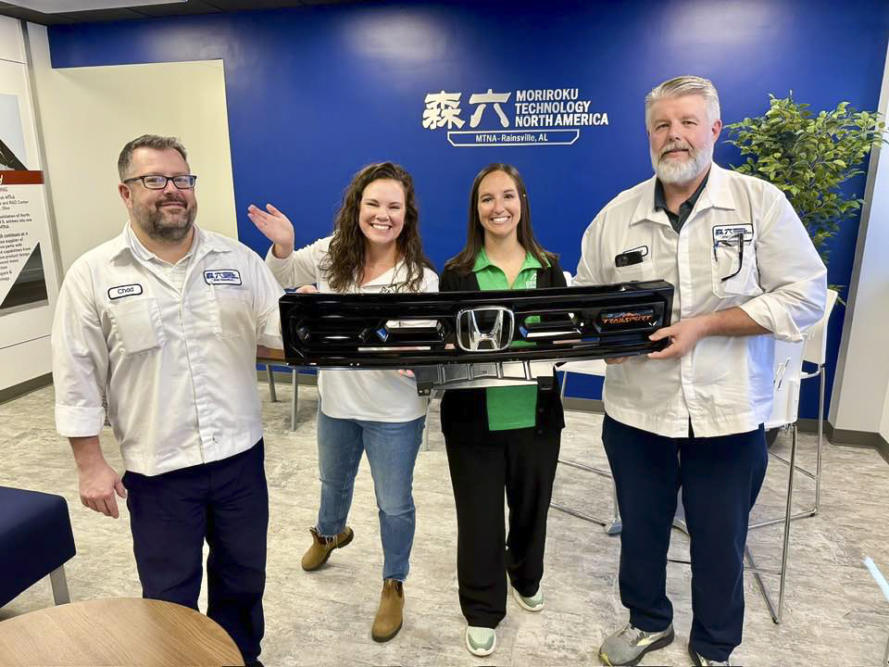
With Fort Payne, AL, as its largest city, DeKalb County encompasses 18 towns and more than 135 industrial companies. Major employers include Heil Environmental, The Children’s Place, PlayCore, Moriroku Technology North America, Plasman and DeKalb Regional Medical Center, among many others.
Employers appreciate DeKalb County’s skilled and hardworking workforce, and much of that strength comes from a manufacturing culture nearly 150 years in the making.
The discovery of iron ore fueled Fort Payne’s boom in the late 1800s, bringing railroads, industry and new residents to the mountains. When that boom faded, many of those families stayed. Local innovators adapted, moving from forging steel to stitching socks.
By the early 1900s, hosiery mills dotted the region, eventually earning Fort Payne recognition as the Sock Capital of the World. For roughly a century, that industry shaped families, skills and communities.
When much of the production moved overseas in the early 2000s, DeKalb County adapted again. Today, local companies produce automotive parts, structural steel, plastics, playground equipment, energy components, food products and much more.
“Almost everyone here had some connection to a hosiery mill or a large farming operation,” Johnson says. “That problem-solving mindset has passed through families. People know how to fix equipment, solve problems and understand how their work contributes to the success of the enterprise.”
That continuity matters. Families who settle here tend to stick around, keeping generations of practical know-how deeply rooted in the community.
Build a Career. Live Well.
Public schools rank among the top performers in the state, and Northeast Alabama Community College in Rainsville works closely with local employers on advanced manufacturing, mechatronics and other high-demand skills. DeKalb Works, a nonprofit workforce and talent partner, is also helping connect residents with career pathways and employers with the talent they need.
And when the workday ends, the mountains take over.
Little River Canyon National Preserve cuts through Lookout Mountain with waterfalls, sandstone cliffs, scenic overlooks, kayaking, climbing and miles of winding trails.
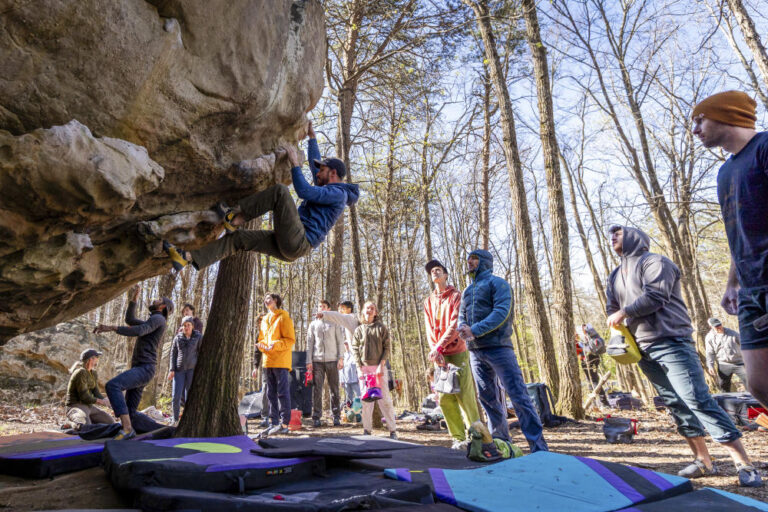
“People come here specifically to climb,” says Kelly Mix-Culberson, director of industry and workforce development. “The Citadel Boulders have become a real destination. You see out-of-state tags in the parking lot all the time. It’s a big deal in the bouldering community.”
Nearby, DeSoto State Park offers more than 3,500 acres of trails, camping, waterfalls and mountain recreation. Buck’s Pocket State Park on Sand Mountain provides another rugged escape, while DeKalb County Public Fishing Lake near Sylvania offers 120 acres for anglers.
Life Between the Lakes
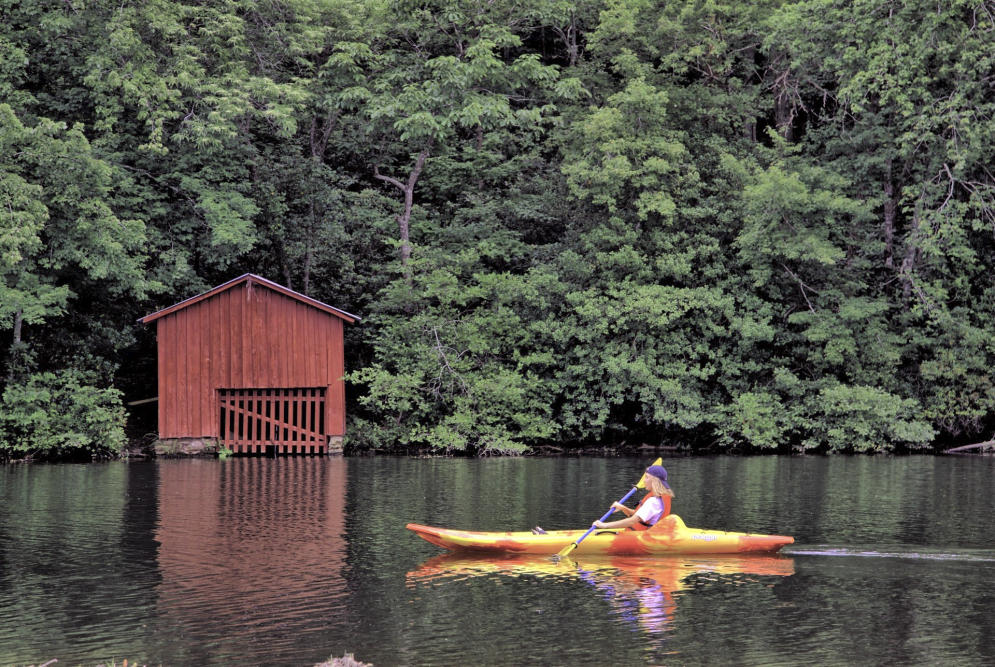
The outdoor lifestyle stretches well beyond the county line. Lake Guntersville and the Tennessee River lie just west of Sand Mountain, while Weiss Lake and the Coosa River sit just beyond Lookout Mountain to the east. In between are farms, forests, railroads, small towns and Fort Payne’s traditional downtown, with boutiques, restaurants, arts and local makers.
Chattanooga is close enough for big-city amenities, yet daily life at home remains distinctly small-town. Its airport, restaurants, concerts and regional job market expand the possibilities without requiring residents to give up the pace and connection they value at home.
“With so many towns in our county, there is always something happening somewhere,” Johnson says. “You can build a serious career, stretch your dollars so much farther, and still have time for the people and places that matter. Life and work balance well here.”
That may be DeKalb County’s most compelling advantage.
The careers are real. The cost of living is low. The mountains are right outside the door. And Chattanooga is close enough to expand the possibilities without defining daily life.
In DeKalb County, ambition still has room to breathe.
For more information about DeKalb County, visit dekalbeda.com.