

Downtown Historic District, Columbia, TN: Historic. Walkable. Vibrant.
Downtown Columbia, Tennessee’s Historic District is the cultural and commercial heart of the city, centered around the Maury County Courthouse and Public Square on the south side of the Duck River. Columbia was chartered in 1807, and the original town consisted of just four blocks. More than two centuries later, that original center remains one of the most recognizable parts of the city.
The Columbia Commercial Historic District was added to the National Register of Historic Places in 1984. Roughly bounded by Seventh, Eighth, Woodland, and High streets, the district encompasses about six blocks and 91 buildings, some dating to the 1820s. Federal, Victorian, and mid-19th-century Revival architecture documents generations of Columbia’s development as Maury County’s center of commerce and government.
This is not a traditional residential neighborhood of detached houses and quiet interior streets. Downtown is a mixed-use environment where historic commercial buildings, government offices, churches, restaurants, shops, entertainment venues, and a limited amount of residential space share a compact area. For residents who live in and around the district, the tradeoff is clear: less conventional suburban space in exchange for Columbia’s most walkable lifestyle.
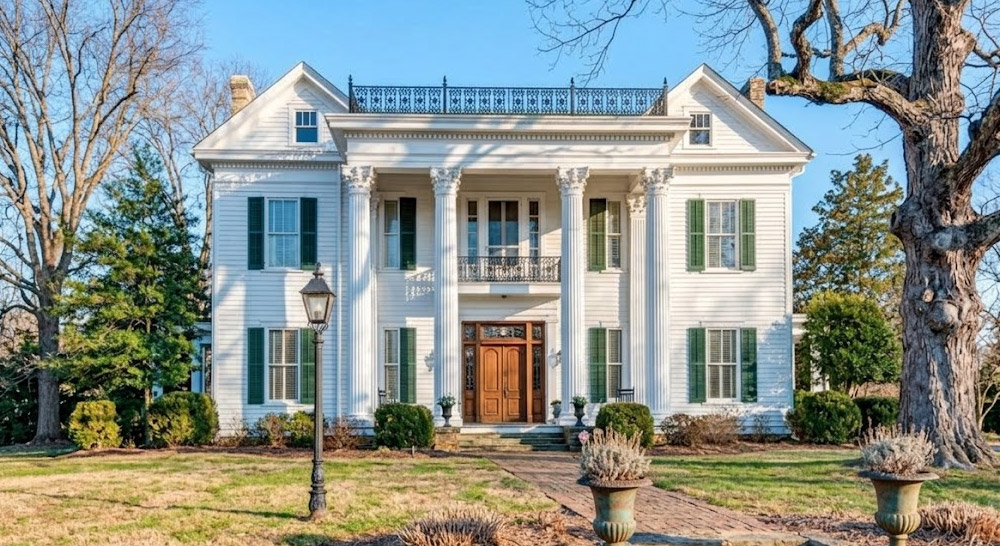
Overall Vibe & Lifestyle
Daily life downtown revolves around the Public Square. Restaurants, coffee shops, boutiques, antique stores, offices, and entertainment are concentrated within a few blocks, making it possible to accomplish considerably more on foot than in most Columbia neighborhoods.
The district is active beyond normal business hours. Restaurants and bars keep downtown occupied in the evening, while live music, community celebrations, and seasonal events regularly bring activity to the square. First Fridays transform downtown each month with live music and businesses staying open later. Someone living downtown should expect pedestrians, restaurant traffic, events, music, and occasional street closures rather than complete residential quiet — with morning coffee, dinner, drinks, shopping, and entertainment all within walking distance.
Safety & Walkability
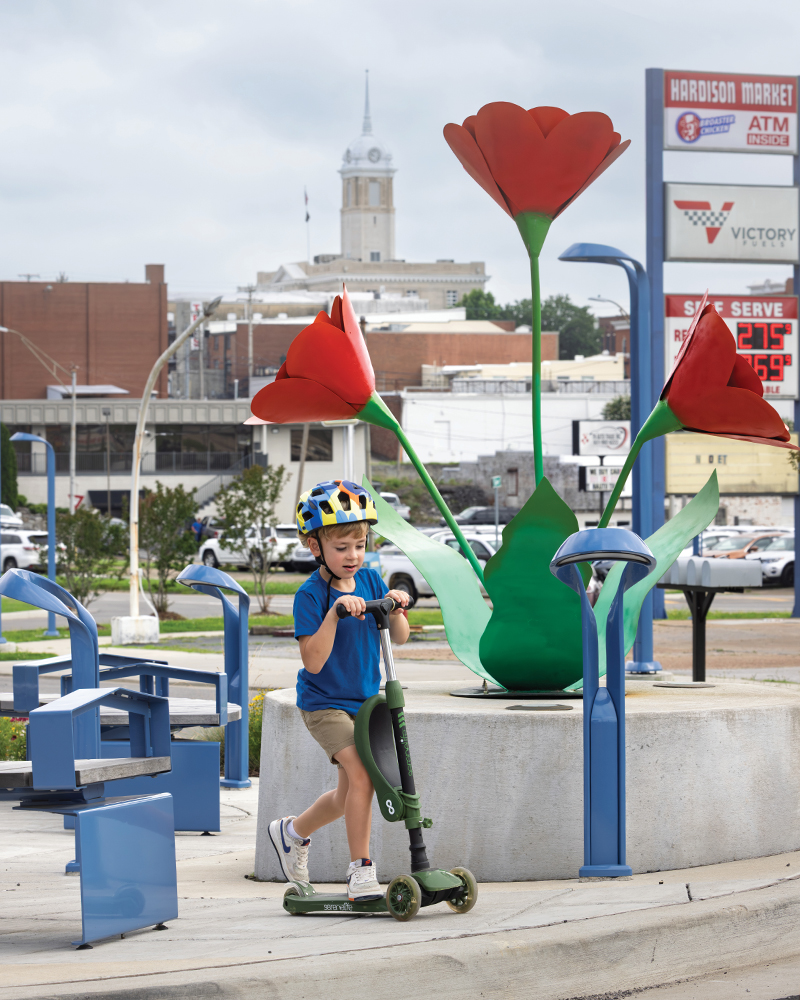
Walkability is one of downtown Columbia’s defining advantages. The compact street grid, sidewalks, and concentration of businesses make the Public Square and surrounding blocks practical for walking between restaurants, shops, offices, and entertainment venues.
Residents can walk to Muletown Coffee Roasters for coffee, Puckett’s for a meal or live music, downtown boutiques for shopping, and the Duck River for recreation. The Columbia Arts District begins just south of the historic commercial core, and Riverwalk Park sits just northeast of downtown along the Duck River with paved paths and river access. Pedestrian conditions become less consistent outside the core, so most households will still want a vehicle for groceries, schools, and destinations elsewhere in Columbia.
Natural & Built Environment
Buildings rather than lawns define downtown’s physical character. Historic storefronts line the sidewalks around the courthouse square, creating a compact streetscape very different from Columbia’s residential neighborhoods. Buildings dating to the 1820s stand alongside later 19th- and early-20th-century structures.
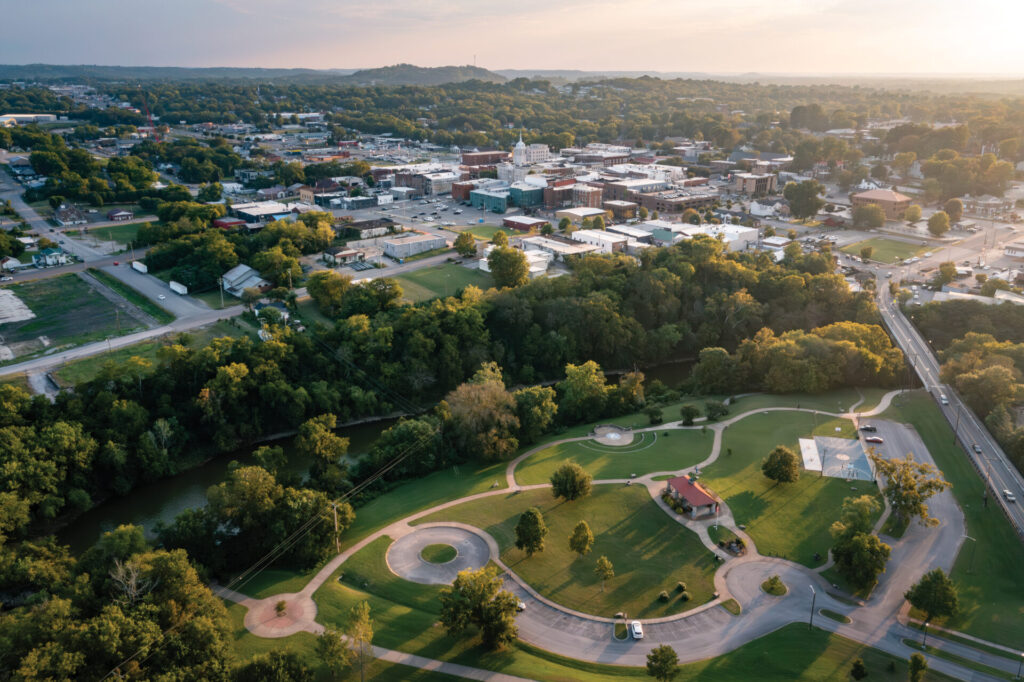
The Maury County Courthouse provides the visual anchor at the center of the square, while nearby historic residential districts gradually transition toward larger yards, mature trees, and detached houses. The Duck River is the major natural feature, and Riverwalk Park sits immediately northeast of downtown, giving residents a riverside landscape within minutes of the commercial square.
Design & Architecture
Downtown Columbia is one of the city’s most architecturally significant areas. The Columbia Commercial Historic District was placed on the National Register for both its architecture and its role in commerce and settlement. Federal, Late Victorian, and mid-19th-century Revival styles are represented, with commercial buildings sharing masonry construction, narrow street-facing facades, large storefront windows, and upper floors originally used for offices or businesses.
Several individually significant properties sit within the district, including the State Bank of Tennessee, a two-story Greek Revival building at West Seventh and South Garden streets, First United Methodist Church, and the historic U.S. Post Office and Courthouse. Preservation is active here: Columbia maintains a Historic Zoning Commission and locally designated historic districts, with design guidelines governing work subject to historic review.
Housing at a Glance
Housing within the commercial district itself is limited compared with Columbia’s conventional residential neighborhoods, consisting primarily of apartments and loft-style spaces within or above historic commercial buildings, supplemented by houses and newer attached housing around the edges of downtown.
| Type | Primarily lofts, apartments, and mixed-use residential within the commercial core, with detached and attached homes in surrounding historic areas. |
| Size & Layout | Highly variable — many residential spaces occupy adapted historic buildings rather than standardized floor plans. |
| Interior & Exterior Features | Historic brick, tall ceilings, large windows, hardwood floors, and exposed architectural details in converted spaces. |
| Development Pattern | Dense historic commercial core surrounded by older residential streets and adjacent historic districts. |
| Defining Feature | Direct pedestrian access to the Public Square and downtown businesses. |
Real Estate Snapshot
Downtown does not function as a conventional subdivision real estate market. The small number of residential units within the commercial core means inventory can be limited and inconsistent, and individual properties differ substantially. Historic upper-floor apartments and lofts provide some of the most distinctive residential opportunities, while newer attached development appears just outside the historic core.
| Market Demand | Niche demand driven by historic character and walkability. |
| Inventory | Limited and highly variable within the commercial district itself. |
| Buyer/Renter Profile | Residents prioritizing walkability, historic character, and proximity to downtown activity. |
| Pricing Context | Difficult to generalize because housing types and individual properties vary substantially. |
| Investment Pattern | Location, building condition, historic character, and permitted use heavily influence value. |
Amenities & Local Conveniences
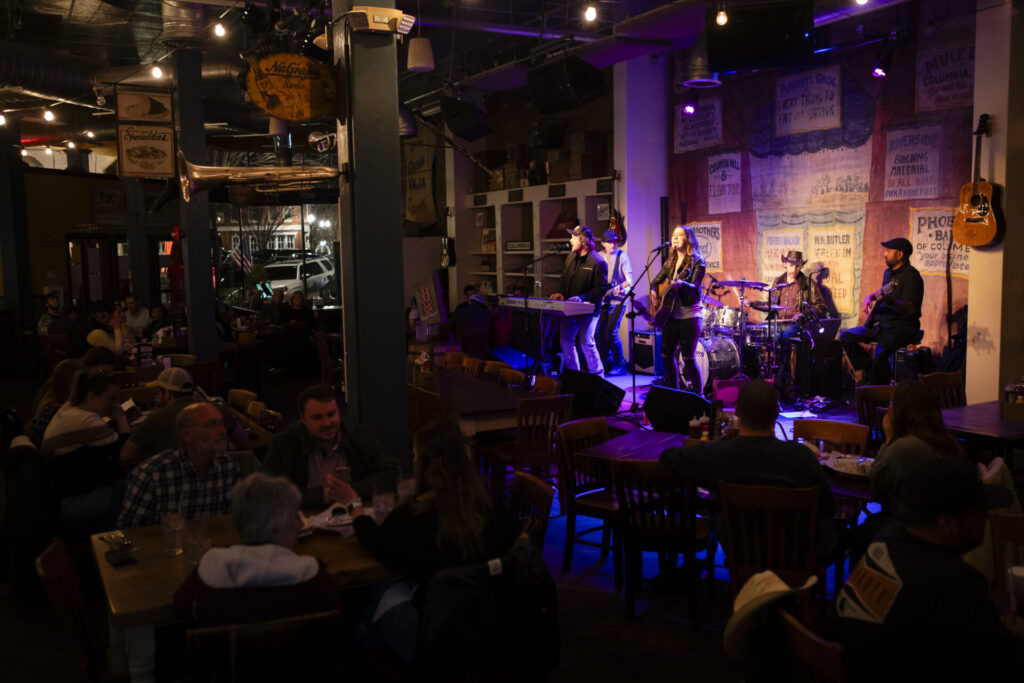
Few Columbia neighborhoods can compete with downtown for immediate access to locally owned businesses. Muletown Coffee Roasters operates directly on the Public Square and has been roasting and brewing coffee in Columbia since 2013. Puckett’s Restaurant occupies another prominent Public Square location, combining Southern food with live music, and Southern Tré Steakhouse adds a locally owned steakhouse on West Seventh Street.
Shopping is concentrated in downtown storefronts — boutiques, antique and vintage stores, and specialty retailers rather than large-format retail. Entertainment extends beyond dining: The Mulehouse occupies a restored historic church as a live-performance venue, while the Columbia Arts District adds galleries, studios, and creative businesses. For recreation, Riverwalk Park provides paved paths and green space along the Duck River and hosts the Columbia Farmers Market and community events throughout the year.
Schools & Education
Maury County Public Schools serve downtown Columbia, but there is no single set of schools that can be reliably assigned to every property marketed as a downtown home. Attendance areas are determined by each residence’s exact address, making address-level verification particularly important here.
The distinction matters because “Historic Downtown” is used in more than one way — sometimes for the compact commercial historic district, and sometimes more broadly for the residential streets surrounding the city center. Buyers should use Maury County Public Schools’ current address-based information to confirm the assigned elementary, middle, and high schools for any property under consideration.
Commuting & Location
Downtown is the reference point against which many other Columbia commute times are measured. Residents begin in the city’s civic and commercial center, with direct access to West Seventh Street, Garden Street, Carmack Boulevard, and other routes leading outward.
| Destination | Approximate Drive Time |
| Riverwalk Park | 2–5 minutes |
| Maury Regional Medical Center | 5–10 minutes |
| Spring Hill | 20–25 minutes |
| Franklin | 35–40 minutes |
| Nashville | 45–60 minutes |
Traffic, downtown events, and the exact starting point can affect drive times. The larger advantage is how many trips don’t require driving at all — coffee, restaurants, bars, shopping, live entertainment, and civic services are concentrated within the downtown street grid.
Downtown Historic District Neighborhood Map
Quirks & Perks
The courthouse square is the defining perk: downtown residents effectively have Columbia’s traditional town center as their neighborhood amenity. History is unusually visible — the commercial district contains buildings dating to the 1820s, and the James K. Polk Ancestral Home sits only two blocks west. The Arts District, a block south, transitions the traditional square into a contemporary collection of artists and creative businesses.
First Fridays are the clearest example of the lifestyle difference, turning the streets outside a downtown residence into a monthly community event. River access is close too, with Riverwalk Park minutes from the historic storefronts. The tradeoff: downtown living means accepting event crowds, restaurant traffic, street activity, occasional noise, and less predictable parking in exchange for walkability and access.
Neighborhood Logistics
The Downtown Historic District requires a different kind of due diligence from Columbia’s conventional neighborhoods. Buyers should first determine exactly which historic district a property occupies — the Columbia Commercial Historic District is only one of several protected areas, alongside the West End, West Sixth Street and Mayes Place, the Athenaeum, and others, each with distinct boundaries.
Historic designation can affect exterior alterations, so owners considering changes to a protected property should determine whether proposed work requires staff or commission review before beginning. Parking should be evaluated property by property, and buyers should distinguish between living in the Columbia Commercial Historic District and living near historic downtown — the former means occupying a relatively rare residential space within an overwhelmingly commercial district. For someone who wants Columbia’s most urban lifestyle, nowhere else in the city offers the same combination of historic architecture, dining, live music, boutiques, civic events, the Arts District, and the Duck River within such a small area.
Explore Columbia Neighborhoods
Note on imagery: Images marked “AI Generated” are visuals to illustrate the neighborhood homes, atmosphere and architectural style. To protect homeowner privacy, these images are artistic representations and do not depict specific existing properties.