

West End, Columbia, TN: Historic. Central. Character-Rich.
West End is a historic residential neighborhood located immediately west of downtown Columbia, Tennessee, generally positioned around West Seventh Street, Woodland Street, and surrounding blocks. Developed in the early to mid-20th century as Columbia expanded beyond its original town center, the neighborhood reflects a period of growth marked by traditional homes, walkable streets, and close proximity to the city’s commercial core.
The neighborhood is defined by its historic housing stock, mature trees, and connected street grid. Its location places residents within minutes of Columbia’s downtown square while maintaining a distinct residential identity rooted in its architectural character and established layout.
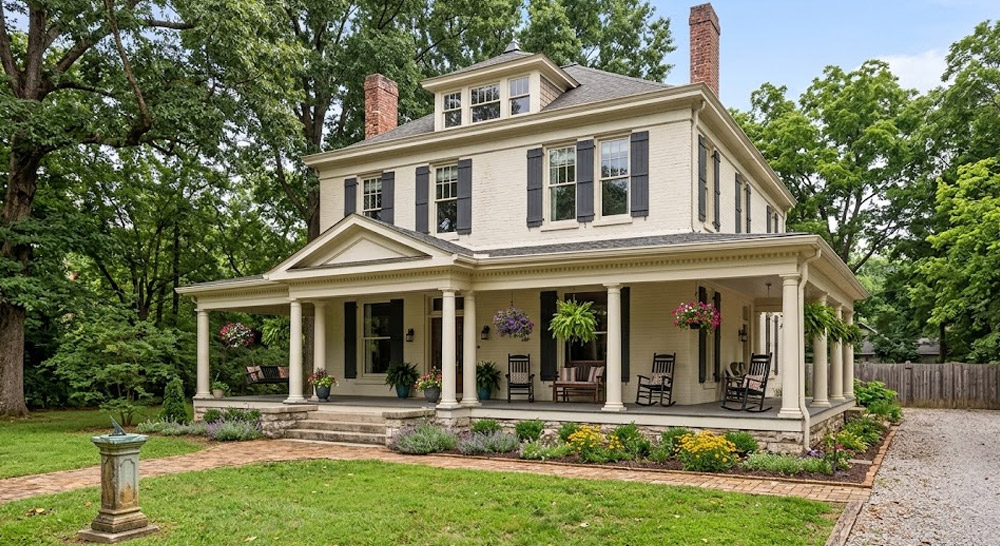
Overall Vibe & Lifestyle
Daily life in West End is closely tied to its proximity to downtown Columbia. Residents often incorporate the square into their routines, where local restaurants, coffee shops, and small businesses serve as the primary social and commercial hub.
The neighborhood attracts a mix of longtime residents, young professionals, and buyers interested in historic homes with renovation potential. Its central location supports a lifestyle that blends neighborhood living with easy access to the city’s events, dining, and cultural activity.
West End maintains a strong sense of identity, with a residential atmosphere that feels both established and connected to Columbia’s broader community.
Safety & Walkability
West End is one of the more walkable neighborhoods in Columbia due to its grid-style layout and proximity to downtown. Residential streets are connected and relatively easy to navigate on foot, with shorter block lengths supporting pedestrian movement.
Sidewalks are present in many areas, and residents can walk or bike toward downtown destinations. While some errands still require driving, the neighborhood offers a higher level of walkability compared to more suburban parts of the city.
Natural & Built Environment
The built environment reflects early 20th-century development, with homes positioned closer to the street and arranged along a connected grid of residential blocks. Mature trees line many streets, contributing to a shaded and cohesive streetscape.
The neighborhood’s proximity to the Duck River and Riverwalk Park provides access to green space, walking trails, and outdoor recreation within a short distance. These natural features complement the neighborhood’s residential setting and support daily outdoor activity.
The combination of historic homes and established landscaping creates a visually consistent and recognizable environment.
Design & Architecture
Homes in West End were primarily constructed between the early 1900s and mid-20th century. Architectural styles include bungalows, cottages, and traditional Southern homes, often featuring front porches and detailed exterior elements.
Exterior materials commonly include wood siding and brick, with interiors that may retain original features such as hardwood floors, built-ins, and traditional room layouts. Many homes have been renovated over time, blending historic character with modern updates.
The architectural variety, combined with consistent scale and layout, gives West End a cohesive and distinctive identity.
Housing at a Glance
Housing in West End reflects early suburban development with historic homes and established lots.
| Metric | Description |
|---|---|
| Type | Primarily single-family homes with some duplexes. |
| Size & Layout | Typically 1,000 to 3,000+ square feet. |
| Interior & Exterior Features | Historic detailing, front porches, mature landscaping. |
Real Estate Snapshot
The West End housing market is influenced by its historic character and proximity to downtown Columbia. Buyers are often drawn to the neighborhood for its architectural style, location, and renovation potential.
Turnover is moderate, with a mix of updated and original homes available. Pricing varies based on condition and level of renovation, with continued investment contributing to long-term appreciation.
| Metric | Summary |
|---|---|
| Market Demand | Strong due to location and historic character. |
| Inventory | Moderate turnover with a mix of updated and original homes. |
| Buyer Profile | Professionals, families, and historic-home buyers. |
| Pricing Context | Varies based on renovation and property condition. |
| Investment Pattern | Steady appreciation driven by reinvestment. |
Amenities & Local Conveniences
West End residents have immediate access to Columbia’s locally owned downtown businesses, which serve as the primary hub for dining, coffee, and retail. Muletown Coffee Roasters operates on the public square and is known for its small-batch roasted coffee and consistent daily foot traffic. Towne Coffee & Cuisine, located along North Garden Street, provides another nearby option for breakfast, lunch, and specialty drinks in a casual setting.
Dining options within minutes of the neighborhood include Puckett’s Grocery & Restaurant, a long-standing Columbia staple that combines Southern cuisine with live music, and Southern Tre Steakhouse, which offers a locally owned, full-service dining experience in a restored historic building. Ollie & Finn’s Counter contributes to the daytime dining scene with breakfast and lunch offerings focused on fresh, made-to-order meals.
Retail and specialty shopping are concentrated around the Columbia square, where businesses such as Duck River Books and Bleu 32 Vintage Marketplace provide locally curated goods, books, and home décor. These businesses create an active and walkable downtown district that supports daily errands and community interaction.
For outdoor recreation, Riverwalk Park provides walking trails along the Duck River, open green space, and event areas that host community programming. Its proximity allows residents to incorporate outdoor activity into their routine with minimal travel.
Schools & Education
West End is served by Maury County Public Schools. The neighborhood’s central location allows convenient access to schools compared to more outlying areas. Families should confirm current school assignments directly with the district, as attendance boundaries may change.
Commuting & Location
West End is directly connected to downtown Columbia and surrounding areas through West Seventh Street and nearby arterial routes.
| Destination | Approximate Drive Time |
|---|---|
| Downtown Columbia | 2-5 minutes |
| Spring Hill | 20 minutes |
| Franklin | 35 minutes |
| Nashville | 45-55 minutes |
Drive times may vary depending on traffic conditions.
West End Neighborhood Map
Quirks & Perks
One of West End’s defining characteristics is its immediate proximity to downtown Columbia, allowing residents to access dining, shopping, and community events within minutes. This level of connectivity supports a more integrated lifestyle than many other neighborhoods in the area.
The neighborhood’s historic housing stock also provides a level of architectural character that is not replicated in newer developments. Homes vary in design and detail, creating a streetscape that feels unique and visually engaging.
Another notable advantage is the combination of walkability and established landscaping. Mature trees and connected streets create a residential environment that feels both shaded and accessible, reinforcing the neighborhood’s long-standing appeal.
Neighborhood Logistics
West End functions as a residential neighborhood within the City of Columbia, with municipal services such as police, fire protection, and infrastructure maintenance provided by the city.
The neighborhood developed prior to modern subdivision planning and does not typically include a centralized homeowners association. Its layout reflects early urban expansion, with a grid-style street network connecting residential blocks to downtown.
Daily errands, dining, and services are primarily handled within downtown Columbia and nearby corridors, all located within a short distance of the neighborhood.
Explore Columbia Neighborhoods
Note on imagery: Images marked “AI Generated” are visuals to illustrate the neighborhood homes, atmosphere and architectural style. To protect homeowner privacy, these images are artistic representations and do not depict specific existing properties.