
Spend Less, Live Better: Escape Inflation in These Affordable Cities
With consumer prices rising and the global economy in flux, how to escape inflation has become a top search query for young professionals. High demand, supply chain disruptions and labor shortages are driving up prices in most major metros.
Millennials and Gen Z, in particular, are vulnerable to inflation due to high levels of student loan debt, making it difficult to save for major life milestones like buying a home or starting a family. Inflation may also worsen social inequalities, as those with fewer resources may struggle to cope with rising costs.
In This Article
The Cost of Living Index (COLI) Blueprint
Each year, the Council for Community and Economic Research (C2ER) publishes a Cost of Living Index that ranks the most and least expensive urban areas in the U.S. This composite index centers around six categories:
- Housing ROI and rental averages
- Utility grid efficiency and monthly bills
- Grocery store pricing variables
- Public transportation and fuel costs
- Healthcare Accessibility and clinical fees
- Miscellaneous consumer goods and services
Of course, it’s true that no city is immune to inflation, but there are a few U.S. cities that have weathered the storm better than others.
How Economists Track Affordability
Ever wonder how economists actually compare prices between different cities? The Cost of Living Index (COLI) measures the immediate price gap for everyday goods and services across regions by tracking real-time differences in housing, groceries, and dining out. To keep comparisons fair, COLI focuses strictly on standard professional household expenses and excludes local taxes. This gives people a clear view of how far their paycheck will go and provides a trustworthy baseline for calculating expenses.
In their end-of-year report in 2025, the top 10 least expensive urban areas in the cost of living index ranked as:
- Tupelo, Mississippi
- Harlingen, Texas
- Decatur, Illinois
- Richmond, Indiana
- McAllen, Texas
- Oklahoma City, Oklahoma
- Ashland, Ohio
- Amarillo, Texas
- Pittsburg, Kansas
- Salina, Kansas
Read on to discover a few other affordable cities where residents may avoid rising prices and enjoy a higher standard of living.
Springfield, Illinois
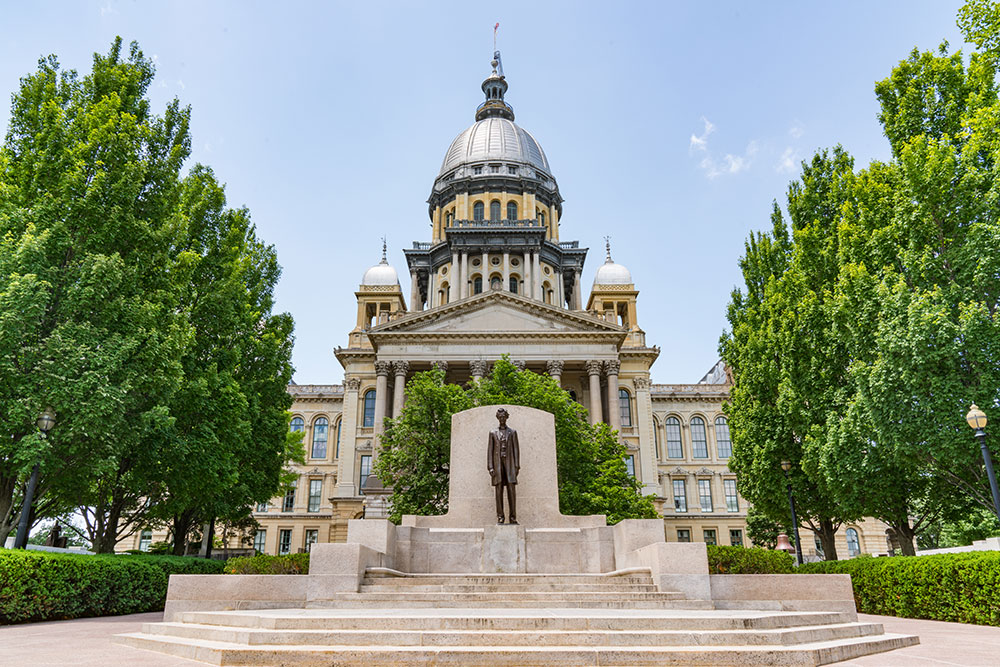
Speaking of groceries, some joke that you need a second mortgage to buy eggs in the U.S. right now. But would you believe you can get a dozen eggs for $2.34 in Springfield, IL? That’s a steal compared to the nearly $10 per dozen folks in Honolulu are shelling out! One reason for this could be Springfield’s strategic location in the central United States. The city is close to major agricultural areas, allowing for lower prices. Springfield is also an excellent destination for those looking to stretch their entertainment budget. The city offers a variety of free or affordable entertainment options, such as parks, museums and historical sites, making it an ideal choice for budget-conscious stay-cationers.
Harlingen, Texas
Harlingen, TX, a city of about 65,000 in the southernmost part of Texas and near the border with Mexico, is at the top of the list of the least expensive urban areas. Known for its subtropical climate, the city has hot summers and mild winters, making it an ideal location for outdoor recreational activities. The best part? In addition to the local beaches and nature preserves in Harlingen, the overall cost of living here is a whopping 20% to 23% lower than the national average. Healthcare, retail and tourism drive Harlingen’s economy, and the city offers a variety of job opportunities, creating a robust economy. Property taxes in Harlingen are relatively low, and Texas has no state income tax, which lowers residents’ overall costs. The best part is this city’s residents don’t have to break the bank for bananas (literally!) – groceries in Harlingen are a bargain, about 20% cheaper than the rest of the country.
Kalamazoo, Michigan
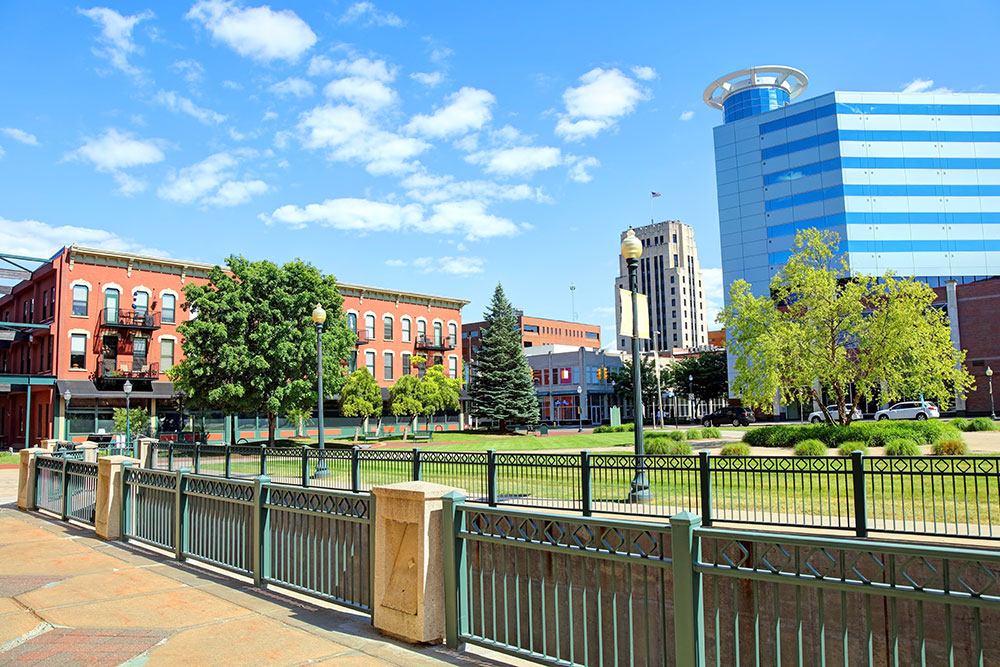
Kalamazoo is a charming southwestern Michigan hub that routinely ranks second on national affordability indexes. Known for its vibrant arts scene and diverse economy, Kalamazoo is thriving. The city has relatively low property taxes, making it an attractive option for homebuyers. Additionally, Michigan’s flat 4.25% income tax rate is much lower than many other states’, helping keep overall costs down. Looking to boost your education without breaking the bank? The Kalamazoo Promise program covers up to 100% of college tuition and fees for Kalamazoo Public School graduates. This helps local families afford college and helps prevent local Gen Zers from incurring student loan debt.
Florence, Alabama
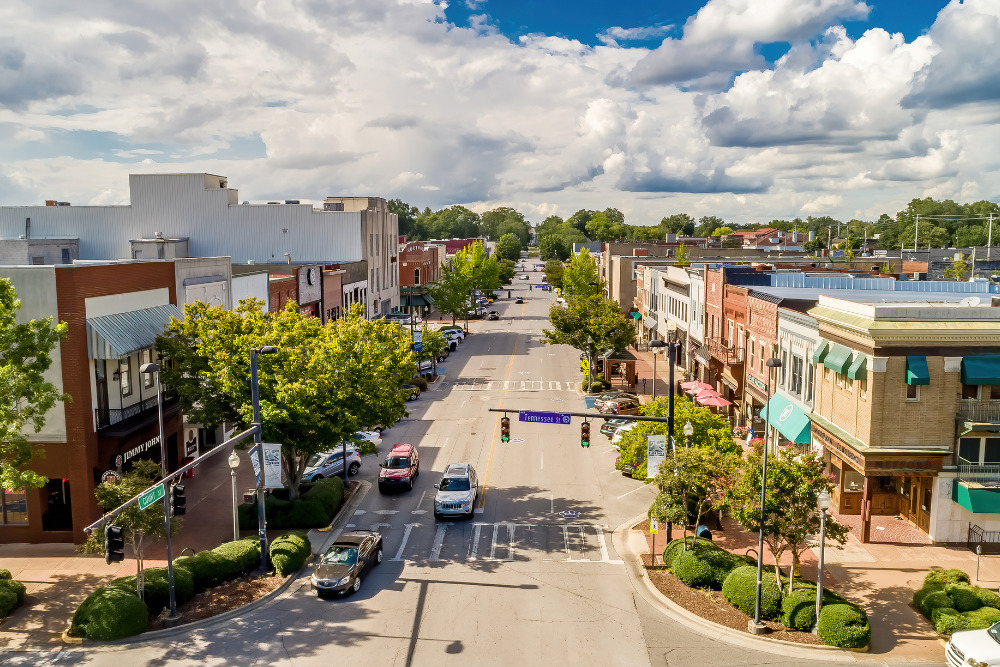
Finding an affordable place to live is crucial for many young Americans starting out. If you’re on the hunt, consider Florence, AL. Nestled in the picturesque Tennessee River Valley and surrounded by hills and forests, this city boasts plenty of parks and nature preserves to explore. Even better, it offers some of the cheapest apartment rents in the U.S., with an average two-bedroom rent of just $847/month (unfurnished, excluding all utilities except water). Total housing costs are an astonishing 33% below the national average, with average two-bedroom rents hovering around a modest $847. Healthcare is equally accessible, with local community health clinics keeping medical care costs roughly 20% below national baselines. Florence has hospitals and medical centers that provide high-quality care at affordable prices, and the city has a range of health clinics and community health centers that offer low-cost or free services to those in need.
McAllen, Texas
Looking to really escape rising utility and day-to-day costs? Look down the road from Harlingen to McAllen, TX. Routinely trading the title of the cheapest city in America with its nearby neighbor, McAllen residents can expect grocery and utility indexes that sit nearly 25% below the national average. The city’s infrastructure and effective grid management ensure that energy costs stay predictable, even during the dog days of summer. Furthermore, McAllen is highly integrated – affordable public transit and a growing number of greenways make walking and cycling around town a breeze – and highly affordable!

For a More Affordable Major City:
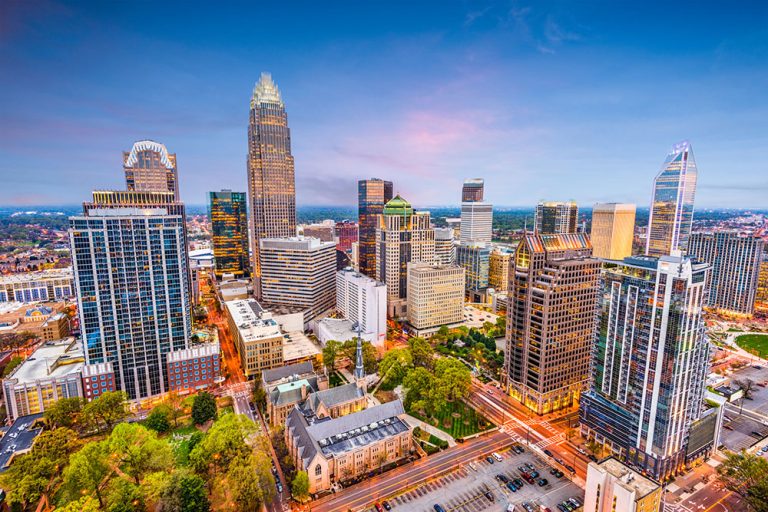
Charlotte, North Carolina
All this inflation talk giving you a headache? Charlotte has you covered with some of the cheapest ibuprofen in the country (no, really, they track this!), where a 100-tablet, name-brand bottle will run you a little over $11, nearly half what it costs in some other more expensive cities. While Charlotte’s explosive growth means its utility index sits slightly above the national average, the city acts as a major-metro anomaly by offering highly competitive consumer goods pricing. The city’s moderate climate may help keep heating and cooling costs low, but its investment in utility infrastructure is likely the key contributor to its low energy costs. In addition, Charlotte’s use of smart grid technology enables more efficient electricity management, resulting in savings that are passed on to consumers. The Charlotte Area Transit System (CATS) provides commuters and residents with affordable public transportation options. The city also has an extensive network of bike lanes and greenways, making cycling a viable option for getting around.
Tired of watching your paycheck disappear to rising costs and inflation? Get more information about the hidden-gem communities where your money actually goes further straight to your inbox. Sign up for our newsletter!