
10 UNESCO Sites in the U.S. to Add to Your Travel Bucket List
In a world as fraught with division as ours, it’s good to learn a thing or two from UNESCO (the United Nations Educational, Scientific and Cultural Organization). The organization protects culturally significant sites all over the world, including 26 here in the United States. And if this is the first time you’re hearing about them, you aren’t alone.
What is a UNESCO World Heritage Site?
To understand why these locations carry such prestige, one must look to UNESCO. Founded in 1945 following the Second World War, this Paris-based agency operates on the belief that lasting global peace depends on international cooperation in education, science and culture.
The organization’s mission centers on establishing “the intellectual and moral solidarity of mankind.” Basically, UNESCO aims to save the world from itself. And that’s no small undertaking.
Part of this mission is to protect nature. UNESCO established the World Heritage Committee to protect culturally significant sites, much as the U.S. began establishing its National Parks. This was the beginning of the World Heritage List of globally protected land.
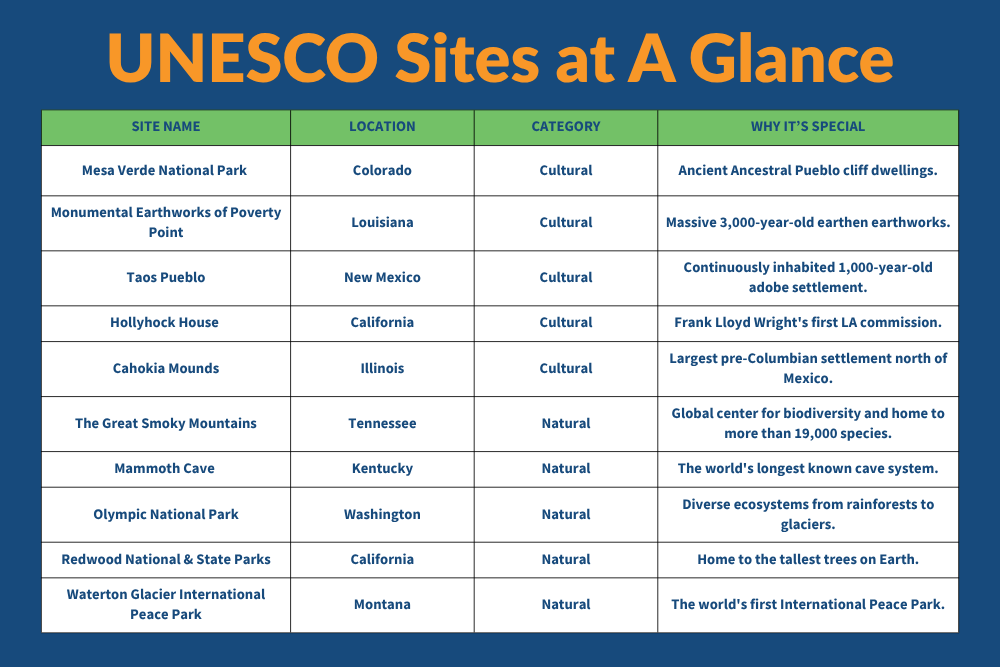
The United States currently has 26 UNESCO World Heritage Sites – and a tentative list of 17 more – each a piece of historical and cultural importance. From architectural marvels to breathtaking natural landscapes, these 10 sites offer once-in-a-lifetime experiences that belong on every traveler’s bucket list.
1. Mesa Verde National Park
Near Cortez, Colorado
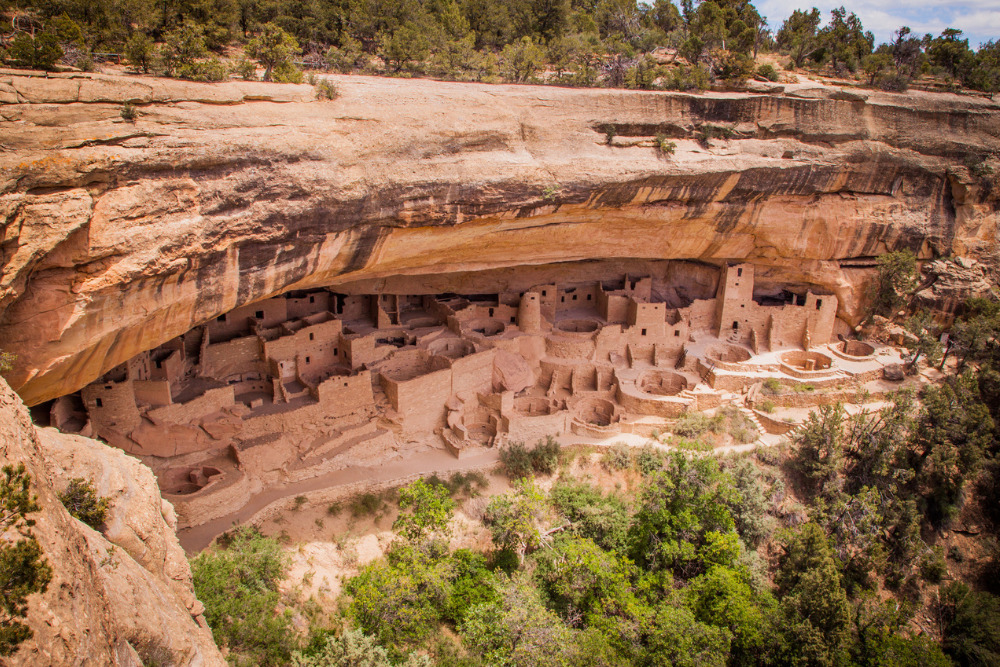
The ancient cliff dwellings in Mesa Verde Park are among the best-preserved in archaeological history and showcase a hardy, technologically savvy Ancestral Pueblo culture. Estimated to be around 830 years old, the indigenous Pueblo people built intricate cliff dwellings while farming the mesas above. The cultural significance of these remarkably preserved sites is immeasurable and will amaze visitors who traverse the cliff-side structures.
2. Monumental Earthworks of Poverty Point
Near West Carroll Parish, Louisiana
Stretching across a swath of the lower Mississippi Valley, theMonumental Earthworks might initially seem like only a series of organized mounds of dirt, but it’s much more than that. These significant, carefully arranged ridges of Earth were built by sophisticated hunter-gatherer peoples around 1100 BCE and are thought to have been used for social and ceremonial purposes. Although the exact purpose and construction methods of the structures remain unclear, historians know that a highly trafficked trading network used them to span the continent.
3. Taos Pueblo
Taos, New Mexico
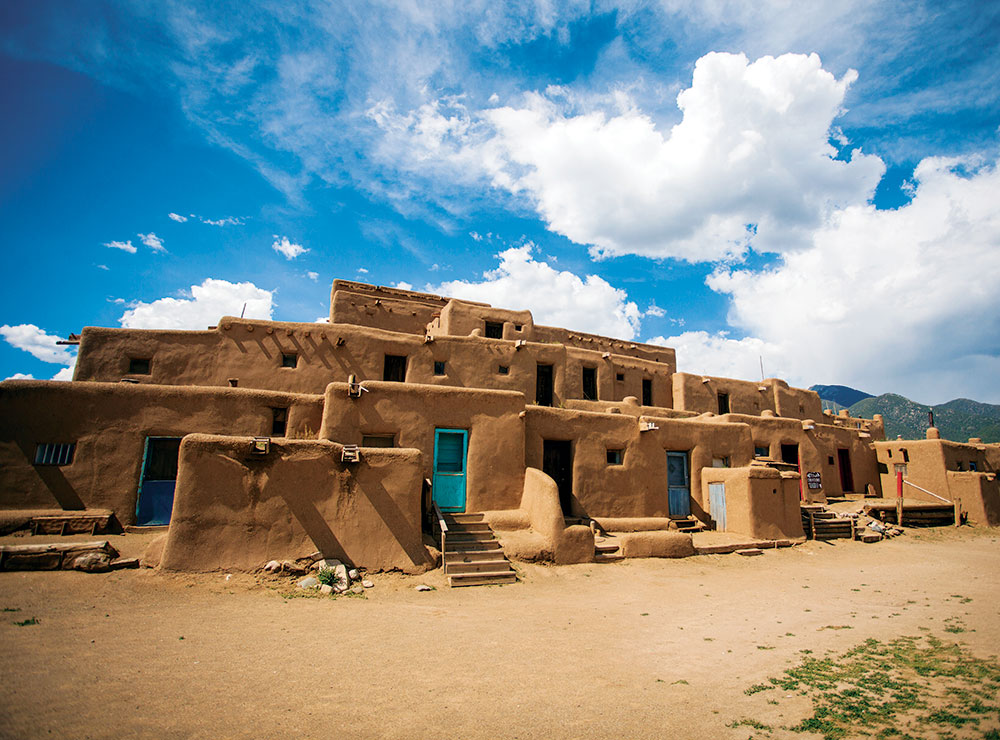
The iconic Taos Pueblo architecture is still as stunning today as it has ever been. A feat of indigenous architecture, the Taos Pueblos have been around, practically unchanged, for over a thousand years, and people still live in them today. As a result, they are one of the oldest continuously inhabited structures on the continent. Relatively simple to maintain and inarguably breathtaking to see, the pueblos of New Mexico are not only a testament to indigenous peoples and their rich culture. Still, they will likely remain for another thousand years.
4. Hollyhock House
Los Angeles, California
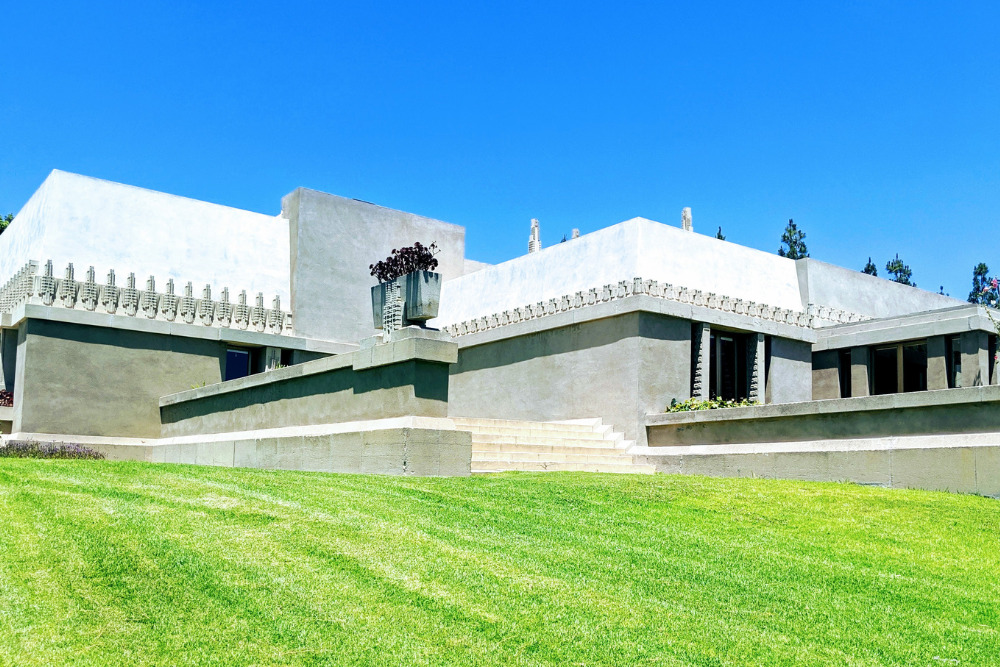
The first commission for world-renowned architect Frank Lloyd Wright in Los Angeles was the construction of the Hollyhock House. The house was designed for client Aline Barnsdall, a philanthropist, feminist and 20th-century iconoclast with lots of money to spare. Barnsdale called the talented, iconic Wright to design her Los Feliz home as an artist’s haven. But things soon turned sour when the two shared differing opinions on the design and construction of the house. A few years after its completion, Barnsdall donated the house to the city of Los Angeles. It took almost no time for the house to become a protected landmark. It was designated a UNESCO World Heritage Site in 2019, and tours are available to the public today.
5. Cahokia Mounds
Collinsville, Illinois
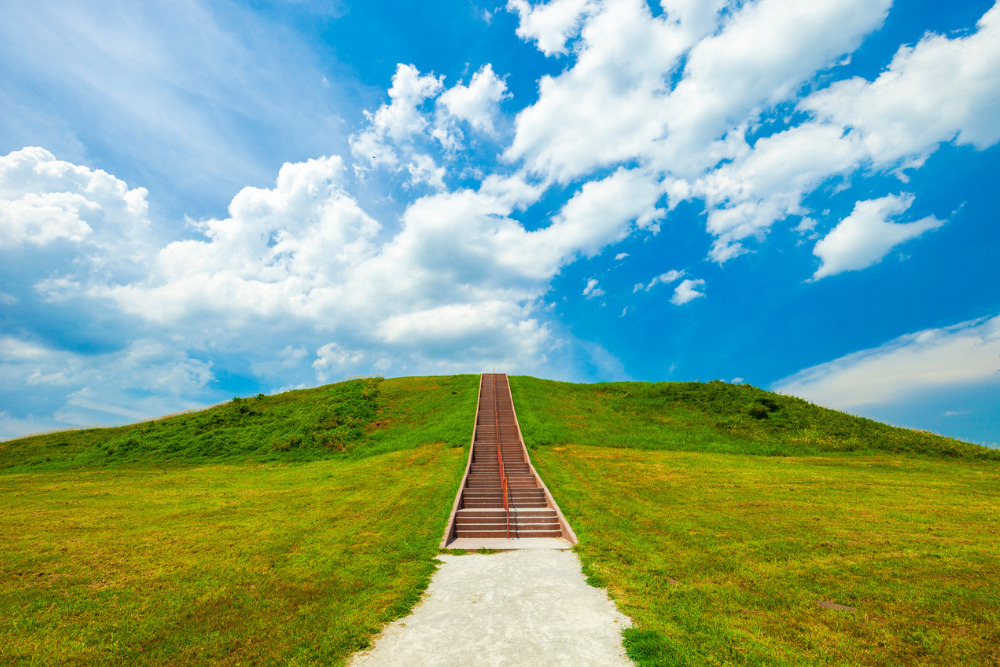
The Cahokia Mounds State Historic Site may look like nothing more than scattered hills to the naked eye, but this was once the epicenter of trade, culture and religious practices. Self-described on its website as the site of “the most sophisticated prehistoric native civilization north of Mexico,” it remains one of the most significant and impressive feats of ancient engineering and modern archeology in the continental United States.
Even though this 1,300-year-old site no longer looks like the bustling hotbed it once was, visitors can witness the once-great city. With augmented reality technology and a phone app, visitors can walk the grounds of the City of the Sun as if they were there, becoming part of a truly unique cultural experience. Late last year, the app received a major update that increased the contrast for better outdoor visibility, allowing guests to see the city as it stood in 1100 CE.
6. The Great Smoky Mountains
Tennessee
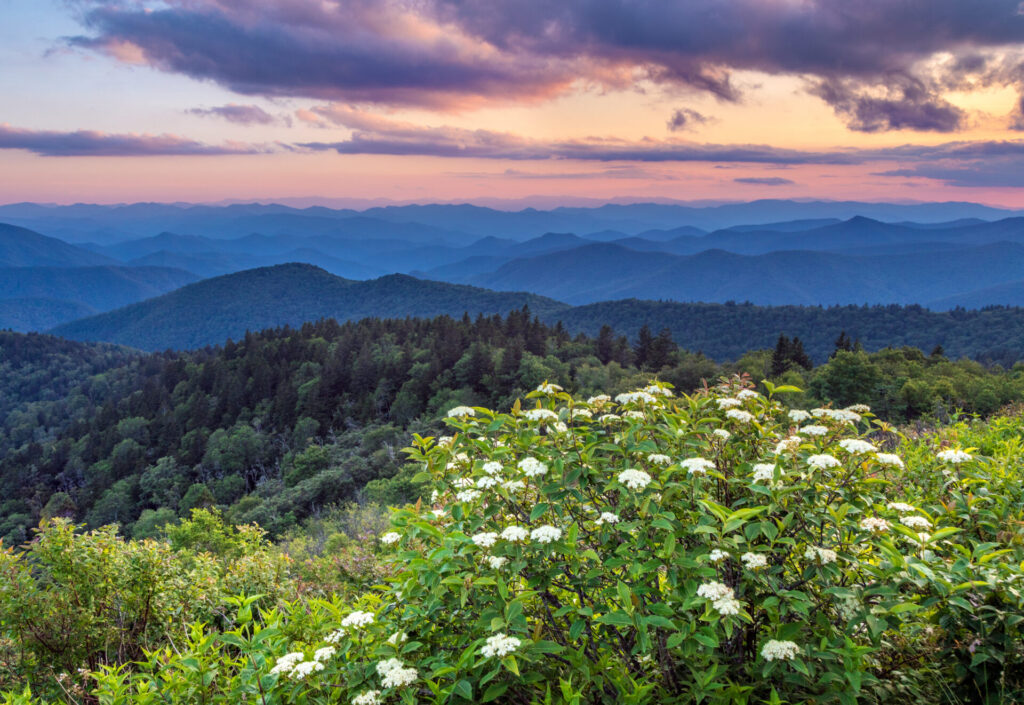
Written in books, songs and poems and re-imagined in photography and paintings, the Great Smoky Mountains are as beautiful and important as they are celebrated. Running up and along Tennessee’s eastern border, this UNESCO Heritage Site and U.S. National Park is one of the planet’s most biodiverse places – home to more than 19,000 documented species! Even though much of the park has remained undisturbed, there’s plenty to do and see in this stunning place. Visitors should especially keep a close eye out for evening fireflies and elegant barn owls.
7. Mammoth Cave
Near Glasgow, Kentucky
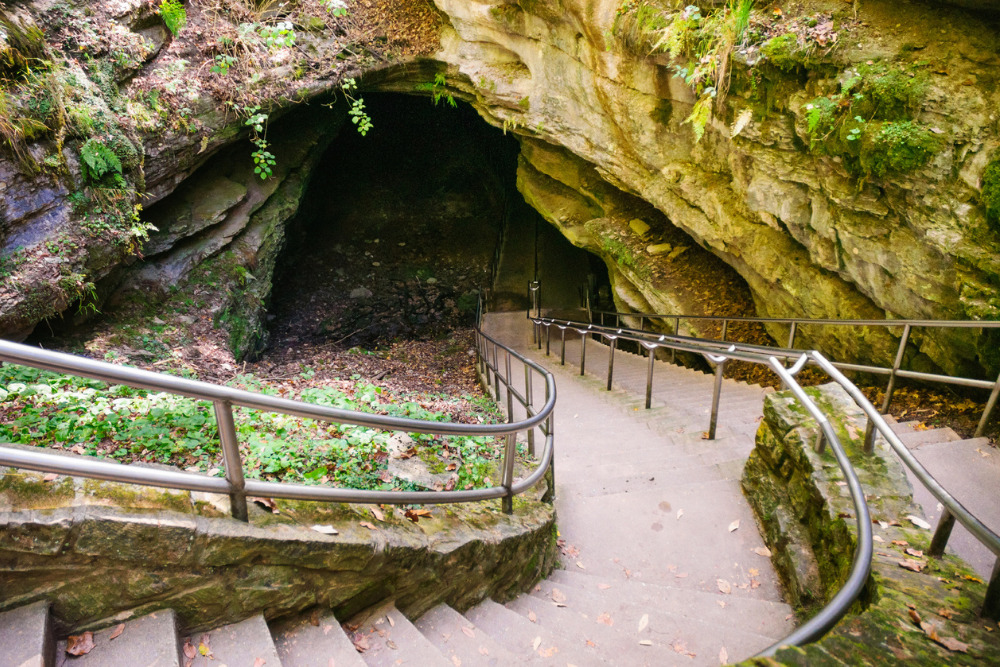
It may surprise some that this Southern state is home to the most extensive cave system on planet Earth. Extensive exploration over the past few years has officially mapped over 426 miles of passages, making Mammoth Cave more than triple the length of the second-longest cave in the world. The cave is in a straight line, spanning the distance from Los Angeles to Las Vegas and back. It’s also the site of some of the world’s most varied cave-dwelling plant and animal life!
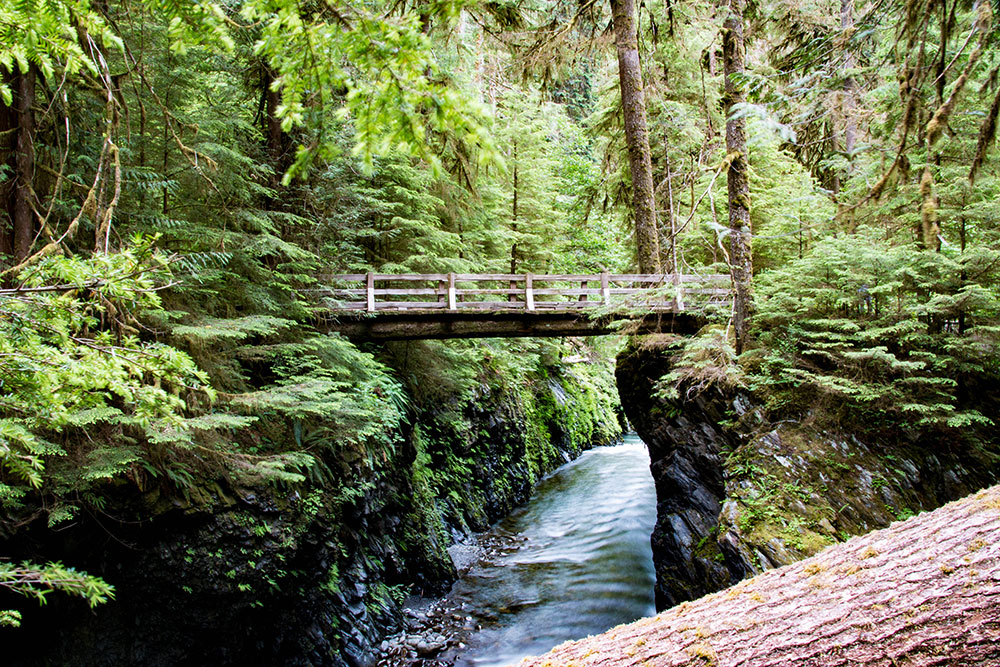
8. Olympic National Park
Port Angeles, Washington
While many other UNESCO World Heritage sites are protected for their cultural or historical significance, a few gain this unique distinction simply because they are unfathomably beautiful. Such is the case with Olympic National Park in Washington. Depending on where you are in the nearly 1 million-acre park, visitors may think they are in a remote location. Including such wonders as glacier-laden mountain ridges, lush and vast rainforests and almost 100 miles of coastline straight out of a fantasy novel, Olympic Park is home to “thousands of years of human history and several distinctly different ecosystems.”
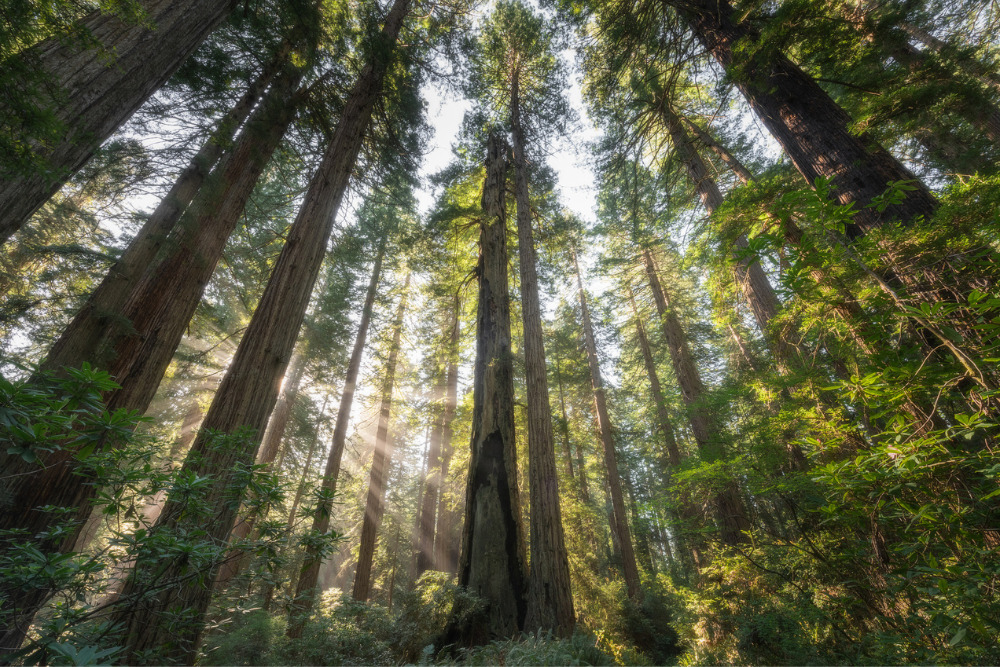
9. Redwood National and State Parks
Crescent City, California
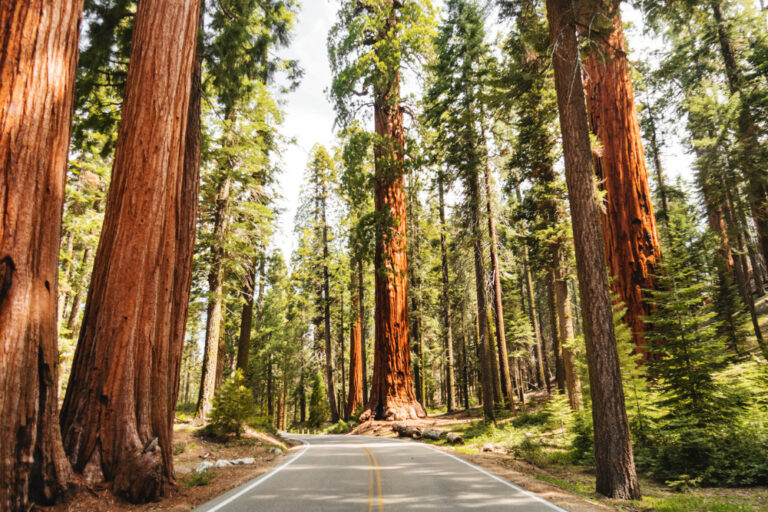
The tallest trees in the world are in the Redwood National and State Parks in California. They’re also among the oldest, dating back well over 1,000 years. This expansive park is an adventurer’s paradise – hiking, camping, flora and fauna studying, tree-hugging, the possibilities are endless! For an unparalleled and uniquely Californian experience, there’s no place like Redwood Park to unplug and get your mind blown by natural beauty.
10. Waterton Glacier International Peace Park
Montana
Known as the world’s first International Peace Park, Waterton Glacier traverses the border of the U.S. and Canada at the Alberta/Montana border. Visitors can admire the vast natural beauty that connects the two countries. This park is known for blurring the border to showcase what we share rather than what makes us different. Grasslands meet the Rockies; walking paths weave through breathtaking vistas, overlooking streams and cascading green hills. Take guided tours, bird-watch, play plant-life Bingo, do whatever it takes to get yourself here and take it all in. Because if any place encapsulates the heart of UNESCO Heritage Sites, it’s Waterton Glacier Peace Park.
Did You Know?
The U.S. currently has 17 more sites on its “Tentative List” (the waiting room for UNESCO status), including the Okefenokee National Wildlife Refuge and several Civil Rights movement sites. Many experts predict one of these will be the 27th site named in late 2026.