

How to Build a Pet-Friendly City: Attract Talent and Boost Your Community
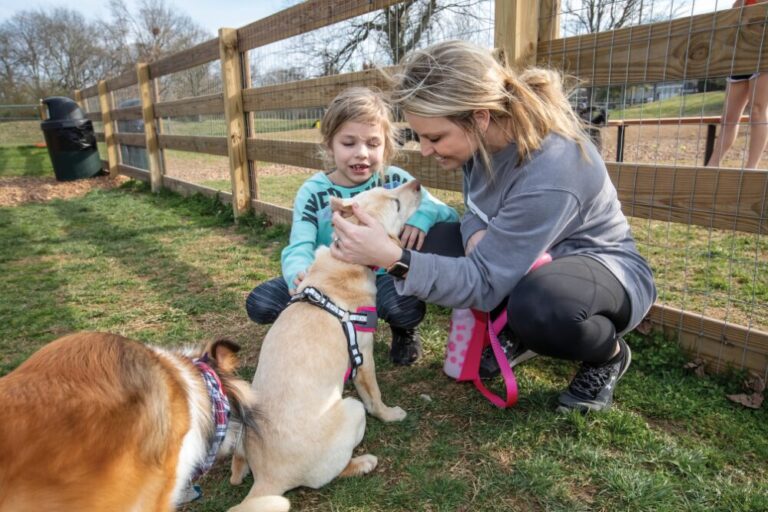
Most households own a pet. In the U.S., 82 million households enjoy a furry, feathered or scaly family member, according to the American Pet Product Association’s 2024 APPA National Pet Owners Survey. During pandemic lockdowns, social distancing and increased remote work, the bond between people and their pets became even stronger.
“The ASPCA reported that 23 million homes added a pet during the pandemic, and my household is one of them — our family just welcomed a puppy named Peanut a few months ago,” says Lisa Campbell, Director of External Affairs, Mars Petcare.
We sat down with Campbell to get the inside scoop on the Mars Petcare BETTER CITIES FOR PETS™ program and why communities should care about pet friendliness. Since 2017, Mars has worked with pet experts, government, community and business partners to establish a model for pet-friendly cities. That has included awarding grants for pet-related initiatives, creating toolkits and model ordinances to support pet-friendly programs, launching a city certification program, partnering on pet-friendly hotel programs, and, most recently, an airport certification program.
Today, more than 100 cities have earned the BETTER CITIES FOR PETS™ city certification to show they’re taking steps to welcome pets and help keep people and pets together.
Q: Why is it important for cities to be pet-friendly?
Campbell: Given how many households welcomed pets since the pandemic began, it’s evident that pet-friendliness is increasingly important to pet parents. Pets have been shown to positively impact owners’ well-being, as they tend to exercise more, report less loneliness and stress, and have stronger social connections.
Pets have also presented an opportunity for businesses within our communities. Our “Keeping People and Pets Together” report found that more than 55% of pet parents said having a pet along would make them more comfortable at outdoor restaurants and events. And a survey by the U.S. Conference of Mayors found that 82% of mayors said providing pet-friendly amenities can have a positive economic impact in their community.
Q: How can pet-friendliness help cities attract talent?
Campbell: Our research showed that about 6 in 10 of Gen Z and Millennial pet parents have or are considering moving to a new home with more outdoor space for their pets.
This insight is an example of how restrictive city policies can create barriers for pet parents, including fewer housing options, limited green space and limited pet-friendly businesses – all of which make it difficult for pet parents to enjoy shared time with pets outside the home.
Communities that actively welcome and encourage pet-friendly programming and policies become more appealing to potential residents.
Q: How can communities be considered for a pet-friendly community grant?
Campbell: Since 2018, we’ve offered BETTER CITIES FOR PETS™ grants to help cities create or expand programs that provide more welcoming communities for pets. Our grant process will open later this year, and cities can be on the lookout for 2025 grant information at BetterCitiesforPets.com/grants and on our Mars Petcare U.S. social channels (Facebook and Instagram).
Q: What are a few unique efforts you’ve seen cities make to prioritize pet-friendliness?
Campbell: Mars Petcare’s backyard of Franklin, TN, was the first city to pilot the BETTER CITIES FOR PETS™ “Pets Welcome” program for pet-friendly businesses, with the purpose of implementing a community-wide slate of pet-friendly business practices. Nearly 100 businesses in downtown Franklin agreed to participate with a shared pet code of conduct, consistent signage, materials for in-store education and a kickoff event. The city also installed pet waste stations throughout the downtown core.
Just outside Franklin, the Nashville International Airport® (BNA) became the first airport to earn Mars Petcare’s BETTER CITIES FOR PETS™ Airport Certification, paving the way for other airports to make traveling more welcoming to people and their pets.
In June 2019, St. Petersburg, FL, launched St. Pete PAWS, an education and communications program to promote compassion for St. Pete’s animals and encourage residents to facilitate “safe, secure and caring environments across the city.” The city has installed an educational mini-parklet for events and shows to promote St. Pete PAWS and responsible pet ownership and is working to refresh signage on how to maintain a thriving, pet-friendly community.
In 2021, Las Vegas, NV, received a BETTER CITIES FOR PETS™ grant for efforts to keep people and pets together. The city expanded a program that assists people experiencing homelessness, to allow them to bring pets with them to the shelter, provide seasonal support like blankets for pets, and help pet parents with pet deposits and fees when they secure housing.
We’ve seen various initiatives among certified cities and many go beyond simply focusing on pets and celebrate working pets too. For example, Fort Smith, AR, has a police department cat, Pawfficer Fuzz, that “paw-trolls” schools, senior living facilities and events in the community.
Q: Can pet-friendliness be a competitive advantage for employers? How?
Campbell: Yes! Our research has shown that many pet owners view pets in the office as an incentive, with 89% of pet parents saying it’s important they continue to spend time with pets during the workday. In fact, pets in the workplace can help retain employees, with 64% of Gen Z and 56% of Millennials saying they would switch jobs or reduce work hours to spend more time with pets.
At Mars Petcare, we’ve seen the benefits of bringing pets to work at our Franklin, TN, headquarters. Associates and their pets can take advantage of the Wi-Fi-enabled dog park, indoor play areas, coffee bars with automated “slurp stations,” and 60+ acres of outdoor green space and walking paths.
Looking to earn your pet-friendly city certification? Visit BetterCitiesforPets.com/assessment to complete the city assessment (it should be completed by someone in the city government or a designated partner, with the approval of the Mayor).