
Beyond Napa: Why Lodi AVA is California’s Most Versatile Wine Region
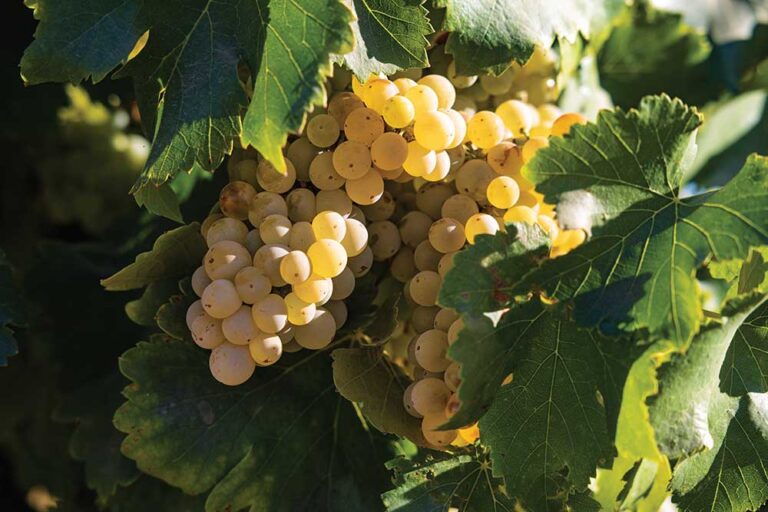
For many locally owned wineries, tending to grape vines and transforming fruit into the intoxicating beverage we know and love is more than a job.
It’s a passion that manifests not only in the winemaking process, but also in care for the sustainability of the land and the people involved.
Stuart Spencer, executive director of the Lodi Winegrape Commission and second-generation owner and winemaker at Lodi’s St. Amant Winery, has been involved in the industry his whole life.
He generously took time, just as the grape harvest was beginning, to share information about the wine industry in Lodi and his own winery’s history.
The Lodi AVA: Versatility and Affordability
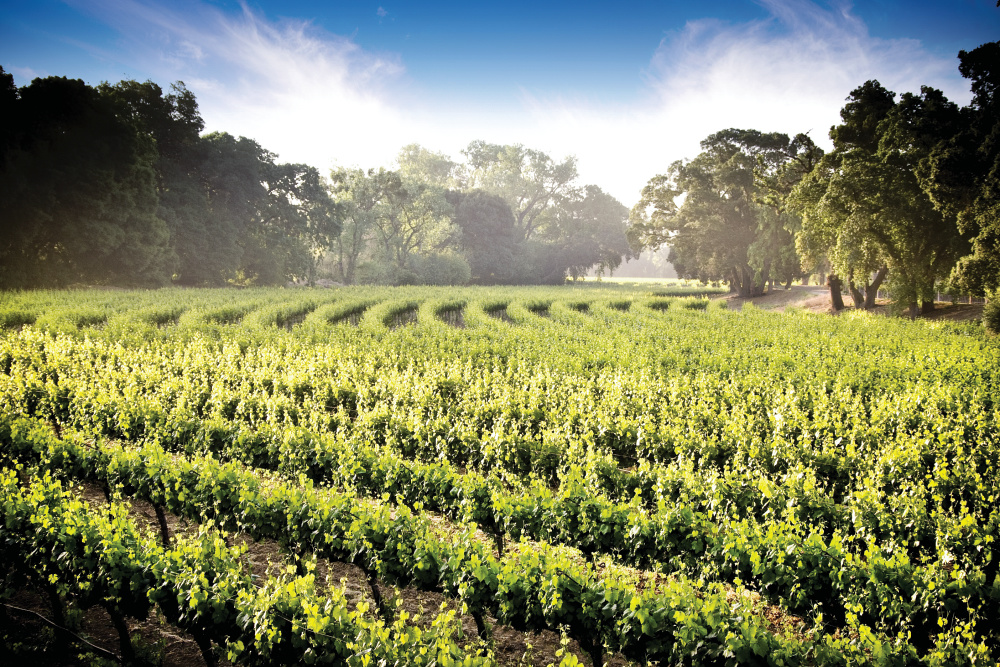
San Joaquin County’s wine industry falls within the borders of the Lodi American Viticultural Area, or AVA. Spencer estimates the Lodi AVA comprises approximately 85 wineries – over 70% of which are family-owned – and about 85,000 acres of vineyards.
The AVA produces about 20% of California wine, and while people know it for its Zinfandel, he explains, no single varietal dominates the area. Instead, they grow over 130 different types of grape varieties there.
Spencer credits that diversity to Lodi AVA’s Mediterranean climate, as well as its reputation for versatility.
“Regions like Napa are very well known for their Cabernet. A grower there would be foolish to plant a Greek variety like Assyrtiko because they wouldn’t make the most return,” he says. “We don’t have that dominant variety from the economic perspective. Wineries are looking for interesting varieties from across the state, and we can provide that at a good price.”
Affordability is also a factor in tourism to the region. “A lot of these places have become very expensive,” Spencer says. “Lodi offers accessibility in the cost of wines, cost of tasting experiences and cost of a hotel night.”
St. Amant Winery: A Legacy Built on Iberian Wines
Spencer’s roots in the San Joaquin Valley are deep.
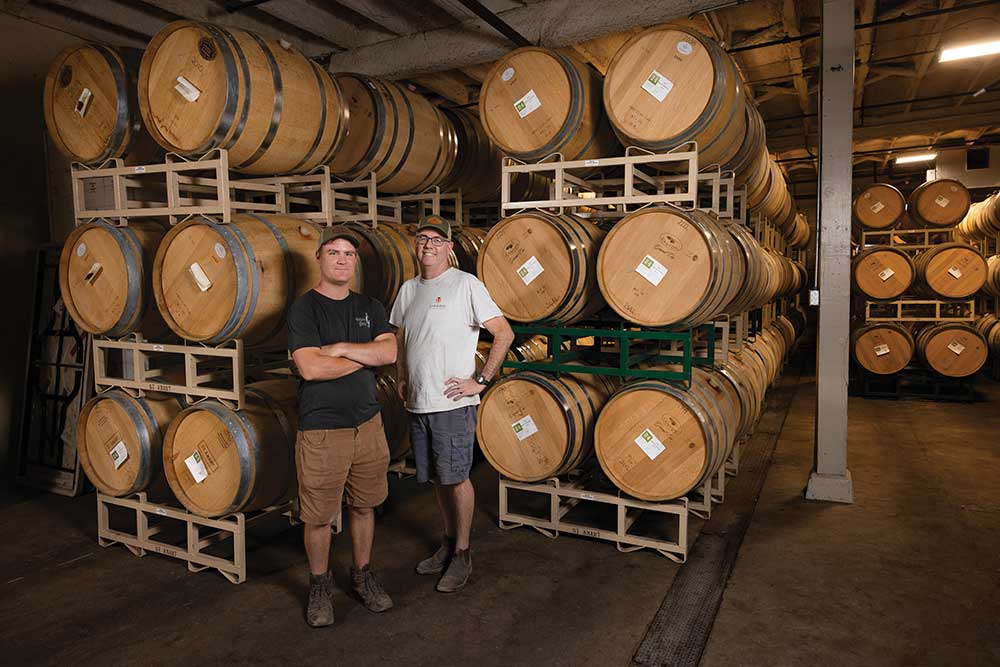
“I grew up in Stockton,” he says. “My family owns a vineyard and winery. We’ve been making wine for 40 years, and we kicked off our 51st harvest yesterday. I grew up in the wine business.”
His parents were originally grape farmers, bringing in their first Zinfandel harvest in 1974; they later launched a retail establishment, Fine Wines of Stockton, with business partners. It was while Spencer’s father, Tim, was searching for wines to line the shop’s shelves that he discovered Portuguese and Spanish wines and, by extension, grapes.
“Dad got really interested in Port-style wines. In California, at that time, those styles were simpler and more one-dimensional,” he says. “Dad got five Port varietals from University of California, Davis in 1980 and grafted them onto our vines. They just did really well.”
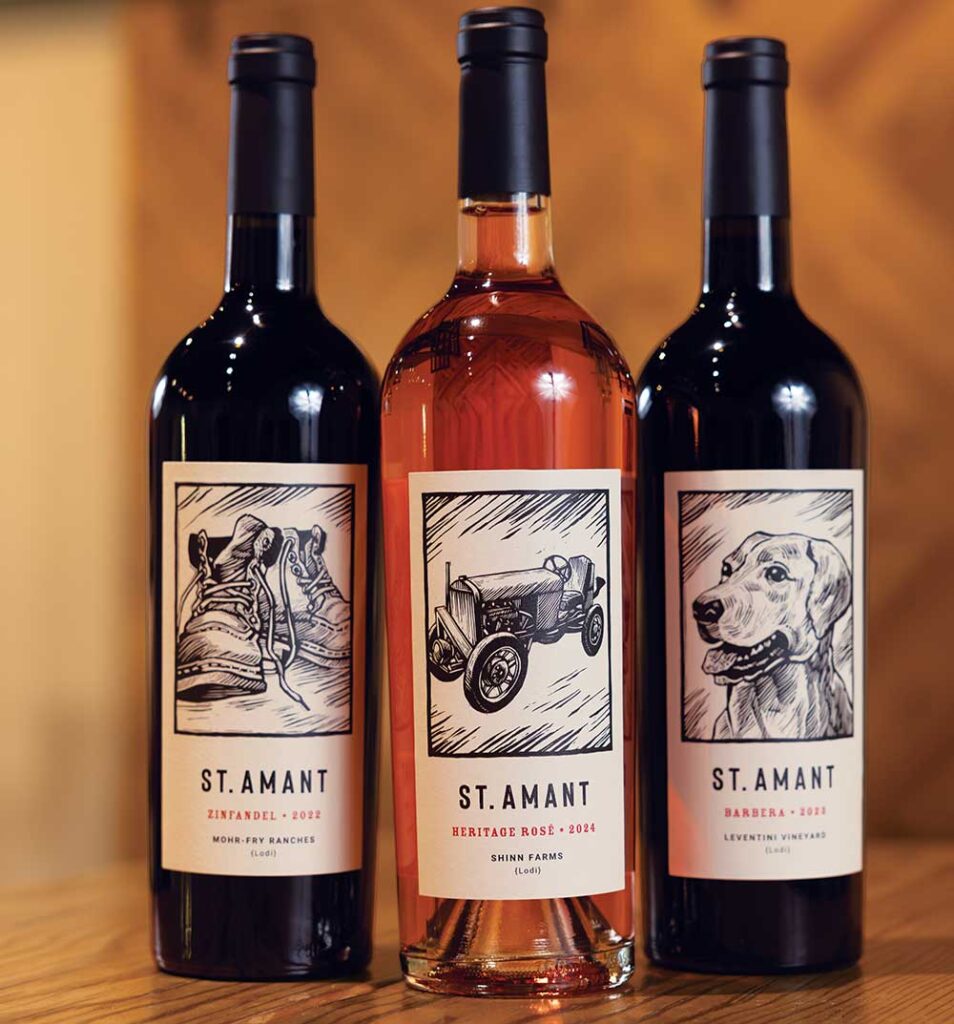
In addition to crafting classic California Zinfandel, Barbera, and Petite Sirah, St. Amant also specializes in Tempranillo, Verdelho, Port and other Iberian wines.
“It created a niche for us,” says Spencer of the focus on Spain and Portugal. “When there are hundreds of wineries, we need a niche to focus on and distinguish ourselves.”
Now, Spencer and his team grow nine different grape varietals on 43 acres, sourcing additional fruit from approximately 20 acres owned by other local farmers.
“The neat thing about wine is we make people happy,” he says.
Spencer has carried on the family business not only because he enjoys the winemaking process and the joy his product brings to customers, but also because building on his parents’ legacy is a foundational value.
“I have a deep sense of obligation and commitment to my family, and I want to see St. Amant move forward,” he says. “I feel like I’m part of something that’s bigger than me.”
Lodi AVA Stats
85 wineries in the region
85,000 acres of vineyards
75% of wineries are family-owned
130 types of grape varieties
Get to Know San Joaquin County
Want to learn more about living and working in San Joaquin County, CA? Check out the latest edition of Livability San Joaquin County, California.