
The Port of Virginia: A Hub of Industrial Innovation in Hampton Roads
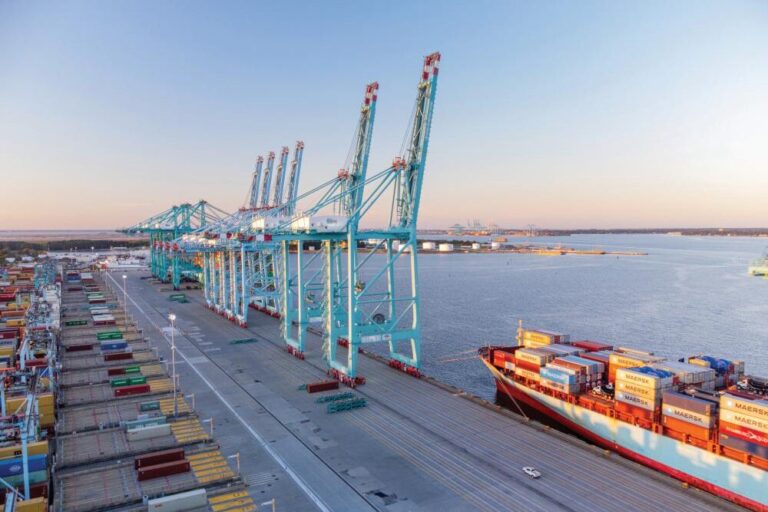
Since the early days of Jamestown in 1607, “America’s First Port” has welcomed the people and infrastructure that transformed North America. Today, The Port of Virginia, located in the Hampton Roads region, stands as a cornerstone of U.S. trade and national security. With a coordinated effort to build a world-class maritime workforce, the region is transforming its historic waterways into a high-tech engine for global expansion and industrial innovation.
Global Gateway
Global trade leaders rely on The Port of Virginia’s strategic advantage to keep their supply chains moving.
“Our national significance is as the second-largest port on the East Coast in tonnage, third largest by container volume, and that we have the largest shipbuilding and ship repair industrial complex in the nation,” says David White, Executive Director of the Virginia Maritime Association. “We have perhaps the busiest waterways on the East Coast, with 5,000 transits annually of commercial deep draft ships, nearly as many naval movements and 6,000 barge moves. The maritime industry is constantly evolving, innovating and creating new opportunities.”
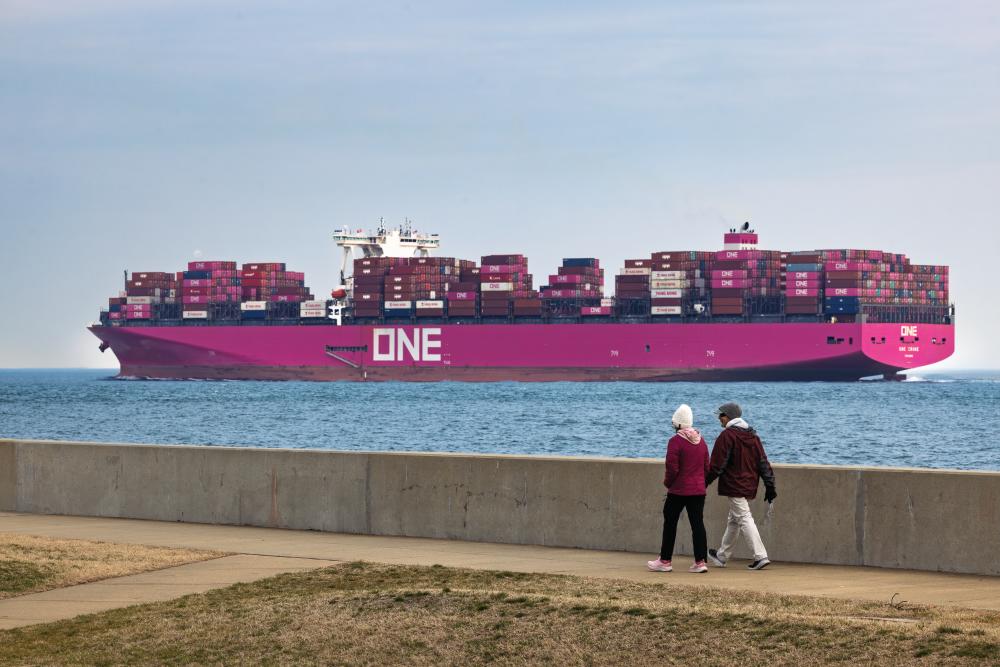
The port serves as a powerhouse of economic opportunity, hosting a diverse workforce that spans the entire maritime ecosystem. Beyond core operations like shipbuilding, terminal operations and offshore wind, the industry is sustained by a robust infrastructure of skilled trades and logistics. This reach extends into the corporate sector, offering high-level careers in finance, executive management and customs-house brokerage. Filling these workforce needs requires coordinated efforts between public and private partners.
The Hampton Roads Executive Roundtable is composed of major business and higher education executives from the region. The organization seeks to expand the region’s economy and competitiveness, identify major strategic initiatives, foster innovation and promote regional collaboration. Nancy Grden, President and CEO for the Roundtable, says another example of this type of partnership is the Hampton Roads Workforce Council, which developed a Maritime Training System.
“Our shipbuilding and ship repair industries – to also include our offshore wind industries – rely on a labor supply of machinists, welders, marine electricians, pipefitters and shipfitters, and sheet metal workers, as well as engineers, cyber and data analysts, and others,” she says.
According to a 2025 Impact Report, the Maritime Training System will graduate nearly 10,000 skilled maritime trainees annually by 2028, which Grden says will fully meet the needs of regional and Navy maritime workforce demand. By leveraging robust physical assets and public-private partnerships, Hampton Roads has become a sought-after region for global expansion.
“Hampton Roads is a maritime economy, and this is what makes us unique from other regions,” White says. “The region would be well served to focus on protecting, promoting and capitalizing on what makes Hampton Roads unique and strong and gives it a competitive advantage.”
The Port of Virginia By the Numbers
2/3: Total U.S. population accessible within 24 hours of the port
729, 600: The number of jobs supported by the port
No. 2: The Port of Virginia is the second largest port on the East Coast by tonnage
1607: The year the port was founded at Jamestown
55 Commercial marine facilities
National Security Epicenter
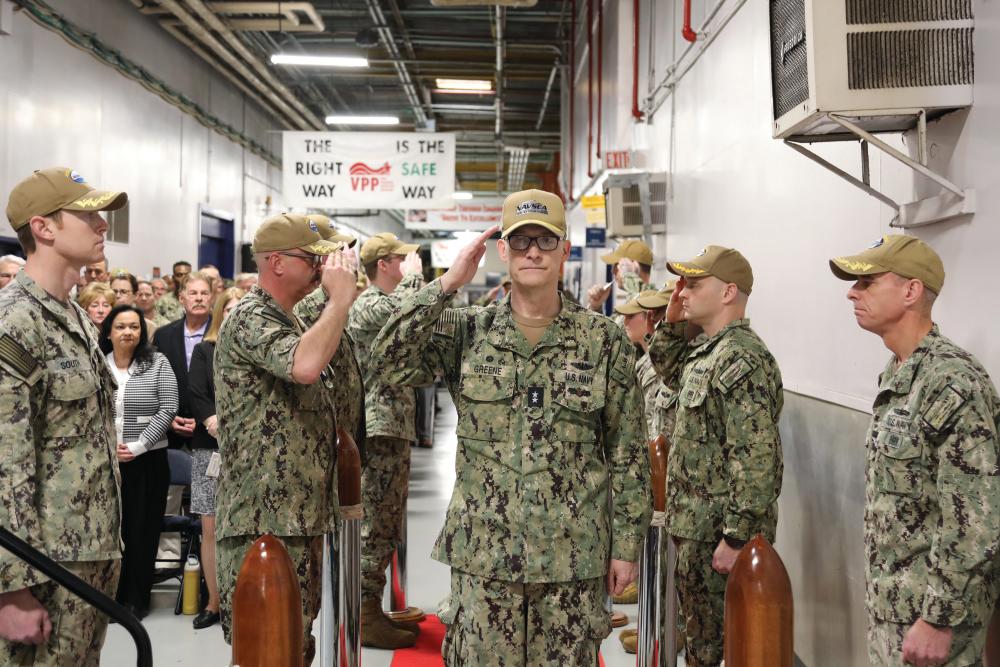
What really sets Hampton Roads apart is its status as home to the world’s largest naval base, Naval Station Norfolk.
“Hampton Roads Alliance (the leading regional economic development organization) has launched an effort to grow our key industries and job opportunities in the ‘DEAL’ structure – Defense, Energy, Aerospace and Logistics,” Grden says.
This effort positions the region to be especially adaptive for defense and maritime industrial bases – specifically in terms of workforce, technology and innovation, infrastructure, and strengthening supply chains.
“As the nation seeks to remilitarize, to (reshore) and to reenergize, Hampton Roads will continue to be the epicenter of our nation’s national security apparatus,” she says.
White says efforts are also underway to optimize the northern portion of Norfolk International Terminals, which will increase container handling efficiency and capacity. Virginia already boasts the deepest shipping channels on the East Coast, and plans are in place to increase depth in the Elizabeth River, further increasing capacity for commercial and military endeavors.
“The military is a key driver of the economy of Hampton Roads,” White says. “We value the collaborative working relationship that exists between the Navy and commercial sector in planning activities and the coordination of daily operations in our port.”
It’s evident the spirit of ingenuity and determination demonstrated with the port’s humble beginnings in Colonial America continue to propel the region economically.
“Hampton Roads is a vibrant coastal region where history, culture, innovation and community converge,” Grden says.
Get to Know Hampton Roads, VA
Want to learn more about living and working in the Hampton Roads, Virginia, region? Check out the latest edition of Livability Hampton Roads, VA.