
Rightsize Your City: 5 Reasons Why Small to Mid-Size Cities Are the Best Places to Live

Here at Livability, we pride ourselves on thinking big while living somewhere small: when it comes to the best places to live, we have long advocated for the charm, amenities and opportunities to be found in small to mid-size cities. New York City, Chicago, LA, Miami, Seattle – these historic heavy hitters naturally get plenty of love and national media attention.
However, we prefer to shine a light on places that may be overlooked but absolutely deserve your attention. This year, our Top 100 Best Places to Live list focused on cities with populations between 75,000 and 500,000: “large enough for big opportunities, small enough to feel like home.” And we got a lot of questions about why.
If you’re currently living in a city of millions and curious about downsizing (in a good way), exploring the benefits of living in a small city can completely reshape your perspective on what a community can offer.
1. Fewer Hurdles to Quality Healthcare
In large metropolitan areas and major cities, accessing top-tier medical care often means navigating months-long waitlists and enduring stressful, gridlocked commutes. In small and mid-sized cities, the competition isn’t as fierce and local hospital systems aren’t as overloaded. Because these medical hubs operate at the community scale, healthcare systems and primary care providers remain tightly woven into the daily fabric of the neighborhood.
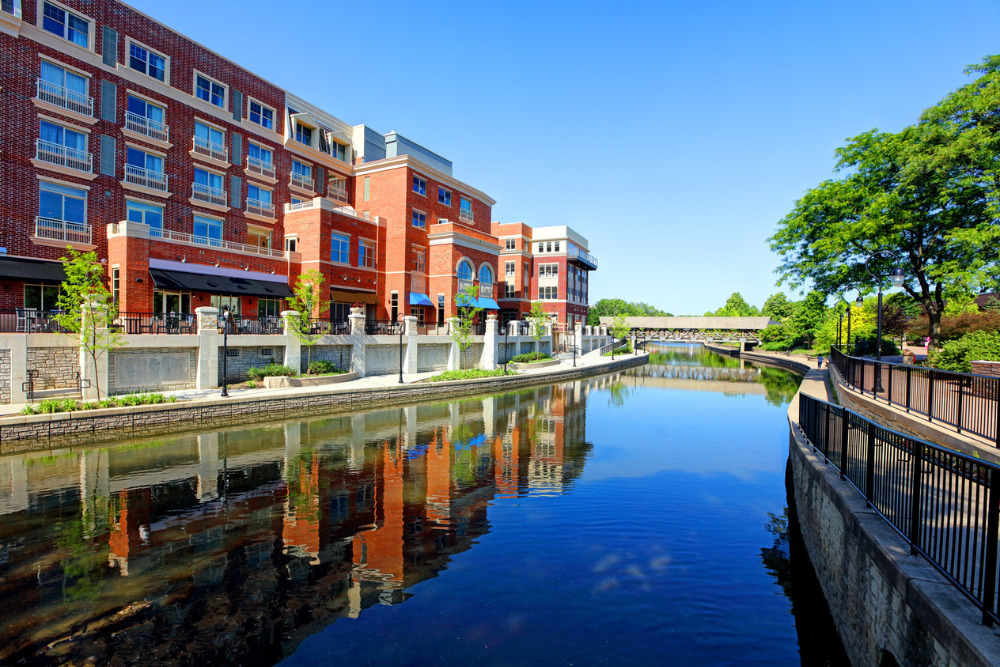
Some “Sweet Spot” Cities for Healthcare:
- Naperville, IL: Naperville scored a perfect 100 in the health care category on Livability’s 2026 Top 100 Best Places to Live, and it’s a great example of the well-rounded health and wellness offerings of a mid-size city. Residents have access to a wide range of specialists at Edward Hospital, as well as trails and green spaces to stay fit and active in their day-to-day lives.
- Rochester, MN: Home of the famous Mayo Clinic (which happens to be the no. 1-ranked hospital in the United States), Rochester residents don’t have to go far to find world-class health care.
2. Surprising Walkability and Sustainable Transit
The words “car-free life” instantly conjure the bustling streets – and comically tiny apartments – of Manhattan or downtown San Francisco or some other major metropolis. While big cities are certainly famous for transit connectivity and walkability, don’t sleep on the potential of mid-size cities for a connected, sustainable life. When weighing small vs big city living, consider that in a city of 200,000 residents, you can easily live in a modern downtown condo for a fraction of big-city real estate prices, while remaining a mere 10-minute walk from your favorite bistro and the municipal trail system.
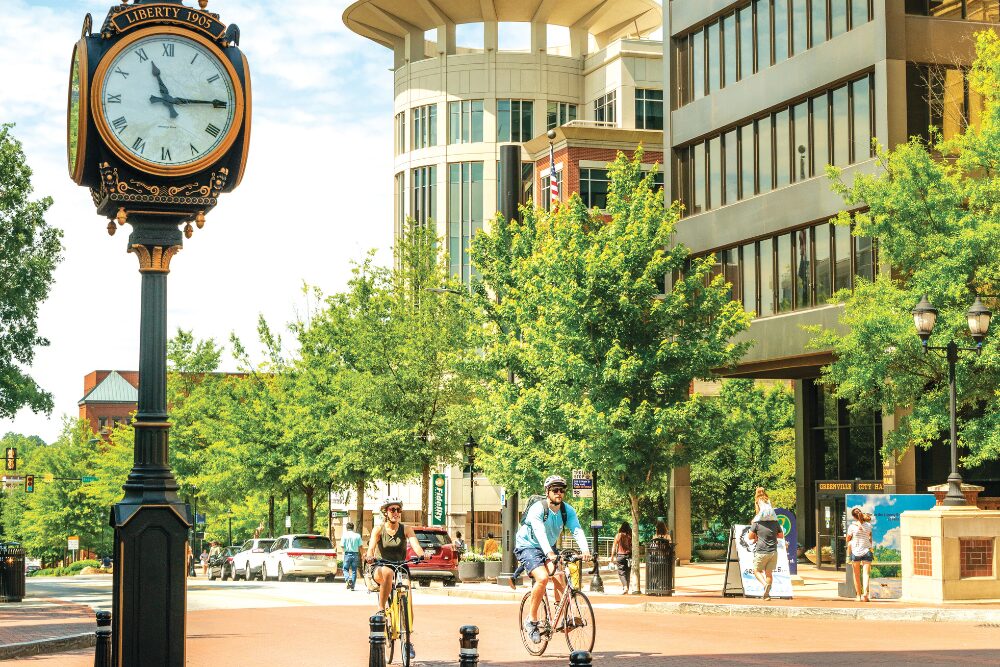
Some “Sweet Spot” Cities for Walkability:
- Greenville, SC: Greenville’s downtown has undergone a multi-decade revitalization to support a “car-light” lifestyle. What does this look like? A bustling urban center with a wide range of residential options, parks, and shopping and dining destinations.
- Gresham, OR: With a light rail line to Portland expediting commutes, Gresham ups the ante with its own downtown area that gives residents plenty of opportunities to leave the car at home on evenings and weekends, too.
3. Intergenerational Appeal for Families and Retirees
Mid-size cities attract many young families looking for affordability, room to breathe, excellent public schools and a strong sense of community. Another demographic you’ll find flocking to smaller metros for many of the same reasons? Retirees.
This organic mix of residents from vastly different life stages deeply benefits the entire community: the diversity of ages and life experiences provides endless opportunities for generations to support, mentor and look out for one another – proving that moving to a mid sized city can enhance safety and connection for all age brackets.

Some “Sweet Spot” Cities for Young Families and Retirees:
- Wilmington, NC: Picturesque beaches, an easy coastal way of life and accessible home prices appeal to both young people and seniors.
- Tempe, AZ: Retirees flock to Arizona for the beautiful weather, welcoming community and golf courses galore. Tempe checks all these boxes, along with a funky arts scene, vibrant downtown and spring training baseball games to appeal to any age.
4. How the Social Benefits of Living in a Small City Boost Well-being
Being recognized by your local barista, getting invited to a neighborhood potluck – these things feel nice day-to-day, but they’re also important indicators of community belonging, which is more integral to our well-being than we may realize. A recent study found that engaging in shared activities, participating in community events and maintaining consistent face-to-face connections with those around you are all direct determinants of physical and mental health.
When looking at the benefits of living in a small city, it becomes clear that smaller populations drastically fast-track these meaningful connections. Unlike big cities, where it’s easy to get lost in the crowd, life in a small to mid-size city is full of familiar faces, easy access to meaningful community engagement and invitations to join the party.
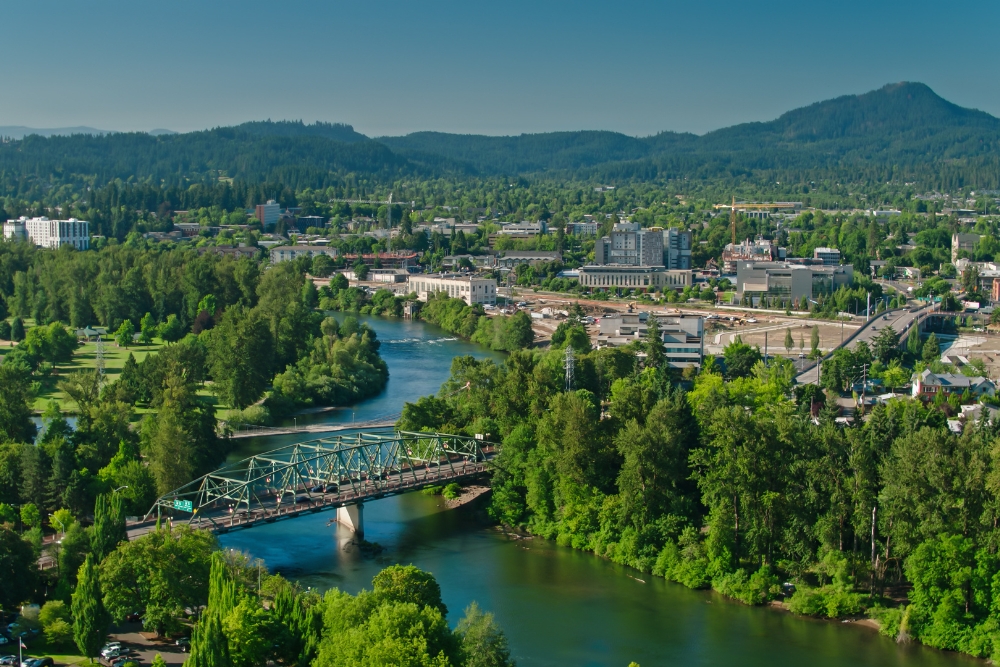
Some “Sweet Spot” Cities for Community Belonging:
- Eugene, OR: If Eugene’s beautiful natural scenery and ample green spaces aren’t enough to boost your physical and mental health, the tight-knit community here will do the trick.
- New Braunfels, TX: With a growing population seeking a slower pace outside nearby larger cities San Antonio and Austin, residents of New Braunfels have created a warm, active community where newcomers are welcomed into the fold.
5. Shorter Paths to Career and Entrepreneurial Progress
Whether you are looking to launch a brand-new business, spearhead a neighborhood improvement project, or secure a seat on a local nonprofit board, making things happen in a city of millions can be daunting. Dealing with more institutional competition, more obstacles and more distance between you and decision-makers means a slower path to progress.
Conversely, rightsizing your life by relocating to a smaller city offers a fast track to making your voice heard and bringing your big ideas to life. Smaller cities love their engaged residents and offer myriad ways to get involved and find support and resources for whatever you’re dreaming about building.

Some “Sweet Spot” Cities for Making Things Happen:
- Pittsburgh, PA: With all the trappings of a much larger city (renowned universities, pro sports teams), Pittsburgh is still small enough for residents here to access city leadership, small business support and local groups of like-minded doers to rally behind you.
- Champaign, IL: Champaign prides itself on fostering and nurturing dreamers, visionaries and thinkers. Powered by the University of Illinois Urbana-Champaign and supported by an enthusiastic, active community, this is a place that celebrates innovation and engagement and does everything it can to match the energy you bring.