
Southern California Logistics Airport Celebrates 30 Years of Transformation
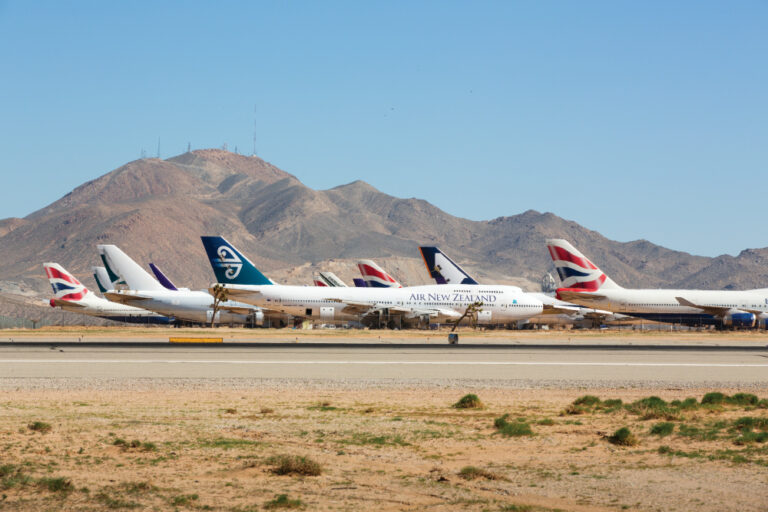
Thirty years ago, the closure of George Air Force Base cast a shadow of economic uncertainty over the Victor Valley region of Southern California. But from that closure emerged a bold new vision.
In 1994, the Southern California Logistics Airport (SCLA) officially launched, beginning a stunning transformation that has culminated in its status as the region’s foremost economic engine.
Today, SCLA is a symbol of resilience and reinvention throughout the Victor Valley and Southern California. It is now a thriving hub for aviation and aerospace innovation, global logistics and advanced manufacturing.
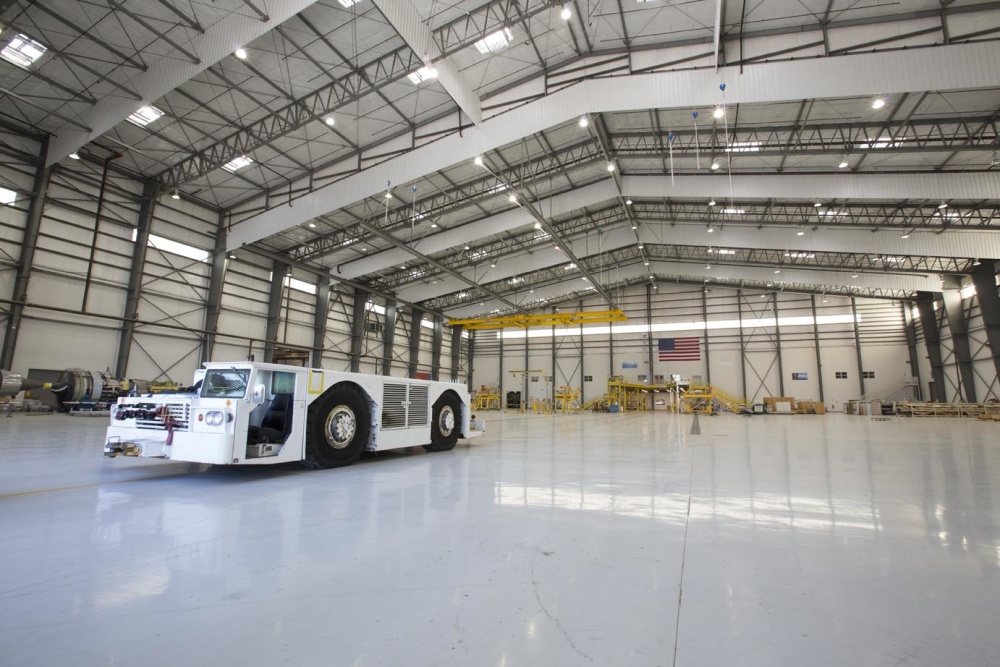
More than 60 companies now operate at the airport, including Boeing, which runs a major aircraft modification facility, and GE Aerospace, which conducts vital aircraft engine testing.
In This Article
An Array of Industries
Over the years, SCLA has evolved to meet the changing needs of global commerce. In addition to aerospace operations, the airport supports a growing array of industries, from e-commerce fulfillment to precision fabrication. It has also benefited from sustained public investment, which has enhanced both its operational capabilities and its appeal to site selectors and corporate investors alike.
A range of vocational and workforce development partnerships have also helped ensure the region has the skilled labor force needed to support continued growth.
These companies are drawn by SCLA’s strategic advantages: expansive infrastructure (including a 13,052-foot runway capable of handling the world’s largest aircraft), ample industrial space, and a prime location about 105 miles from the Port of Los Angeles. Their presence has catalyzed a robust ecosystem of suppliers, support services and emerging technologies, cementing the airport’s role in Southern California’s logistics and aerospace economy.
“SCLA’s importance to our region is undeniable,” says Sue Jones, public information officer for the City of Victorville. “It’s the largest employment center in the Victor Valley, home to Fortune 500 companies, and it’s the reason Victorville has emerged as a leader in the aviation, industrial and manufacturing industries.”
Magnet for Employers
SCLA’s economic influence extends far beyond its perimeter. The airport’s presence, combined with the region’s advantageous location and transportation network, has driven rapid industrial development in the surrounding area. More than 7 million square feet of state-of-the-art industrial space has been constructed nearby, designed to meet the needs of large-scale manufacturers and logistics operators.
“The SCLA is attracting significant business investment, and we are closing in on restoring all of the jobs lost when the George Air Force Base closed 30 years ago,” Jones says. “As a result, our local economy is thriving, and our future is bright.”
This expansion has attracted household names, including Keurig Dr Pepper, Amazon, Plastipak, Mars and Graco, all of which have established major facilities in the area. Together, they’ve helped transform the Victor Valley into a critical node in Southern California’s supply chain, while creating thousands of jobs and diversifying the local economy.
Shaping the Future
What began as a strategy to recover from the loss of a military base has become one of California’s most successful base reuse projects. Through strategic planning, public-private collaboration and long-term investment, SCLA has honored its legacy while shaping a prosperous future for the Victor Valley region.
As SCLA celebrates its 30th anniversary, its momentum shows no signs of slowing down. Planned infrastructure upgrades and the arrival of new tenants are poised to strengthen its role as a major cornerstone of regional growth for decades to come.
“We will continue to attract new aviation, manufacturing and warehousing companies to SCLA,” Jones says. “We believe aircraft development and flight testing will continue to be a thriving industry at SCLA, mainly because of our close proximity to restricted airspace and clear-sky weather. We have several infrastructure improvements planned to further modernize our campus to serve the businesses who call the SCLA home.”
Those plans include the reconstruction of several roadways, additional building improvements and more investment to develop hangar and cargo space.
“We have a vision for the SCLA and will continue to plan and execute our goals to achieve this vision,” Jones says.
SCLA’s Building 686 Set for Reuse
The Southern California Logistics Airport (SCLA) is breathing new life into Building 686, a long-dormant structure that sat unused for over 20 years following the closure of George Air Force Base.
This ambitious refurbishment project will unlock 59,000 square feet of prime industrial space, further solidifying SCLA’s role as a magnet for aerospace, logistics and manufacturing investment in the Victor Valley.
Building 686’s history indicates it was used for tasks like jet engine repair. The building’s size, high ceilings, large access doors, potential crane systems and strategic location near active aircraft maintenance ramps and hangars make the large structure an ideal space for aviation-related tenants.
This could include companies involved in aircraft maintenance, repair and overhaul, aerospace logistics, parts storage, or light manufacturing supporting the aviation cluster at SCLA. The facility’s proximity to flight testing areas and heavy-duty infrastructure further enhances its appeal to companies requiring airside access or quick transport of high-value components.
In addition to attracting new business, the project will help meet the needs of existing tenants at SCLA that need space to expand and for equipment and parts.
Bringing this long-dormant building back online turns it into a valuable revenue-generating asset through tenant leases. Projections indicate the rehab costs could potentially be recouped within about four years based on market lease rates, making it a sound, long-term investment.
The refurbishment further underscores SCLA’s commitment to adaptive reuse and smart development, transforming legacy military infrastructure into engines of modern industry.