
Victor Valley Logistics Boom Is Reshaping the High Desert
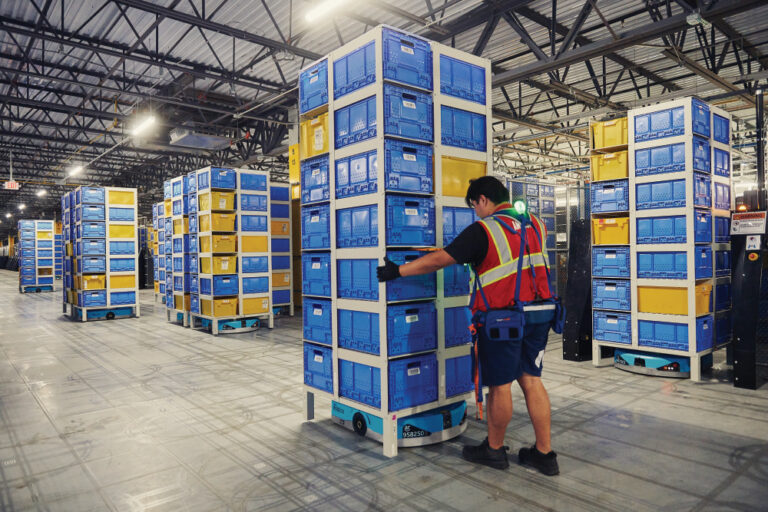
Victor Valley’s logistics boom is filling with the giant warehouses that keep American shelves stocked. Projects are drawn by affordable land, room to build and a location just over the mountains from the nation’s busiest ports.
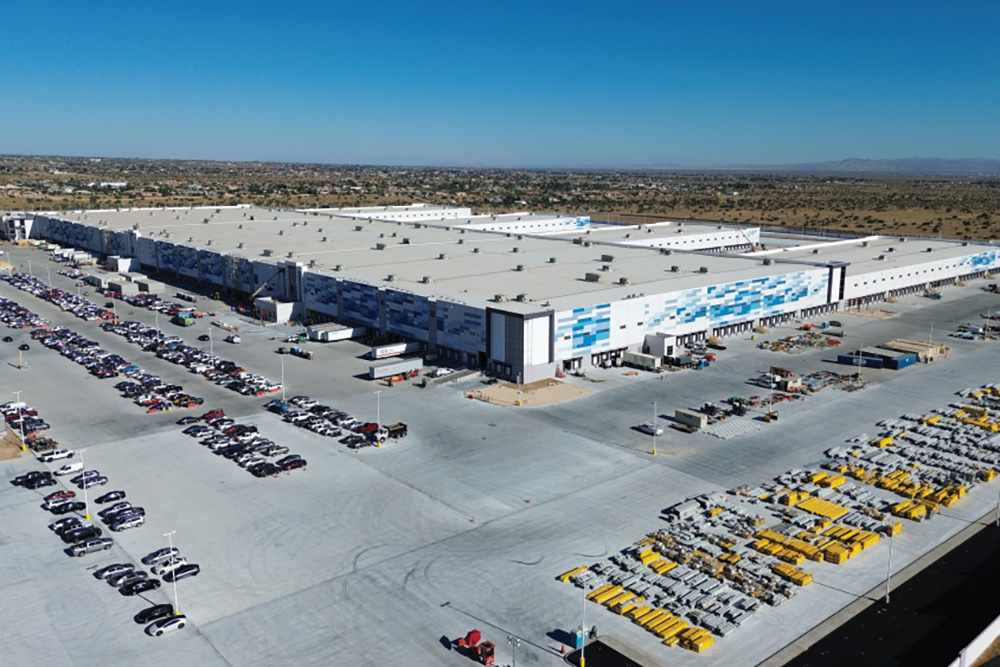
The region is leading the way with “middle mile” facilities, the hubs that move goods between distant warehouses and local delivery stations. The headliner is Amazon’s 2.5 million-square-foot facility in Hesperia, the company’s first West Coast middle-mile hub, rising on Phelan Road near Highway 395. When it becomes fully operational in late 2026, it is expected to create about 1,000 permanent jobs and, with 500 docking stations, serve the entire Western U.S. It has already supported roughly 1,000 construction jobs.
“The Amazon Middle Mile facility is a logistics powerhouse, one that will anchor and accelerate the co‑location of supply‑chain operations throughout Hesperia and the entire High Desert region,” says Orlando Acevedo, Hesperia’s director of development services. “Developments like this are more than buildings; they are catalysts. They bring major capital investment, extend much‑needed infrastructure and, most importantly, help keep our commuting workforce closer to home and closer to their families.”
Business Is Booming
Amazon is the latest sign of a sector that has been booming in Hesperia. The nearby Hesperia Commerce Center spans 3.5 million square feet and counts global logistics company Maersk among its tenants, and the city’s building permits have surged in recent years as developers race to add space.
City leaders see warehouses as an engine for construction jobs now and retail, housing and services later. Across the region, major retailers have staked their own claims, drawn by the same combination of affordable land and freeway access that puts goods within reach of markets throughout the West.
Adelanto, meanwhile, has rewritten its land-use plans to prioritize large warehouses, drawing “frontier” investors who are building the next wave of speculative industrial space along the Highway 395 corridor, betting that tenants will follow.
The city’s transformation reflects a broader shift in how High Desert communities are thinking about economic development – trading vacant desert acreage for infrastructure that plugs directly into global supply chains.
Together the High Desert cities are turning open land into one of Southern California’s busiest logistics landscapes, close enough to the ports to be useful and far enough out to have the room the coast no longer does. As e-commerce continues to reshape how goods move across the country, the Victor Valley is well positioned to grow alongside it.
Get to Know the Victor Valley
Want to learn more about living and working in Victor Valley, CA? Check out the latest edition of Victor Valley Economic Development.