
Robertson County Schools Sets the Pace in Workforce Development
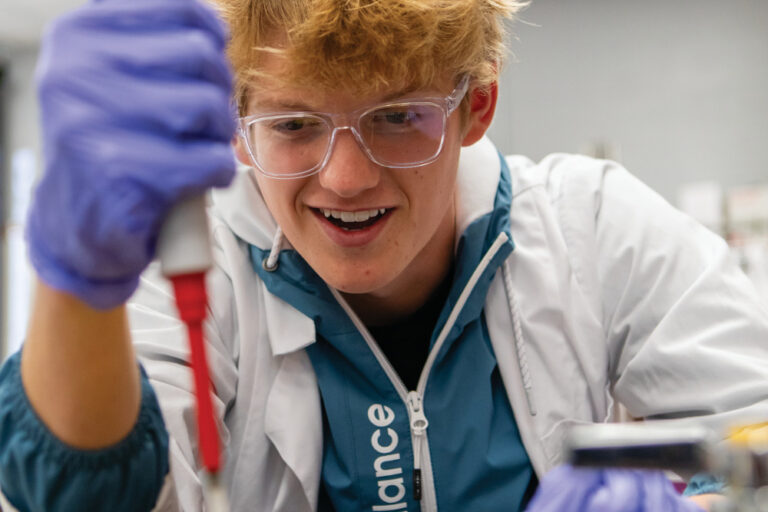
In Robertson County, education isn’t just about memorizing facts and figures; it’s about preparing students for their futures. That’s why Robertson County Schools places a strong emphasis on career exploration and hands-on learning. The district is dedicated to helping students discover their passions and transform them into promising careers through career and technical education (CTE) programs and strategic partnerships with employers.
These initiatives are not only transforming the lives of students but are also fueling the region’s economic growth and helping meet workforce needs.
Exploring Careers Early On
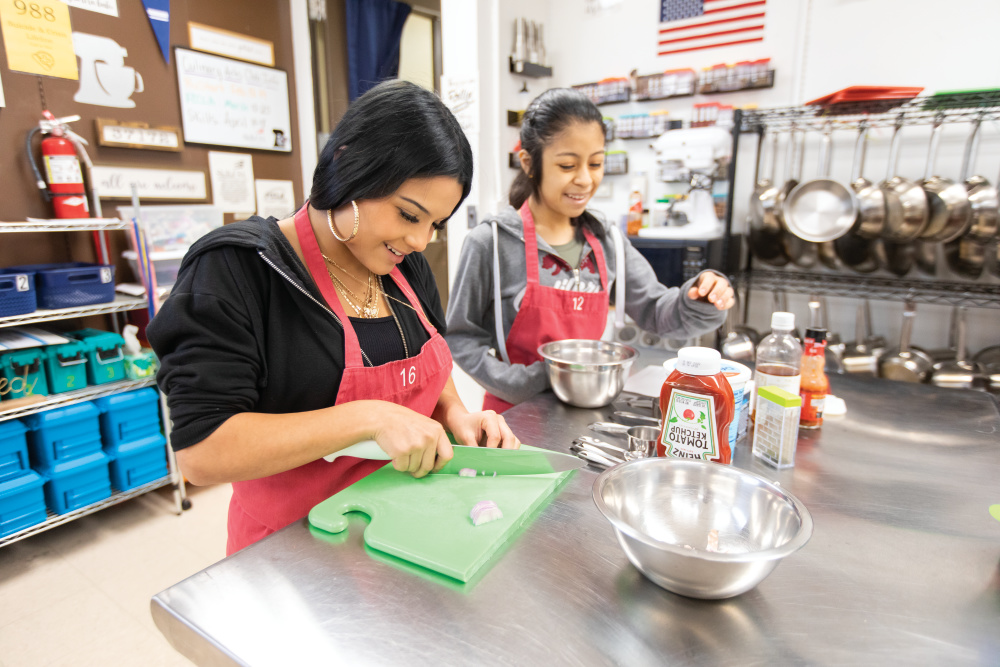
Career readiness starts early in Robertson County, says Mark Gregory, supervisor of career and technical education for Robertson County Schools. Students begin exploring career paths as early as seventh and eighth grade through dedicated career exploration classes.
“In these classes, students explore the careers and skills needed for the career clusters represented in our high schools that reflect the needs of our businesses,” Gregory says.
These courses are supported by the YouScience assessment, which measures aptitudes and interests. Students are also introduced to in-demand industries at the annual Eighth Grade Career Fair, where business leaders showcase real-world opportunities.
“The goal is to provide guidance to students and families, concerning the selection of programs in our high schools,” Gregory says. “Our mission is to connect students with opportunities that not only align with their interests and aptitudes but also serve the needs of our community. It’s about creating a pipeline of talent that benefits everyone – students, businesses and the region as a whole.”
Meeting Modern Workforce Needs
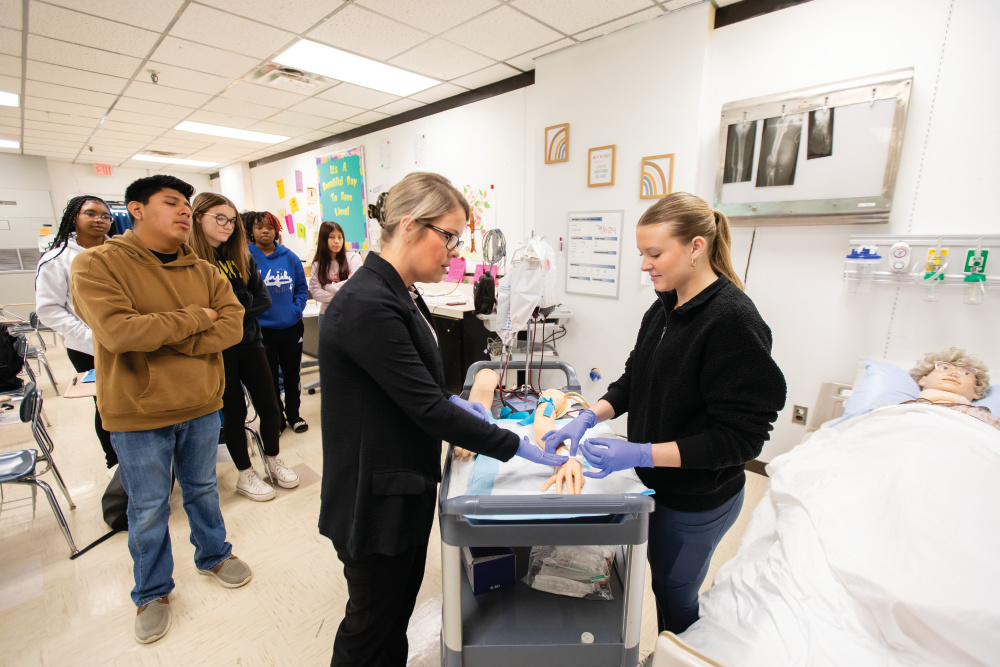
A cornerstone of the district’s CTE program is the emphasis on industry certifications, which ensures students graduate with competitive credentials that directly translate into job opportunities.
Gregory says the program began with just 24 vouchers for Microsoft Office in 2017 and has grown exponentially to include more than 1,000 certification tests in 25 different areas.
“This ensures our students are not only technically proficient but also prepared to thrive in workplace environments,” he says.
Robertson County Schools works with Volunteer State Community College and the Tennessee College of Applied Technology TCAT) to offer certifications and dual enrollment opportunities, which enable a seamless transition from high school to higher education.
“We’ve introduced an agribusiness dual enrollment program and expanded pathways in welding and HVAC at TCAT campuses. Our partnerships are vital in keeping these programs viable and impactful,” Gregory says.
Bringing Everyone to the Table
Gregory says a key to the region’s workforce and economic development successes is the partnership between the school district and business leaders.
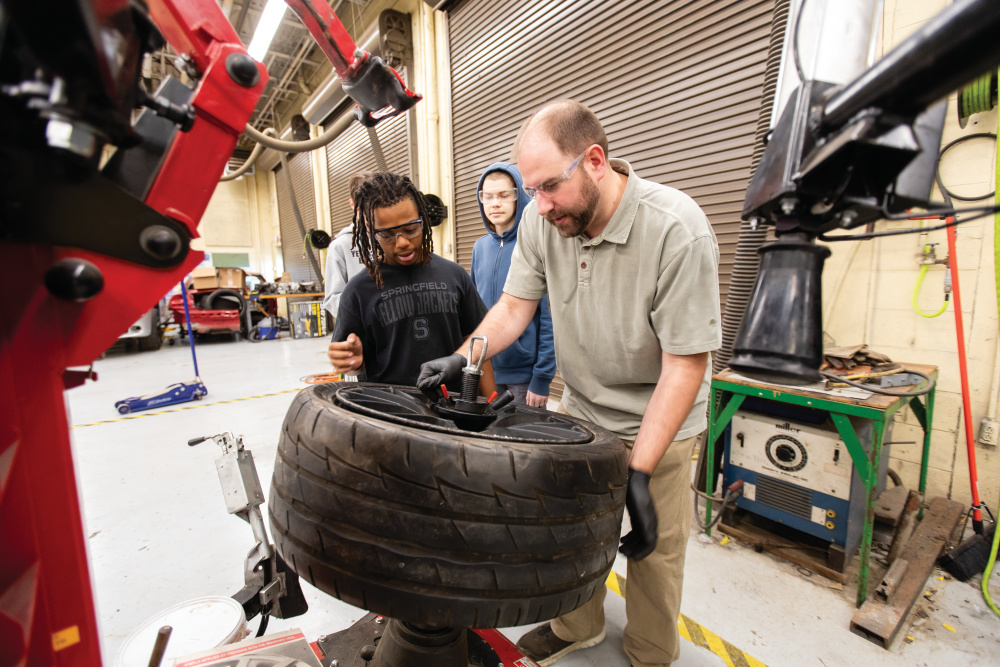
“Every September, our teachers meet with industry leaders aligned with their subject areas. These discussions provide invaluable insight into current trends and skills needs,” he says. “We also have advisory committees that are part of each program of study at each school. Teachers invite local partners to visit their classrooms, serve as guest speakers, host company tours and provide feedback on instruction.”
Gregory says Robertson County conducts a Comprehensive Local Needs Assessment (CLNA) every two years to evaluate local job market data and determine if the district’s current programs meet industry needs. The school district also leverages its Workforce and Education Council – a partnership of the Robertson County Chamber of Commerce, Robertson County Economic Development Board, state agencies, local industries and educational institutions – to identify in-demand skills.
“This committee works to bring together all areas of workforce development to one table to look for common threads and ways to work together,” Gregory says. “Products of this committee have included the Eighth Grade Career Fair and 12th Grade Job Fair, a professional development day for teachers with industry and graduation ceremonies for students earning industry certifications.”
This collaborative approach ensures that the curriculum remains relevant to the evolving demands of the job market. By engaging with local businesses, the district is creating a dynamic learning environment where students gain real-world skills and knowledge, setting them up for success in their chosen careers.
Get to Know Robertson County, TN
Want to learn more about living and working in Robertson County, TN? Check out the latest edition of Livability Experience Robertson County, Tennessee.