

The Ultimate 30A Bucket List: 50+ Essential Experiences
The 30A corridor in Florida offers a distinctive mix of white-sand beaches, coastal dune lakes, walkable town centers, and a surprisingly deep bench of parks, restaurants, and local traditions. Stretching across South Walton, this scenic route links communities such as Dune Allen, Grayton Beach, Seaside, WaterColor, Seacrest, Rosemary Beach, and Alys Beach. The result is a lifestyle built around easy beach access, bike rides between neighborhoods, and a strong sense of place that feels different from a typical resort strip. Here are the must-do activities, classic sights, community events, and local gems organized by theme so you can experience the best of the 30A corridor.
How to Use This List
The 30A corridor is best explored by pairing beach time with stops in individual communities, state parks, and local gathering places. Use this bucket list to build a full itinerary or to break the area into smaller outings by theme. Some experiences are best early in the day, especially in peak season, while others work better at sunset or on weekdays when the corridor is less crowded.
Parks & Outdoor Activities
Florida’s 30A corridor is defined by outdoor access. Between Gulf beaches, coastal dune lakes, paved bike trails, and state parks, the area offers much more than a standard beach vacation. Scenic Highway 30A itself is paralleled by the Timpoochee Trail, a paved multi-use route that runs roughly the length of the corridor and makes it possible to move between communities by bike. State parks along the route add hiking, paddling, fishing, and quieter beach access points for people who want more space than the main public accesses provide.

- Ride or walk the Timpoochee Trail from one community to the next. The paved trail runs about 18 miles along Scenic Highway 30A from Dune Allen to Inlet Beach. It is relatively flat and is one of the best ways to connect beach towns without constantly moving your car. Start early in the day if you want easier crossings and more comfortable temperatures in warmer months.
- Spend a beach day at Grayton Beach State Park. The park is open daily from 8 a.m. until sundown and charges $5 per vehicle. Beyond the beach itself, the park includes access to Western Lake and trails through coastal forest, making it one of the best all-around nature stops on 30A. Go earlier in the day for easier parking in high season.
- Visit Topsail Hill Preserve State Park for a quieter, more expansive park experience. This park is also open from 8 a.m. until sunset and charges $6 per vehicle. It is known for its old-growth pine forests, dunes, and rare coastal dune lakes, giving it a more immersive nature feel than a standard beach access.
- Explore Camp Helen State Park near the eastern end of the corridor. Camp Helen is open daily from 8 a.m. until sunset and charges $4 per vehicle or $2 for pedestrians and bicyclists. The park offers beach access, freshwater and saltwater fishing opportunities, and a historic district that includes cottages and other listed structures.
- Tour Eden Gardens State Park for a different kind of outdoor experience. Open from 8 a.m. until sunset, the park charges $4 per vehicle for grounds access, and Wesley House tours are extra. This is a strong option for a quieter afternoon with gardens, giant oaks, and historic architecture rather than beach crowds.
- Hike or bike Point Washington State Forest. The forest includes more than 27 miles of trails across about 15,000 acres, with route options ranging from roughly 3.5 to 10 miles in some trail systems. It is one of the best places on 30A for people who want a more rugged, inland outdoor experience beyond the shoreline.
- Paddle a coastal dune lake if you want calmer water than the Gulf usually offers. Western Lake near Grayton Beach State Park and Lake Powell near Camp Helen are two of the best-known examples in the corridor. These lakes are one of the most distinctive natural features in South Walton and give you a side of 30A that feels very different from open-water beach activity.
- Walk the Alys Beach Nature Preserve boardwalk. The preserve includes a 20-acre natural area and an 1,800-foot boardwalk trail. It is one of the corridor’s best short nature walks, especially if you want something scenic and low-effort between meals or shopping stops.
- Book a dive trip to the Underwater Museum of Art if you want one of the most unusual excursions on the Gulf Coast. Located off Grayton Beach, it is the first permanent underwater sculpture garden in the United States. It sits about .93 miles offshore in about 58 feet of water, so this is best for certified divers or those booking with experienced outfitters.
- Use the beach accesses near the west end for a lower-key outing and pair them with lunch nearby. Dune Allen and the west 30A stretch work especially well for a morning beach visit followed by a stop at a restaurant on that side of the corridor, avoiding the denser midday traffic farther east. This works especially well on weekends when central 30A towns are busiest.
Shopping & Dining
Food and shopping on 30A are tied closely to individual communities rather than one centralized district. Seaside is known for its iconic restaurants and retail density, Rosemary Beach offers a polished walkable center, Grayton Beach leans more casual and local, and places like 30Avenue and The Big Chill extend the experience north of the beachfront communities with more parking and all-ages gathering space. The best strategy is usually to pick one area and explore it on foot rather than trying to hop continuously between every stop during peak hours.

- Eat at Bud & Alley’s in Seaside. Serving Seaside since 1986, it remains one of the corridor’s signature restaurants and one of the strongest picks if you want a classic 30A meal with a sense of place. It is especially popular around sunset, so reservations or early arrival are smart in busy seasons.
- Visit The Red Bar in Grayton Beach for one of the corridor’s most recognizable dining experiences. It is more than a restaurant at this point and functions as a local institution with live music and a highly distinctive atmosphere. This is one of the best choices when you want a place with real 30A identity rather than polished resort uniformity.
- Stop at Stinky’s Fish Camp on the west end of 30A. Located on Scenic Highway 30A in Santa Rosa Beach, the restaurant sits beside a coastal dune lake and across from beach access. It is a smart lunch or brunch stop if you are already spending time around Dune Allen or Topsail Hill.
- Grab coffee at Amavida in Rosemary Beach. The Rosemary location is open daily, and the company refreshed the café in January 2026. It is a strong anchor stop for mornings in the east end communities, especially if you want to pair coffee with a walk through Rosemary Beach before the crowds build.
- Browse Sundog Books in Seaside. This is one of the corridor’s best-known independent bookstores and fits especially well into a slower Seaside morning or afternoon. It also appears in Seaside’s cultural programming, which adds to its role as more than just a retail stop.
- Spend an evening at The Big Chill. Formerly known as The Hub, this venue includes multiple restaurants, bars, shops, a stage, and a large screen for sports and entertainment. It is one of the easiest all-ages evening stops on the corridor because everyone in a group can find something to do or eat.
- Explore 30Avenue in Inlet Beach if you want a more polished retail-and-dining stop with easier parking than the beach-town cores. The lifestyle center maintains an active event calendar and mixes dining, services, and shopping in one walkable complex. This is a useful option when you want something along the 30A orbit without dealing with the tighter parking conditions in places like Seaside or Rosemary proper.
- Build a casual meal around one of the east-end town centers. Rosemary Beach and the surrounding Inlet Beach area work well for this because you can pair coffee, a meal, retail browsing, and the farmers market on the right day without moving your car much.
- Time a Grayton Beach outing around a meal rather than treating the beach and dining as separate trips. Grayton’s compact layout makes it easy to combine the state park or nearby beach access with a stop at The Red Bar, especially if you arrive before peak dinner traffic.
- Use The Big Chill for family groups or mixed-age outings. Because it combines food counters, seating, entertainment, and a central lawn, it often works better than a formal restaurant when everyone wants something slightly different. Check the events calendar before you go because live music, workshops, and specialty activities are frequent.
Arts, Culture & Community
Cultural life along Florida’s 30A is tied to town planning, independent businesses, recurring markets, and annual festivals rather than major museums or a single downtown arts district. Seaside especially functions as a civic and cultural center, while the Cultural Arts Alliance and related organizations support events and public-facing creative experiences across South Walton. Community identity here is often built through recurring outdoor gatherings in amphitheaters, greens, and town squares.
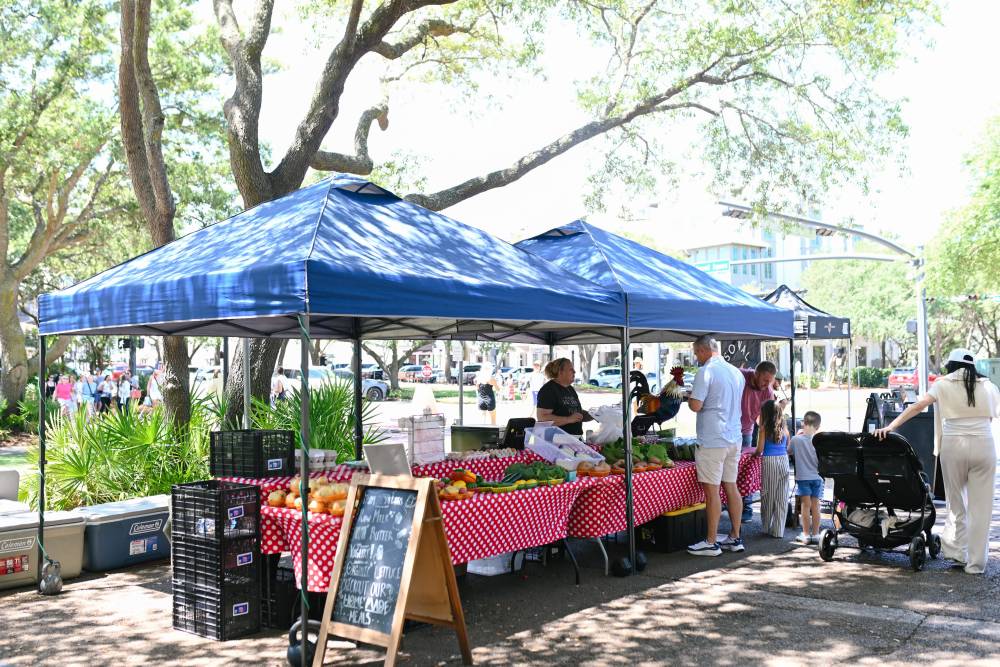
- Attend the Seaside Farmers Market. It runs in the Seaside Amphitheater from 9 a.m. to 1 p.m. on Saturdays year-round, with Tuesday markets operating seasonally in summer. The combination of local vendors, live music, and the amphitheater setting makes this one of the corridor’s best recurring community events.
- Visit the 30A Farmers Market at Rosemary Beach. This market operates Sundays year-round from 9 a.m. to 1 p.m. in the heart of the Rosemary Beach community. It is one of the easiest ways to experience the east end at a slower pace while also picking up local produce, baked goods, and artisan items.
- Plan around Seaside events if you want the corridor’s most established programmed public space. Seaside’s events calendar includes recurring runs, markets, and community events, including the Seaside School Half Marathon + 5K and other seasonal gatherings.
- Explore the Underwater Museum of Art as a cultural outing as well as a diving experience. Beyond the novelty factor, it is tied directly to public art and marine conservation efforts in South Walton. Even if you do not dive it, it is one of the clearest examples of how the corridor mixes environmental identity with cultural programming.
- Use independent bookstores and markets as cultural anchors, not just retail stops. Places like Sundog Books and the major farmers markets help create the corridor’s community rhythm, especially in Seaside and Rosemary Beach.
- Visit Eden Gardens State Park if you want architecture and landscape together. The grounds and Wesley House add a historical dimension that feels different from the corridor’s coastal New Urbanist communities. Tours cost extra, so this is worth planning intentionally rather than treating as a casual drive-by stop.
- Look for seasonal programming at The Big Chill if you want a low-pressure public gathering spot. Its calendar regularly includes live music, art activities, and family-friendly events, which makes it more than a dining venue.
- Time a visit around the South Walton Beaches Wine & Food Festival if you want a larger annual event tied to the broader corridor lifestyle. The event is held at Grand Boulevard each April and adds a bigger festival-scale experience to the South Walton calendar.
- Experience the architecture itself as part of the cultural draw. Communities such as Seaside, Rosemary Beach, and Alys Beach are destinations not only for shops and restaurants but for walking, photography, and seeing how design shapes the corridor’s identity.
Family Fun
The 30A corridor works especially well for families because so many activities can be combined into half-day or full-day outings without complicated logistics. The strongest strategy is usually to pair one beach or park stop with one food-and-entertainment stop, since parking and traffic can be the biggest challenge during school breaks and summer weekends. Parks, markets, and gathering spaces often provide more flexibility than formal ticketed attractions.
- Take kids to The Big Chill for an easy, all-in-one outing. The central green, big screen, and event programming make it one of the best places on the corridor for families who want food plus entertainment without a formal reservation or ticket. Check the events page before you go because workshops and special family activities are frequent.
- Use the Seaside Farmers Market as a family morning outing. The amphitheater setting, live music, and nearby shops make it easier to keep children engaged than a more linear street market. Going early also helps with parking.
- Visit the Rosemary Beach market on Sunday if you want a calmer east-end family stop. Its 9 a.m. to 1 p.m. schedule works well for a morning outing before beach time. The shaded park-like setting in the community core makes it especially manageable with kids.
- Spend a day at Grayton Beach State Park if you want a family beach day with structure. The park combines beach access with restrooms, parking, and additional nature options, which can make it easier than a more exposed public access during busy periods. The $5 per vehicle fee is relatively modest compared with the value of the setting.
- Explore Camp Helen if your group likes both beach and light hiking. Because it includes a historic district and access to both freshwater and saltwater environments, it gives families more to do than simply sitting on the sand. The low entry fee also makes it a strong value stop.
- Bike a shorter section of the Timpoochee Trail with kids rather than attempting the whole route. The trail’s flat profile works well for family rides, but the best experience is often choosing one scenic segment and pairing it with snacks or lunch nearby.
- Use state park beach days as a way to avoid the most crowded public-access experiences. Topsail Hill and Grayton both offer more built-in structure and often feel easier to manage with children than trying to land a perfect spot in the middle of the corridor’s busiest town centers.
- Turn a Seaside outing into a multi-stop loop. Market, bookstore, beach access, and a meal can all happen within the same compact area, which reduces how much time you spend loading and unloading everyone.
- Use lake-based paddling for calmer family water time. Coastal dune lakes can offer a more controlled environment than the Gulf on windy days, especially for older kids or families who want to paddle rather than swim in surf.
- Visit the Alys Beach Nature Preserve for a low-effort walk between meals or beach sessions. The boardwalk is a good way to add nature time without needing a big block of the day.
Local Favorites & Hidden Gems
The best 30A experiences are not always the flashiest ones. Some of the corridor’s strongest moments come from timing, route choices, and knowing which places are best for mornings, sunsets, or shoulder-season visits. The area rewards repeat visits and slower exploration much more than rushing from one “famous” stop to the next.
- Walk or bike 30A early in the day before the corridor fills up. The built environment, storefronts, and beach communities are much easier to appreciate in the morning before midday traffic and parking pressure build. This is especially true in Seaside and Rosemary Beach.
- Use The Big Chill on nights when you want activity without the parking difficulty of the core beach towns. It is one of the corridor’s easiest evening options because it was built to handle groups and repeat visitation.
- Choose the west end for a quieter day if the central corridor feels overloaded. Dune Allen, Topsail Hill, and nearby dining options often create a more relaxed outing than Seaside on a packed summer Saturday.
- Pair a state park with a food stop instead of trying to string together multiple beach towns. Grayton Beach State Park plus Grayton dining, or Camp Helen plus an east-end stop usually creates a better-paced day.
- Use farmers markets as neighborhood tours. The Seaside and Rosemary Beach markets are not just shopping stops; they are one of the easiest ways to understand how each town functions when locals and repeat visitors are actually using it.
- Visit Amavida early if you want the best version of Rosemary Beach. Coffee first, then a walk through the town center and side streets, works much better than arriving later after parking tightens.
- Treat Sundog Books as part of the Seaside experience, not an add-on. It is one of those places that helps explain why Seaside feels culturally distinct from a more typical beach retail center.
- Go to Eden Gardens when you need a break from sand and sun without giving up scenic value. It offers a very different visual experience and can be especially good on days when you want shade, history, and a slower pace.
- Save the Underwater Museum of Art for a true specialty day rather than trying to squeeze it into a general beach schedule. It is one of the corridor’s most unusual experiences, but it works best when planned in advance around diving logistics.
- Don’t underestimate 30Avenue as a practical stop. It may not have the iconic fame of Seaside or Grayton, but the easier parking and concentrated mix of businesses can make it one of the most useful places on the corridor when you want a lower-friction outing.