
Military History and Thriving Quality of Life Unite Renewal Efforts in Robins Region, GA
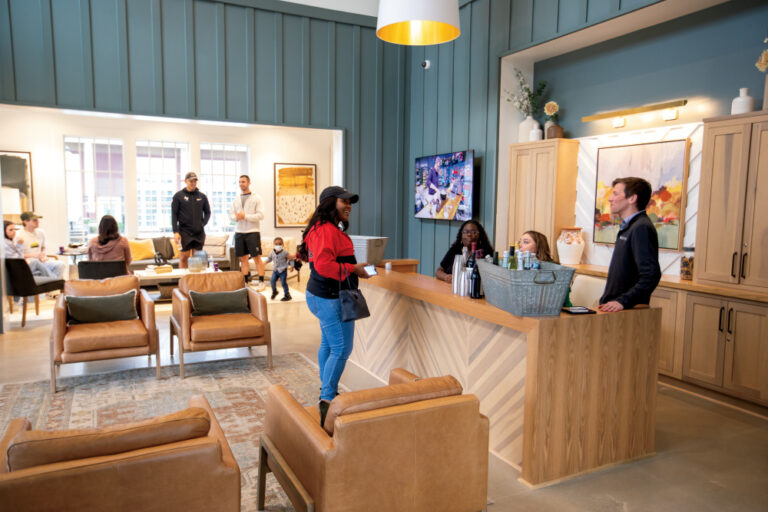
There’s no doubt that the massive Robins Air Force Base has driven and defined the Robins Region of Georgia for decades, but there are also diverse and flourishing communities beyond those gates.
“Our community is thriving,” says Jeremy Nelms, CEO of electric utility Flint Energies, a key community partner in the Robins Region. “The work behind Robins Reimagined is a connector of leaders and a convener of leaders who are working toward a common goal.”
Robins Reimagined is a shared mission to look ahead strategically and make sure future growth in the booming region benefits as many people as possible as much as possible. Flint Energies drives multiple community investment projects, donating more than $10 million in grants through its foundation to local organizations in the last two decades. The electric cooperative covers 17 Middle Georgia counties and last year awarded $605,000 in grants to 10 Middle Georgia school districts for classroom supplies and events.
Parrish Construction Group drives commercial development in the region. Beyond building Flint Energies facilities, their work on significant projects like the North Houston Sports Complex and the Tommy Stalnaker Aquatic Center has shaped the area in recent years.

Robins Evolves
Jay Flesher has lived in the Robins Region since 1994 and has watched the area shift from a largely agricultural and military community to one with a diverse mix of residential, industrial and recreational attractions. A key to promoting community cohesion has been deep connections across the Robins Region, regardless of city or county lines, he says.
“Whether it’s supporting a festival in downtown Perry or helping nonprofits or youth sports, we have a network of conversations always happening,” says Flesher, community and economic developer for Flint Energies. “We have a common goal of creating a place that’s great for all our residents and members.”
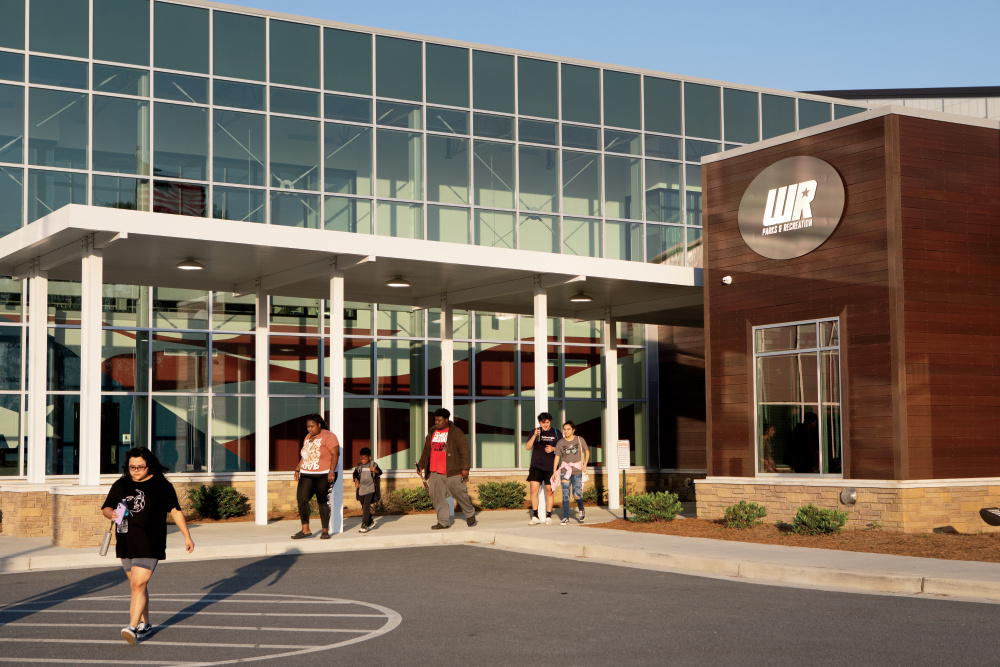
Kate Hogan, director of community and economic development for the City of Warner Robins, says innovation and education partnerships with entities ranging from Georgia Tech to Apple are helping to position Warner Robins for investment by large employers.
And industrial recruitment efforts are also bearing fruit, with recent investments by Pratt Industries, KIHOMAC and BJ’s Wholesale Club, which is among the city’s biggest commercial projects.
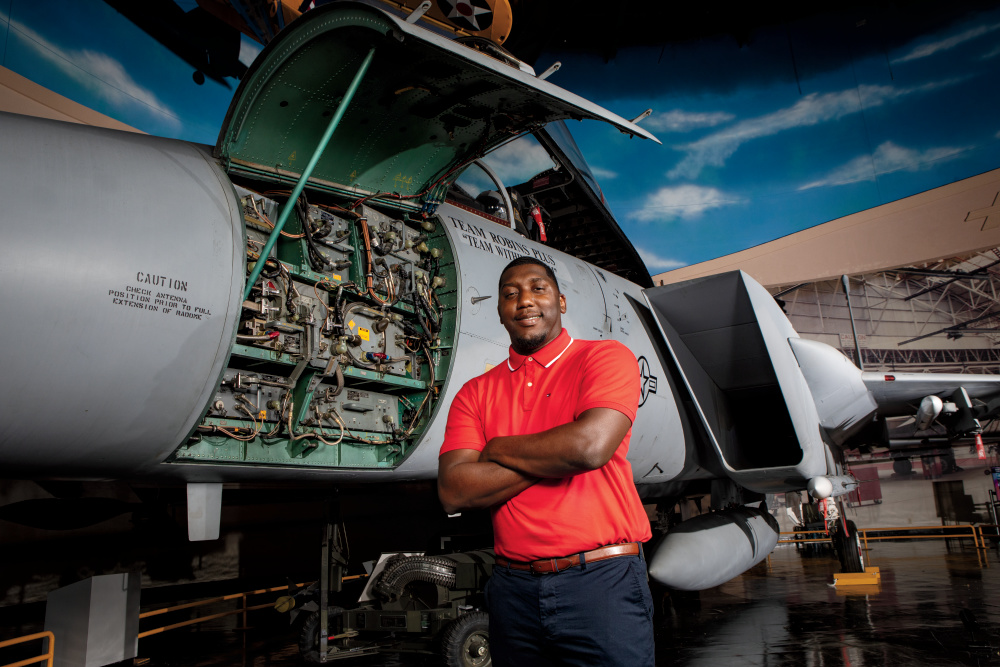
But as the largest industrial site in Georgia, Robins Air Force Base will always have a major influence on the culture and traditions of the region, Hogan says. Established in 1941 as a maintenance and logistics hub during World War II, the base covers nearly 7,000 acres, employs more than 23,000 and contains over 11 million square feet of facilities.
“Every day in Middle Georgia is Armed Forces Appreciation Day,” Hogan says. “There are notes of patriotism in everything.”
Warner Robins Rebrands
That history is central to a concerted rebranding effort for Warner Robins.
The first phase of the effort included a community survey that garnered more than 1,100 local responses; more than 335 responses to an outside perception survey; more than a dozen stakeholder interviews; and focus groups with 39 area residents.
“The people who participated ranged from the mayor and City Council elected officials all the way to high school seniors,” says Jeremy Fermin, marketing and communications specialist for the City of Warner Robins. “Everyone had an opportunity to give input.”
From that work came a handful of bedrock truths about Warner Robins that grounded leaders in the present and helped set the course for the future. Among those truths is the influence of the base, which significantly contributes to a strong spirit of patriotism, unity and sense of community.
The city also has a high degree of ethnic and cultural diversity due in part to people from other countries employed at the base. At the same time, the Robins Region is ready for a refresh and is a community in transition, fueled by an attitude of pride in the past and a bright hope for the future.
This rebranding will include aesthetic work and the development of signage and a logo, but it will also happen on a deeper level, Fermin says.
“You don’t love a place because of its logo,” Fermin says. “Warner Robins is a pretty young city – it’s only been around 82 or 83 years – and it’s ready for an accurate, contemporary image that reflects both our past and future. As a community, we’re ready to take flight.”
Historic City Center Sees New Investment and Reinvention
For decades, Commercial Circle was the heart of the city’s business district. The circular shopping hub boomed in the 1940s. But over the years, as suburbs grew, stores closed and buildings emptied out.
“As needs changed, we saw disinvestment,” says Kate Hogan, director of community and economic development for the City of Warner Robins. “The city had talked for decades about renovating the Commercial Circle area and re-creating that common sense of place.”
Operation Reawaken is an effort by the city to reclaim and reimagine the area. The city has acquired more than 72% of Commercial Circle properties. The acquisitions – funded by a Special Purpose Local Option Sales Tax and grant money – come with complex challenges. But the city is working toward a plan to rebuild with multiuse buildings to create a neighborhood where people want to live, work and play. And while the work is ongoing, special events are already bringing life and energy back to the space.
“This is who Robins is, and we’re proud of our place,” Hogan says.
Get to Know the Robins Region
Want to learn more about living and working in the Robins Region? Check out the latest edition of Livability Robins Region, Georgia.