
Growing Together: How Relationships Fuel Southern Idaho’s Agricultural Success
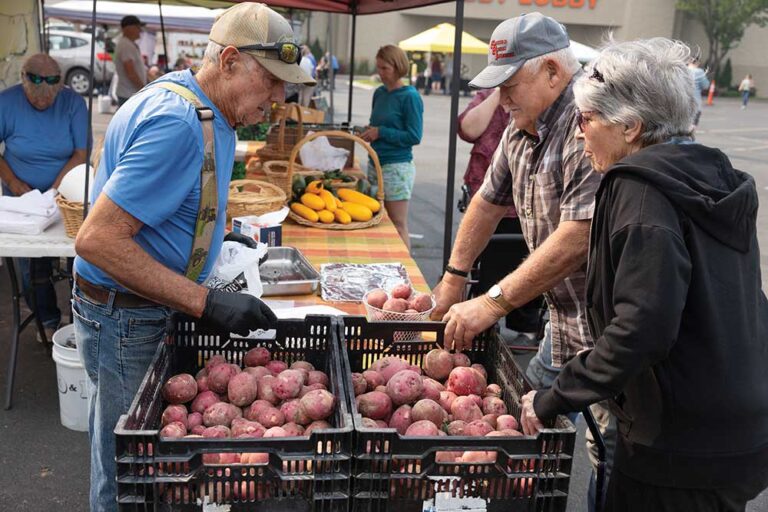
“Idaho” is synonymous with “agriculture,” but there’s much more to the Gem State’s ag industry than the potato that bears its name. One of the reasons the industry flourishes across Southern Idaho is that farmers also cultivate relationships with their customers and other producers — the result: a bumper crop of innovation, cooperation and delicious food.
In This Article
Market on Main: Connecting Vendors and Consumers
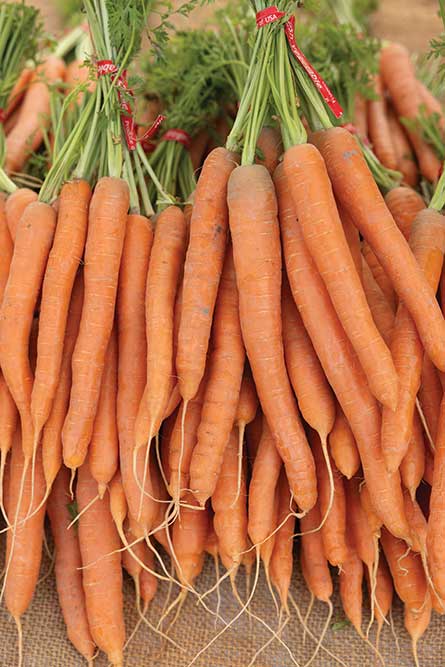
Everything about Twin Falls’ Market on Main is built on personal relationships. The downtown market, which sets up Saturdays from June through August, was born in 2021 when a group of local entrepreneurs took over a small gathering of vendors on Main Avenue, expanded it and eventually rebranded it to Market on Main.
“We all have small businesses and are downtown in the area where they held it,” says Khristin Quigley, one of four market facilitators. “It was important to keep the history and heart of Twin Falls going.”
As a jeweler, Quigley has sold her creations at hundreds of shows in the Pacific Northwest, so she knows what makes a good market. “Because I’ve done so many vendor shows, I’ve created a lot of relationships over time and built trust and camaraderie with our vendors.” For instance, says Quigley, vendors “don’t have to show up every single Saturday like a lot of markets have them do. They can commit to a full season, a half season or three Saturdays.”
As a result, the market has grown from around 15 to 55 vendors weekly, with overall attendance between 500 and 700. “We get good traction, and our vendors help with that immensely,” Quigley says. “They invite all their friends, family and neighbors. It becomes like a big family.”
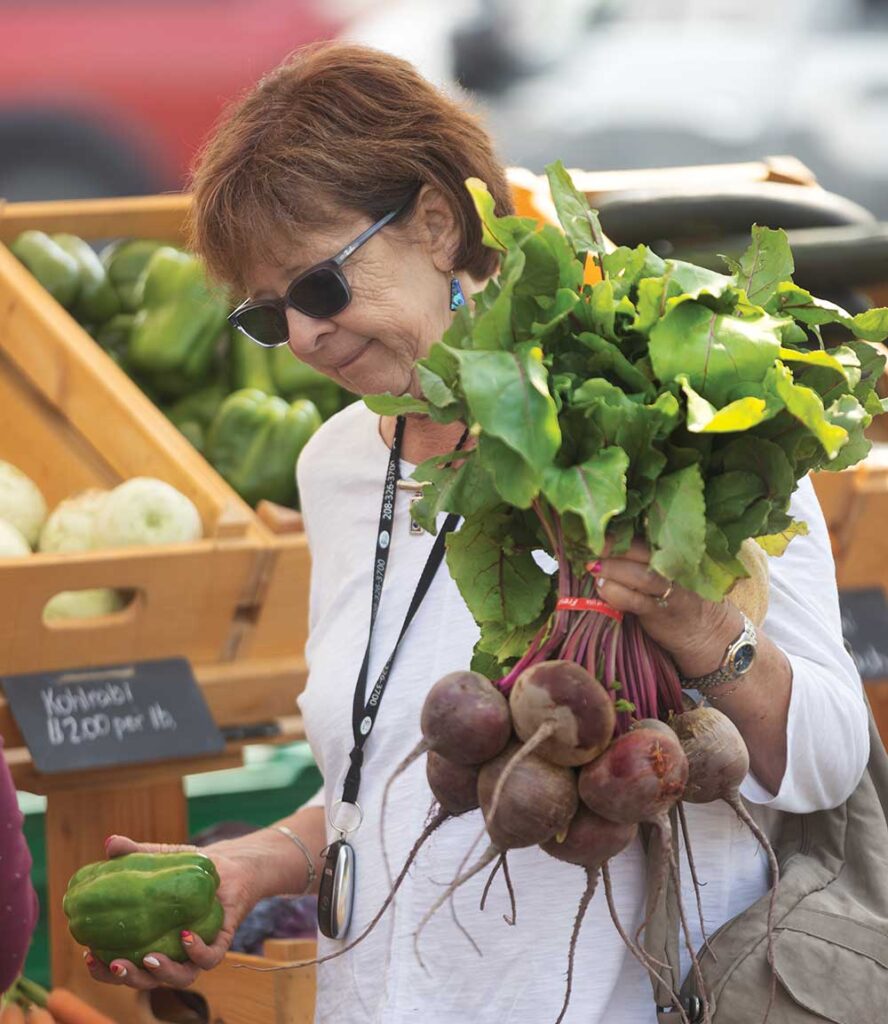
A focus on relationships and community is a common thread among all farmers markets and farm stands in Southern Idaho, from the Market on Main and Twin Falls Farmers Market at Magic Valley Mall to those found in each of the region’s other seven counties.
Meat and Potato Co.: A Platform for Local Producers
Magic Valley native Travis Dixon found his calling early.
“I have been in the food business my entire life since I was 14,” he says.
That’s when he took a job in a local grocery store, before working his way up to assistant manager, then spent two decades selling food for large distributors like Sysco.
In November 2020, he struck out on his own, launching the Meat and Potato Co. as an online retailer, selling bison, pork, beef, poultry (and, of course, potatoes) sourced from Idaho producers. Dixon had already established relationships with large producers like True West Beef in Jerome over the years. Still, he found fertile ground for connecting with smaller producers by frequenting local markets.
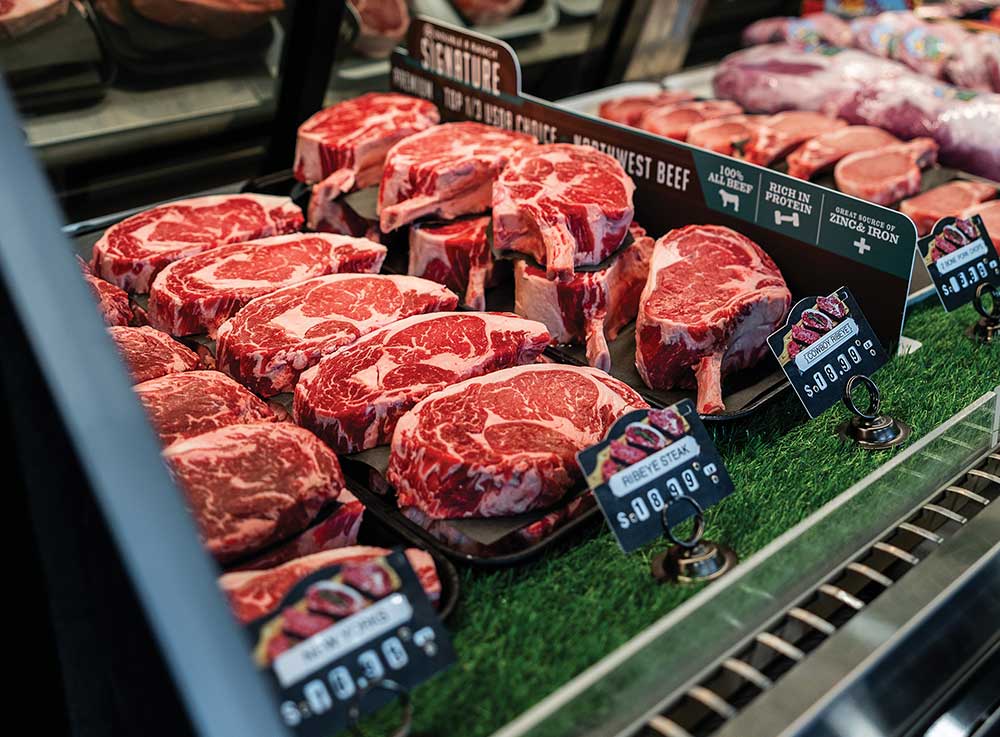
“We would go out to farmers markets and get to know these people. I’m not a producer, but I can sell,” he says. “We can do the online marketing they don’t or can’t do.”
And once Meat and Potato Co. opened a brick-and-mortar storefront in Twin Falls, he says, producers began seeking him out.
“We have nearly 500 square feet of retail, which is nothing,” he says. “We have it jammed from corner to corner” with products from over 30 local vendors.
The Nature Conservancy: Promoting Regenerative Agriculture
Brad Johnson, a regenerative agriculture senior adviser at the nonprofit organization The Nature Conservancy (TNC), comes from two generations of Idaho farmers.
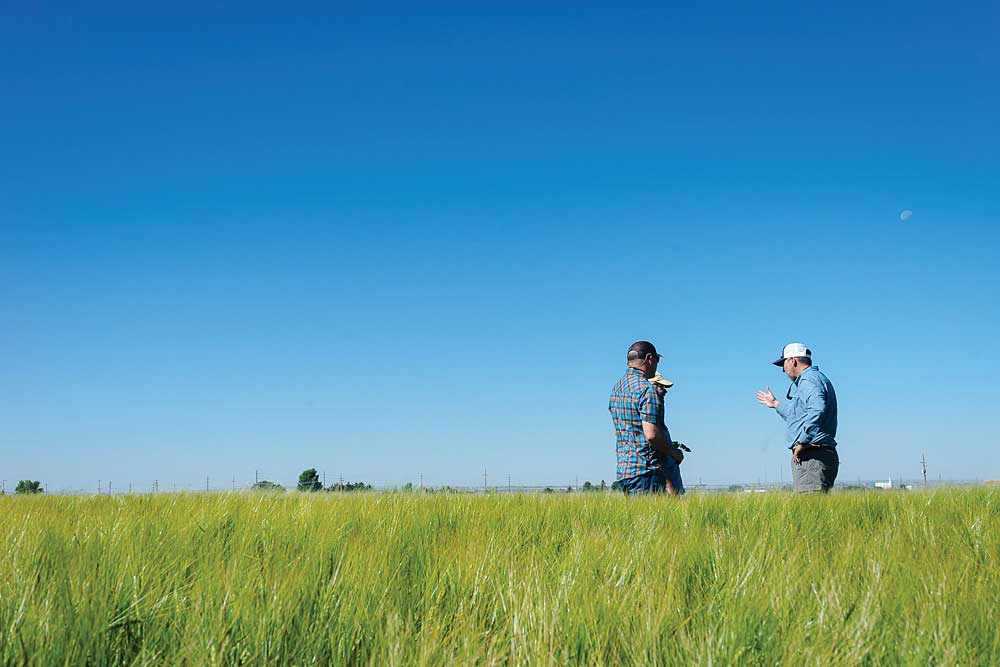
After a career as an agronomist and fertilizer salesman, he joined TNC in 2019. He has worked with farmers Todd Ballard near Twin Falls and Blake Matthews near Burley to showcase regenerative agriculture practices on demonstration farms.
Collaboration and Innovation in Southern Idaho’s Agriculture
Johnson knew Ballard from previous TNC projects; the two were riding in the farmer’s combine when the idea of a demo farm arose. In 2021, 60 acres of Ballard’s property was earmarked for the project to educate farmers about regenerative practices that reduce the amount of synthetic products and water needed to grow barley, sugar beets and pinto beans.
Ballard uses techniques like “cover crops, minimizing tillage and managing irrigation water closer,” Johnson says. “That way, the normal farmer can come in and see that and say, ‘I could do that pretty easy.'”
Matthews, who’s been utilizing regenerative practices on his own for 15 years before opening up a demo farm on his land in 2024, showcases some more involved techniques.
“His neighbor would use 250 pounds of phosphorus to grow potatoes, but Blake’s doing it with 20 pounds, and he reduced his irrigation by 20%, which is a huge deal,” Johnson says.
Easy Pickings: Where to Pick-Your-Own Fruits and Veggies in Southern Idaho
Folks who want to get to the root of where their produce comes from (hint: It’s not the grocery store) can visit some of the Magic Valley’s family farms that allow visitors to pick their own produce.
Check out the Smith Family Orchard Facebook page for info on how to book a slot to pick your own cherries, peaches, nectarines, plums or apples from July through October. The Filer-based orchard also offers delivery to surrounding areas, and for a nominal fee, guests can use the spring blossoms as a backdrop for a professional photography session.
In Twin Falls, Tubbs Berry Farm sees raspberries and blackberries ripen starting in late August. Visitors can stock up on these goodies (and possibly nab some other berries in limited quantities) until the first frost, which is generally in early October.
Check out Crismor’s Pumpkin Patch in Buhl during October, when guests can pick their own pumpkins on a 5-acre patch. Nearly 50 varieties of decorative gourds and carving pumpkins are available, and the spot also sells ornamental corn cobs and boasts a corn maze and straw bale maze.
Get to Know Southern Idaho
Want to learn more about living and working in Twin Falls and Southern Idaho? Check out the latest edition of Livability Southern Idaho.