

Argentine, Kansas City, KS: Historic. Industrial-rooted. Community-driven.
Argentine is a historic neighborhood in Kansas City, Kansas, located south of the Kansas River along Metropolitan Avenue and the Kansas City Terminal Railway corridor. The area developed in the late 19th century as an independent industrial city before being annexed by Kansas City, KS, in the early 1900s. Argentine quickly became an important rail and industrial hub, attracting workers employed by the Santa Fe Railway yards and nearby manufacturing plants.
Today Argentine remains one of the most historically significant working-class neighborhoods in Kansas City, KS — commonly referred to as KCK. While its industrial heritage is still visible in the surrounding rail yards and warehouses, the residential portions of the neighborhood maintain a strong sense of community shaped by schools, parks, and long-standing local institutions.
Overall Vibe & Lifestyle
Life in Argentine reflects the neighborhood’s industrial past and its strong community traditions. Many families have lived in the area for generations, contributing to a neighborhood identity built around local schools, churches, and civic organizations.
Argentine attracts residents looking for relatively affordable housing within Kansas City, Kansas while remaining close to downtown and major transportation corridors. The neighborhood’s compact layout and historic character give it a distinctly urban feel compared with suburban developments elsewhere in the metro.
Safety & Walkability
Argentine features a traditional urban street grid with sidewalks and closely spaced residential blocks. This layout makes it relatively walkable compared with many suburban neighborhoods in the region.
Residents can walk to local parks, schools, and neighborhood businesses along Metropolitan Avenue. However, most larger errands such as grocery shopping or commuting to other parts of the metro typically require driving.
Natural & Built Environment
The built environment in Argentine reflects its historic development as a railroad and industrial district. Rail lines and freight facilities remain a defining part of the surrounding landscape.
Despite the industrial setting, the neighborhood includes several parks and green spaces used by residents. Emerson Park is a key recreational area in Argentine, offering playground equipment, sports fields, and open green space for neighborhood activities.
Nearby Kaw Point Park, located where the Kansas and Missouri rivers meet, provides additional outdoor recreation with walking trails, historical exhibits, and scenic views of the riverfront.
Design & Architecture
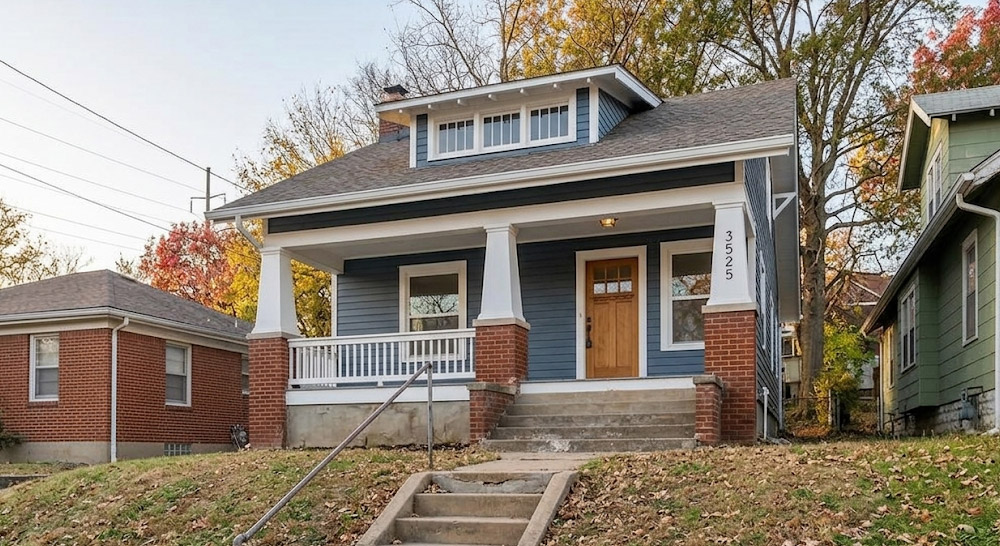
Housing in Argentine includes a mix of early-20th-century homes and mid-century residential construction. Many houses were originally built for railroad and industrial workers during the neighborhood’s growth in the late 1800s and early 1900s.
Architectural styles include small bungalows, cottages, and modest two-story homes situated on compact lots along a traditional street grid. Some properties have been renovated in recent years, while others retain historic architectural details from the neighborhood’s early development.
Housing at a Glance
Argentine offers a range of modest historic homes within an urban neighborhood setting.
| Metric | Description |
|---|---|
| Type | Single-family homes with some duplexes and small apartment buildings. |
| Size & Layout | Typically 900 to 2,000+ square feet. |
| Interior & Exterior Features | Brick or wood-frame construction, small yards, historic architectural details. |
Real Estate Snapshot
The Argentine housing market remains relatively affordable compared with many other parts of the Kansas City metropolitan area. Buyers are often drawn to the neighborhood’s historic homes and proximity to downtown Kansas City.
Many properties offer opportunities for renovation or restoration, while others have already been updated by homeowners over time.
| Metric | Summary |
|---|---|
| Market Demand | Steady due to affordability and central location. |
| Inventory | Mix of historic homes and updated properties. |
| Buyer Profile | First-time buyers, investors, and longtime residents. |
| Pricing Context | Lower tier within the Kansas City metro housing market. |
| Investment Pattern | Gradual appreciation as homes are renovated. |
Amenities & Local Conveniences
Residents of Argentine have access to several parks and community resources within the neighborhood.
Emerson Park serves as a central recreational space for the community. The park includes playgrounds, sports fields, and open green areas used for neighborhood activities and youth sports.
Another nearby destination is Kaw Point Park, located just north of Argentine at the confluence of the Kansas and Missouri rivers. The park features walking trails, river access, and historical markers related to the Lewis and Clark expedition.
Local schools, recreation programs, and community organizations also play a significant role in neighborhood life.
Schools & Education
Argentine is served by Kansas City Kansas Public Schools (USD 500). Students living in the neighborhood commonly attend Argentine Middle School, Argentine High School, and nearby elementary schools within the district, though assignments may vary depending on the exact address. Families should confirm current attendance zones directly with the district.
Several charter and private schools are also available within driving distance throughout the Kansas City metropolitan area.
Commuting & Location
Argentine’s location near major rail lines and highways historically made it a transportation hub, and today the neighborhood still benefits from convenient access to regional roadways.
| Destination | Approximate Drive Time |
|---|---|
| Downtown Kansas City, Kansas | 10 minutes |
| Downtown Kansas City, Missouri | 10-15 minutes |
| Kansas City International Airport | 30 minutes |
| Kaw Point Park | 10 minutes |
| Village West entertainment district | 20 minutes |
Drive times may vary depending on traffic conditions.
Map of Things To Do in Argentine, Kansas City
Quirks & Perks
One of the defining characteristics of Argentine is its railroad heritage. The neighborhood developed alongside one of the largest rail yards in the region, which helped shape its economy and community identity.
Another unique aspect is the area’s historic role as an independent city before becoming part of Kansas City. Many residents still refer to the neighborhood simply as “Argentine,” reflecting its strong local identity.
Neighborhood Logistics
Argentine functions as a historic neighborhood within Kansas City, Kansas, meaning municipal services such as police, fire protection, and infrastructure maintenance are provided by the city government.
The neighborhood includes a mix of residential blocks and industrial areas rather than a single master-planned subdivision. Most homes are not governed by large homeowners associations.
Daily errands such as grocery shopping, dining, and services are typically located along nearby commercial corridors or within short driving distance in surrounding districts. The trade-off is an urban neighborhood environment defined by historic homes, railroad heritage, and a strong sense of community rooted in the neighborhood’s industrial past.
Explore Kansas City Neighborhoods
Note on imagery: Images marked “AI Generated” are visuals to illustrate the neighborhood homes, atmosphere and architectural style. To protect homeowner privacy, these images are artistic representations and do not depict specific existing properties.