

Best Neighborhoods in Kansas City, KS
Neighborhoods in Kansas City, Kansas, offer a rich tapestry of experiences, from historic bluff‑top streets near a vibrant downtown to growing, suburban‑style areas with more space and easy access to major entertainment districts. Whether you are drawn to the charm of an established area with early‑20th‑century homes, the convenience of a newer community near major highways, or the practicality of a neighborhood close to industrial and logistics jobs, Kansas City, Kansas (KCK) has a place that fits your life. We believe finding the right neighborhood is about discovering a place where you can plant roots and thrive, and this guide is here to help you explore the communities that make KCK special.
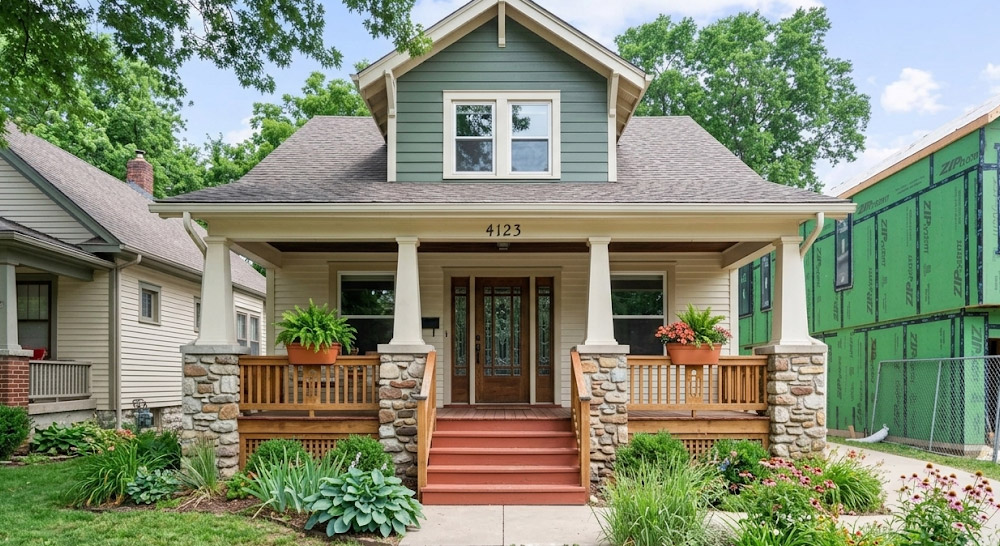
About Kansas City, Kansas’ Neighborhood Tapestry
Kansas City, Kansas’ layout reflects its origins as a riverfront and railroad hub and its more recent identity as home to the Village West entertainment district and expanding residential areas on the city’s western edge. Historic neighborhoods near the Kansas and Missouri rivers and downtown core transition into mid‑century districts like Turner and Victory Hills, then to more open, suburban‑style communities such as Piper closer to I‑435 and the Wyandotte County lakes.
Across the city, you will find a strong sense of community pride centered around neighborhood schools, churches, and generational family ties, especially in areas like Argentine, Armourdale, and Strawberry Hill. The lifestyle here balances an authentic, working‑city feel with quick access to downtown Kansas City, MO, Johnson County suburbs, and regional entertainment venues. Your perfect fit may be waiting in KCK, and we’re passionate about helping you understand the unique character of each area so you can make a confident choice for your future.
Best Neighborhoods in Kansas City, Kansas: Editor’s Picks
Below are some of Kansas City, Kansas’ most notable neighborhoods, selected for their unique combination of location, amenities, school access, and community atmosphere.
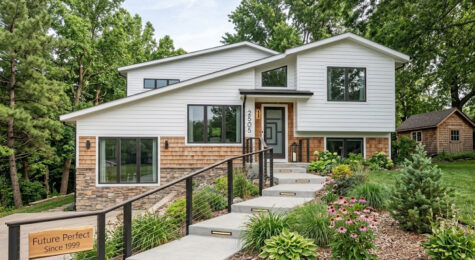
Turner, Kansas City, KS: Historic. Community-centered. Affordable.
Turner is a long‑established south‑central Kansas City, KS, neighborhood with a strong local identity and a somewhat more suburban feel than areas closer to downtown. Bound by major routes like I‑635 and K‑32, Turner offers quick connections to downtown Kansas City, MO, Johnson County suburbs, and industrial corridors along the Kansas River. The housing stock in Turner consists primarily of mid‑20th‑century single‑family homes, with styles that include ranch, split‑level, and traditional two‑story houses on moderately sized lots, plus some newer construction. The Turner Unified School District (USD 202) anchors the community with neighborhood schools that serve as social and civic hubs. For those who appreciate established streets, local schools, and convenient access to multiple commuting routes, Turner represents a practical and welcoming place to put down roots.
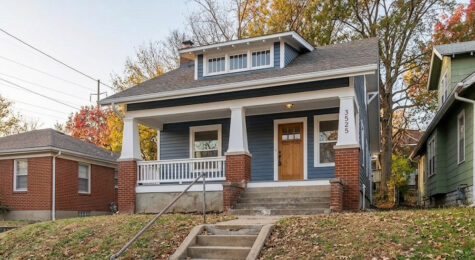
Argentine, Kansas City, KS: Historic. Industrial-rooted. Community-driven.
Argentine is a historic south‑central Kansas City, KS, neighborhood that originally developed around the Atchison, Topeka & Santa Fe Railway locomotive shops and a silver smelter that gave the community its name. Once its own city before being annexed into KCK, Argentine retains a strong local identity and pride in its blue‑collar and immigrant heritage. The housing stock in Argentine includes older single‑family homes, small apartment buildings, and compact lots laid out along a traditional street grid, generally at more accessible price points than many suburban areas of the metro. Residents enjoy proximity to industrial and logistics employment centers, local parks and schools, and transportation corridors such as I‑635 and K‑32 that connect quickly to other parts of the region. If you are drawn to neighborhoods with deep roots, community institutions, and an urban residential feel, Argentine deserves serious consideration.
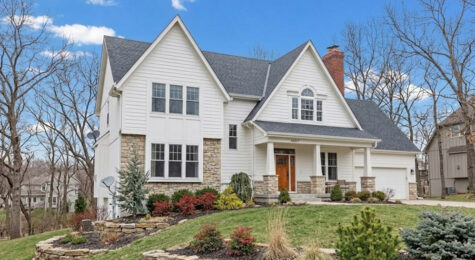
Village West, Kansas City, KS: Entertainment-centered. Growing. Connected.
Village West refers to the broader area in western Kansas City, Kansas, anchored by the Legends Outlets and some of the metro’s best‑known entertainment venues. This district is home to attractions like Kansas Speedway, Hollywood Casino at Kansas Speedway, and Sporting Park, where Sporting Kansas City plays. Residential options around Village West include apartments (such as Village West Apartments and other multifamily communities), townhomes, and nearby subdivisions that let residents live minutes from shopping, restaurants, and major events. Proximity to I‑70 and I‑435 provides straightforward commutes to downtown Kansas City, MO, and Johnson County employment centers. For those who value being close to the action and want an amenity‑rich environment rather than a traditional quiet cul‑de‑sac, Village West delivers a uniquely vibrant lifestyle in KCK.
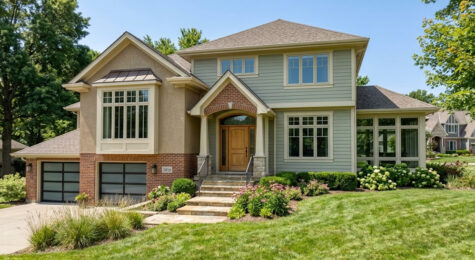
Victory Hills, Kansas City, KS: Mid-century. Residential. Established.
Victory Hills is a post‑World War II hillside neighborhood in northwest Kansas City, KS, located near Kansas City Kansas Community College and close to the I‑70 corridor. Its elevated topography provides some homes with wide views over surrounding parts of KCK and nearby Wyandotte County, reinforcing its identity as a distinct residential pocket. Housing in Victory Hills consists primarily of mid‑20th‑century single‑family homes, including ranch and split‑level designs characteristic of the era, on established streets with mature trees. Residents benefit from proximity to the community college, nearby parks and golf courses, and convenient access to I‑70 and I‑435 for trips to Village West, downtown KCK, and other parts of the metro. For those who prefer an established neighborhood with traditional homes and straightforward regional access, Victory Hills offers a comfortable, everyday living environment.
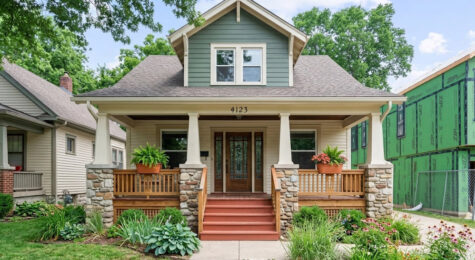
Historic Westheight, Kansas City, KS: Historic. Architectural. Elevated.
Historic Westheight, also known as Westheight Manor, is a nationally recognized historic district northwest of downtown Kansas City, KS. Platted in the early 20th century as a planned suburban subdivision, it was designed by landscape architects with curving streets, deep front yards, and an emphasis on visual harmony rather than maximum density. The neighborhood is noted for its remarkable range of architecture, including Prairie Style, Craftsman, Tudor Revival, and other early‑20th‑century designs, as well as later Mid‑Century Modern and ranch homes. Many properties retain original features such as leaded glass windows, distinctive masonry, and broad lawns that extend to the curb, giving the streets a park‑like, cohesive character. Because Westheight Manor is listed on the National Register of Historic Places and designated as a local landmark district, exterior alterations may be subject to review, which helps preserve the neighborhood’s long‑term character. If you value architectural detail and preservation, Historic Westheight is one of KCK’s most special places to live.
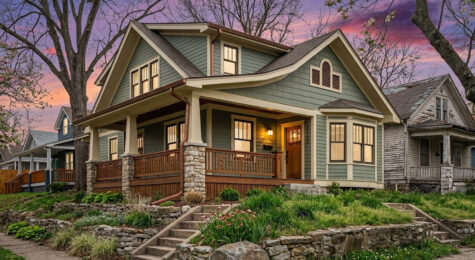
Strawberry Hill, Kansas City, KS: Historic. Cultural. Walkable.
Strawberry Hill is one of Kansas City’s most historic and visually distinctive neighborhoods, perched on bluffs overlooking the confluence of the Kansas and Missouri rivers and the downtown Kansas City, MO, skyline. The area developed in the late 19th and early 20th centuries as an immigrant community, particularly for Croatians and other Central and Eastern European groups, whose cultural legacy is still evident in churches, institutions, and food traditions. Homes in Strawberry Hill range from modest worker cottages to larger Victorian‑era houses and early‑20th‑century styles, often on compact lots with front porches that foster a close‑knit, walkable environment. Residents enjoy proximity to downtown KCK civic buildings, small bars and cafes, and the Strawberry Hill Museum & Cultural Center, which interprets the neighborhood’s immigrant heritage. If you value historic character, dramatic views, and a neighborhood with a strong sense of story, Strawberry Hill is a standout option in KCK.
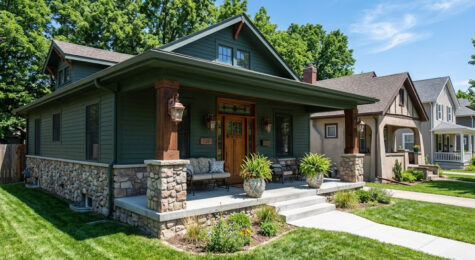
Armourdale, Kansas City, KS: Historic. Industrial-rooted. Reviving.
Armourdale is a historic industrial and residential district located in the river bottom of south‑central Kansas City, KS, almost encircled by the bends of the Kansas River. It has deep roots in the city’s railroad, meatpacking, and manufacturing history, and its compact street grid reflects its origin as a working‑class neighborhood close to factories and rail yards. Housing in Armourdale consists largely of modest single‑family homes and small multifamily properties on smaller lots, often at more attainable price points than newer suburban‑style areas. The district offers immediate access to I‑70 and I‑35, making commutes into downtown Kansas City, MO, and other parts of the metro relatively short. For buyers who are comfortable with an urban, industrial context and are seeking practicality and authenticity, Armourdale provides a uniquely grounded place to live.
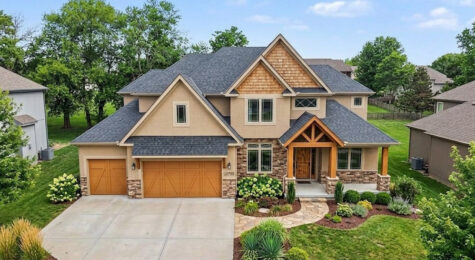
Piper, Kansas City, KS: Rural roots. Expanding. Community-oriented.
Piper is a fast‑growing area in far northwest Kansas City, KS, known for its more suburban and semi‑rural character within the city limits. Located near I‑435 and I‑70 and a short drive from the Village West/Legends district, Piper offers convenient access to shopping, dining, and entertainment while still feeling removed from denser, older urban neighborhoods. Housing in Piper ranges from newer subdivisions with modern floor plans to homes on larger lots and small acreages, offering options for those who want more space than is typical closer to downtown. The neighborhood is served by the Piper School District (USD 203), which operates its own elementary, middle, and high schools and is a major draw for families who prefer a smaller district environment. If you’re seeking a “small‑town near big attractions” lifestyle with quick highway access, Piper is one of KCK’s most compelling choices.
Kansas City, KS Neighborhood Map
Nearby Cities & Commercial Hubs
Kansas City, Kansas’ neighborhoods benefit from close connections to major commercial and employment centers across the metro.
- Kansas City, MO: Just across the state line and river, Kansas City, MO, offers a vibrant downtown, the Power & Light District, major museums, and professional sports venues, all reachable in minutes from many KCK neighborhoods.
- Johnson County Suburbs: To the south and west, Overland Park, Lenexa, Shawnee, and Olathe provide extensive corporate campuses, shopping corridors, and additional housing options, accessible via I‑35, I‑435, and K‑7.
- Village West / Legends Area: Within KCK itself, the Village West district functions as a regional shopping and entertainment hub for the entire metro, bringing jobs, visitors, and amenities close to neighborhoods like Piper and Victory Hills.
Everyday Life in Kansas City, KS, Neighborhoods
Life in Kansas City, KS, is centered around community, practicality, and easy cross‑river connections. A weekend might begin with coffee or baked goods in Strawberry Hill, continue with shopping or a game near Village West, and end with a walk through an older neighborhood like Historic Westheight or a quiet evening in Piper or Turner.
Neighborhood schools, churches, and local festivals are key gathering points, especially in areas like Argentine, Armourdale, Turner, and Piper, where many residents have multigenerational ties. At the same time, short highway drives to downtown Kansas City, MO, Johnson County, and the airport make KCK a convenient home base for people whose work and social life span the broader metro.
What Brings People to Kansas City, KS, Neighborhoods?
- Residents are drawn to KCK for its relative affordability compared with many Johnson County suburbs, which allows buyers to consider larger homes, historic properties, or more land within their budget.
- Cultural and architectural character is a major attraction in neighborhoods like Strawberry Hill and Historic Westheight, where immigrant history, preserved homes, and active neighborhood associations create a strong sense of place.
- Proximity to employment and entertainment centers – including downtown Kansas City, MO, Village West, industrial corridors, and logistics hubs – makes KCK appealing to commuters who value short drives to work, games, races, and concerts.
Choosing the Right Neighborhood
Finding the perfect spot in Kansas City, KS, is an exciting journey, and we’re here to help you navigate it. Thinking through these points can help you find your ideal fit.
- School Zoning: Consider whether you prefer districts like Piper (USD 203) or Turner (USD 202), or proximity to charter and private options; always confirm exact school assignments for a specific address.
- Commute: Look at your access to I‑70, I‑35, I‑435, I‑635, and K‑32 if you regularly travel to downtown Kansas City, MO, Johnson County offices, or industrial areas along the rivers; different neighborhoods connect more directly to different corridors.
- Lifestyle & Amenities: Decide whether you want to be next to major entertainment and retail, immersed in a historic, view‑rich neighborhood with local cafes and churches, or settled in a quieter, more suburban environment with larger lots and local schools.
Note on imagery: Images marked “AI Generated” are visuals to illustrate the neighborhood homes, atmosphere and architectural style. To protect homeowner privacy, these images are artistic representations and do not depict specific existing properties.