
4 Cultural Traditions Shaping Lafayette, LA
While Lafayette, LA, is known as the “Hub City” for its central location in southern Louisiana and its history of industrial innovation, the area is also a hub for Cajun and Creole culture.
“Defining what it means to be Creole is complex,” says Milton Arceneaux, cofounder of Louisiana Creole Culture, an organization that celebrates and preserves Creole culture in Lafayette. “Creole is a mix of so many things: French, Spanish, Haitian, Native American. It’s about food, music and family; it’s a blend of everything. Creole is the heartbeat of Louisiana.”
While the heartbeat of Louisiana, nowhere can you feel its pulse more deeply than in Lafayette where its customs and history are nurtured. In fact, many of the region’s cultural traditions have sculpted Lafayette, LA, into the city it is today.
In This Article
Language Shapes Lafayette, LA
The French language is inseparable from Louisiana’s history. In 1864, the teaching of French was banned in public schools to sever it from the state and people’s identities. Nearly a century later, the legislature established the Council for the Development of French in Louisiana (CODOFIL) in the hopes of persevering and promoting the French language and Creole culture that were almost lost. Today, 25% of Lafayette residents speak French, and there are many exciting efforts through organizations like CODOFIL and Louisiana Creole Culture to help those numbers continue to grow.
“If you want to speak French, there is something for everyone in Lafayette,” says Peggy Feehan, executive director of CODOFIL.
For example, Louisiana Creole Culture’s “Let’s Talk, But in French” is a communal experience that combines traditional Creole food, music and dancing, where guests can speak with people of all ages and backgrounds. Plus, for those who want to interact organically with local speakers, CODOFIL staff translated the menus of over 20 local restaurants into French – not to mention it offers French immersion events year-round with scholarship opportunities for language skill-building programs abroad.
Music Influences Lafayette, LA
CODOFIL’s establishment in 1968 marked the beginning of a cultural revival across Louisiana.
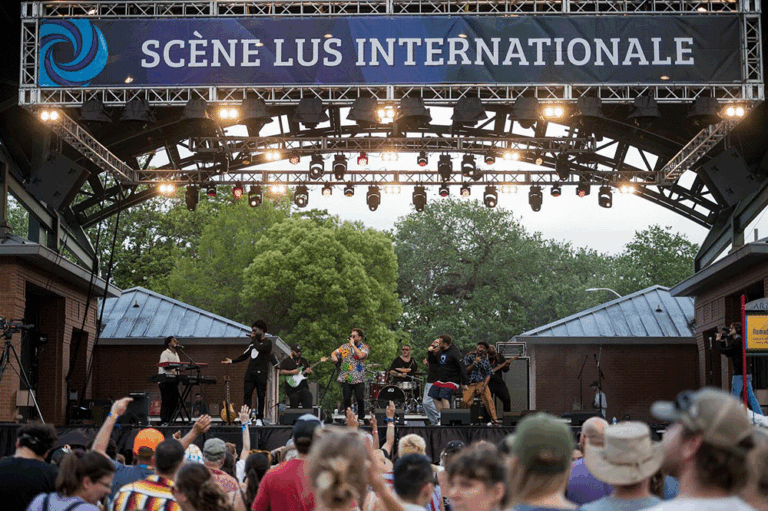
In 1974, the council organized the first “Tribute to Cajun Music Festival,” a celebration of cultural diversity and homemade music that was rich in the traditions of immigrants and native people who first inhabited the area. As the sounds of swamp pop, zydeco, Cajun and Creole music took to the air, so did a love for the culture. Now, live music is everywhere in Lafayette, LA, creating a celebration of cultural traditions every time notes are created.
“In Lafayette, music is a way of life and helps people manage their stress,” says Corey Ledet, a local zydeco musician for over 21 years.
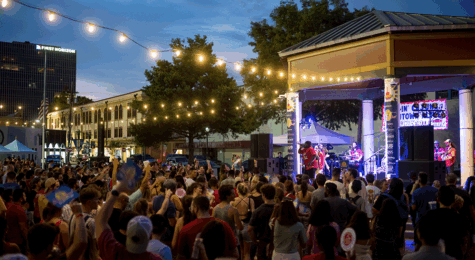
In fact, it’s not uncommon to see people dancing in restaurants, parks and pavilions to the push and pull of an accordion, mingling with the frenzied pace of a frottoir (triangle), the finesse movement of a fiddle, or the trill of a horn.
Ledet says watching people enjoy Creole music in Lafayette is “like seeing heaven on earth.”

Food Defines Lafayette, LA
Many believe Creole and Cajun cuisine are the same, but while Creole food was created by the worldly inhabitants of New Orleans, Cajun cuisine is a result of the resourcefulness and creativity of settlers in the countryside who relied on resources from the bayou. Both share rich flavor, color and spice and are well-known cultural traditions in the Lafayette, LA, area today.
Whether you like your plate dressed up, down-home or somewhere in between, Lafayette has it all.
“Everything we do revolves around food,” says Ben Berthelot, CEO and president of Lafayette Travel, the tourism promotion and marketing office for Lafayette Parish. “While other cities celebrate the changing of the seasons, in Lafayette, we have seasons based on food – gumbo, crawfish, crab and shrimp season.”
Year-round, locals and visitors immerse themselves in culture by exploring local restaurants, bars and breweries. Imagine walking or riding through the music-filled streets of Lafayette on one of its many food tour trails in search of the best plate lunch, boudin, po’ boy, or crawfish that Acadiana has to offer.
Experiences & Adventures
7 Must-Attend Events in Lafayette, LA and Nearby
Immerse yourself in the region’s festivities.
Festivals Mold Lafayette, LA
The party never stops in Lafayette, as this parish (county) hosts 50-100 festivals throughout the year in celebration of language, history, music and food.
The city boasts the state’s second-largest, family-friendly Mardi Gras, the world’s largest Cajun and Creole festival called Festivals Acadiens et Créoles, and Festival International de Louisiane, the world’s largest non-ticketed outdoor francophone festival.
These cultural traditions bring Lafayette, LA, area folks together, and as Arceneaux says, “Creole culture is all about family.”
The warmth felt at a Lafayette festival isn’t just the humidity; it’s the joy radiating from the diverse, family-filled crowds.
As an avid backpacker, Arceneaux says, “I have traveled the world in search of culture, and nothing beats Lafayette, LA.”
This article is sponsored by the Lafayette Convention & Visitors Commission, Lafayette Economic Development Authority and One Acadiana.