
Living in Cornelius, NC
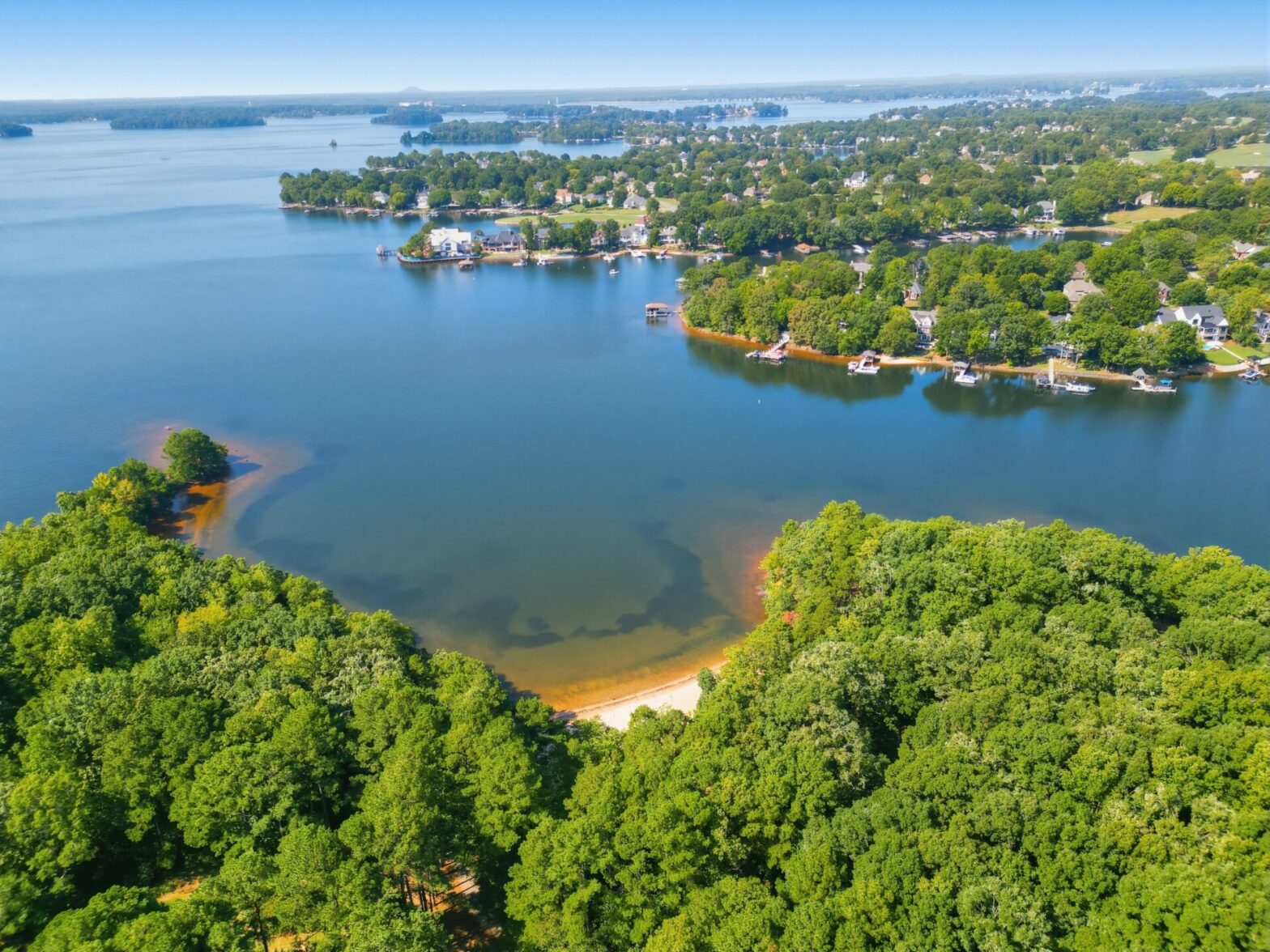
Thinking about living in Cornelius, North Carolina? Located along Lake Norman in northern Mecklenburg County, Cornelius combines waterfront recreation, established residential communities, a growing arts district, and convenient access to the broader Charlotte employment market.
Lake Norman shapes both the geography and identity of the town. Cornelius covers approximately 15 square miles but includes about 70 miles of Lake Norman shoreline, more than any other municipality on the lake. That geography creates room for waterfront homes, marinas, public parks, boat access, and restaurants overlooking the water.
Farther east, Old Town Cornelius reflects the community’s cotton mill roots while supporting restaurants, breweries, arts programming, greenway connections, and new development. The result is a town that offers several versions of suburban life rather than one uniform lake-community experience.
Residents can choose a waterfront estate, an established subdivision near a public park, a golf-oriented community, a townhome near Old Town, or a quieter residential street close to schools and greenways. Cornelius has more than 100 subdivisions, including single-family, multifamily, and mixed-use developments.
Why You’ll Love Living in Cornelius
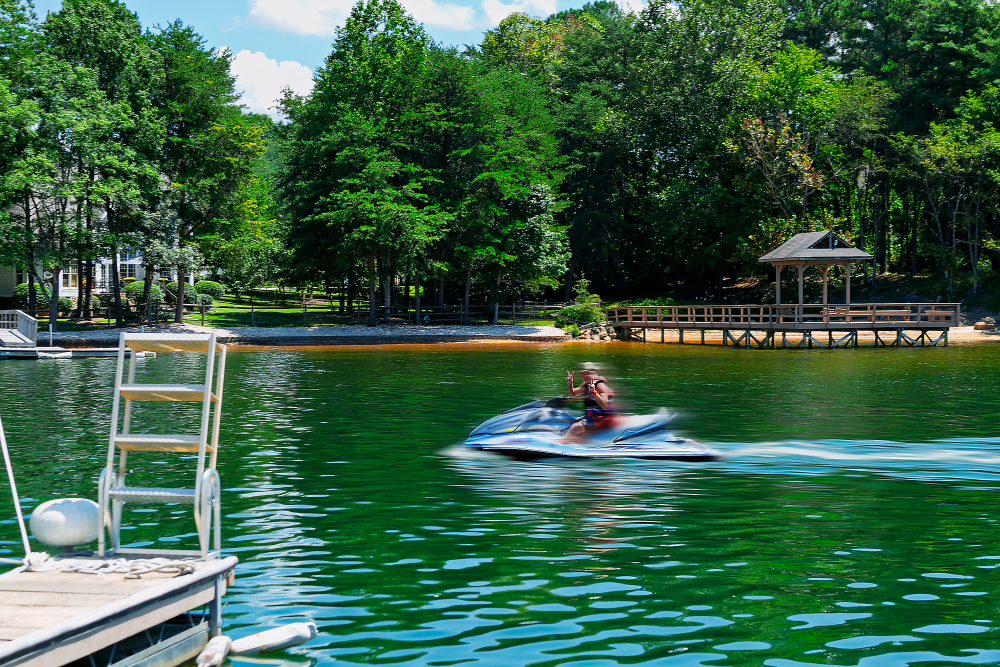
Cornelius provides access to Lake Norman without requiring every part of daily life to revolve around boating.
Residents can walk beneath mature trees at Jetton Park, swim at Ramsey Creek Park, explore the paths and ponds at Robbins Park, attend a performance at the Cain Center for the Arts, or have dinner beside the water at Hello, Sailor. These destinations give residents ways to enjoy the lake, parks, and local culture even if they do not own a waterfront home or boat.
Lake Norman, marinas and waterfront neighborhoods shape the town’s western side. The eastern side includes Old Town, the Antiquity development, schools, parks, and the North Carolina Highway 115 corridor leading toward Davidson. Interstate 77 and Catawba Avenue connect those areas while also serving as the town’s busiest transportation and commercial routes.
Cornelius also has more housing variety than its luxury-lake reputation might suggest. Large custom homes and private-club communities share the town with traditional subdivisions, cottages, condominiums, apartments, and townhomes. That range allows residents to prioritize water access, neighborhood amenities, walkability, lower-maintenance living, or greater privacy.
Quick Facts About Cornelius, NC
- Average Commute
- 24 minutes
- Median Home Value
- $605,708
- Median Household Income
- $207,330
- Total Population
- 30,823
- Median Property Tax
- $3,259
- Median Monthly Rent
- $1,659
Where Is Cornelius, NC?
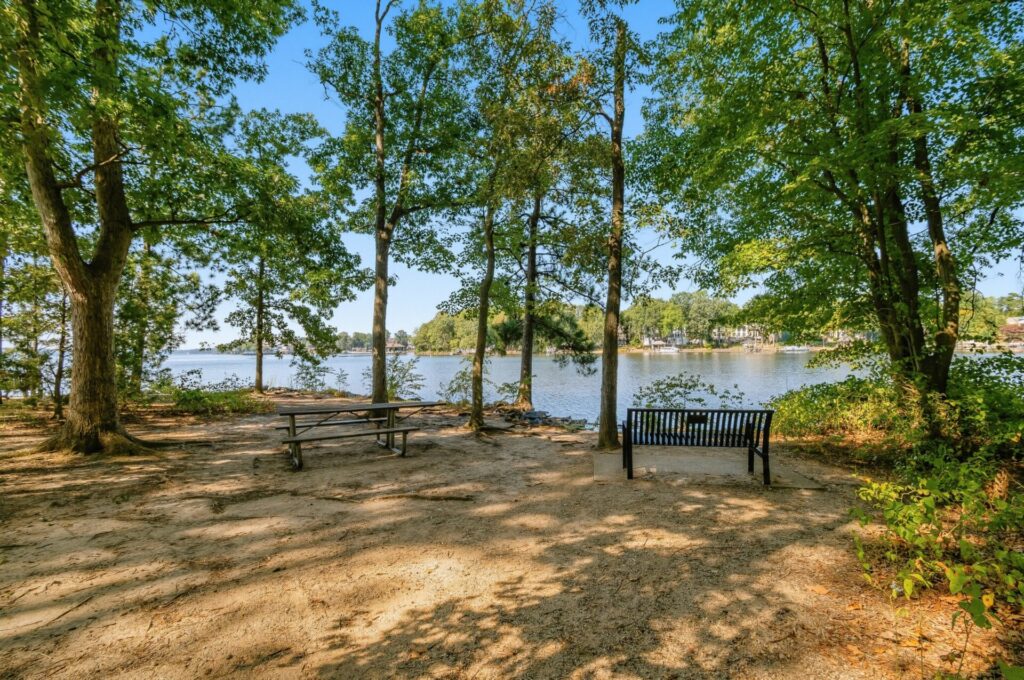
Cornelius is located in northern Mecklenburg County between Huntersville and Davidson, approximately 20 miles north of central Charlotte.
Interstate 77 runs through town, with Exit 28 at Catawba Avenue serving as its primary interchange. West Catawba Avenue leads toward Jetton Road, Lake Norman and many of the town’s waterfront communities. East Catawba Avenue connects the interstate with Old Town Cornelius and North Carolina Highway 115.
North Carolina Highway 115, known as Main Street through the older part of town, continues north into Davidson and south toward Huntersville. U.S. Highway 21 provides another north-south route east of Interstate 77.
The location makes Huntersville, Davidson, and Mooresville relatively easy to reach, but traffic is an important part of daily life. Interstate 77, Exit 28, and West Catawba Avenue can become congested during commuting periods, summer weekends, and major events. The town continues to address transportation and growth through land-use planning, road projects, and its developing downtown plan.
Charlotte Douglas International Airport and Uptown Charlotte are accessible by car, although travel times vary substantially according to traffic and the resident’s starting point within Cornelius.
Map of Cornelius, NC
Weather and Climate
Cornelius experiences a humid subtropical climate with hot, humid summers and generally moderate winters.
Summer is the busiest season on Lake Norman. Boating, swimming, paddleboarding and waterfront dining are popular, although afternoon thunderstorms, heat and high humidity can affect outdoor plans.
Spring and fall provide comfortable conditions for greenway use, golf, festivals, and neighborhood events. Established trees throughout older communities and public parks add seasonal color, although spring pollen can be heavy.
Winters are usually mild compared with colder regions, but occasional freezing temperatures, ice, and light snow can disrupt travel. The climate allows residents to use parks, trails, golf courses, and other outdoor recreation facilities during much of the year.
Average Temperatures
70 high / 47 low
Average Annual Rainfall
43 in
Average Annual Snowfall
4 in
Economy and Jobs
Cornelius is closely connected to the larger economies of Charlotte and Lake Norman.
Many residents commute to employment centers in Charlotte, Huntersville, Davidson, Mooresville, and University City. Banking, technology, professional services, healthcare, education, retail, hospitality, construction, and real estate all contribute to the regional employment market.
Cornelius also supports industries tied directly to Lake Norman. Marinas, boat dealers, repair businesses, storage facilities, recreation providers, and waterfront restaurants form a visible part of the local economy.
Healthcare has become a larger employment sector with the opening of Atrium Health Lake Norman. The Cornelius hospital provides 24-hour emergency care, surgery, maternity care, diagnostic services, and access to specialty practices. Atrium Health also lists dozens of clinical and support positions connected to its Cornelius facilities.
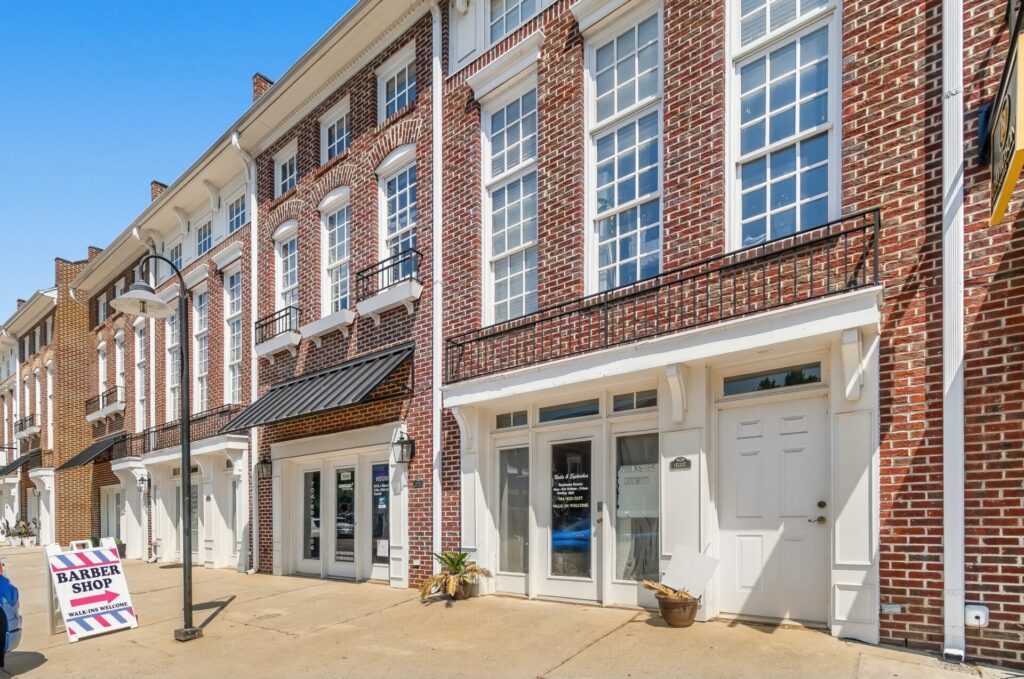
Old Town Cornelius supports a growing network of small businesses, restaurants, breweries, and arts organizations. The Cain Center for the Arts presents performances, exhibitions, classes and workshops, while venues such as Lost Worlds Brewing host concerts, markets and community gatherings.
Remote and hybrid workers are also drawn to Cornelius because it offers access to the Charlotte region, lake recreation, neighborhood amenities, and a less urban home environment.
Learning and Education
Charlotte-Mecklenburg Schools serves Cornelius.
Public schools located within the town include Cornelius Elementary School, J.V. Washam Elementary School, Bailey Middle School, and William Amos Hough High School. J.V. Washam serves children from Cornelius and portions of nearby Huntersville and Davidson, while Hough High School serves students from the Lake Norman communities.
School assignments depend on the exact home address and may change as Charlotte-Mecklenburg Schools adjusts attendance boundaries and programs. Families should use the district’s current address-based tools instead of relying on neighborhood marketing, previous real estate listings or the school attended by another nearby household.
Private, charter, and alternative education options are available throughout the broader North Mecklenburg area. These include Grace Covenant Academy, Phoenix Montessori Academy, Community School of Davidson, Lake Norman Charter School, Davidson Day School, and Woodlawn School. Admissions requirements, tuition, transportation, and enrollment availability vary.
Nearby higher-education options include Davidson College, Central Piedmont Community College’s Merancas Campus and the University of North Carolina at Charlotte.
The Cornelius Branch Library provides books, computers, study space, public programs, and access to the broader Charlotte Mecklenburg Library system.
Where to Live in Cornelius
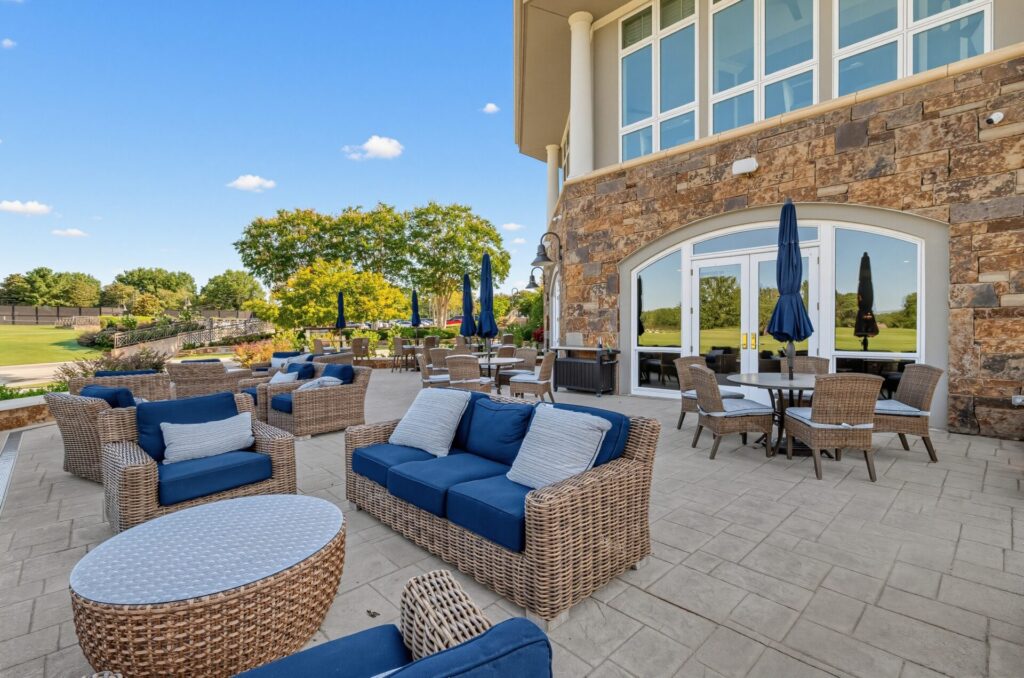
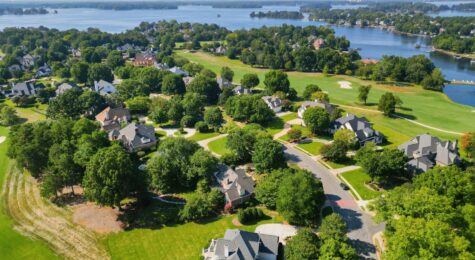
Cornelius offers a broad range of housing, from luxury waterfront estates and private-club communities to traditional subdivisions and lower-maintenance attached homes. The Peninsula is the area’s signature luxury community, combining custom waterfront and golf-course homes with access to private-club amenities including golf, swimming, tennis, fitness and dining. Jetton Cove provides a more approachable lake-oriented option, with detached homes and townhomes near Lake Norman, Jetton Park and nearby shopping and services. These communities appeal to buyers who value lake access, recreation and established surroundings, although waterfront properties and private-club living can bring higher costs, association fees and property-specific dock or shoreline considerations. Buyers should also account for traffic along major corridors such as Jetton Road and West Catawba Avenue.
For buyers who prioritize walkability, outdoor recreation or a more connected neighborhood setting, Antiquity, Robbins Park and Old Town Cornelius offer distinct alternatives. Antiquity combines detached homes, townhomes, condominiums and apartments with sidewalks, pocket parks and greenway access in a New Urbanist-style setting near Old Town. The Robbins Park area provides access to extensive public trails, sports facilities, ponds and natural areas, making it particularly appealing to residents who prioritize outdoor activity over direct lake frontage. Old Town Cornelius blends historic buildings and older homes with newer townhomes, apartments, mixed-use development, restaurants, arts venues and community events, creating a more active and evolving environment. Buyers should consider whether they prefer waterfront living, traditional suburban neighborhoods, newer attached housing or proximity to shops, parks and cultural destinations when comparing Cornelius communities.
Neighborhoods
Best Cornelius, NC, Neighborhoods
Located along Lake Norman north of Charlotte, Cornelius, North Carolina, offers several distinct residential environments within a relatively small town. Buyers can choose from luxury waterfront communities, neighborhoods built around… Continue reading Cornelius, NC
Healthcare
Atrium Health Lake Norman gives Cornelius a full-service hospital within town limits.
The hospital provides 24-hour emergency care, surgery, maternity services, imaging, laboratory care, and inpatient treatment. Medical offices on or near the campus expand access to cardiology, orthopedics, sports medicine, women’s health, pulmonology, primary care and general surgery.
Primary care, pediatrics, dentistry, physical therapy, urgent care, and specialty offices are also distributed throughout Cornelius and the surrounding Lake Norman communities.
Novant Health Huntersville Medical Center provides another nearby hospital option south of Cornelius. Residents can also reach larger specialty and academic medical facilities in Charlotte.
The presence of Atrium Health Lake Norman reduces the need to travel toward central Charlotte for many emergency, maternity, surgical, and outpatient services. However, provider networks and insurance coverage may influence which health system residents use.
Things To Do
Cornelius offers a mix of waterfront recreation, arts programming, festivals, and community events.
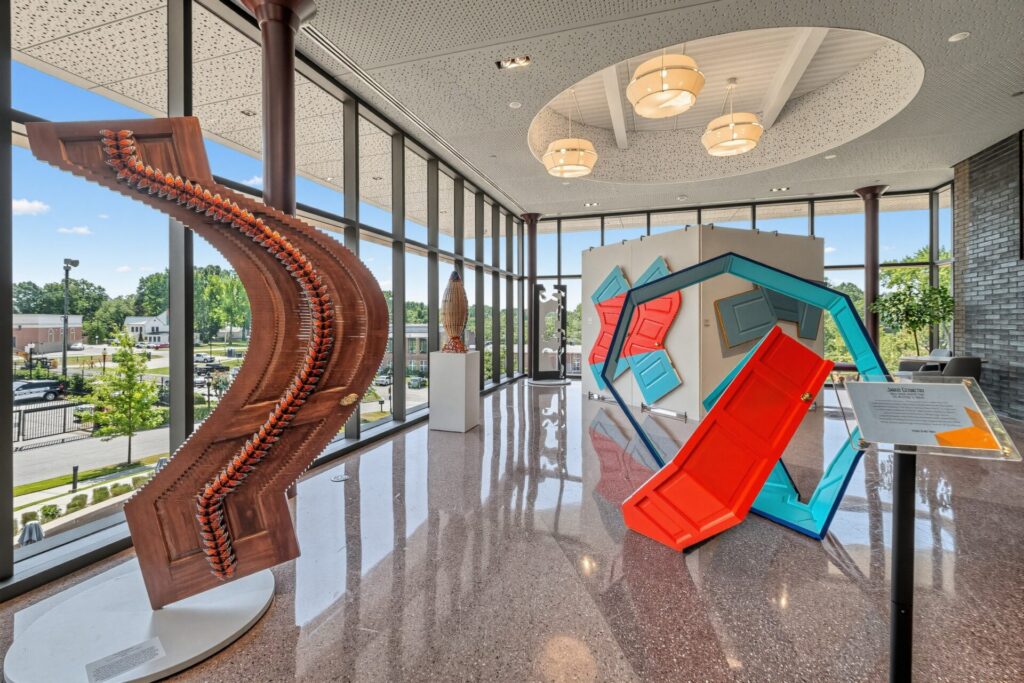
The Cain Center for the Arts serves as the town’s primary cultural anchor. The Old Town venue presents concerts, theater, comedy, and touring productions while offering year-round visual arts classes and workshops for children and adults.
The center also partners with Lost Worlds Brewing on the Lost at the Lake concert series, bringing touring performers to the brewery’s Cornelius venue.

Jetton Park is one of Cornelius’ best-known Lake Norman destinations. Its walking trail, tennis courts, playgrounds, shelters, and waterfront views make it useful for exercise, picnics, and family outings.
Ramsey Creek Park offers another waterfront experience and includes the town’s public swim beach, along with trails, playgrounds, picnic areas and boat access. The park also hosts the Meck Sounds Music Series in partnership with Mecklenburg County.
Town events provide additional reasons to gather throughout the year. Symphony in the Park & Fireworks brings the Charlotte Symphony Orchestra to the Bailey Road Park bandshell. Laketoberfest combines live music, local beer and wine, food trucks and children’s activities.
The Cornelius Jazz Festival features local music, food trucks, and family programming. At the same time, the ’Tawba Walk Arts & Music Festival fills the Oak Street Mill area with artists, vendors, food and live street performances. The Cornelius Festival of Cultures celebrates local communities through food, crafts, and performances.
Outdoor Life and Green Space
Lake Norman is the most visible part of Cornelius’ outdoor identity, but the town’s parks and greenways provide recreation for residents who do not own boats or live on the waterfront.
Cornelius maintains hundreds of acres of developed parkland and miles of trails and greenways, with additional undeveloped land reserved for future park and greenway use.
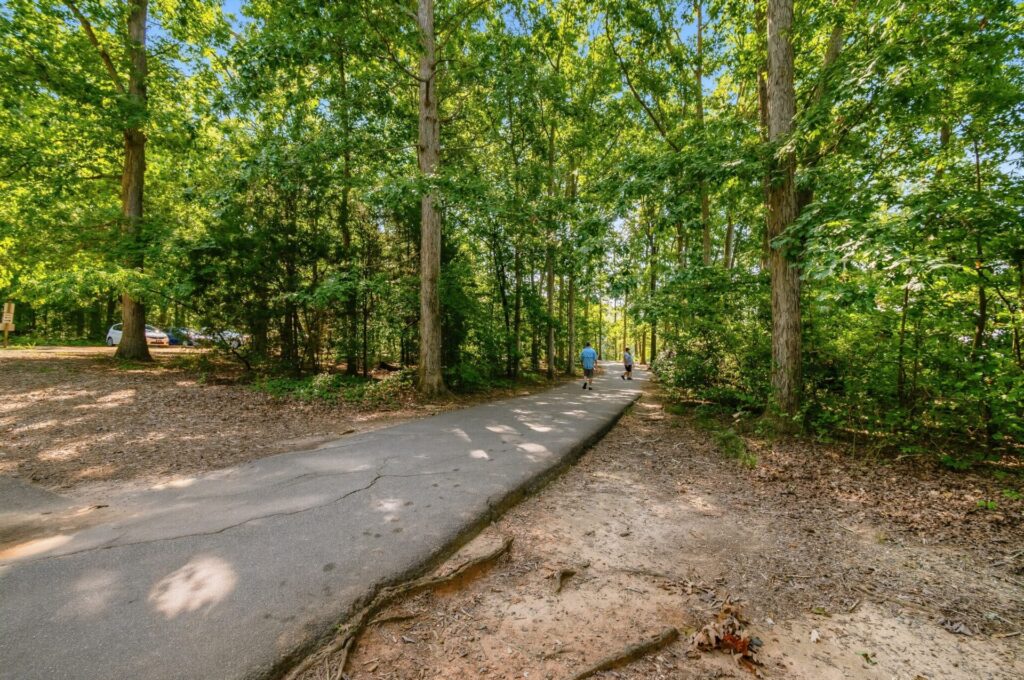
Jetton Park combines shaded walking routes with playgrounds, tennis courts, shelters, and water views. Although the park includes shoreline, it is better suited to walking and picnicking than to conventional public swimming.
Ramsey Creek Park contains the principal public swim beach in Cornelius, along with lake access and general park recreation. Mecklenburg County controls beach operations, parking fees, and seasonal rules, which may change.
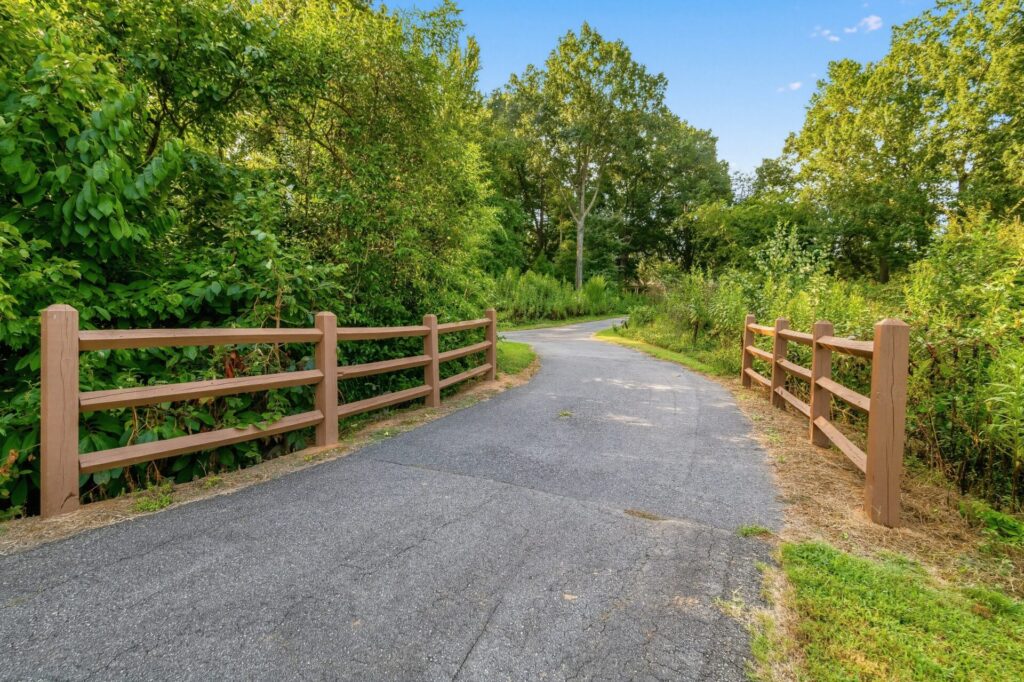
Robbins Park provides a different outdoor experience away from the shoreline. Fishing ponds, disc golf, a nature preserve, playground space, and more than 4 miles of trails make it suitable for both short visits and longer periods of recreation.
The McDowell Creek Greenway connects the Birkdale area with Robbins Park and West Catawba Avenue. Other local routes include the Antiquity Greenway, Jetton Park Trail, Caldwell Station Tributary Greenway, and shorter trails within neighborhood parks.
Bailey Road Park supports organized sports, community events, and performances at its bandshell. LKN Kiwanis Splashville at Smithville Park provides a splash pad and playground, while Torrence Chapel Park includes athletic fields, basketball, tennis, pickleball and a walking trail.
Boating remains central to life in Cornelius. Marinas, public launches, boat-storage facilities, and waterfront neighborhoods provide several ways to reach the lake, but dock rights and watercraft storage vary significantly by property.
Food, Drink, and the Boat-Up Lifestyle
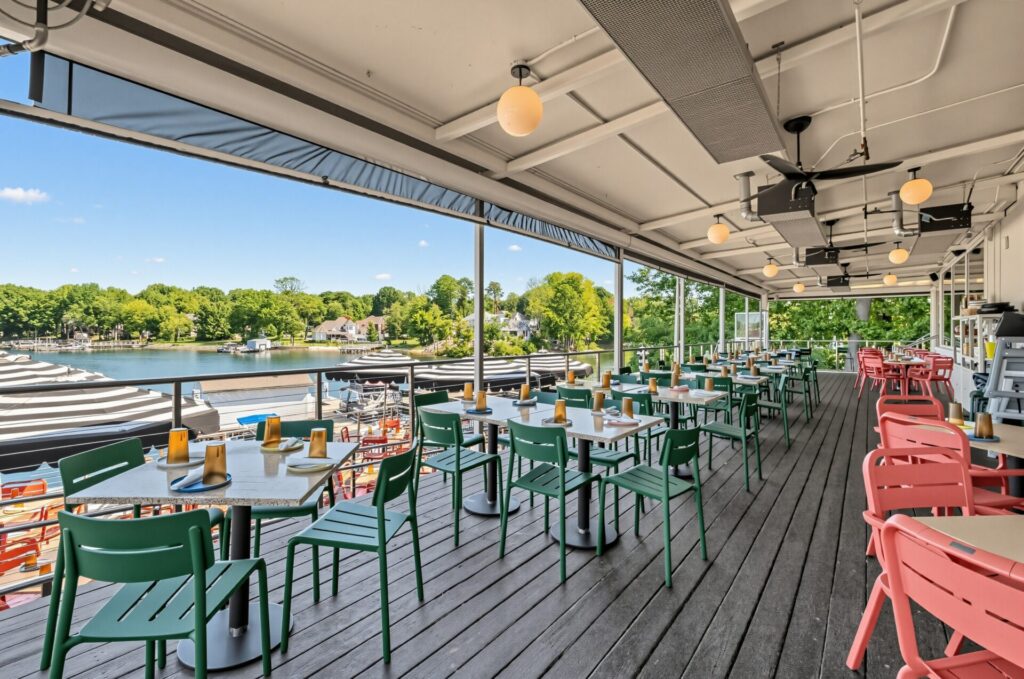
In Cornelius, dinner can begin at the dock. Waterfront restaurants such as Hello, Sailor and LakeHouse Wine Bar & Grill welcome guests arriving from Lake Norman, allowing residents to take a pontoon or other recreational boat to lunch, cocktails, or dinner. Just north of Cornelius in Davidson, North Harbor Club extends that boat-up dining circuit with additional guest slips.
Hello, Sailor pairs its dedicated boat access with broad lake views, outdoor terraces and a seafood-focused menu. LakeHouse Wine Bar & Grill offers another waterfront destination with indoor lake views, seasonal patio seating, and docks for guests arriving by water. These restaurants are not simply scenic places to eat. They demonstrate how thoroughly boating is integrated into everyday life in Cornelius.
That access also helps explain the premium attached to waterfront and water-access real estate. Buyers in communities such as The Peninsula are not only purchasing a lake view. Depending on the property, they may have the ability to depart from a private dock or neighborhood marina and travel across the lake for dinner. For boating households, that convenience can be a meaningful part of the value of living in Cornelius.
The town’s restaurant scene also reflects the affluence of its golf, waterfront and private-club communities. Peninsula Prime serves aged steaks, seafood, and traditional steakhouse sides near The Peninsula. The original 131 MAIN offers wood-fired steaks, seafood and polished American dining, while Barrel & Fork occupies a historic Old Town house with intimate dining rooms and a cocktail-focused bar.
Together, these establishments give residents several options for celebrations, date nights, and business dinners without requiring a trip into Charlotte. Cornelius’s strongest dining advantage is not sheer restaurant volume. It is the way its restaurants support the lifestyle buyers are seeking, from arriving by boat to enjoying an upscale dinner close to home.
The Soul of the City
Two major transformations define Cornelius.
The first began with cotton. The community developed after local cotton merchants established a purchasing operation and textile mill south of Davidson. Cornelius was founded in 1893 and incorporated in 1905, with Old Town growing around those industrial roots.
The second came in 1963, when Duke Power dammed the Catawba River to create Lake Norman. Cornelius gained approximately 70 miles of shoreline, reshaping its housing, economy, and public identity.
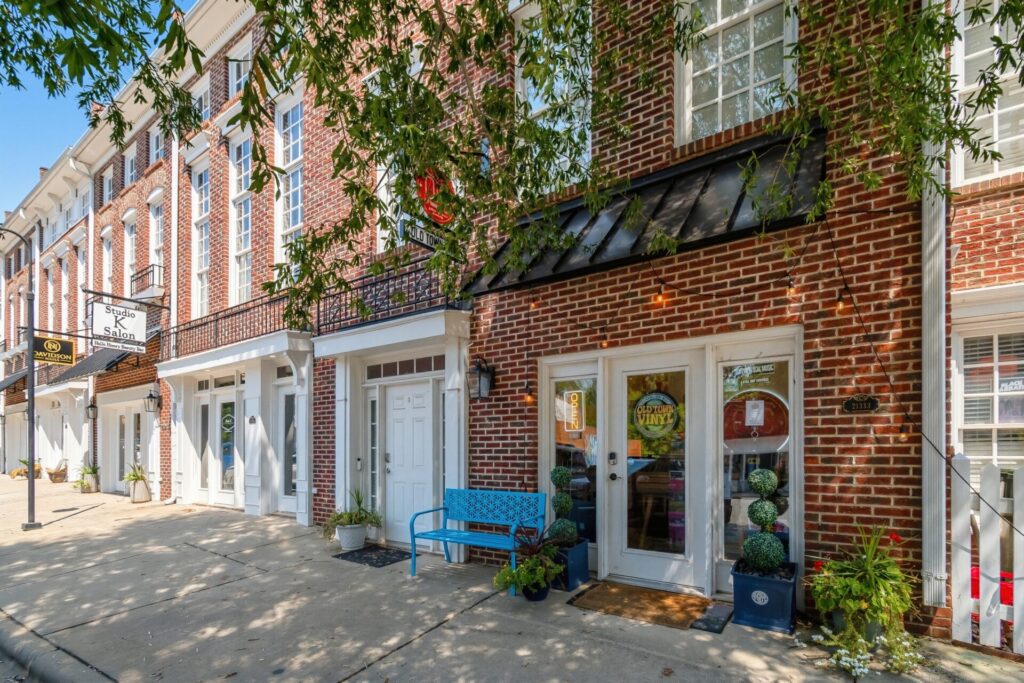
Modern Cornelius exists between those histories. The western side is associated with marinas, waterfront homes, private clubs, and lake recreation. Old Town is developing into an arts and mixed-use center built around the Cain Center for the Arts, independent businesses, community events, and greenway connections.
Cornelius is more developed than a quiet lake retreat, but it does not function like an urban neighborhood in Charlotte. Most residents still rely on cars, and transportation remains a key area for growth. At the same time, parks, trails, neighborhood amenities, arts venues, and restaurants provide meaningful opportunities to spend time close to home.
For many residents, the most important choice is not simply whether to live in Cornelius. It is deciding which version of Cornelius best fits daily life: waterfront, golf-centered, park-oriented, walkable, or quietly suburban.
FAQs About Cornelius, NC
Cornelius is known for its Lake Norman shoreline, waterfront neighborhoods, marinas, parks, restaurants, and private clubs. It is also home to the Cain Center for the Arts, Atrium Health Lake Norman, Jetton Park, Ramsey Creek Park, and a growing Old Town district.
Cornelius can be a strong fit for people seeking lake access, established neighborhoods, public parks, and proximity to the Charlotte region. Housing costs, traffic, homeowner association rules, and access to waterfront amenities vary considerably by neighborhood.
Cornelius is approximately 20 miles north of central Charlotte. Travel time varies according to the starting point, destination, and Interstate 77 traffic.
Yes. Residents can use public parks, greenways, community pools, sports facilities, arts venues, restaurants, and town events without owning a boat. Ramsey Creek Park provides public swimming access, while Jetton Park offers trails and waterfront views.
Walkability varies. Antiquity and portions of Old Town provide some of the town’s strongest pedestrian connections. Residents near certain parks and mixed-use centers may also reach selected destinations on foot. Cornelius overall remains car-dependent.
Cornelius includes luxury waterfront estates, private golf communities, traditional subdivisions, townhomes, condominiums, apartments, and mixed-use neighborhoods. The Peninsula, Jetton Cove, Antiquity, the Robbins Park area, and Old Town represent several distinct residential environments.
Residents can boat or swim on Lake Norman, walk at Jetton Park, explore trails at Robbins Park, attend performances at the Cain Center for the Arts, visit breweries and waterfront restaurants, or participate in events such as Laketoberfest, Symphony in the Park, and the Cornelius Jazz Festival.

Have Questions About Moving to the Cornelius Area?
Whether you're relocating soon or just starting to plan, drop your question here. Our internal team reads every submission and will follow up with our top local insights to help you get the real answers you need.