

Best Fort Mill, SC, Neighborhoods
Fort Mill offers a surprisingly diverse collection of neighborhoods for a town of its size. While many people first discover the area because of its schools or proximity to Charlotte, it is often the neighborhoods themselves that shape daily life and influence where residents choose to put down roots.
Unlike older cities with dense grids of historic neighborhoods, Fort Mill’s residential landscape is largely defined by master-planned communities, golf-course developments, and newer suburban neighborhoods. Each area functions differently day to day. Some emphasize walkability and community gathering spaces, while others focus on golf amenities, newer housing, or access to outdoor recreation.
Understanding how these neighborhoods operate beyond home prices and square footage is often the key to finding the right fit.
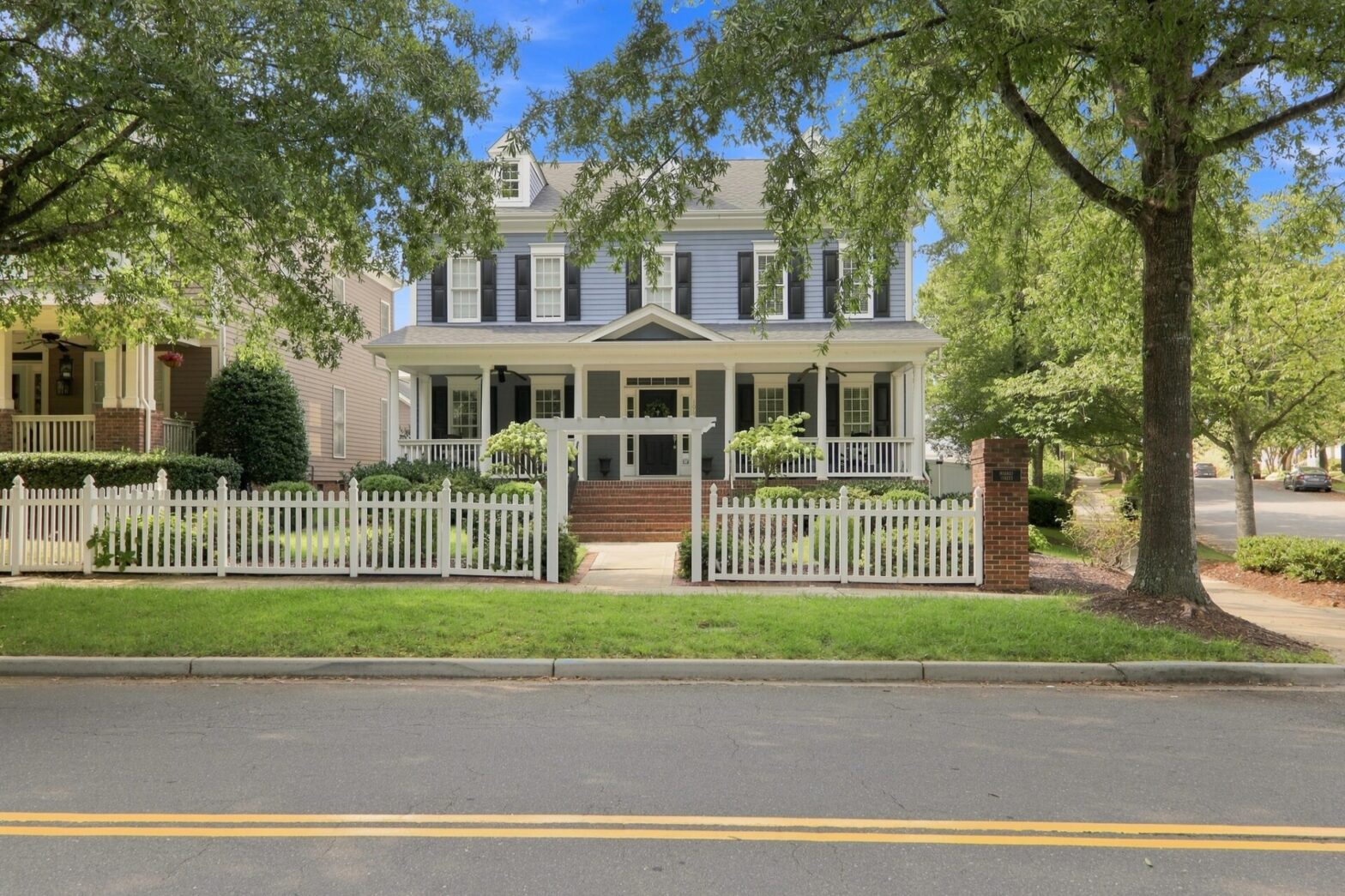
About Fort Mill’s Neighborhood Layout
Much of Fort Mill’s residential growth has followed the expansion of Charlotte’s southern suburbs. Communities closer to Interstate 77 and the North Carolina border tend to provide the most direct access to Charlotte employment centers. At the same time, newer development has expanded southward toward the Catawba River and surrounding portions of York County.
Throughout the town, daily life revolves around several key destinations. Fort Mill Parkway serves as a primary east-west corridor connecting residential areas to retail and dining options, while U.S. Highway 21 and Interstate 77 provide regional access. Downtown Fort Mill, Baxter Town Center, and Kingsley serve as activity hubs where residents gather for dining, shopping, and community events.
Parks, greenways, and recreational amenities are integrated throughout many of Fort Mill’s newer communities, creating neighborhoods that often feel more self-contained than traditional suburban subdivisions.
The result is a town where some neighborhoods function almost like small villages, while others emphasize privacy, golf amenities, or access to the outdoors.
Best Neighborhoods in Fort Mill
Baxter Village
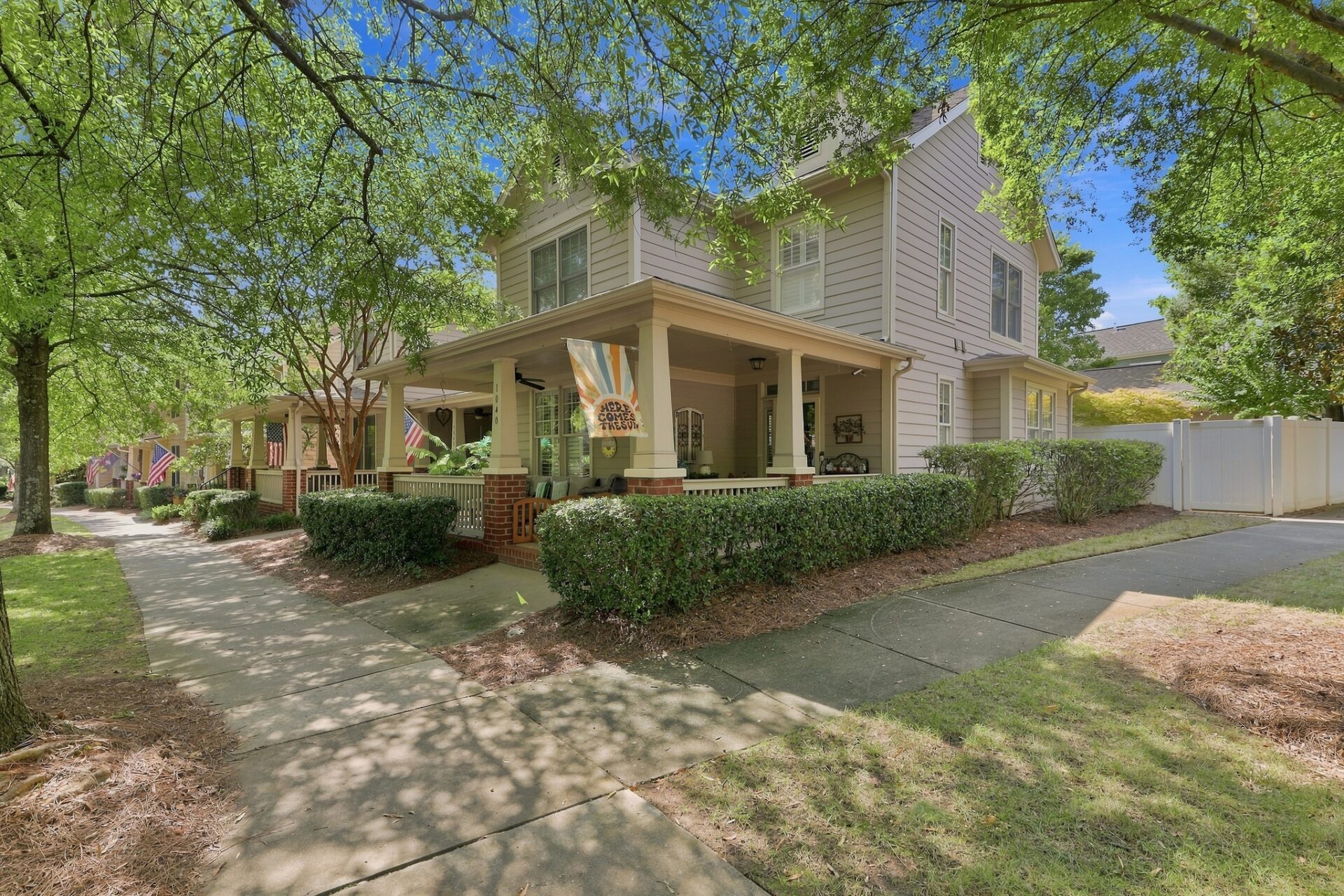
Baxter Village is one of Fort Mill’s most recognizable master-planned communities.
Located near Interstate 77 and the North Carolina border, the neighborhood was designed around a walkable village concept in which residential areas connect to shops, restaurants, offices, and gathering spaces. As a result, daily life often feels different here than in many traditional suburban developments.
The neighborhood centers on Baxter Town Center, which includes restaurants, coffee shops, professional services, and community gathering areas. Sidewalks connect much of the community, and residents frequently walk or bike to local destinations. Throughout the year, concerts, seasonal festivals, farmers’ markets, and community events help activate public spaces.
Housing includes a mix of single-family homes, townhomes, and custom residences arranged along tree-lined streets, with parks, pocket green space, and neighborhood amenities woven throughout the community.
For many residents, daily life revolves as much around the neighborhood itself as it does the broader Fort Mill area.
Find homes for sale in Baxter Village
Springfield
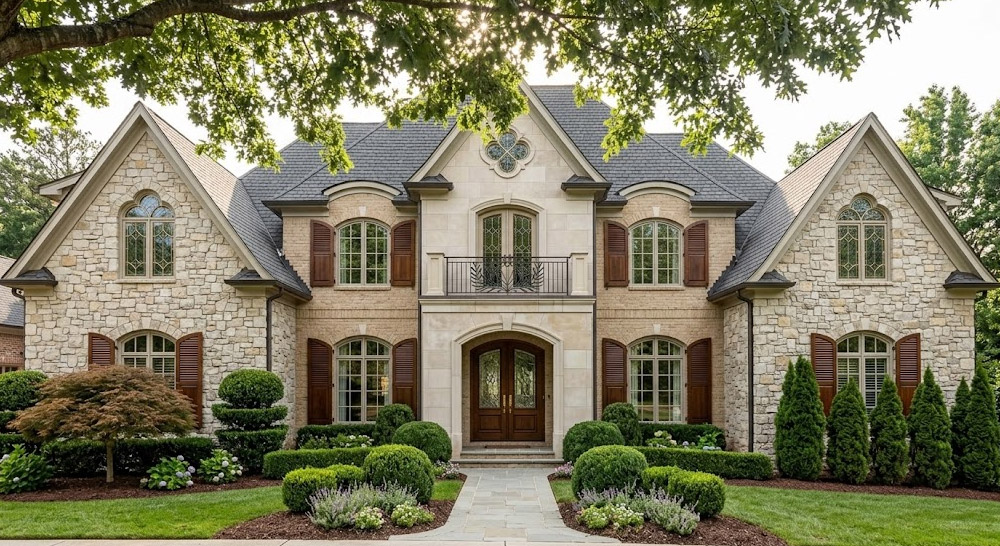
Springfield is centered around the Springfield Golf Club and is one of Fort Mill’s most established golf-course communities.
The neighborhood is characterized by larger homes, expansive landscaping, and a development pattern that emphasizes open space and golf-course views. Streets tend to be quieter than in more densely developed communities, and many homes occupy larger lots than those found elsewhere in Fort Mill.
Golf is a visible part of daily life, but the neighborhood also includes swimming pools, walking trails, fitness amenities and gathering spaces that support a variety of lifestyles. Community amenities are regular destinations for residents, creating opportunities for recreation and social interaction within the neighborhood.
Architecturally, Springfield includes a mix of custom and semi-custom homes with traditional influences and a strong emphasis on curb appeal. Landscaping plays an important role throughout the community, contributing to its established appearance.
Find homes for sale in Springfield
Waterside at the Catawba
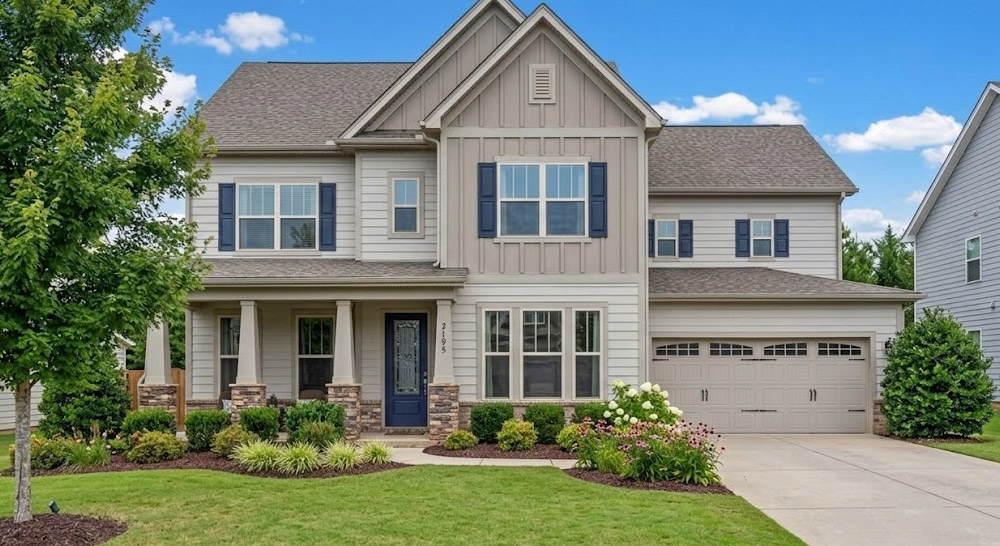
Located along the Catawba River, Waterside at the Catawba is one of Fort Mill’s newer master-planned communities.
The neighborhood was designed around outdoor recreation and community connectivity. Walking trails, green spaces, parks and gathering areas are integrated throughout the development, creating opportunities for residents to spend time outdoors close to home.
Housing consists primarily of newer single-family homes featuring contemporary floor plans, flexible living spaces and modern construction standards. Streets, sidewalks, and common areas were designed to encourage pedestrian activity and neighborhood interaction.
The riverfront setting influences much of the community’s character. Access to trails, natural areas, and outdoor recreation helps distinguish Waterside from many traditional suburban neighborhoods in the region.
Daily life often centers on neighborhood amenities, community events and outdoor spaces.
Find homes for sale in Waterside at the Catawba
Downtown Fort Mill Area
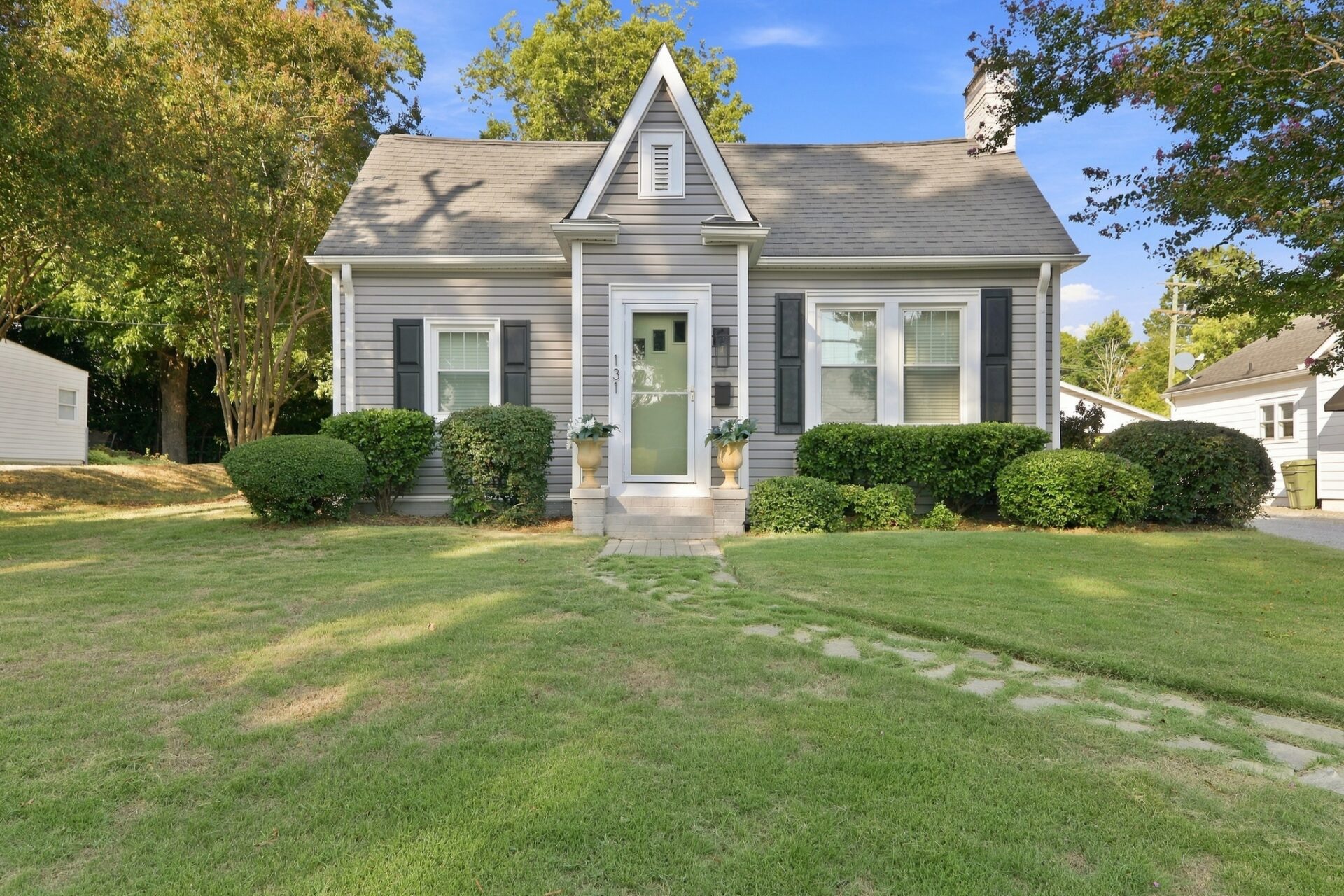
The neighborhoods surrounding downtown Fort Mill offer a different living experience than many of the town’s master-planned developments.
Centered around Main Street, this area offers access to locally owned restaurants, breweries, shops, and community events in a more traditional small-town setting. Residents often spend time in the downtown district, where public events, seasonal celebrations, and local businesses help shape the community’s identity.
Housing includes a mix of older homes, renovated properties, and newer infill development. Architectural styles vary considerably from block to block, reflecting the area’s longer development history and contributing to a stronger sense of individuality than many newer subdivisions.
Daily life often revolves around local businesses, parks, and community gatherings rather than neighborhood-specific amenities.
Find homes for sale in Downtown Fort Mill
Kingsley
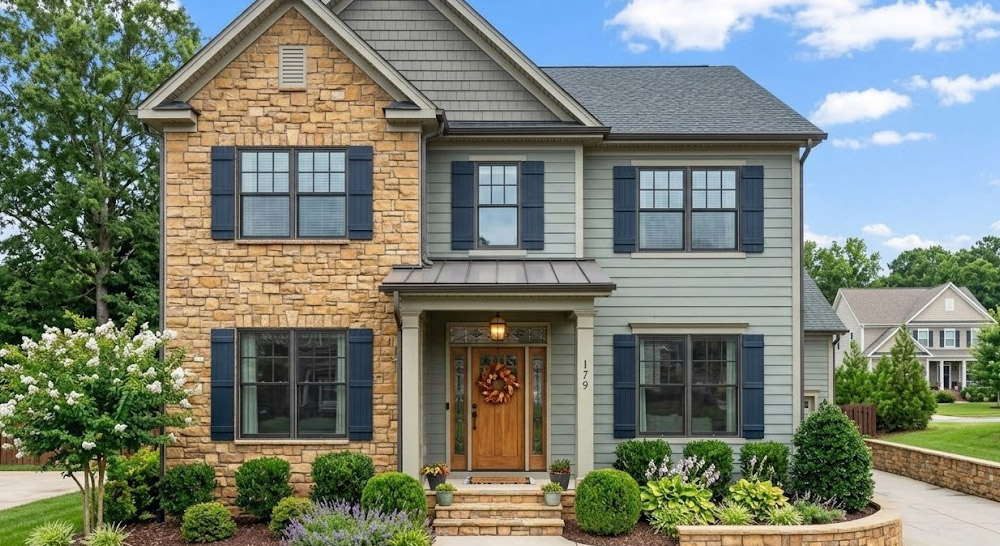
Kingsley has emerged as one of Fort Mill’s most prominent mixed-use districts.
Located near Interstate 77, the area combines residential development with offices, restaurants, retail space, hotels and entertainment venues. The neighborhood functions differently from many traditional suburban communities because residential and commercial uses are intentionally integrated.
Housing includes apartments, townhomes and newer residential developments located within walking distance of restaurants, offices, and gathering spaces. Sidewalks, streetscapes and public areas help create a more connected environment than is typical in many suburban settings.
The district’s location provides convenient access to both Fort Mill and Charlotte, and much of daily activity can take place within the neighborhood itself.
For residents seeking a more walkable environment with a mix of residential and commercial uses, Kingsley offers a distinctive option within Fort Mill.
Find homes for sale in Kingsley
Nearby Cities & Regional Access
One of Fort Mill’s defining characteristics is its location within the Charlotte metropolitan area.
- Charlotte, NC: Approximately 20 to 30 minutes north, Charlotte provides major employment centers, professional sports, entertainment venues, museums, and cultural attractions.
- Rock Hill, SC: Located roughly 15 minutes south, Rock Hill is York County’s largest city and offers additional health care, educational, and retail resources.
- Tega Cay, SC: Adjacent to Fort Mill, Tega Cay is known for its golf courses, waterfront amenities, and access to Lake Wylie.
- Indian Land, SC: Located immediately to the east, Indian Land continues to experience significant residential and commercial growth, expanding shopping, dining, and service options throughout the region.
Everyday Life in Fort Mill Neighborhoods
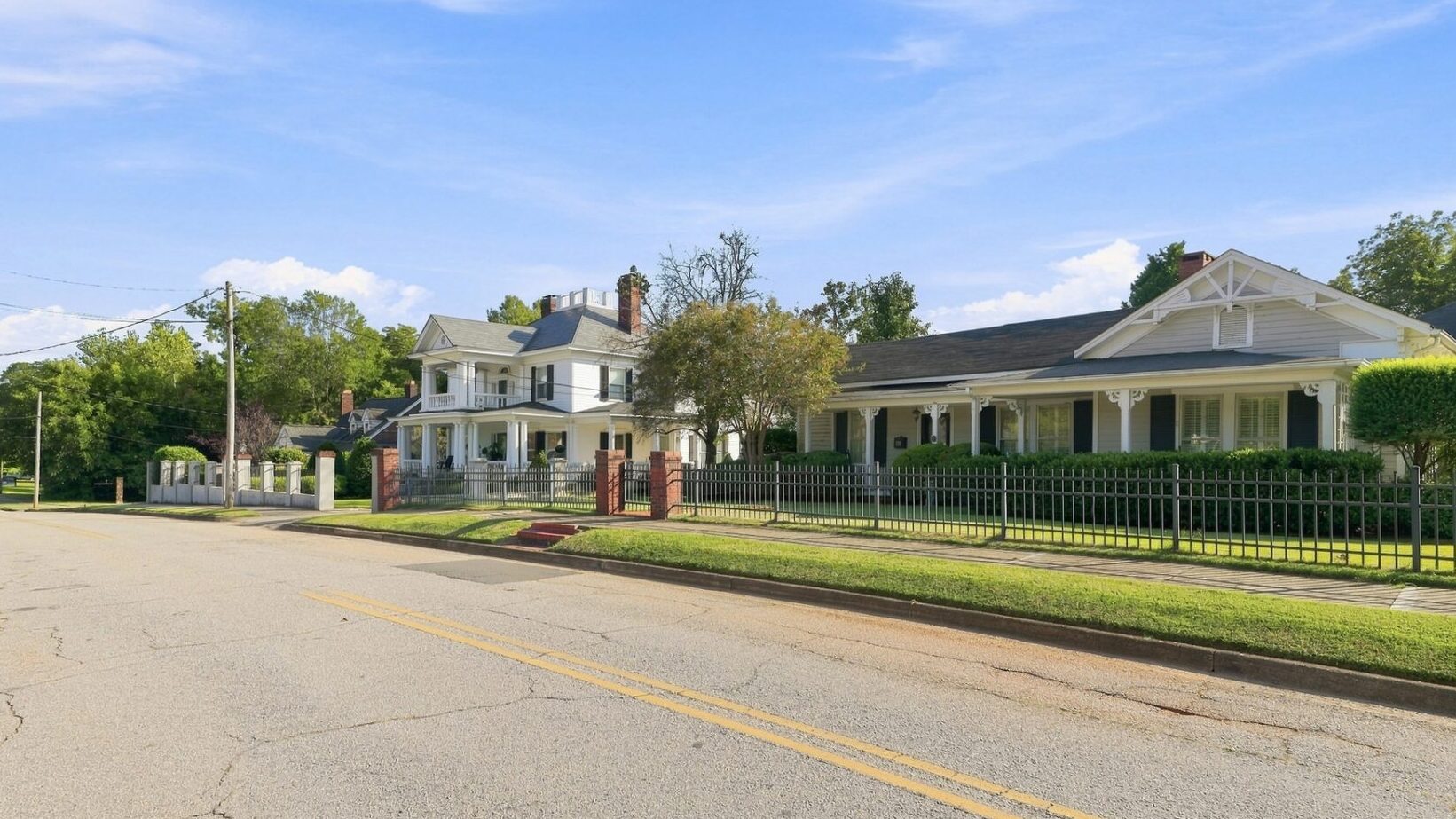
Daily life in Fort Mill often revolves around schools, parks, community activities, and short drives between residential neighborhoods and commercial corridors.
Weekends frequently include youth sports, community festivals, outdoor recreation, and visits to local restaurants and gathering places. Many residents commute to Charlotte for work while spending most of their personal time within Fort Mill and York County.
Neighborhood events, school activities, and local businesses play an important role in shaping community life throughout the town.
What Shapes Neighborhood Life in Fort Mill?
Several factors influence how neighborhoods function throughout Fort Mill:
- Access to Fort Mill schools.
- Proximity to Charlotte employment centers.
- Community amenities such as pools, trails, and parks.
- Walkability and neighborhood gathering spaces.
- Access to outdoor recreation, including the Catawba River and Lake Wylie.
- Housing variety ranging from historic homes to newer master-planned communities.
Together, these elements create neighborhoods that offer distinctly different experiences despite being located within the same town.
Choosing the Right Neighborhood
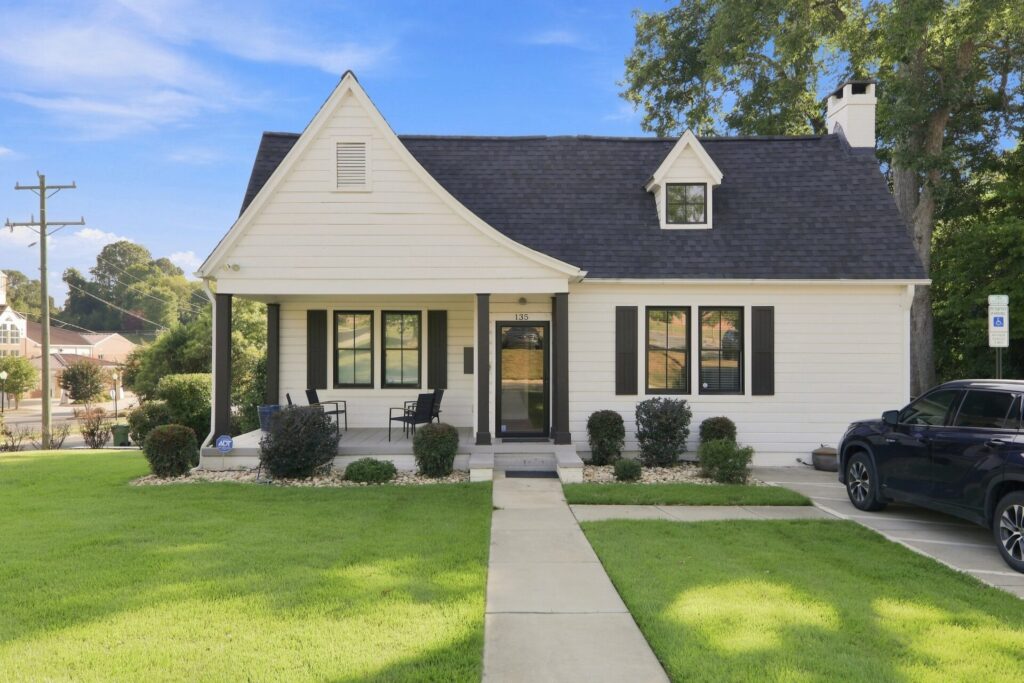
Choosing the right neighborhood in Fort Mill often comes down to how you want your daily routine to function.
Baxter Village centers on walkability, neighborhood events, and a village-style environment. Springfield revolves around golf-course living, larger homes, and open space. Waterside at the Catawba integrates newer housing with trails, parks, and river-oriented recreation. The downtown area offers a more traditional small-town setting, while Kingsley combines residential living with offices, dining and entertainment venues.
Spending time in each neighborhood at different times of day can provide valuable insights into traffic patterns, activity, and the rhythm of daily life.
The good news is that regardless of which neighborhood you choose, you’ll find access to many of the qualities that continue to shape Fort Mill’s growth: community connectivity, outdoor recreation, regional accessibility, and a strong sense of place.
Note on imagery: Images marked “AI Generated” are visuals to illustrate the neighborhood homes, atmosphere and architectural style. To protect homeowner privacy, these images are artistic representations and do not depict specific existing properties.