
Tennessee Infrastructure Assets Check Every Box
Adam Myers knows he needs more than just a 98-mph fastball when he’s pitching Chattanooga, particularly, or Tennessee, generally, to businesses he’s recruiting.
“No pitch is ever the same, because you have to understand the individual needs of the company and the problem it’s trying to solve,” says Myers, vice president of economic and talent development at the Chattanooga Area Chamber of Commerce.
Even so, he says the area and state have strengths that play no matter the circumstances. Examples include some of the fastest internet speeds anywhere, courtesy of EPB, and workforce development programs at community colleges and universities. And infrastructure – lots and lots of infrastructure – in the air and on the road, rails and water all over the Volunteer State.
When it comes to interstate highways, I-40 connects Memphis, Nashville and Knoxville. The latter city is connected to Chattanooga by I-75, while I-24 links Chattanooga and Nashville. Tennessee’s capital city is also bisected by I-65. Additionally, the state is no more than a day’s drive from 76% of major U.S. markets and, Myers says, “about one-third of the nation’s population.”
Silver Streams and Steel Wheels
Tennessee also takes care of business on the water, Myers says, with nearly 1,000 miles of navigable waterways, the majority of which are composed of the Tennessee River and its tributaries. That waterway system, managed by the Tennessee Valley Authority, affords barge traffic ready access to another 16,000 navigable miles regionally and beyond.
“We have easy connections to various ports,” Myers says, “including Mobile and Savannah.”
In addition, Tennessee is serviced by six of the nation’s seven Class I railroads, including CSX, Norfolk Southern and Union Pacific, and Memphis and Nashville boast expansive airports that handle international travel.
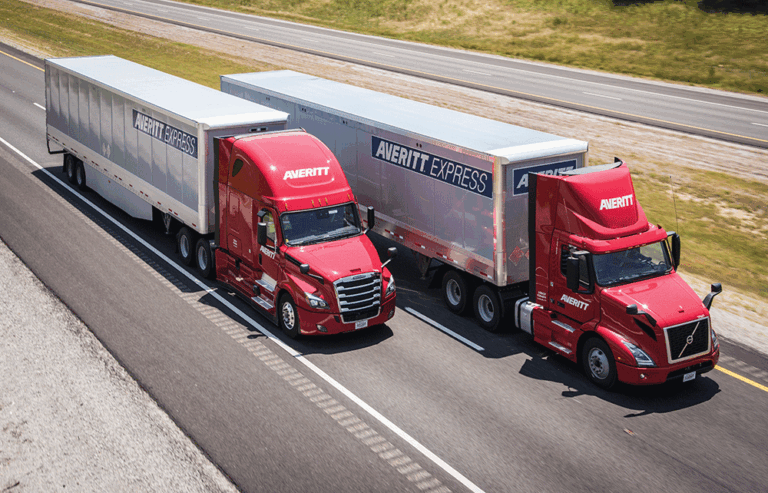
Given these resources, it’s not hard to imagine that infrastructure has played a key role in Tennessee’s addition of more than 13,000 new jobs and some $4 billion in new capital investment since 2018. It’s certainly mattered to Averitt Express, which has called Cookeville home for the past 55 years.
“Tennessee has been foundational to our success,” says Brad Brown, director of marketing and communications for the company. “The state’s central location and strong infrastructure have allowed us to grow from a small regional carrier into a full-service global supply chain partner.
The state checks every box for transportation and logistics companies. When you combine its connectivity with a workforce of nearly a quarter-million Tennesseans in logistics, it’s clear why the state has become a powerhouse for distribution and supply chain operations.”
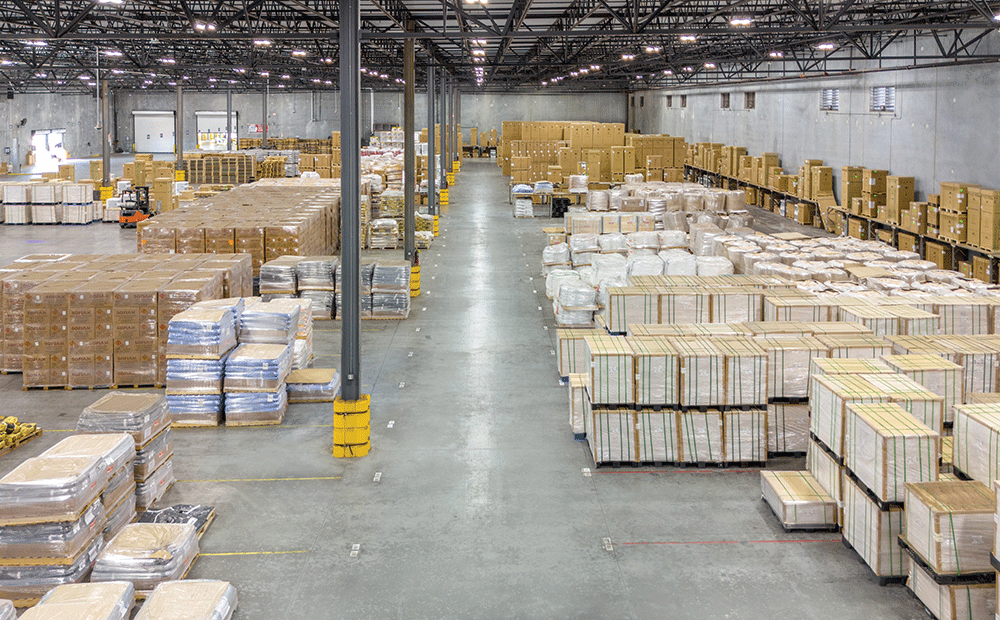
Brown says that while Averitt started in trucking, the evolving diversity of industries and shipping needs has made it possible for the company to grow into areas like warehousing, international forwarding, dedicated fleets, air cargo and cross-border shipping.
Brown says Averitt’s partnership with iconic Tennessee brands, including MoonPie and Cracker Barrel Old Country Store, “highlight not only the strength of Tennessee’s business community, but also the role logistics plays in helping homegrown brands grow well beyond the state’s borders.”

Education, Careers & Opportunity
What Are the Top Industries in Tennessee?
The state’s industrial diversity creates stability and fuels advancement.
FedEx Takes Flight
If a Mount Rushmore-style monument of Tennessee-based businesses existed, FedEx would certainly be on it. FedEx spokesperson Clare Stevens says Memphis’ central location was one reason the late Fred Smith decided to launch the company there more than 50 years ago.
Stevens cites FedEx’s 2024 Global Economic Impact Report, which details the company’s commitment to Memphis, “a particularly important location in the state” and home to its largest air hub. The report says that FedEx is supporting the future growth of that hub with its recent construction of a 328,000-square-foot sorting facility.
Moreover, the report says that in 2024, FedEx spent $284 million with suppliers based in Shelby County/Memphis and another $350 million with suppliers based elsewhere in Tennessee.
“FedEx has strong relationships with the Memphis community, which enables us to serve our team members and customers around the world,” Stevens says. “Working with local organizations, public officials and community leaders enables FedEx to recruit and retain talent, continue to develop to meet our business needs, and give back to the community we’ve called home for 52 years.”
Get to Know Tennessee
Want to learn more about living and working in Tennessee? Check out the new edition of the Livability Tennessee Economic Development Guide.
