

Best Goodlettsville, TN Neighborhoods
Goodlettsville, Tennessee, offers a mix of established suburban neighborhoods, quieter residential pockets, and commuter-oriented, heavily shaded areas, located just north of Nashville. Rather than functioning around highly defined urban districts, the city is organized into residential zones connected by major roadways, parks, and commercial corridors.
Some areas prioritize interstate access and quick access to downtown Nashville, while others prioritize neighborhoods with larger lots and quieter day-to-day routines. The result is a suburban city where neighborhood choice significantly affects commute patterns, traffic exposure, and overall lifestyle pace.
Understanding how each area actually functions – where residents shop, how traffic flows during peak hours, and whether an area feels more established or still evolving – is often the key to choosing the right fit.
About Goodlettsville’s Neighborhood Layout
Goodlettsville’s residential layout reflects its evolution from a smaller historic community into a northern Nashville suburban hub.
Older neighborhoods are concentrated near long-established roadways such as Long Hollow Pike and Dickerson Pike, while newer residential development has expanded outward toward county edges and surrounding suburban corridors. Commercial activity is concentrated heavily around Rivergate Parkway and Interstate 65, which shape much of the city’s daily movement patterns.
Moss-Wright Park serves as one of the city’s strongest recreational anchors, influencing many nearby residential areas and contributing to a more neighborhood-oriented suburban atmosphere outside the busier retail zones.
Because Goodlettsville spans both Davidson and Sumner counties, neighborhood identity is also shaped in part by school zoning, county infrastructure, and proximity to Nashville commuter routes.
The result is a city where some areas feel highly convenience-driven and commuter-focused, while others maintain a quieter and more traditionally suburban character.
Best Neighborhoods in Goodlettsville: Editor’s Picks
Below are several of Goodlettsville’s standout residential areas, selected based on livability, location convenience, housing quality and overall long-term residential appeal.
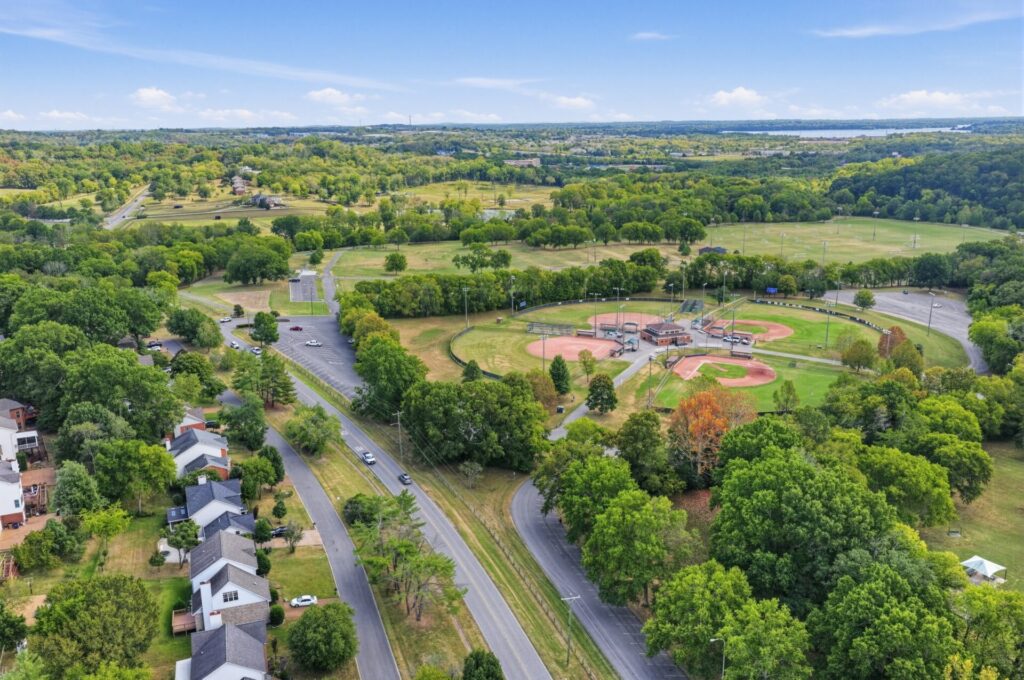
Moss-Wright Park Area
The neighborhoods surrounding Moss-Wright Park represent some of Goodlettsville’s most consistently desirable residential environments. This area combines established suburban streets, mature landscaping, and strong park access into one of the city’s most balanced living zones.
Daily life here often revolves around neighborhood routines, youth sports, walking trails, and nearby suburban conveniences. Moss-Wright Park itself serves as a major community gathering place, with sports leagues, playgrounds, walking paths and local events shaping much of the area’s atmosphere.
Compared to neighborhoods closer to Rivergate, the pace feels quieter and more residential. Traffic inside the neighborhoods is generally moderate, while nearby access to Interstate 65 still keeps commuting relatively manageable.
Housing consists primarily of established single-family homes with mature landscaping and more variation than many newer suburban developments. The area appeals especially to families and long-term homeowners seeking stability, green space, and practical suburban living without feeling disconnected from Nashville.
Long Hollow Pike Corridor
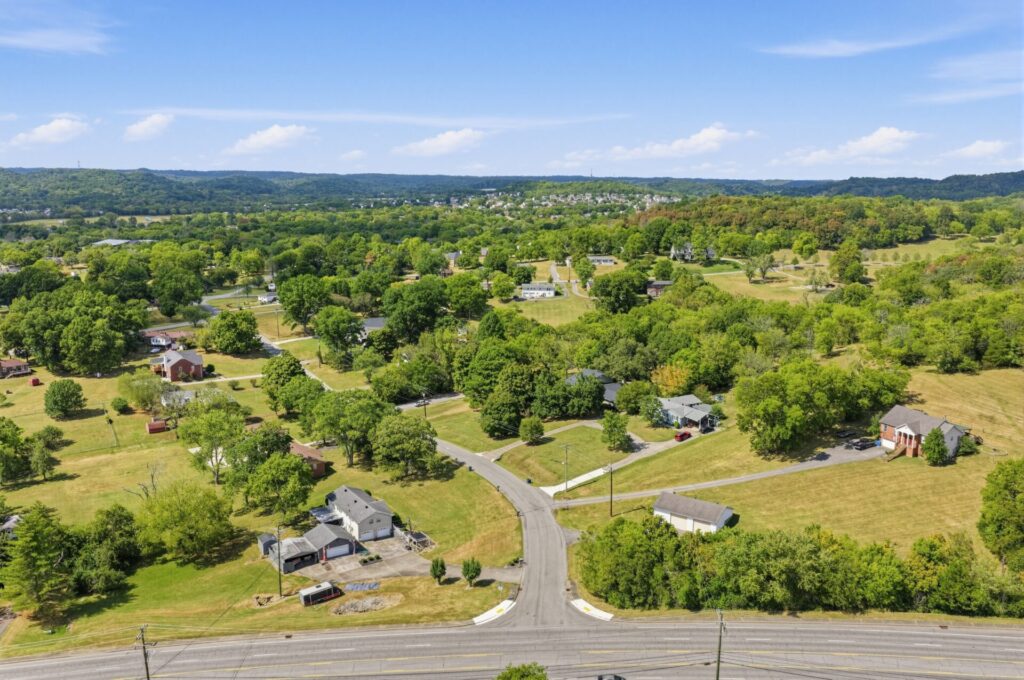
The Long Hollow Pike corridor blends older residential areas, established subdivisions, and commuter convenience into one of Goodlettsville’s most recognizable suburban environments.
This area feels more historically layered than many newer suburban developments in surrounding communities. Mature trees, varied lot sizes, and older home styles contribute to a more established atmosphere, while nearby retail and commuter access support practical day-to-day routines.
Residents here often balance suburban quiet with regional accessibility. Daily errands remain relatively easy because of proximity to commercial areas along Long Hollow Pike and Rivergate Parkway, while the neighborhoods themselves still feel noticeably separate from heavy retail traffic.
Housing ranges from mid-century homes and traditional suburban properties to large lot residences, depending on the specific section of the corridor. Architectural styles and streetscapes feel more varied than in newer master-planned communities.
The area appeals to residents seeking a more mature suburban environment with relatively strong connectivity to Nashville.
Rivergate / Commercial Edge Area
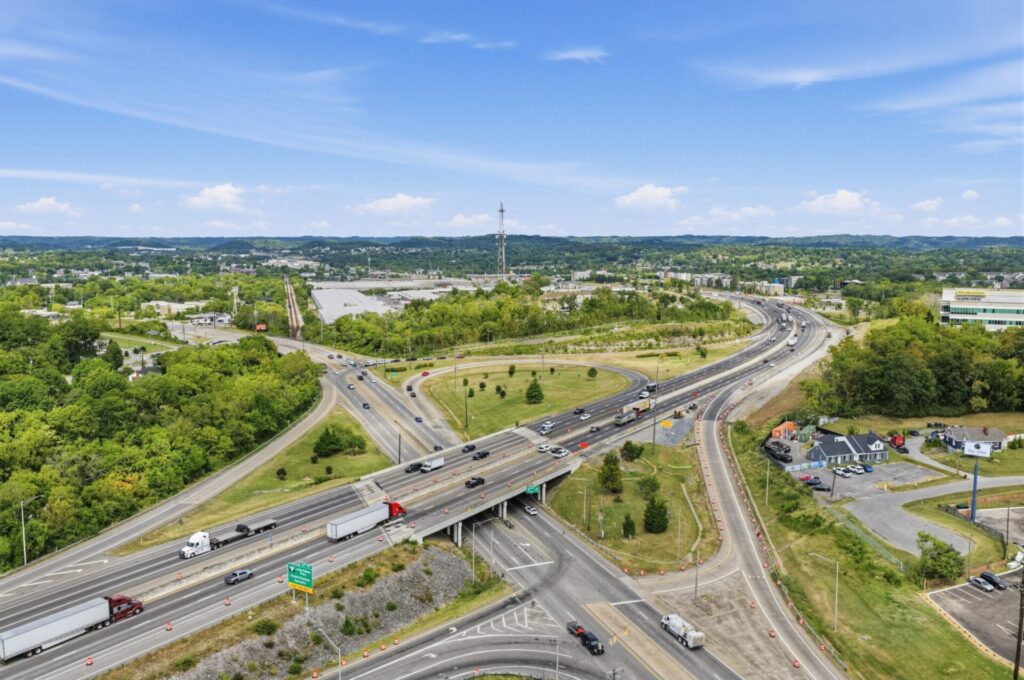
The neighborhoods near Rivergate Parkway and surrounding commercial corridors function as Goodlettsville’s most convenience-driven residential zones.
Daily life here revolves heavily around accessibility. Grocery stores, restaurants, shopping centers, gyms and entertainment options are concentrated within short driving distances, making errands and commuting especially efficient compared to more distant suburban areas.
Traffic levels are noticeably heavier than in quieter residential parts of the city, particularly near Interstate 65 and Rivergate Parkway during peak shopping and commuter hours. The trade-off is immediate access to one of the region’s largest suburban retail corridors.
Housing includes apartments, townhomes, smaller subdivisions, and established residential streets tucked behind commercial areas. Compared to quieter residential zones, the atmosphere here feels more active and commuter-oriented.
This area tends to appeal to professionals, renters, and residents who prioritize convenience and regional access over quieter suburban isolation.
Copper Creek & Newer Subdivision Areas
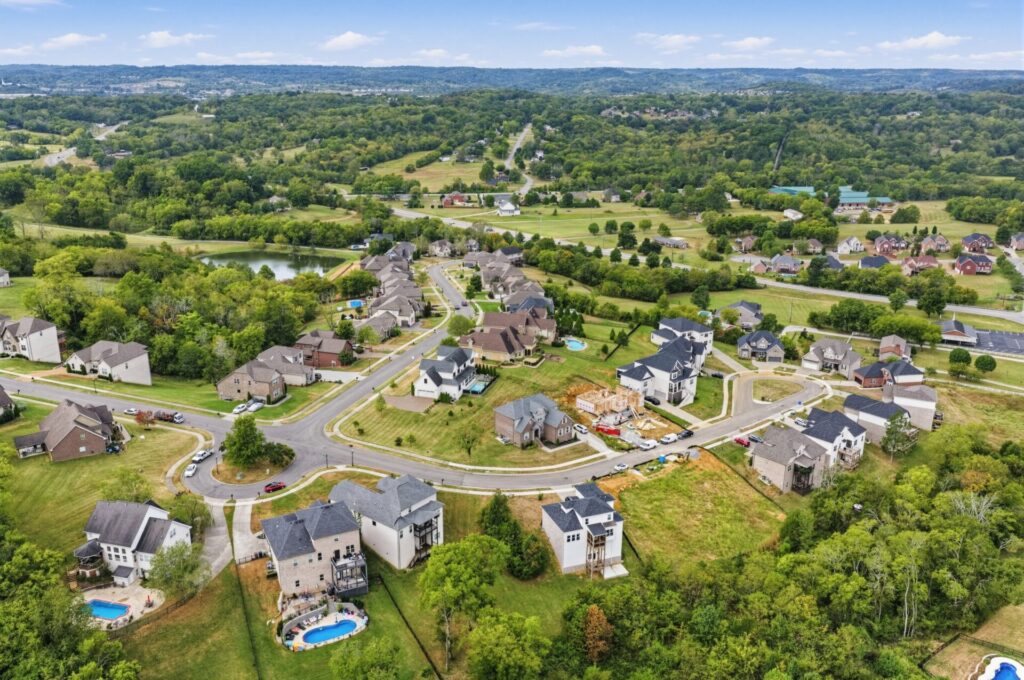
Newer neighborhoods, such as Copper Creek and surrounding suburban developments reflect Goodlettsville’s more recent residential growth patterns.
These communities feel newer, more organized, and more visually cohesive than older parts of the city. Sidewalks, HOA-managed landscaping, and contemporary suburban layouts shape much of the day-to-day atmosphere.
Residents often prioritize newer construction, reduced maintenance concerns and family-oriented neighborhood infrastructure. Compared to older established areas, the pace feels more structured and more closely tied to modern suburban development trends.
Housing consists primarily of newer single-family homes with open layouts, attached garages and contemporary finishes. Streetscapes tend to be more uniform and carefully planned than in older Goodlettsville neighborhoods.
The area appeals strongly to families, relocators, and buyers seeking newer suburban housing while still maintaining access to Nashville and surrounding regional employment centers.
Semi-Rural Northern Edge
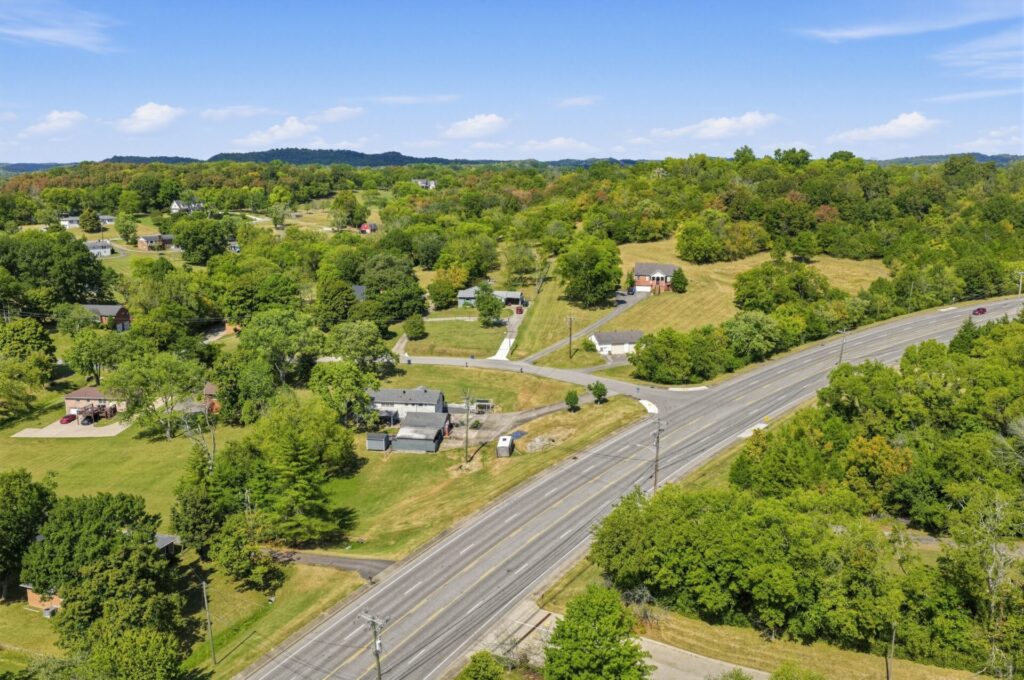
The northern and outer edges of Goodlettsville transition into a quieter semi-rural suburban environment with larger lots, lower density, and a slower overall pace.
These areas feel noticeably less commercialized than neighborhoods closer to Rivergate or Interstate 65. Residents often prioritize privacy, space, and separation from heavier traffic while still maintaining reasonable access to Nashville and the surrounding suburbs.
Daily routines here require slightly more driving for shopping and services, though many residents view that trade-off as worthwhile for the quieter environment and reduced congestion.
Housing includes larger-lot properties, older homes, custom builds and a less uniform development pattern overall. Streetscapes feel more open and less densely suburban than much of central Goodlettsville.
This area appeals especially to buyers seeking a balance between suburban access and more spacious residential living.
Goodlettsville Neighborhoods Map
Nearby Cities & Commercial Hubs
Goodlettsville’s location places residents within easy reach of several important Middle Tennessee destinations.
- Nashville: About 20–25 minutes away, depending on traffic, providing major employment, entertainment, and cultural destinations.
- Hendersonville: Northeast of Goodlettsville, offering additional shopping, dining, and lake-oriented recreation.
- White House: North of Goodlettsville along Interstate 65, connected through broader suburban growth patterns.
- Madison: Directly south, functioning as an important transition area between suburban Goodlettsville and urban Nashville.
Everyday Life in Goodlettsville Neighborhoods
Daily life in Goodlettsville is based around commuter routes, suburban routine, and proximity to retail corridors.
Residents often combine errands, dining, and recreation into short trips along Rivergate Parkway, Long Hollow Pike or nearby suburban commercial areas. Moss-Wright Park and neighborhood recreation spaces also play an important role in everyday routines for many residents.
Compared to some outer-ring suburbs, Goodlettsville offers better access to the city and regional infrastructure, though traffic on and around Rivergate Parkway can become heavy during peak periods. Weekends often involve neighborhood gatherings, park visits, local dining, or short trips into Nashville for entertainment and events.

What Brings People to Goodlettsville’s Neighborhoods?
- Nashville Access: Strong commuter connectivity without living directly inside the city.
- Established Neighborhoods: Mature landscaping and long-term residential stability.
- Variety of Housing: Mix of older homes, newer subdivisions and larger-lot properties.
- Everyday Convenience: Strong access to shopping, dining, and suburban infrastructure.
- Suburban Lifestyle: Neighborhood-oriented living with quieter residential routines.
Choosing the Right Neighborhood
Choosing the right area in Goodlettsville often comes down to how you want your daily routine to function.
If proximity to retail and commuter routes is the priority, Rivergate-area neighborhoods provide the strongest convenience. For a more established suburban environment with mature landscaping and quieter streets, the Moss-Wright Park and Long Hollow Pike areas offer stronger residential stability.
If newer housing and more structured suburban development are important, Copper Creek and the surrounding newer neighborhoods offer updated layouts and well-organized community infrastructure. For buyers seeking more space and reduced traffic, the city’s northern semi-rural edges offer a quieter alternative.
Spending time driving these areas during both peak and quieter hours often provides the clearest understanding of commuter patterns, traffic flow, and overall neighborhood atmosphere.
Note on imagery: Images marked “AI Generated” are visuals to illustrate the neighborhood homes, atmosphere and architectural style. To protect homeowner privacy, these images are artistic representations and do not depict specific existing properties.