

Best White House, TN Neighborhoods
White House, Tennessee, offers a suburban living environment shaped by newer residential growth, interstate accessibility, and a quieter pace than many Nashville-area communities closer to downtown. Rather than functioning around highly distinct historic districts, the city is organized through subdivisions, growth corridors, and residential clusters that support different types of suburban routines.
Some neighborhoods prioritize newer construction and family-oriented amenities, while others offer larger lots, reduced traffic, or easier access to commuting. The differences between areas often come down less to distance and more to how daily life unfolds – whether your routines revolve around schools, commuting, parks, or quick access to retail corridors.
Understanding how these neighborhoods actually function day-to-day is often the key to finding the right fit in one of northern Middle Tennessee’s fastest-growing suburban communities.
About White House’s Neighborhood Layout
White House’s residential landscape reflects its transition from a smaller highway town into a steadily expanding Nashville suburb.
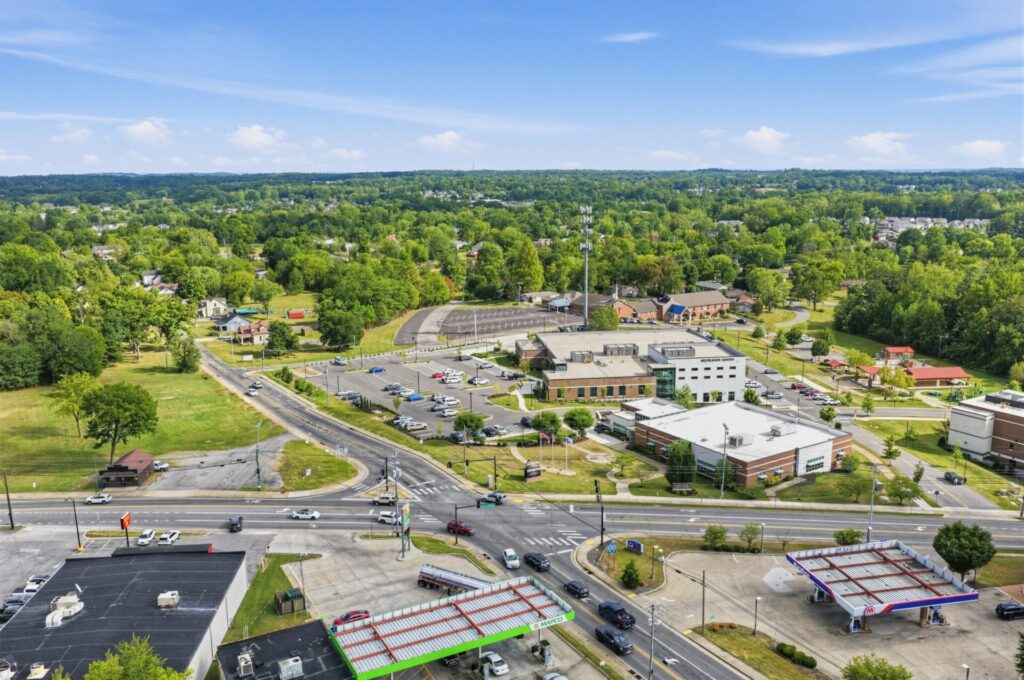
Older residential areas are generally concentrated closer to Highway 31W and the city’s historic core, while newer subdivisions continue expanding outward along both Robertson and Sumner County sections of the city. Interstate 65 heavily shapes how White House functions, influencing commute patterns, commercial growth and everyday traffic flow throughout the community.
Much of daily life revolves around a handful of primary corridors. Highway 31W serves as the city’s main commercial spine, where grocery stores, restaurants, and everyday services are concentrated. Interstate exits also serve as major activity centers due to commuter traffic and regional accessibility.
The result is a city where some neighborhoods feel highly convenience-driven and growth-oriented, while others maintain a quieter and more residential suburban atmosphere.
Best Neighborhoods in White House: Editor’s Picks
Below are several of White House’s standout residential areas, selected based on livability, housing quality, access to amenities, and overall suburban functionality.
Summerlin
Summerlin is one of White House’s best-known newer suburban communities, offering contemporary homes, sidewalks, and family-oriented neighborhood infrastructure within a highly organized residential environment.
Daily life here revolves around schools, commuting, and neighborhood activity. Residents benefit from relatively quick access to Highway 31W and Interstate 65 while still maintaining a quieter, more residential atmosphere, removed from the city’s busiest commercial areas.
The neighborhood feels distinctly modern and growth-oriented, with newer homes, coordinated streetscapes, and a more polished suburban appearance than many older parts of White House. Sidewalks and neighborhood green spaces encourage walking and outdoor activity throughout the community.
Housing primarily consists of newer single-family homes with open floor plans, attached garages, and contemporary suburban layouts. The area appeals especially to families and relocators seeking move-in-ready housing within a steadily growing Nashville suburb.
The Parks
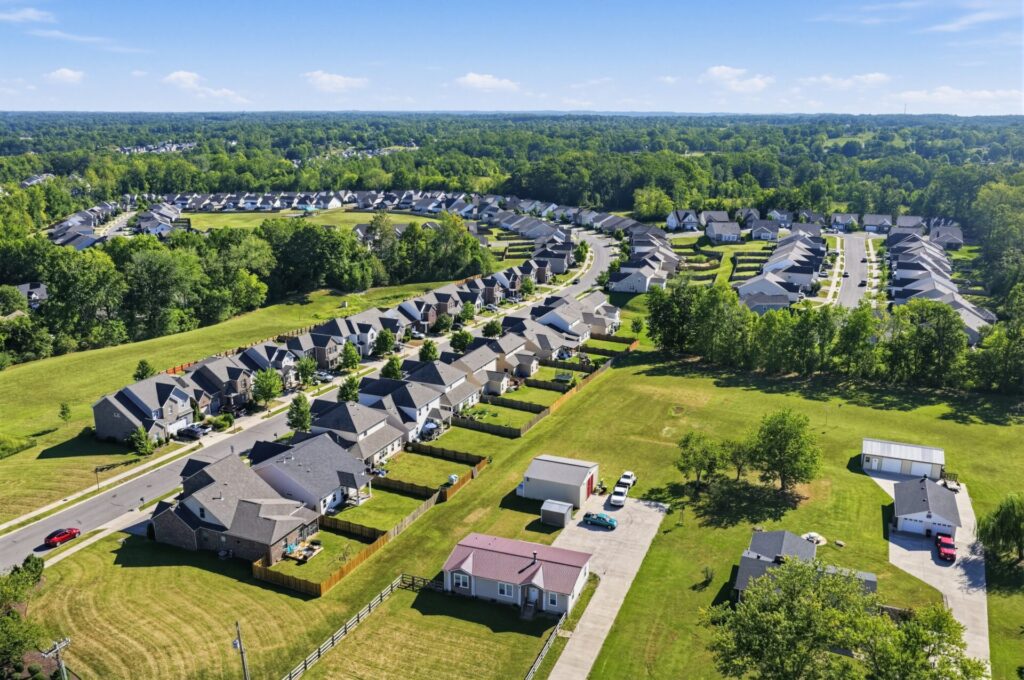
The Parks reflects White House’s newer master-planned suburban growth patterns, combining updated homes, organized streetscapes and neighborhood amenities into a highly structured residential environment.
Compared to older neighborhoods in the city, The Parks feels more intentionally designed around neighborhood connectivity and modern suburban routines. Sidewalks, open spaces, and community-focused layouts help create a more active internal environment.
Residents typically structure their daily lives around commuting, school schedules, and access to nearby retail. Most errands require short drives along Highway 31W. However, overall convenience remains one of the neighborhood’s strongest practical advantages.
Housing consists largely of newer single-family homes with contemporary layouts and updated finishes. The atmosphere feels family-oriented, organized, and distinctly suburban.
Holly Tree
Holly Tree offers a somewhat more established suburban atmosphere than many of White House’s newer master-planned developments.
Located closer to some of the city’s earlier residential growth areas, the neighborhood combines mature landscaping, quieter streets, and a more traditional suburban layout with relatively convenient access to schools and shopping corridors.
Daily life here feels steadier and less transitional than in newer growth-heavy areas. Residents often prioritize the neighborhood’s quieter environment and established residential feel over highly curated amenities or rapid nearby development.
Homes generally include slightly larger lots and more architectural variation than many newer subdivisions. Mature trees and developed landscaping also contribute to a more settled atmosphere.
The neighborhood appeals especially to long-term residents and buyers looking for a more traditional suburban environment within White House’s broader growth pattern.
Northwoods
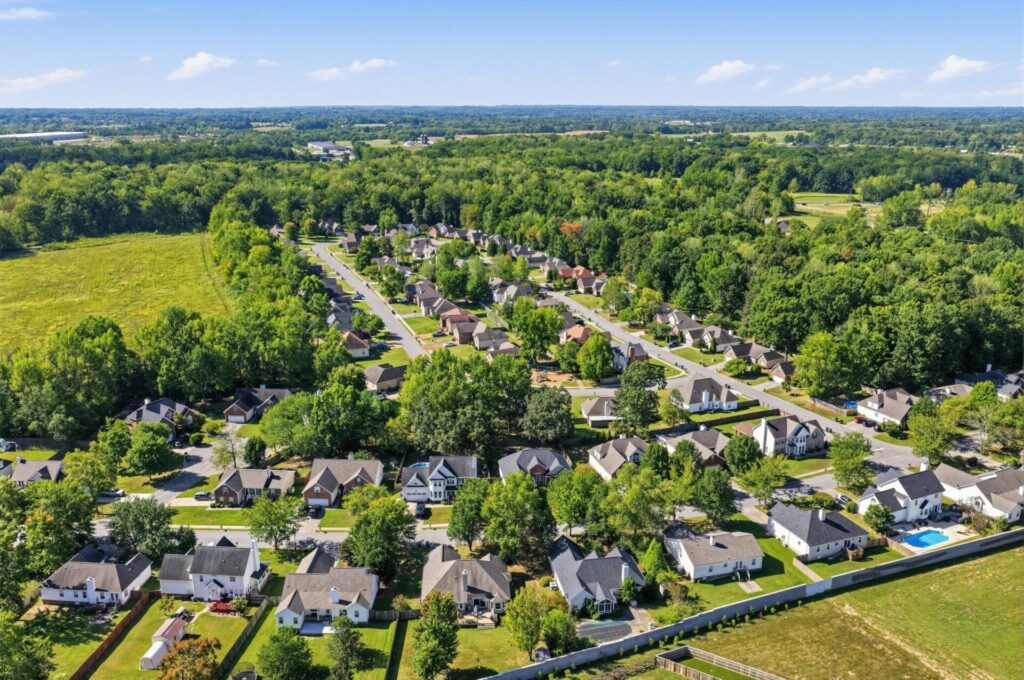
Northwoods offers one of White House’s quieter, more spacious suburban living environments, balancing residential separation with practical commuter accessibility.
Compared to neighborhoods closer to major commercial corridors, Northwoods feels somewhat less dense and more residential in character. Traffic levels are typically lighter, and the pace of daily life feels more relaxed overall.
Residents often rely on short drives for shopping, dining, and errands, but the trade-off is a calmer and less commercially driven environment. The neighborhood also benefits from relatively manageable interstate access for commuters traveling toward Nashville or nearby employment centers.
Housing includes a mix of established homes and newer properties with more spacing between lots than some of White House’s denser planned communities.
Fields at Oakwood
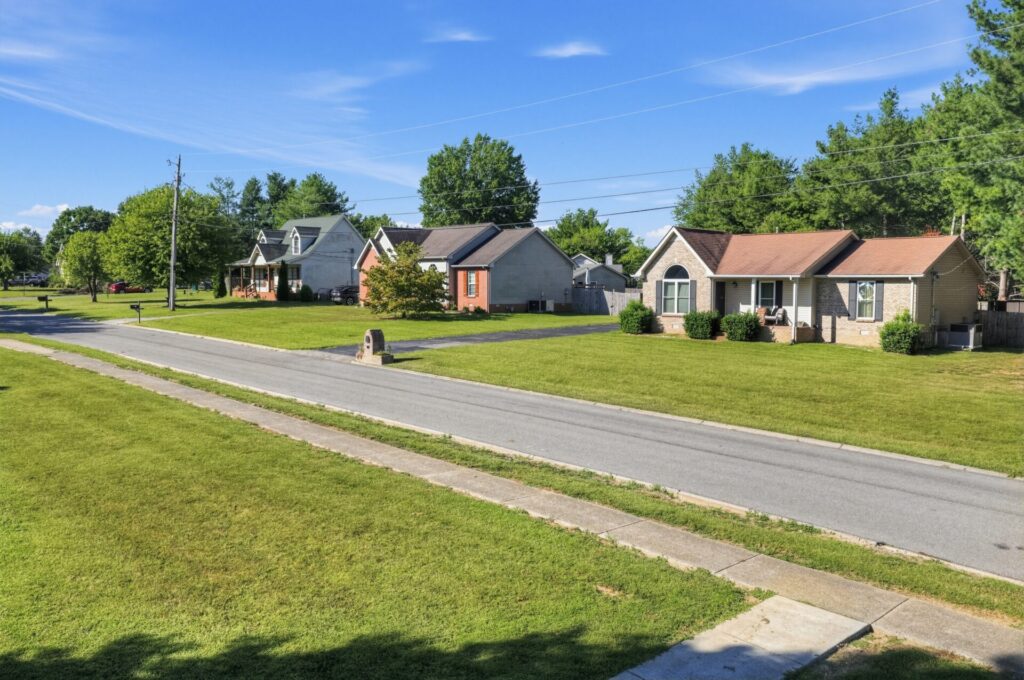
Fields at Oakwood represents another major example of White House’s continuing suburban expansion, offering newer homes and organized community design within one of the city’s growth-oriented residential corridors.
The neighborhood emphasizes modern suburban functionality through sidewalks, coordinated streetscapes, and updated housing layouts. Daily routines here are highly convenience-oriented, with quick drives connecting residents to schools, parks and shopping areas.
Compared to older White House neighborhoods, the atmosphere feels newer and more transitional, with continued development activity shaping portions of the surrounding area.
Housing primarily consists of newer single-family homes with open floor plans, attached garages and contemporary finishes. The area appeals strongly to buyers prioritizing newer construction and long-term suburban growth potential.
White House Historic Core & Highway 31W Area
The neighborhoods surrounding White House’s older central corridors offer a different type of suburban environment than the city’s newer planned communities.
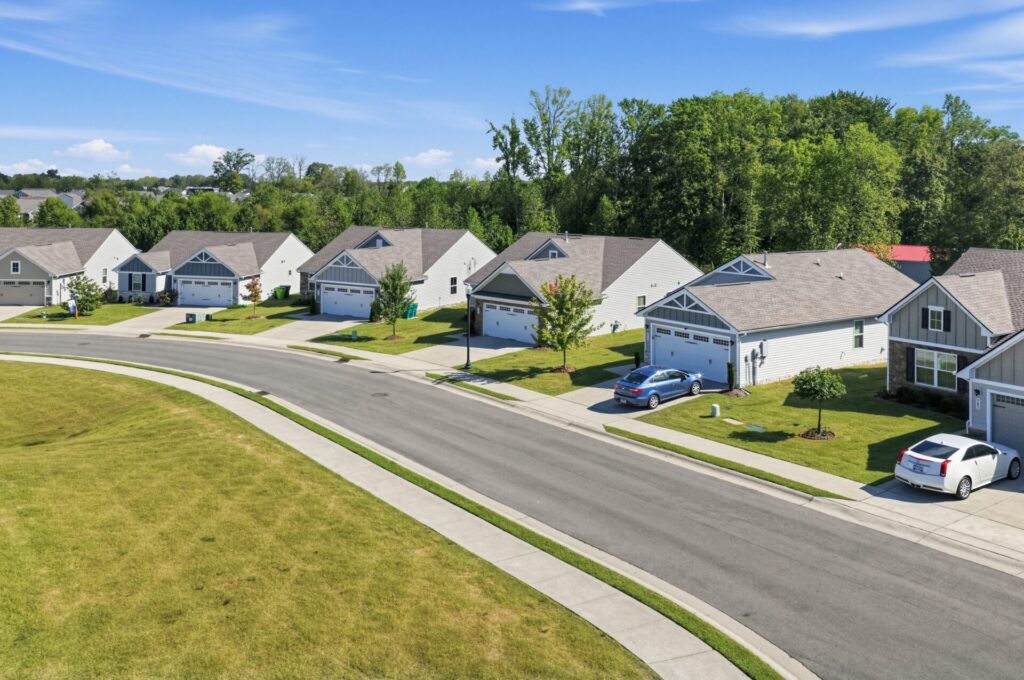
This area blends older homes, smaller local streets, and long-established businesses into a more traditional small-town suburban setting. While not highly walkable in the urban sense, the area feels more historically layered and less visually uniform than White House’s newer subdivisions.
Daily life here revolves around practical convenience and local familiarity. Residents maintain relatively quick access to restaurants, grocery stores, and schools while living in neighborhoods that predate much of the city’s recent growth.
Housing includes older ranch homes, traditional suburban properties and a more varied mix of residential styles than newer development corridors farther outward.
White House Neighborhoods Map
Nearby Cities & Regional Access
White House’s location puts residents within easy reach of several important Middle Tennessee destinations.
- Nashville: Roughly 35–45 minutes away, depending on traffic, providing major employment, dining, and entertainment opportunities.
- Hendersonville: About 25–35 minutes away, offering additional shopping, lake access, and suburban amenities.
- Gallatin: East of White House, providing additional retail growth and recreation opportunities throughout Sumner County.
- Springfield: West of the city, offering a quieter small-town environment and additional regional services.
Everyday Life in White House TN Neighborhoods
Daily life in White House revolves around suburban routines, commuting patterns and neighborhood-oriented living.
Most residents rely on short drives for errands, dining, and recreation, particularly along Highway 31W and nearby commercial corridors. Weekends often center on local parks, youth sports, community events, or trips to nearby cities for additional entertainment.
Compared to denser Nashville suburbs, White House generally offers a slower and more residential pace. Traffic levels remain more manageable overall, though growth continues to increase activity near major intersections and interstate exits.
Neighborhood choice often determines whether daily life feels more growth-oriented and convenience-driven or quieter and more traditionally suburban.
What Brings People to White House’s Neighborhoods?
- Newer Construction: Expanding inventory of modern suburban homes.
- Interstate Accessibility: Convenient regional commuter access along I-65.
- Suburban Lifestyle: Quieter neighborhoods and family-oriented routines.
- Housing Variety: Mix of established subdivisions and newer master-planned developments.
- Nashville Proximity: Access to metro employment and amenities without living directly inside the city.
Choosing the Right Neighborhood
Choosing the right neighborhood in White House often comes down to how you want your daily routines to function.
If newer construction and organized suburban infrastructure are priorities, communities like Summerlin, The Parks and Fields at Oakwood offer some of the city’s strongest examples of modern planned development.
For buyers seeking quieter streets and a more established suburban atmosphere, neighborhoods like Holly Tree and Northwoods provide greater residential stability and mature surroundings.
If convenience and proximity to local businesses matter most, the older Highway 31W and historic-core areas offer quicker access to shopping, restaurants, and schools.
Spending time driving these neighborhoods during both peak and quieter hours often provides the clearest understanding of traffic flow, neighborhood activity, and overall day-to-day livability.
Note on imagery: Images marked “AI Generated” are visuals to illustrate the neighborhood homes, atmosphere and architectural style. To protect homeowner privacy, these images are artistic representations and do not depict specific existing properties.