
How the Tennessee Department of Agriculture Keeps Your Pets Safe
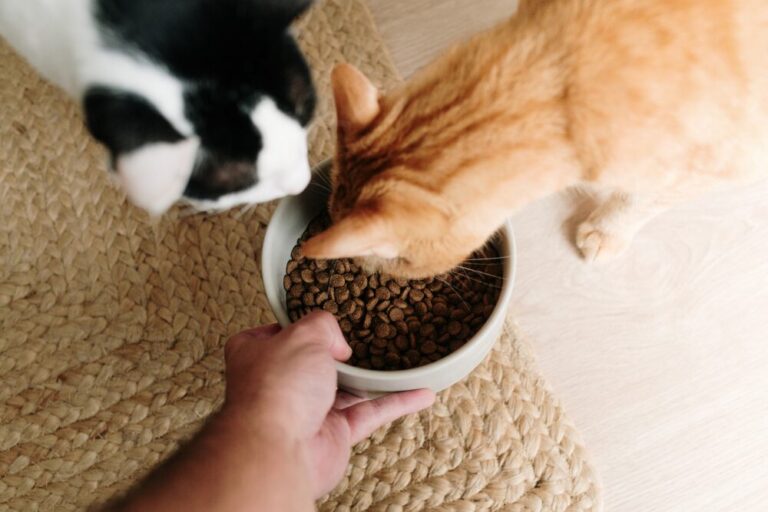
The Tennessee Department of Agriculture is working hard to protect pets.
Pet owners across Tennessee will do anything to keep their furry friends safe and healthy. The Tennessee Department of Agriculture’s (TDA) Consumer and Industry Services Division can help ease their minds.
Ensuring Pet Food Safety: From Manufacturing to Retail
“We have eight inspectors and one inspector supervisor who work with pet food manufacturers and retailers statewide,” says Bethany McAnulty, program coordinator.
Inspectors check everything from raw and finished products to cleanliness and procedures in manufacturing facilities. For retailers, they take samples of animal feed and run various tests that inspect for bacteria, like E. coli and salmonella, and confirm claims made on the label, such as fiber and protein content.
“There’s a specific way to test animal feed, and we want to make sure we have a large enough sample from the lot,” McAnulty says. “For most product lots, ten bags are probed, bagged and sealed by a TDA inspector, then brought back to the lab for testing.
Kibble Confidence: Protecting Pets Through Inspection
The exception would be for a small feed container that is under 10 pounds. In this case, the inspector would bring back an unbroken container for testing.”
If a product comes back in violation, the department will send out a warning letter to the manufacturer.
If it’s a severe violation, it will stop product sales and remove it from the shelves.
“Once the violation is addressed, a follow-up inspection is completed to verify compliance,” McAnulty says.
These inspections are necessary to ensure dogs and cats don’t get sick, but McAnulty emphasizes that they are also important for human consumers.
“Of course, you want what you’re buying for your pet to be safe, and the label claims to be accurate,” she says. “But it’s keeping humans safe, too. If you have a toddler who might get into your dog’s food, or maybe you accidentally touch your eye after handling cat food, it’s important that contaminants aren’t being spread.”
The department also inspects livestock and other animal feed.
McAnulty adds that if a consumer is concerned about their pet’s food, they can always call the office.
Learn more about ways the TDA is keeping pets safe at tn.gov/agriculture/businesses/inputs.html.