

Best Abilene, Texas, Neighborhoods
Abilene’s neighborhoods offer a mix of classic West Texas charm, family-friendly subdivisions and newer communities that cater to military families, professionals and students alike. Whether you want to be close to Dyess Air Force Base for an easy commute, near Abilene Zoo and Nelson Park for weekend fun, or tucked into a quiet subdivision on the south side, there’s a corner of the city that fits your lifestyle.
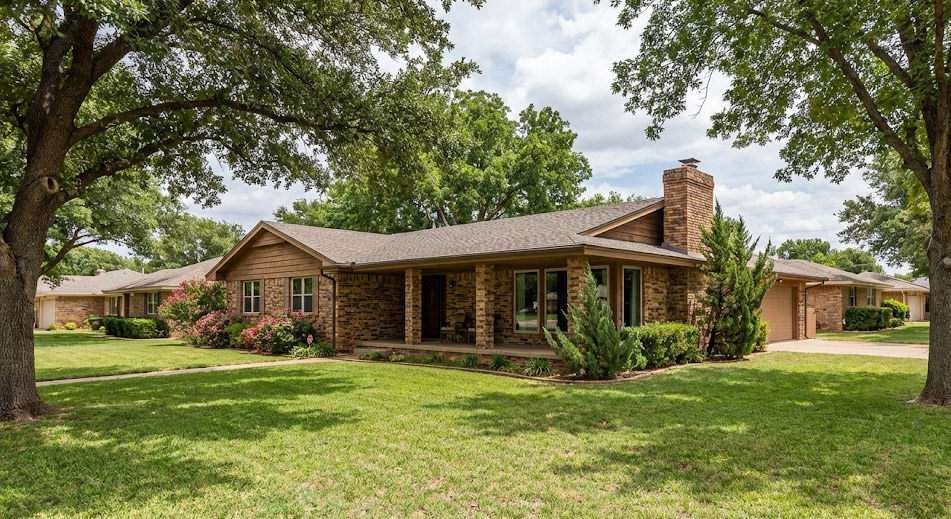
Abilene’s Neighborhood Tapestry
Abilene feels like a collection of connected districts rather than a single, uniform grid. The historic core and older established areas radiate out from downtown, while newer neighborhoods have grown toward the south and southwest, especially around strong school zones and major employers.
Parks, playgrounds and walking paths are woven through many parts of the city, from small pocket parks to large destinations like Red Bud Park and the green spaces near the zoo and Grover Nelson Park. That blend of wide-open sky, short commutes and local amenities is a big part of why so many people choose to put down roots here.
Best Neighborhoods in Abilene: Editor’s Picks
Below are some of Abilene’s standout neighborhoods and areas, chosen for their balance of location, amenities, community feel and quality of life.
River Oaks-Brookhollow
On Abilene’s southwest side, River Oaks–Brookhollow is known for its mature trees, well-kept homes and convenient access to shopping and restaurants along Buffalo Gap Road and Southwest Drive. The neighborhood includes a mix of traditional single-family houses on established streets, often with larger yards than you’ll find in newer developments.
Residents appreciate being a short drive from grocery stores, everyday services and several parks, while still enjoying a calm, residential environment. Proximity to major roads makes it easy to reach Dyess AFB, the medical district and downtown without spending much time in traffic.
Sayles Boulevard Historic Area
Just south of downtown, the Sayles Boulevard area showcases some of Abilene’s most distinctive historic homes. Tree-lined streets, early-20th-century architecture and deep front porches give this district a timeless feel, and you’re only minutes from downtown restaurants, cultural venues and city offices.
People who choose this neighborhood often value character, walkable historic streets and the chance to be close to community events and institutions. The location also provides relatively quick access to both Hendrick Health facilities and educational campuses in the central part of the city.
Red Bud Park Area (Far Southside)
Neighborhoods around Red Bud Park on the far south side are especially popular with families and people who want easy access to outdoor recreation. The park itself features a splash pad, playgrounds, trails and open fields, and the surrounding streets include a mix of mid-century and newer homes.
Living here means you’re close to big-box retail, schools and newer subdivisions, while still just a short drive from Dyess AFB and central Abilene. Many households see this area as a good blend of affordability, space and convenient everyday errands.
Elm Creek / Wylie Area
South and southeast of town, the Elm Creek and Wylie-area neighborhoods have grown quickly as new subdivisions have been built around well-regarded schools. Communities like Elm Creek at Wylie feature newer homes, community amenities and walking trails, making them a strong draw for military families, professionals and those who want a master-planned feel.
These neighborhoods offer a “close to everything, but a bit out of the bustle” experience. Residents often highlight short drives to shopping, medical care, golf courses and restaurants, along with a strong sense of community at neighborhood pools, parks and school events.
Dyess AFB Area
Areas near Dyess Air Force Base are a natural choice for active-duty service members, civilian employees and contractors who want very short commutes. Housing here ranges from modest single-family homes to newer subdivisions aimed at serving growing families and higher-ranking officers.
Because the base is such a significant part of Abilene’s identity, nearby neighborhoods tend to be used to welcoming newcomers. Many residents appreciate the supportive environment for military families, access to base amenities and quick connections to the rest of the city via major roads.
North Abilene / Sears Park Area
On the north side, neighborhoods near Sears Park and other established parks offer more affordable options and a quieter feel, with a mix of older homes and small infill developments. These areas are a short drive from downtown, industrial employers and major highways, which can be appealing for certain types of jobs.
Residents often enjoy less congestion and easy access to open spaces and community centers. For buyers and renters looking for value and who don’t mind an older housing stock, this part of Abilene can be worth a closer look.
Nearby Communities and Small Towns
Want a bit more elbow room but still plan to work or spend time in Abilene? Several nearby communities function as suburbs while keeping you within a manageable drive.
- Potosi: Southeast of Abilene, Potosi offers larger lots, quiet streets and a more rural feel while still being within commuting distance of Dyess AFB and the city’s main job centers.
- Tuscola: To the south, Tuscola draws families and military households who want a small-town environment and access to area schools, with an easy drive into Abilene for work, shopping and health care.
- Merkel: West of town along I‑20, Merkel provides a traditional small-town atmosphere and more affordable housing, appealing to those who don’t mind a highway commute in exchange for a slower pace.
Everyday Life in Abilene’s Neighborhoods
Daily life in Abilene’s neighborhoods is built around simple routines and plentiful outdoor time. Families spend evenings at parks like Red Bud, Grover Nelson or Sears Park, where kids can run, splash and play while adults chat under the shade trees. On weekends, it’s common to see neighbors gathering for backyard barbecues, church events or youth sports.
Larger destinations like Abilene Zoo and the surrounding Nelson Park area offer easy “mini-adventures” close to home, with animal exhibits, playgrounds, fishing spots and walking paths. Across the city, community centers and recreation programs provide classes, leagues and activities for all ages, reinforcing the close-knit feel that many residents mention when they talk about why they stay.
What Brings People to Abilene’s Neighborhoods?
Most people choose an Abilene neighborhood based on a blend of commute, schools, budget and community feel. Military families often look for areas with an easy drive to Dyess AFB and a strong support network, while others prioritize proximity to specific schools, parks or employers. Newer subdivisions on the south and southeast sides tend to appeal to those wanting more recent construction and planned amenities, while historic districts and established areas attract residents who love character and big trees.
Affordability is another factor. Compared with many larger Texas cities, Abilene offers relatively modest home prices, and different parts of town provide options at varied price points. That flexibility makes it easier for first-time buyers, long-term military families and retirees to all find a spot that feels like home.
Choosing the Right Abilene Neighborhood
When narrowing down where to live in Abilene, it helps to think through a few key questions:
- Commute and base access: How close do you need to be to Dyess AFB, downtown, industrial areas or major medical facilities? Neighborhoods on the south and southwest sides often mean shorter daily drives.
- Schools and education: If schools are a priority, look at how different neighborhoods line up with the districts and campuses you’re considering, including south-side and Wylie-area schools.
- Home style and age: Do you prefer historic homes with character, mid-century houses on larger lots or newer builds in master-planned communities? Each part of Abilene offers a different mix.
- Amenities and outdoor space: Think about your ideal distance to parks, playgrounds, walking trails, shopping centers and places like the zoo or sports complexes.
- Budget and long-term plans: Consider not just what fits now, but how a neighborhood’s price range and housing stock match your plans to upsize, downsize or stay long term.
Frequently Asked Questions
Many military households look at areas on the south and southwest sides of town, including neighborhoods near Dyess Air Force Base as well as communities in the Wylie and Tuscola directions, for a mix of short commutes, newer homes and family-oriented amenities.
Areas around Red Bud Park, Grover Nelson Park and other major parks offer easy access to trails, playgrounds and sports fields, while the Sayles Boulevard historic area and parts of central Abilene provide more traditional, sidewalk-lined streets.
Compared with many Texas metros, Abilene is generally affordable, and neighborhoods on the north side and some older central and west-side areas can offer lower price points than the newest subdivisions, depending on condition and size.
Potosi, Tuscola and Merkel are all within a reasonable drive of Abilene and Dyess AFB, appealing to people who want extra space, a quieter environment or a more rural feel while keeping access to city jobs and services.
Note on imagery: Images marked “AI Generated” are visuals to illustrate the neighborhood homes, atmosphere and architectural style. To protect homeowner privacy, these images are artistic representations and do not depict specific existing properties.