

Hyde Park, Austin, TX: A Cozy, Bookish Community With Antique Houses and Inviting Amenities
Hyde Park is one of the easiest Austin, Texas, neighborhoods to fall in love with. The sophisticated Queen Anne-style homes, whimsical tree canopies and antique storefronts endear the area to just about everyone.
In Central Austin right near the University of Texas, it’s also defined by a scholastic aura and an energetic nightlife scene. With a population of around 8,500, it has an urban feel while still offering a residential setting — the best of both worlds, close to everything.
If you’re thinking about living in Hyde Park, this comprehensive guide covers the housing profiles, real estate market, amenities, education opportunities and more.
Overall Vibe & Lifestyle
The atmosphere in Hyde Park is decidedly vintage and academic. With cute bookstores, small coffee shops and heritage homes, the area has a specific sweetness that bewitches many who visit. Residents are welcoming and engaged — where urban settings can feel cold and aloof, Hyde Park keeps a suburban mindset where people wave and watch your house when you’re out of town.
The area is high-end, with luxurious homes dating to the early 20th century, but it isn’t full of modern minimalist builds. The whole community is passionate about preserving both the iconic homes and the greenery — from the mature oak trees to the elegant Victorian houses, there’s a strong desire to protect and appreciate the neighborhood’s legacy and character.
Safety & Walkability
Despite being in Austin’s urban core, Hyde Park is one of the safest neighborhoods in the city — safer than bordering areas like West Campus, making it one of the most desirable in Central Austin. There’s decent lighting, ample sidewalks and moderate, usually slow-paced traffic. Property crime happens, such as a stolen bike, but violent crime is uncommon.
Walkability also ranks high. People can stroll to charming coffee shops and fun bars, or meander the idyllic streets and soak up the unique vibe, which are often buzzing with families, runners and visitors. It’s worth noting that the most walkable streets — those closest to the businesses — tend to feel less safe than the quieter streets slightly farther from amenities.
Natural & Built Environment
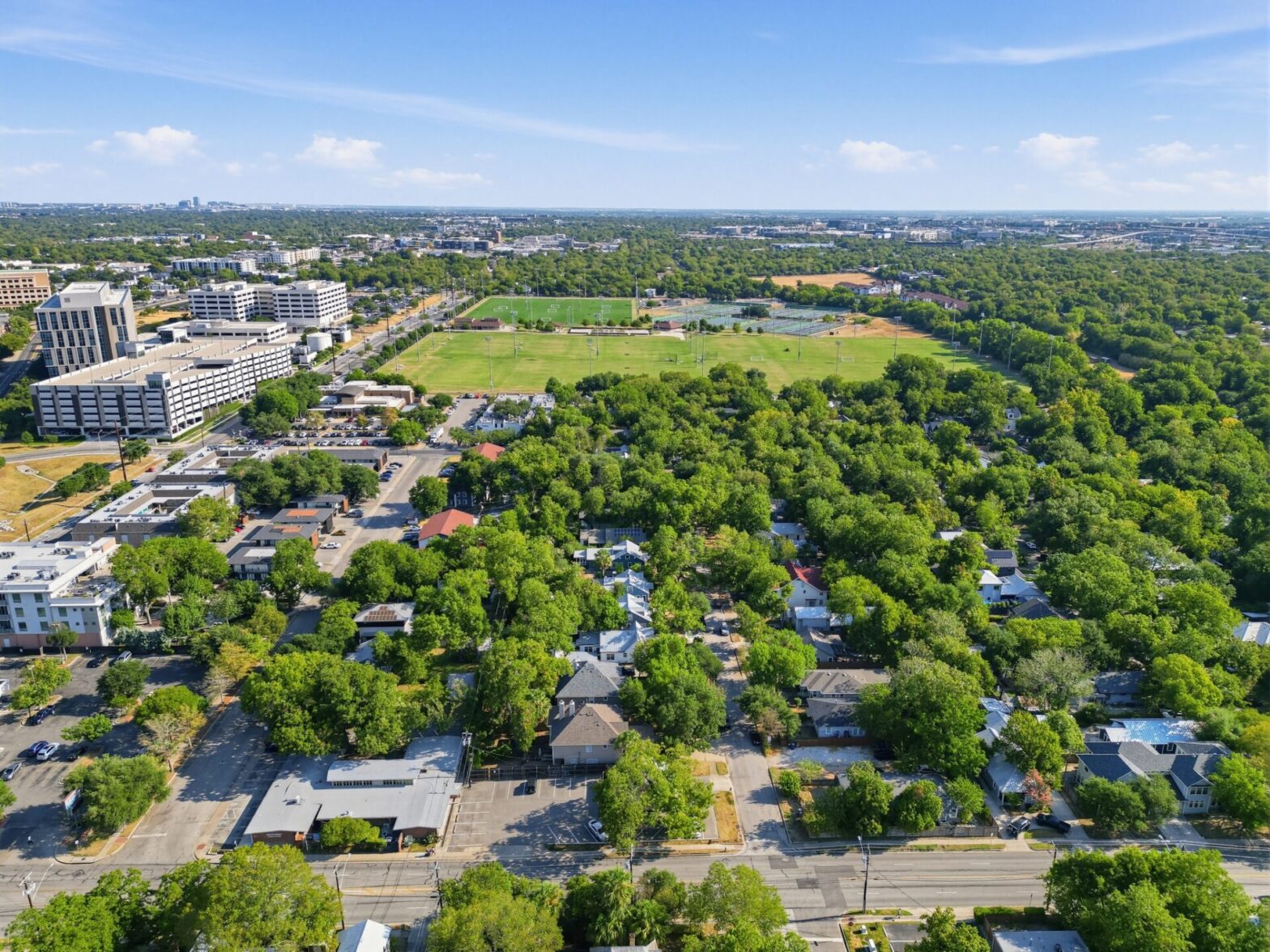
Hyde Park is a little more urban and busy than areas like Tarrytown or Zilker, but keeps a residential, suburban feel. The streets are lined by quintessential Austin canopies of pecan and oak trees for a lush, green feel. It may not be as close to nature trails, lakes and creeks as other neighborhoods, but the beautiful parks make up for it, including adorable pocket parks and bigger spaces such as Shipe Neighborhood Park, Hyde Park and Ramsey Neighborhood Park — and it’s still a short walk from places like the Shoal Creek Greenbelt.
The layout is somewhat compact, with more condos and apartments than other suburban Austin neighborhoods, though the majority of properties are single-family homes. The quaint streets still hold echoes of history: it was the first streetcar suburb in the city, which heavily influenced how it developed. Endearing corners include the tiny Shadow Lawn Historic District, a collection of 1920s and 1930s houses that all share the same style.
GET UP TO
$5000 BACK IN MOVING COSTS
Hi, I'm Tera Dallas. Buy your home with me, and Livability.com will help cover your move with the Livability Moving Advantage. Let me guide you home and save up to $5000.
Find Out HowDesign & Architecture
The architecture in Hyde Park draws many people to the area — a diverse blend of gorgeous styles, including 19th-century Queen Annes, Classical Revivals, 20th-century bungalows, decorative Victorians and mid-century ranch homes. It’s hard to walk these streets and not be enchanted by the thoughtful designs and varied aesthetics.
Established in the 1890s, the neighborhood is known for a long list of historic homes with City of Austin Historic Landmark and Texas Historic Landmark designations. A few examples include the Sears-King House on 39th, the William T. and Valerie Mansbendel Williams House, the Woodburn House on Avenue D and the Smith-Marcuse-Lowry House on Avenue C.
Housing at a Glance
Here’s an overview of the typical homes in Hyde Park:
| Metric | Description |
|---|---|
| Age | 20–130+ years old (many homes built between 1900 and 1950) |
| Type | Mostly single-family homes, with some duplexes, townhouses and condos mixed in |
| Styles | 19th-century Queen Anne, Classical Revival, 20th-century bungalows, decorative Victorians and mid-century ranch homes |
| Size | 900–3,500+ square foot interiors, with smaller historic bungalows and cottages common alongside larger renovated and newly built homes |
| Layout | 2–5 bedrooms and 1–5 bathrooms, from compact historic floor plans to open-concept designs |
| Unique Features | Historic, ornate architectural details, spacious front porches and private gardens |
Real Estate Snapshot
Below is a summary of the Hyde Park real estate market:
| Metric | Description |
|---|---|
| Prices | Median sale prices are $900k–$1.1M, with listing prices slightly lower and a substantial range |
| Market Demand | A somewhat competitive market, with homes taking about 54 days to sell on average |
| Inventory | Approximately 30–40 active listings at a time |
| Buyer Profile | Young professionals, academics and University of Texas employees, young families, students and their parents, and longtime and new Austin residents |
| Pricing Context | Expensive for Central Austin but generally more attainable than luxury neighborhoods like Pemberton Heights and Tarrytown, with a mix of home styles for different budgets |
| Investment Pattern | A strong rental market thanks to nearby UT Texas, with over 70% of residents renting |
| Other | The Hyde Park Local Historic District covers about 186 acres and includes 640 properties, 480 of which were identified as contributing to the district’s historic character |
Amenities & Local Conveniences
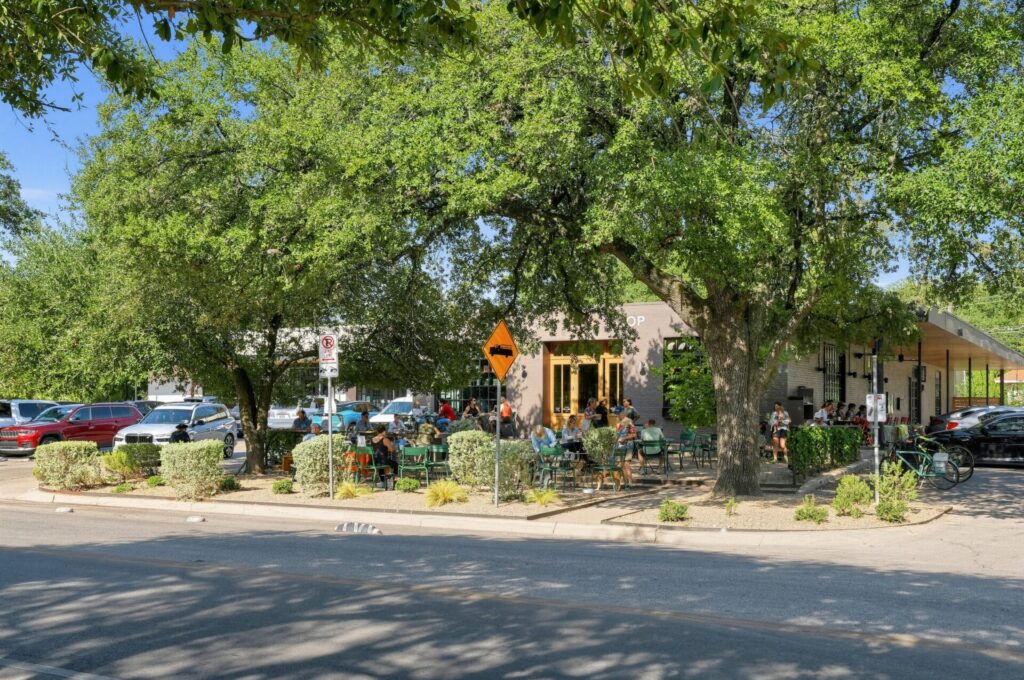
Living in Hyde Park gives you access to a wealth of amenities. From the many parks to the top-notch restaurants, there are countless ways to enjoy yourself without leaving the community. Find sweet scents at 7th Street Candle Co. or your next read at First Light Books. Other local favorites include the Hyde Park Theatre and Antonelli’s Cheese Shop. People start the day with coffee and breakfast from places like Quack’s 43rd Street Bakery or Biscuits & Groovy. Play a few rounds at the Hancock Golf Course or splash around Shipe Park and Pool — the options are endless.
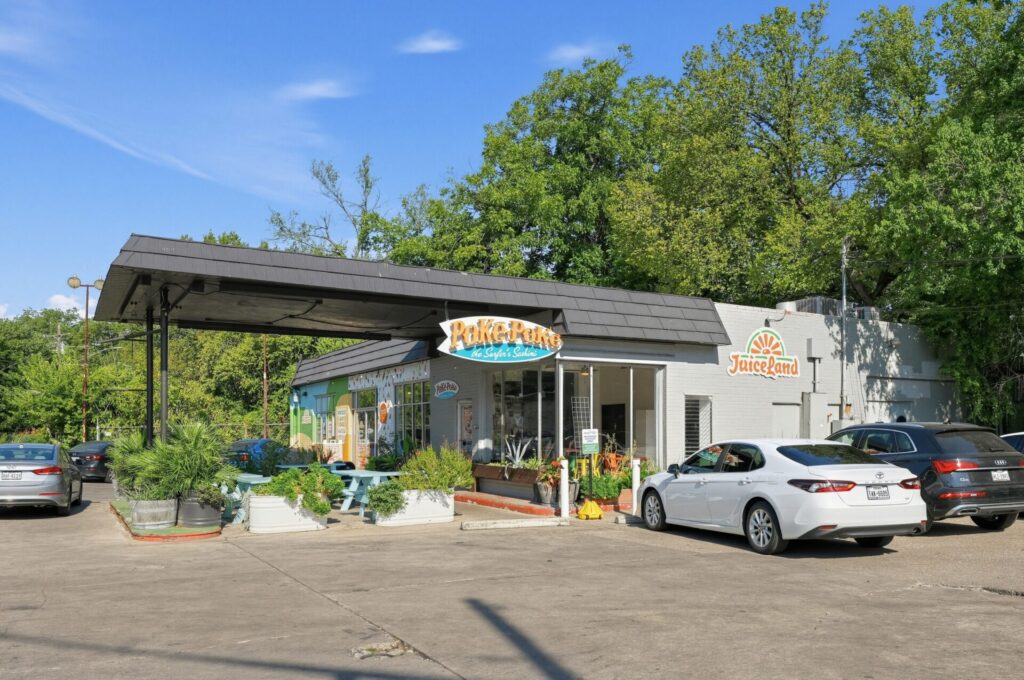
There are many convenience stores, grocery stores and other essential businesses nearby. Hyde Park is also where you’ll find top medical facilities, including Austin State Hospital, Ascension Seton Medical and Hyde Park Wellness Clinic. You’re never far from a necessity when living here.
Schools & Education
Hyde Park has several highly rated public schools and is served by the Austin Independent School District (AISD). Most areas are zoned for Lee Elementary, Kealing Middle School, Lamar Middle School and McCallum High School — though exact eligibility and zone depend on the address, so always double-check before committing to a property. You can also choose private schools in Central Austin, like Griffin School, Headwaters School, Acton Academy and Bridges Academy, all excellent institutions.
When living in Hyde Park, you have access to exceptional higher education. You’re very close to the University of Texas at Austin, as well as Austin Community College, St. Edward’s University and Huston-Tillotson University.
Commuting & Location
Hyde Park has a suburban, residential atmosphere but is part of Austin’s urban core. The neighborhood’s boundaries run roughly from Guadalupe to Duval Street and from 38th to 51st Street. It’s part of Travis County and sits north of UT Texas, which is a big part of what gives it its academic atmosphere.
| Destination | Drive Time (Approximate Non-Peak) |
|---|---|
| The University of Texas at Austin | 5–10 minutes |
| Texas State Capitol Complex | 10–15 minutes |
| Downtown Central Business District | 10–15 minutes |
| Austin Central Library | 10–15 minutes |
| Lady Bird Lake | 15–20 minutes |
One thing that sets Hyde Park apart is that it’s not as close to natural assets as the South Central neighborhoods like Bouldin Creek and Clarksville. So if being super close to places like Shoal Creek and Barton Springs is a priority, a South Central neighborhood may suit you better — though Hyde Park still isn’t far from walking trails and waterfronts.
Hyde Park Neighborhood Map
Quirks & Perks
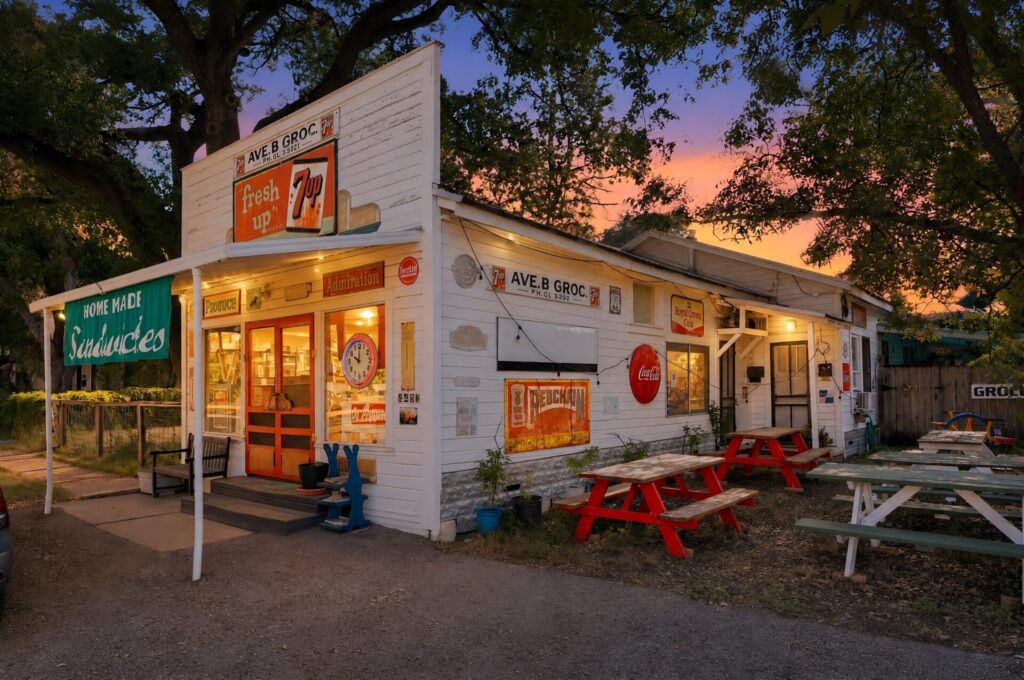
The neighborhood has a very distinct atmosphere. Its proximity to UT Texas and its historic vibe create a collegiate feeling many adore. You’ll be surrounded by history, from the iconic Fire Station #9 to the beloved Elisabet Ney Museum, and funky places like Avenue B Grocery & Market make you feel like you’re stepping back in time. If you want to dive deeper into the neighborhood’s character, take the popular Hyde Park Neighborhood Association’s Historic Hyde Park Homes Tour
When you live here, you also get to be part of a vibrant, friendly community. Neighbors hold joint yard sales where you might find surprising treasures, and there are often community-hosted events — you might even get to join a few parades that take place each year.
Neighborhood Logistics
The City of Austin handles all municipal services for Hyde Park, including road maintenance, public landscaping, emergency services, trash management and parking regulations. There is the Hyde Park Neighborhood Association (HPNA), a voluntary association that mostly focuses on preserving the historic character of the neighborhood and giving community members a forum to address issues.
Explore Austin Neighborhoods
Note on imagery: Images marked “AI Generated” are visuals to illustrate the neighborhood homes, atmosphere and architectural style. To protect homeowner privacy, these images are artistic representations and do not depict specific existing properties.