
Coastal Bend Economic Development Is Taking Off
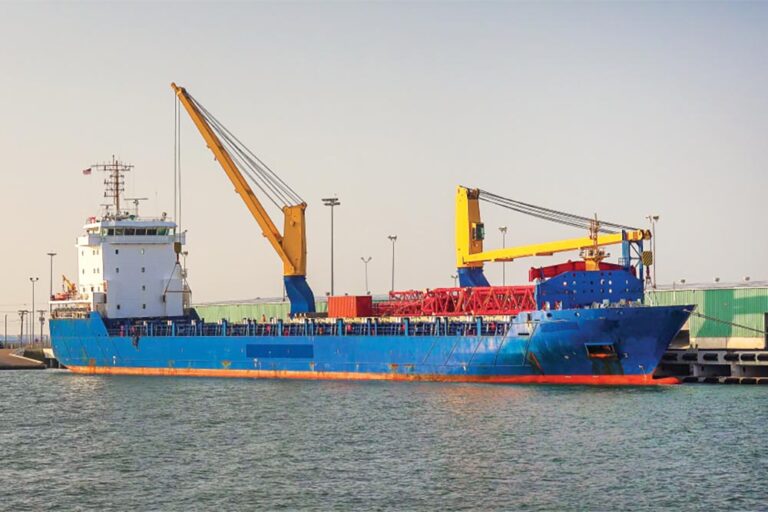
Aaron Bowman, a retired U.S. Navy captain who landed planes on aircraft carriers more than 300 times, moved to Corpus Christi in March 2026 because naval aviators go where the action is.
“Corpus Christi has really just been on fire the last 20 years,” says Bowman, a veteran of 28 years in the Navy who’s now president and CEO of the Corpus Christi Regional Economic Development Corp.
Corpus Christi is the largest city in the Coastal Bend area, which includes parts of nine counties and three Gulf Coast barrier islands. The region is home to Naval air stations at Corpus Christi and Kingsville, several colleges and universities, and connections to three major railroads. It also boasts the Port of Corpus Christi, the deepest shipping channel on the Gulf Coast.
So many and varied are the Coastal Bend’s strengths that private industry has invested $65 billion there in the past decade. At the same time, the region’s average per-capita income has gone from $44,000 per year to $54,000.
“The whole Coastal Bend region is on a rocket ship of growth,” Bowman says.

‘So Much Available’
The Coastal Bend doesn’t have one signature industry, but several – energy, manufacturing, aerospace and defense. Bowman says the opportunities offered by those industries combine with the region’s organic advantages to create an environment in which people want to live and work.
“Texas is a very business-friendly state,” he says. “We lack a lot of the red tape that some of our competitor states have.”
Bowman also cites the softer side of the Coastal Bend region, including its inviting tropical climate, recreational opportunities, the Texas State Aquarium and minor-league baseball with the Corpus Christi Hooks, a Houston Astros affiliate.
“There’s so much available here that makes you want to move here or stay,” he says.
The Port of Corpus Christi has stayed – for 100 years, to be precise, and Bowman says the Coastal Bend is “blessed” to have it.
“If you’re a company that needs shipping, this port will be tops on your list,” he says. “It’s the driver of so many of our industries.”
Unlimited Opportunities
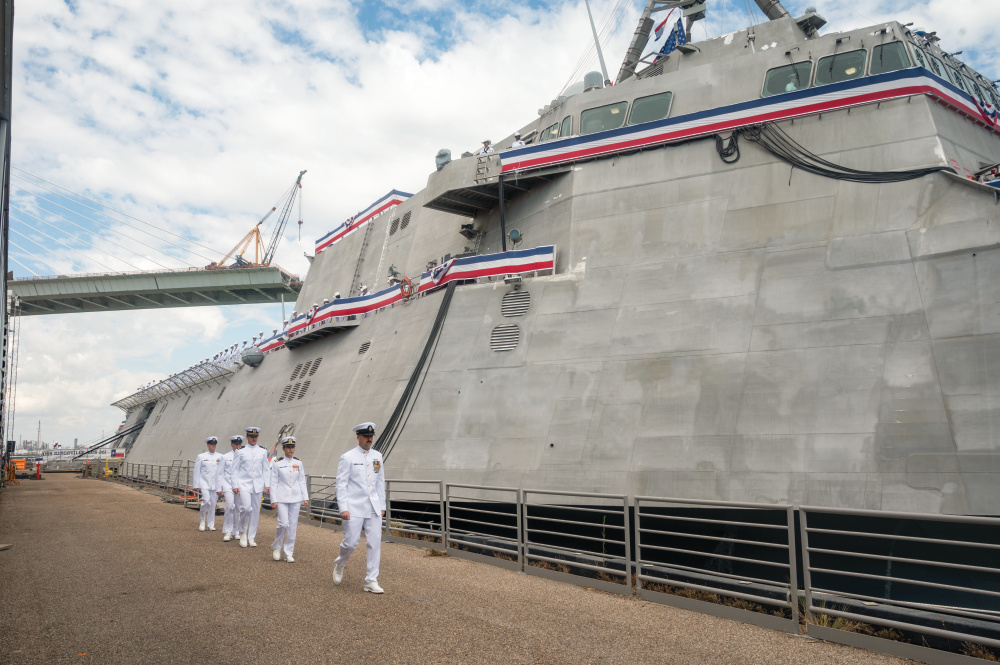
Kent Britton, Port of Corpus Christi CEO, says customers of the port support 18,000 direct jobs, 30,000 jobs indirectly in the region and another 45,000 across Texas, and pay about $6 billion in annual wages.
When it comes to shipping, the port moved 206 million tons of product last year – some 90% of which was liquid energy.
“We’re the No. 1 exporter of crude oil in this country,” Britton says, “and the second-largest exporter of liquid natural gas (LNG), which is the fuel of choice to power the world at the moment.”
Britton says the region’s growth opportunities for LNG are unlimited. “LNG burns 85% cleaner than coal,” he says. “It’s going to be the bridge fuel for the next several decades, especially for emerging economies trying to get off coal, and the 40% of the world’s economies for which coal would be a step up.”
Another Success Story
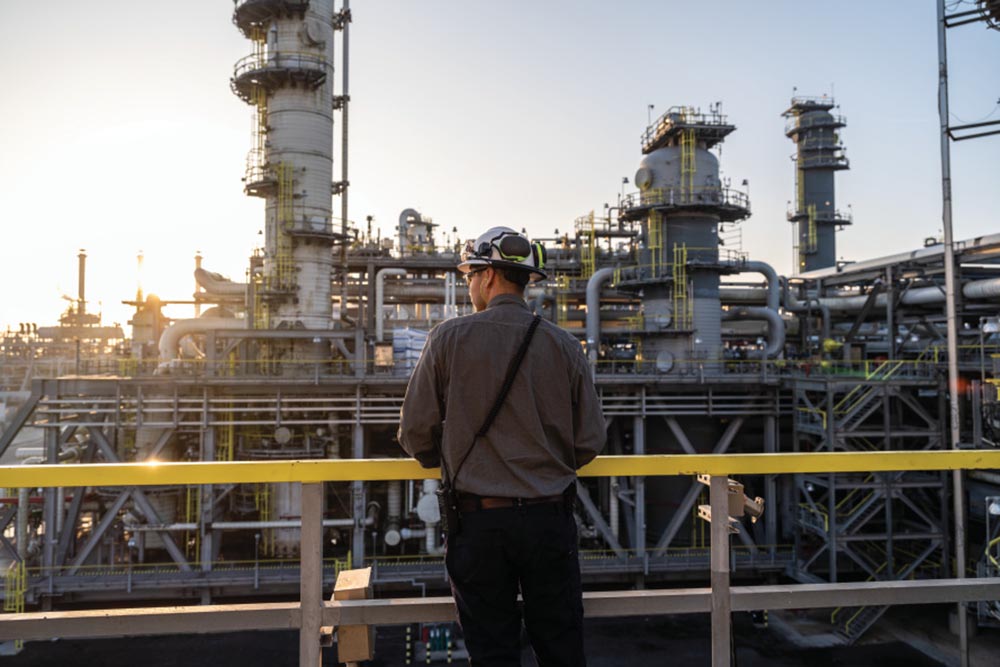
Bowman says another Coastal Bend mainstay is Gulf Coast Growth Ventures (GCGV), a $7 billion joint venture between ExxonMobil and SABIC (Saudi Basic Industries Corp.) that’s been up and running in the region since 2021.
“The amount of jobs they’ve created, their capital investment, their product,” Bowman says. “That’s another Coastal Bend success story.”
Ed Caputo, president and site manager for GCGV, says the 600-acre plant produces monoethylene glycol and polyethylene. The former is used in the production of polyester fibers, medical equipment and food packaging. The latter is used primarily in agricultural films and medical supplies. He says the facility’s annual output is more than 1.8 metric tons.
“GCGV is a world-scale facility,” Caputo says. “We employ more than 600 people on a permanent basis, and those jobs average about $90,000 per year. Construction generated more than $22 billion in economic gains for Texas, and the state has realized more than $50 billion in economic gains during our first five years of operation.”
Bowman notes that capitalizing on the Coastal Bend’s unlimited potential requires a sophisticated, proactive approach.
“In economic development, you don’t want all your eggs in one basket,” he says. “Tesla has a manufacturing facility here, we’ve attracted a steel plant and we’re bringing in a data center that’s $20 billion by itself.”
