

Best Neighborhoods in Roanoke, VA
Roanoke, Virginia, is a city shaped by scale, geography, and neighborhood identity. Set in the Roanoke Valley and framed by the Blue Ridge Mountains, it offers a range of living environments within a compact footprint. From walkable downtown blocks anchored by markets, museums, and festivals to established residential neighborhoods and river-adjacent communities, Roanoke’s neighborhoods feel distinct while remaining closely connected.
For people relocating to the area, Roanoke stands out for its combination of affordability, outdoor access, and community-oriented living. Commutes are short by regional standards, and daily life often revolves around local cafés, parks, trails, and neighborhood institutions rather than long highway drives or sprawling commercial zones.
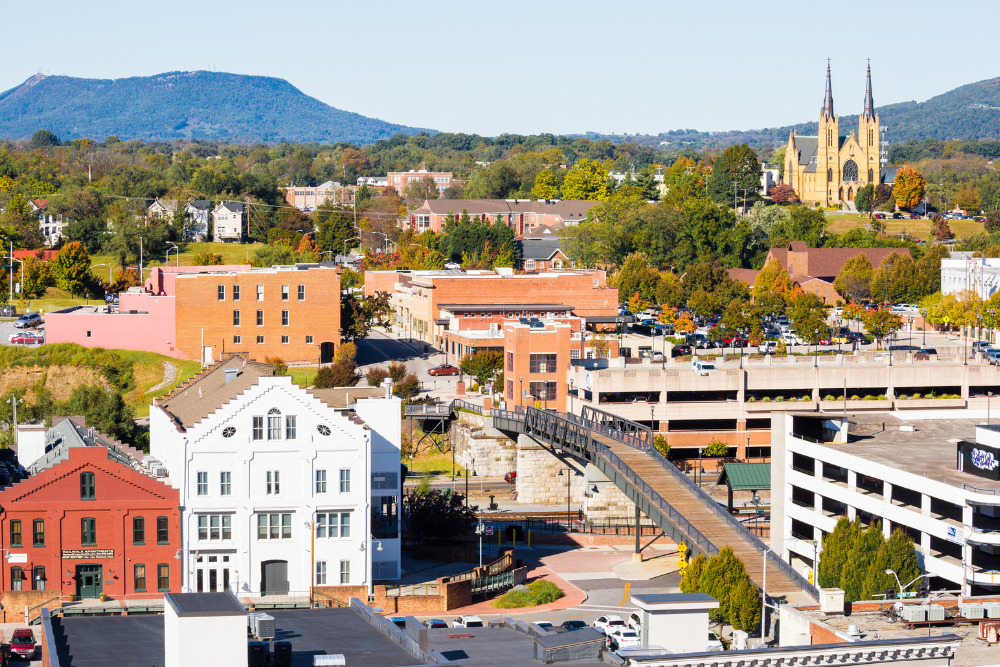
Understanding Roanoke’s Neighborhood Landscape
Roanoke is organized around a relatively dense downtown core, with historic and mid-century neighborhoods extending outward along the Roanoke River and into the surrounding hills. Interstate 581 and major surface roads allow for easy movement across the city, while the Roanoke River Greenway quietly connects many neighborhoods through a shared outdoor corridor. Unlike cities where recreation is separate from daily routines, Roanoke integrates parks, trails, and green space directly into residential life.
Best Neighborhoods in Roanoke: Editor’s Picks
Each neighborhood carries its own personality. Some feel energetic and social, others quiet and settled, and others operate almost like small towns within the city.
Downtown Roanoke

Downtown Roanoke offers the city’s most urban living experience. Loft apartments and condominiums sit above restaurants, galleries, and offices, creating an environment where residents can walk to coffee, dinner, and events. The Historic City Market anchors daily life downtown, drawing residents year-round for fresh produce, local baked goods, and specialty vendors.
Elmwood Park serves as the city’s primary civic gathering space, hosting large-scale events such as Festival in the Park, outdoor concerts, movie nights, and holiday celebrations. Cultural institutions like the Taubman Museum of Art and the Virginia Museum of Transportation add depth to downtown life, while restaurants such as Fortunato, Lucky, and Sidecar reflect a dining scene that feels locally driven rather than chain-focused. Downtown appeals strongly to professionals, medical residents, creatives, and retirees seeking walkability and cultural access.
Grandin Village and Raleigh Court
Grandin Village and the adjacent Raleigh Court neighborhood offer one of Roanoke’s most recognizable neighborhood identities. Centered around the historic Grandin Theatre, the area blends early 20th-century homes with sidewalks, independent shops, and long-established local businesses. Residents frequently walk to Roasters Next Door for coffee, browse neighborhood boutiques, or gather for dinner nearby.
The Grandin Theatre itself functions as a cultural anchor, screening independent films and hosting community events that reinforce the area’s small-town-within-a-city feel. Tree-lined streets, front porches, and a strong sense of neighborhood continuity make Grandin and Raleigh Court especially appealing to families and long-term residents who value walkability and community cohesion.
Wasena
Wasena is closely associated with outdoor recreation and social energy. Located along the Roanoke River, the neighborhood offers immediate access to the greenway, Wasena Park, and trail connections leading toward Carvins Cove. Residents often bike, jog, or walk along the river before meeting friends at Wasena Tap Room or dining at nearby favorites like Bloom Restaurant & Wine Bar.
Housing in Wasena includes bungalows, duplexes, and smaller apartment buildings, creating a diverse mix of residents and lifestyles. The neighborhood feels active without being overwhelming, and its location between downtown and major trail systems makes it a natural fit for people who want recreation integrated into everyday life.
South Roanoke and Crystal Spring
South Roanoke blends historic homes with convenient access to both nature and employment centers. Large, older residences line shaded streets, many within walking distance of River’s Edge Park, the greenway, and Crystal Spring’s small commercial cluster. Crystal Spring Grocery and nearby eateries provide a village-style hub that residents rely on for daily needs.
The neighborhood is particularly popular with medical professionals due to its proximity to Carilion Clinic. Residents often describe South Roanoke as balanced and livable, offering quiet residential streets alongside easy access to parks, trails, and downtown amenities.
Old Southwest
Old Southwest is one of Roanoke’s most architecturally distinctive neighborhoods. Known for its Victorian and Craftsman homes, the area reflects a strong preservation ethic and an engaged resident community. Located just south of downtown, it offers walkable or bikeable access to the city core while maintaining a residential atmosphere.
Community home tours, neighborhood events, and active civic involvement reinforce Old Southwest’s reputation as a place where residents invest deeply in both their homes and their surroundings. It appeals to those who value historic character and proximity to downtown without wanting a fully urban setting.
Hunting Hills
Hunting Hills offers a more suburban experience while remaining within the city limits. Known for mid-century and later single-family homes, the neighborhood features larger lots, curving streets, and a quieter pace of life. Residents benefit from proximity to Valley View shopping, LewisGale Medical Center, and easy access to major roadways.
The area appeals to families and long-term homeowners seeking space and privacy while still remaining connected to Roanoke’s services and amenities. Hunting Hills feels settled and residential, with less turnover than some newer developments.
Loudon-Melrose
Loudon-Melrose is one of Roanoke’s most historically significant neighborhoods, particularly known for its role in the city’s diverse cultural and civic history. In recent years, the area has seen renewed investment and revitalization, while maintaining strong community roots.
Proximity to downtown, Elmwood Park, and the greenway makes Loudon-Melrose attractive to residents who want central access without the cost of downtown housing. The neighborhood’s mix of historic homes and newer renovations reflects an evolving identity that balances preservation with growth.
Suburban and Nearby Communities
Beyond the city proper, nearby communities such as Cave Spring, Hollins, Bonsack, and Vinton offer additional options. Cave Spring is especially popular with families seeking larger homes and strong schools, while Hollins provides easy access to parks and shopping. Bonsack and Vinton attract buyers looking for affordability while maintaining reasonable commute times to Roanoke’s employment centers.
Everyday Life in Roanoke‘s Neighborhoods
Daily life in Roanoke is shaped by routine access to outdoor space and neighborhood-scale interaction. Residents often structure their weeks around morning walks on the Roanoke River Greenway, weekend hikes on Mill Mountain, visits to the City Market, or evenings at local restaurants and breweries. Seasonal festivals, concerts, and civic events foster a sense of shared life without overwhelming the city’s relaxed pace.
Roanoke’s manageable size allows residents to feel connected without feeling confined. Many people develop strong ties to their immediate neighborhood while still engaging regularly with the broader city.
Choosing the Right Roanoke Neighborhood
Finding the right neighborhood in Roanoke typically comes down to lifestyle priorities. Some residents prioritize walkability and cultural access, others value proximity to trails and parks, while some prefer quieter suburban streets with larger homes. Because commute times are short and amenities are widely distributed, newcomers often find they can balance multiple priorities with minimal compromise.
Final Takeaway
Roanoke’s neighborhoods succeed not because they follow a single model, but because each offers a distinct way of living within a cohesive city framework. Whether drawn to downtown energy, village-style neighborhoods, outdoor-oriented communities, historic districts, or settled suburban enclaves, residents often find that Roanoke supports long-term livability through scale, access, and a strong sense of place.
Note on imagery: Images marked “AI Generated” are visuals to illustrate the neighborhood homes, atmosphere and architectural style. To protect homeowner privacy, these images are artistic representations and do not depict specific existing properties.