
Adams County Entrepreneurs are Making an Impact Beyond Colorado
Adams County is Colorado’s fifth-largest county, so it’s no surprise that entrepreneurs in the region have an expansive view of community. Their goodwill isn’t limited to those who have settled within county lines; there are plenty of organizations whose ripple effects benefit individuals, families and communities both within Adams County and far abroad.
It Takes a Village
Village Exchange Center (VEC) was born from the ashes of St. Matthew Lutheran Church in 2017. The Aurora church’s congregation was aging, and It was transitioning from a predominantly white congregation to a diverse community with many immigrants and refugees.
“This change prompted the need for services and community support that could accommodate a multifaith and multicultural population,” says Amanda Blaurock, VEC’s co-founder and executive director.
The congregation voted unanimously to donate the building and grounds to establish a community center available to all community members, regardless of their background or immigration status.
At that time, Blaurock says, the primary need was for cultural integration and support services. About 20% of Aurora’s residents were born outside the U.S. and over 150 languages are spoken by Aurora Public Schools students.
Over the last eight years, demand for services has expanded. In addition to the above, VEC has increased its focus on cultural navigation, youth engagement, direct cash assistance and long-term financial empowerment of residents.
Programming designed to address these needs includes multifaith worship services that cater to various religious groups, educational programs for both youth and adults, citizenship classes, English as a Second Language (ESL) courses and a robust food pantry, Blaurock says.
“The programs that hold a special place in my heart and stand out in terms of impact are our youth engagement initiatives,” she says. “These programs do more than just help young people assimilate into their new community; they empower them to take active roles in society, fostering a sense of agency and leadership.”
VEC’s impact is tangible. In 2024, it served over 60,000 unique individuals by serving 800 families per week at its food pantry; distributing over 5,600 COVID, flu, polio and pneumonia (and more!) vaccines; and providing nearly $1.9 million in cash assistance.
Adams County Regional Economic Partnership also named it a 2024 Gamechanger for its collaborative, community-centered approach. But for Blaurock, the most rewarding aspect of VEC is “witnessing the tangible impacts of VEC on the community and seeing individuals and families flourish because of the support and opportunities provided by the center.”
The School That Coffee Built
“Everywhere we go, we want to have a positive impact on the community,” says Manuela Mishler, vice president of marketing and business management for Luna Gourmet Coffee & Tea Co. “Knowing we are getting coffee from all these farms around the world, we wanted to give back to the community we were taking from.”
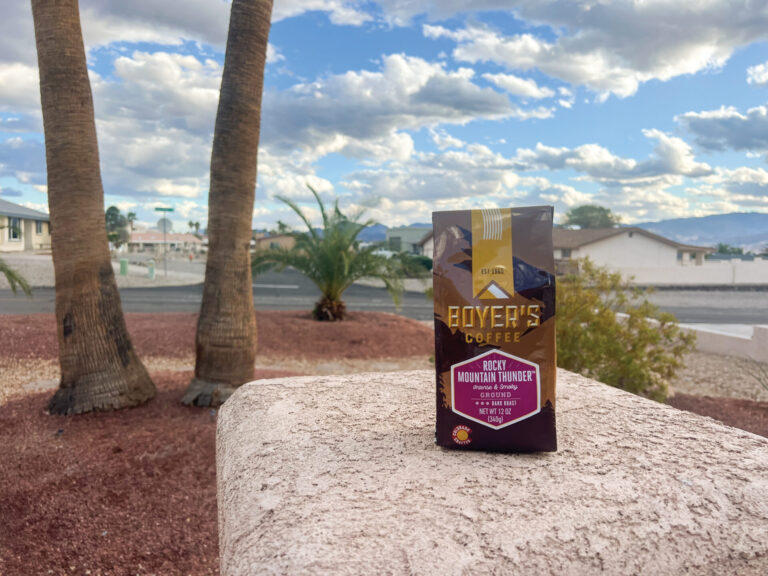
This is the sentiment behind the School That Coffee Built, a community development arm of Luna brand Boyer’s Coffee that has worked with villages in Honduras, Colombia and Peru to address their unique needs.
“When we are buying coffee in various regions, we’re imposing a tax on ourselves,” Mishler says. “We’re putting money aside from every single pound we purchase and putting it into a fund.”
From there, the Adams County-based Boyer’s works with locals to develop a needs assessment of the area. For example, in the Peruvian village of Agua Azul, residents wanted to construct a preschool near the elementary school, a kitchen and bathrooms for community gatherings, and a computer and internet access for teaching English and online skills.
In Colombia, the indigenous community of Jewrwa needed to rebuild its school due to water-damaged structures that resulted in inhospitably cold conditions for students. The new structure increased school attendance by nearly 70%.
For Mishler, a major factor in the success of The School That Coffee Built is community buy-in.“The really cool thing I love is it’s all about that partnership,” she says. “Yes, we have our contribution, but the project is also getting contributions from other entities in the area. The communities are the ones that are providing the labor and making recommendations.”
Get to Know Adams County
Want to learn more about living and working in Adams County, CO? Check out the latest edition of Livability Adams County, Colorado.