

Uptown Charlotte, NC: Dynamic. Walkable. At the Center of It All.
Uptown is Charlotte’s urban core and the economic, cultural, and entertainment heart of the Queen City. Home to Charlotte’s skyline, major corporate headquarters, professional sports venues, museums, theaters, and some of the city’s most recognizable landmarks, Uptown serves as both a business district and a growing residential neighborhood.
Unlike traditional downtowns, Charlotte’s central business district is known as Uptown, a name that reflects its location on a ridge above the surrounding landscape. Over the past two decades, the area has evolved from a primarily office-oriented district into a mixed-use neighborhood where residents can live, work, and play within a relatively compact footprint.
Today, Uptown attracts professionals, executives, empty nesters, students, and urban lifestyle enthusiasts who value walkability, convenience, and immediate access to many of Charlotte’s most important destinations. For those seeking the city’s most urban living experience, Uptown remains unmatched.
Overall Vibe & Lifestyle
Life in Uptown revolves around convenience and connectivity.
Residents can walk to offices, restaurants, sporting events, museums, theaters and entertainment venues without relying heavily on a vehicle. The neighborhood offers an urban lifestyle that differs significantly from most of Charlotte’s suburban communities and even from other intown neighborhoods such as Myers Park or Plaza Midwood.
Weekdays are defined by business activity, as thousands of professionals commute into the district’s office towers. Evenings and weekends bring a different energy, with residents and visitors gathering for sporting events, concerts, festivals, and nightlife.
Daily life varies meaningfully among Uptown’s four wards. First Ward includes Spectrum Center, The Market at 7th Street, ImaginOn, and First Ward Park. Second Ward contains the Levine Center for the Arts, government buildings, and major redevelopment connected to the historic Brooklyn community. Third Ward combines Romare Bearden Park, Truist Field, and Bank of America Stadium with dense apartment and condominium living. Fourth Ward has the district’s strongest residential character, with restored Victorian homes, tree-lined streets, Fourth Ward Park and Alexander Michael’s. For prospective residents, the ward can matter almost as much as the Uptown address because it affects housing type, nightlife, green-space access, and event traffic.
Uptown’s residential population has grown steadily as new apartment towers, condominiums, and mixed-use developments have added housing opportunities. Many residents appreciate being able to walk to work, dine at a different restaurant every week and access major attractions within minutes of home.
The overall atmosphere is active, fast-paced, and distinctly urban, making Uptown one of the most dynamic neighborhoods in the Carolinas.
Safety & Walkability
Uptown is widely regarded as Charlotte’s most walkable neighborhood.
Wide sidewalks, connected streets and a dense concentration of destinations allow residents to complete many daily activities on foot. Grocery stores, fitness centers, restaurants, entertainment venues and workplaces are all located within the district.
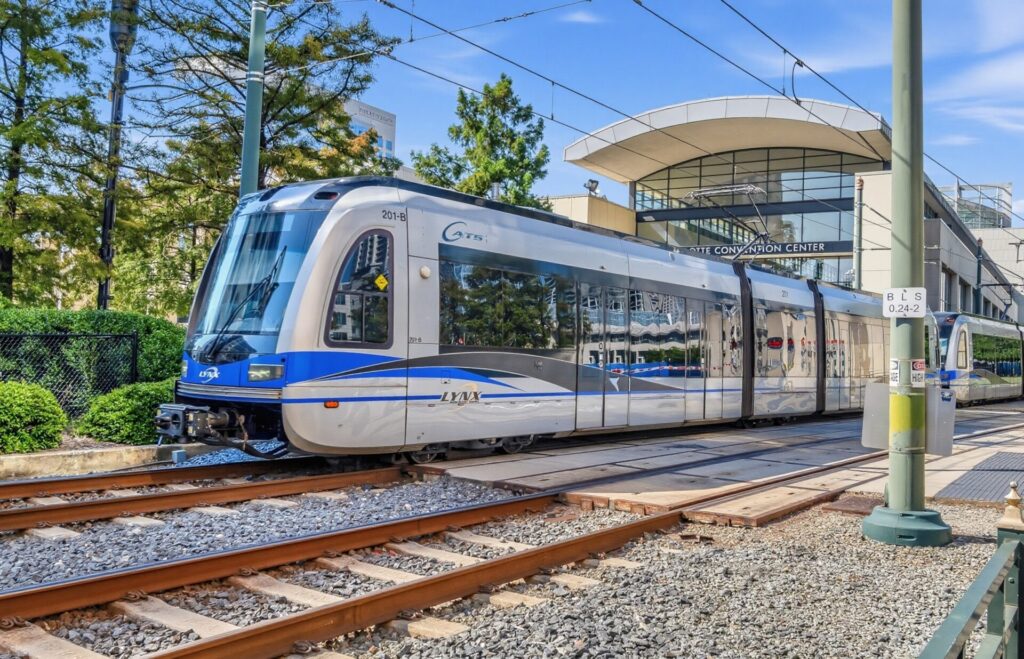
The neighborhood is also served by the LYNX Blue Line, CityLYNX Gold Line, and Charlotte Area Transit System bus routes, providing residents with multiple transportation options. Many residents use public transit for commuting and entertainment rather than relying exclusively on personal vehicles.
Because Uptown functions as both a business district and an entertainment destination, pedestrian activity remains high throughout much of the day and into the evening.
Traffic can become congested during major events, other games, and rush hours. Still, many residents view the ability to walk to destinations as one of the neighborhood’s greatest advantages.
Natural & Built Environment
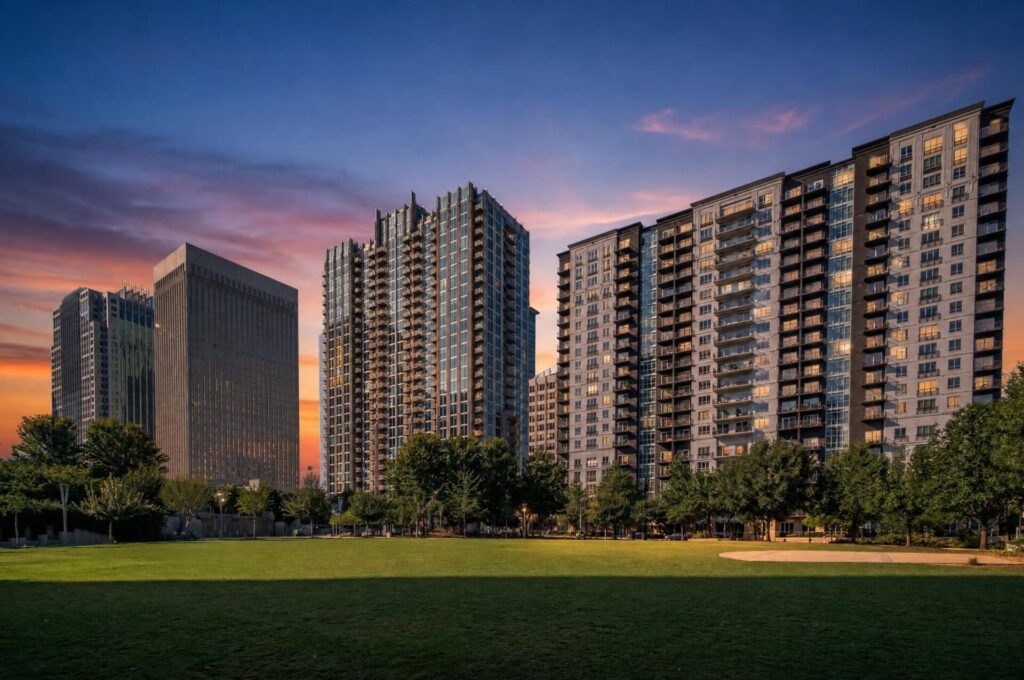
Charlotte’s skyline dominates Uptown’s built environment.
Office towers, residential high-rises, hotels, and mixed-use developments define much of the landscape, creating one of the Southeast’s most recognizable urban environments. Glass, steel and contemporary architecture shape the neighborhood’s visual identity.
Despite its urban character, Uptown includes numerous parks and public gathering spaces. Romare Bearden Park is one of the area’s most popular outdoor destinations, offering green space, fountains, walking paths, and skyline views. First Ward Park and Fourth Ward Park provide additional recreational opportunities, while the Little Sugar Creek Greenway is accessible nearby.
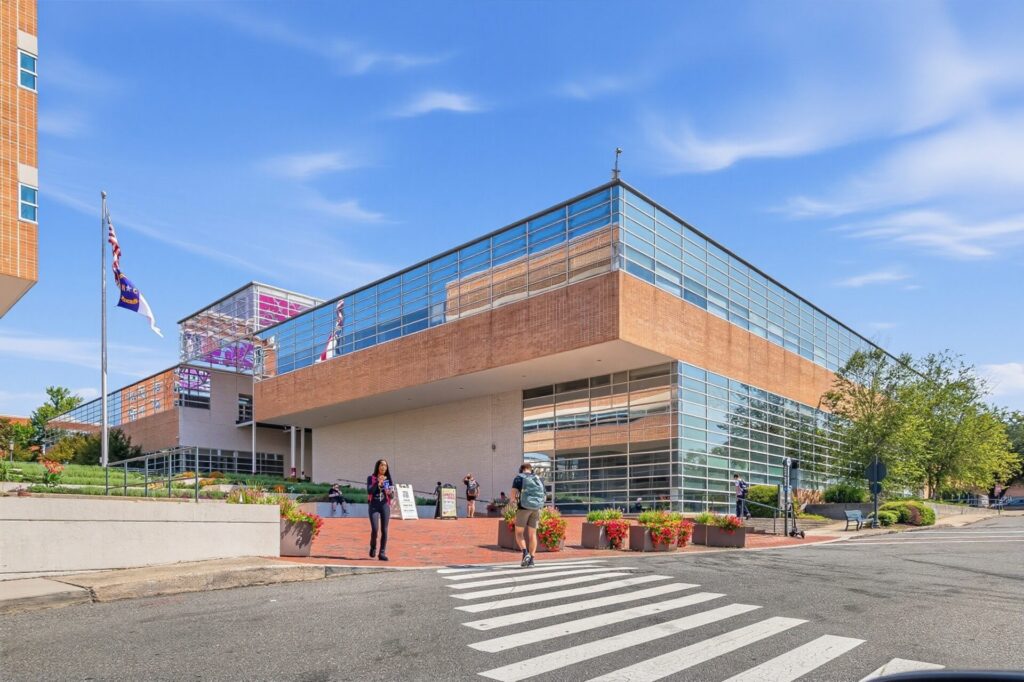
Those spaces provide distinctly different experiences. Romare Bearden Park includes an event lawn, interactive musical play features, illuminated waterfalls, and skyline views directly across from Truist Field. First Ward Park adds open lawns and a seasonal sprayground near ImaginOn and The Market at 7th Street. Fourth Ward Park is smaller and quieter, woven into the historic residential district rather than surrounded by major event venues. Residents seeking structured recreation can also use the Mecklenburg County Aquatic Center, an Uptown facility with a 50-meter competition pool, diving well, warm-water pool, hot tub and fitness areas.
The neighborhood’s public spaces play an important role in balancing urban density with opportunities for outdoor recreation and community gathering.
The result is an environment that feels distinctly metropolitan while still incorporating accessible green space and pedestrian-oriented design.
Design & Architecture
Architecture in Uptown reflects Charlotte’s emergence as one of the nation’s leading financial centers.
Modern skyscrapers dominate the skyline, including corporate headquarters, luxury residential towers, and mixed-use developments. Buildings such as the Bank of America Corporate Center and Duke Energy Center have become defining features of Charlotte’s identity.
The former Duke Energy Center is now known as 550 South Tryon, while Duke Energy’s current corporate headquarters is Duke Energy Plaza at 525 South Tryon. The two towers stand across South Tryon Street from one another and represent different phases of Uptown’s recent development.
At the same time, portions of Uptown preserve elements of the city’s earlier history. Fourth Ward, one of Charlotte’s most historic residential districts, contains restored Victorian-era homes and tree-lined streets that provide a striking contrast to the surrounding high-rise development.
Residential architecture ranges from luxury condominiums and apartments to historic townhomes and adaptive reuse projects. New development continues to reshape the district, adding additional housing, retail, and entertainment options.
The architectural environment feels sophisticated, contemporary, and unmistakably urban.
Housing at a Glance
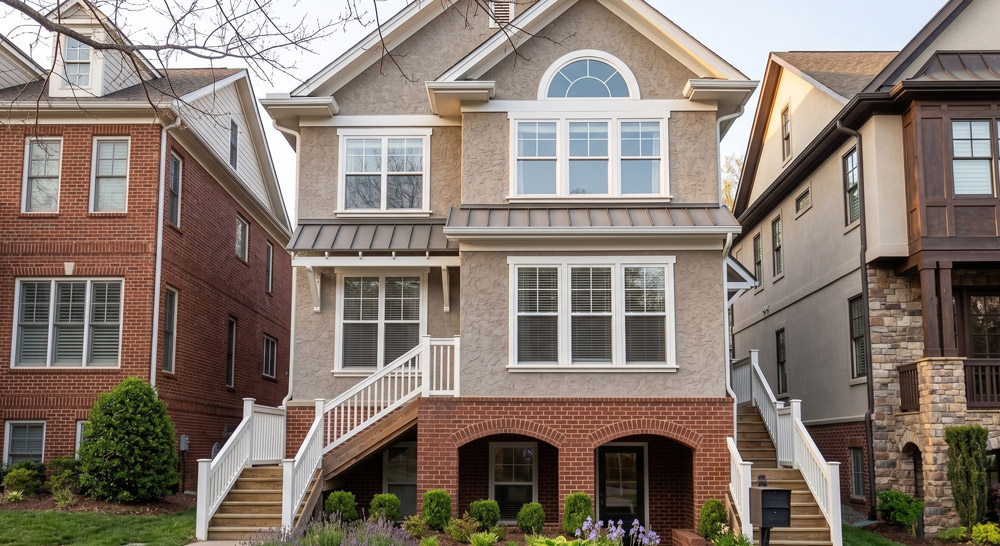
Uptown offers apartments, luxury condominiums, high-rise residences, and a limited number of historic townhomes and single-family homes.
| Metric | Description |
|---|---|
| Type | Luxury apartments, condominiums, townhomes, and high-rise residences. |
| Size & Layout | Typically 600 to 4,000+ square feet, depending on property type. |
| Interior & Exterior Features | Skyline views, modern finishes, fitness amenities, concierge services, rooftop spaces, and walkable access to neighborhood destinations. |
Real Estate Snapshot
Uptown remains one of Charlotte’s most competitive urban housing markets. The neighborhood’s walkability drives demand, along with access to employment and entertainment and a unique urban lifestyle. New residential development continues to add inventory, but demand remains strong among buyers and renters seeking a central location.
The market appeals to professionals, executives, investors, empty nesters and individuals who prioritize convenience and connectivity over larger lot sizes.
| Metric | Summary |
|---|---|
| Market Demand | Strong due to walkability, employment access, and urban amenities. |
| Inventory | Active development with ongoing residential growth. |
| Buyer Profile | Professionals, executives, investors, empty nesters, and urban lifestyle seekers. |
| Pricing Context | Premium pricing relative to many Charlotte neighborhoods. |
| Investment Pattern | Strong appreciation supported by continued population and employment growth. |
Amenities & Local Conveniences
Few Charlotte neighborhoods can match Uptown’s concentration of amenities.
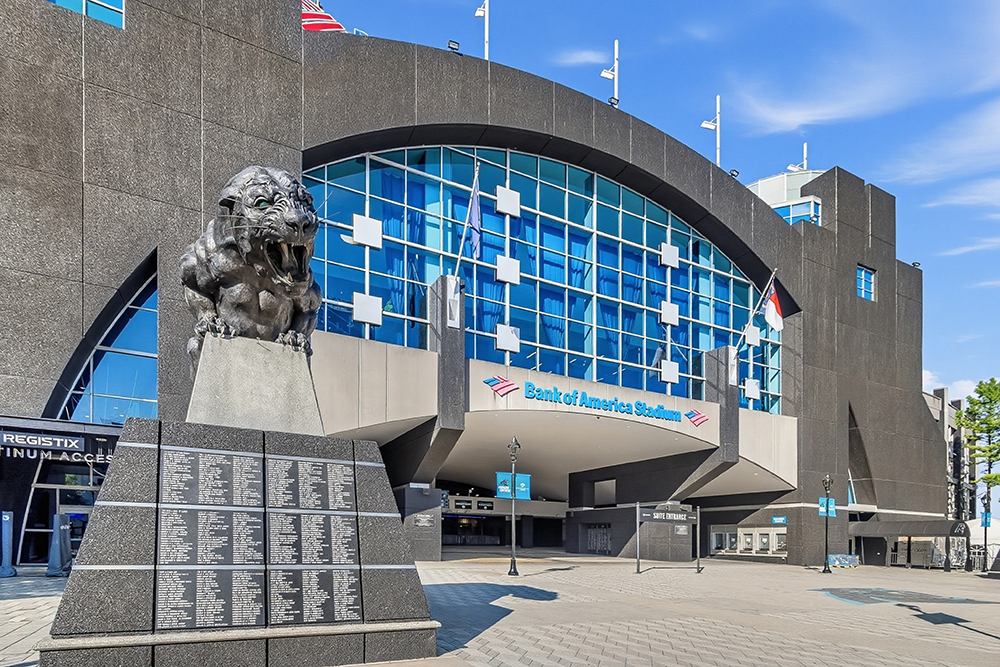
The district is home to the Carolina Panthers at Bank of America Stadium and the Charlotte Hornets at Spectrum Center. Concerts, sporting events, and major entertainment experiences occur throughout the year, drawing visitors from across the region.
The sports calendar extends beyond the NFL and NBA. Bank of America Stadium is also home to Charlotte FC, while Truist Field hosts the Charlotte Knights Triple-A baseball team. On the eastern edge of the central city, American Legion Memorial Stadium hosts professional soccer matches featuring Charlotte Independence and Carolina Ascent FC. Uptown residents can therefore reach NFL, NBA, MLS, minor-league baseball and both men’s and women’s professional soccer without traveling to a suburban venue.
Cultural institutions include the Mint Museum Uptown, Bechtler Museum of Modern Art, Harvey B. Gantt Center for African-American Arts + Culture, and Discovery Place Science. Blumenthal Arts venues host Broadway productions, concerts and performing arts events throughout the year.
Dining options range from casual cafés and neighborhood pubs to upscale steakhouses and chef-driven restaurants. Popular destinations include The Capital Grille, Sea Level NC, Stoke Charlotte, and numerous restaurants located throughout the district.
Longtime local restaurants provide a different side of Uptown dining. Mert’s Heart & Soul on North College Street serves Lowcountry- and Gullah-influenced Southern dishes, including shrimp and grits, Charleston red rice and fried chicken. In Fourth Ward, Alexander Michael’s occupies the historic Crowell-Berryhill Store, which opened in 1897. The tavern’s residential setting makes it feel more like a neighborhood gathering place than a conventional central business district restaurant.
Uptown also has two major food-hall destinations. The Market at 7th Street operates as a culinary and retail incubator supporting small businesses such as Geno D’s Pizza, Momo Station, Not Just Coffee, Orrman’s Cheese Shop and Mano Bella Artisan Foods. Monarch Market occupies the ground level of One Independence Center at Trade and Tryon, adding to the concentration of restaurants and bars for weekday lunches and evening gatherings.
Residents also enjoy access to grocery stores, fitness centers, healthcare providers, hotels, and retail services that support daily living.
The ability to access so many amenities within a relatively compact area is one of Uptown’s defining advantages.
Schools & Education
Charlotte-Mecklenburg Schools serve Uptown. Students may be assigned to schools including First Ward Creative Arts Academy, Piedmont Open Middle School, and Myers Park High School, though assignments vary by address and school-choice options. Families should verify attendance zones directly with the district.
The neighborhood’s central location provides convenient access to numerous charter and private schools throughout Charlotte, as well.
Nearby higher education institutions include Johnson C. Smith University, Johnson & Wales University’s former campus area, Queens University of Charlotte, and the University of North Carolina at Charlotte.
Commuting & Location
Uptown offers one of the most connected locations in the Charlotte metropolitan area.
| Destination | Approximate Drive Time |
|---|---|
| South End | 5-10 minutes |
| NoDa | 10 minutes |
| Plaza Midwood | 10 minutes |
| SouthPark | 15-20 minutes |
| Charlotte Douglas International Airport | 15 minutes |
| University City | 15-20 minutes |
Drive times may vary depending on traffic conditions.
The neighborhood’s access to light rail, streetcar service, and regional roadways significantly expands transportation options for residents.
Uptown Charlotte Neighborhood Map
Quirks & Perks
One of Uptown’s defining characteristics is its dual identity as both Charlotte’s business center and its entertainment district.
Residents can walk from an office tower to a professional sporting event, museum, concert venue, or fine-dining restaurant within minutes. Few neighborhoods in the Southeast offer a similar concentration of amenities.
Another unique feature is Fourth Ward. While much of Uptown is defined by modern skyscrapers, Fourth Ward preserves a collection of Victorian-era homes and historic streetscapes that offer a glimpse into Charlotte’s past.
The neighborhood also hosts many of the city’s major festivals, celebrations, and public events, making it one of Charlotte’s most active and visible communities.
The experience of living in Uptown can change considerably within only a few blocks. A First Ward resident may prioritize rail access, Spectrum Center, and The Market at 7th Street. A Third Ward resident may be more affected by traffic from baseball, football, and soccer around the major stadiums. Fourth Ward offers tree-lined streets and historic housing, but it places some residents farther from the Blue Line. Building orientation, garage access, ward, and proximity to event venues can shape everyday life as much as the distance to an Uptown office.
Neighborhood Logistics
Uptown is located within the City of Charlotte, with municipal services, including police, fire protection, sanitation, and public works, provided by the city.
Most residential properties are professionally managed apartment or condominium communities. Many buildings offer amenities such as fitness centers, pools, concierge services, and secured parking.
Parking is available throughout the district, but may involve structured garages, monthly fees, or event-related restrictions. Many residents find they can reduce their dependence on personal vehicles due to the neighborhood’s walkability and transit access.
Daily errands, dining, entertainment, and employment opportunities are often located within walking distance of home. The overall trade-off is a highly connected urban lifestyle defined by convenience, activity, and access to the very best of Charlotte.
Note on imagery: Images marked “AI Generated” are visuals to illustrate the neighborhood homes, atmosphere and architectural style. To protect homeowner privacy, these images are artistic representations and do not depict specific existing properties.