Wellness in Charlotte, NC: Healthy Living Comes Naturally in the Queen City
For many people, wellness is about more than gym memberships and annual checkups. It’s about living in a place where healthy choices fit naturally into daily life – a place where access to quality healthcare, outdoor recreation, community connection, and active living aren’t separate priorities but part of the same experience.
Charlotte, North Carolina, delivers that balance in a way few large cities can.
As one of the Southeast’s fastest-growing metropolitan areas, Charlotte has evolved into a destination for people seeking both opportunity and quality of life. The city is home to nationally recognized healthcare systems, hundreds of miles of greenways and trails, expansive parks, a thriving fitness culture, and easy access to lakes, mountains, and outdoor recreation. At the same time, Charlotte’s neighborhoods encourage residents to engage with their communities through farmers markets, group fitness events, outdoor festivals, and public gathering spaces.
The result is a city where wellness feels less like something you have to schedule and more like something built into everyday life.
A City Designed Around Movement
Charlotte wasn’t always known as an active-living destination.
For decades, the city’s reputation centered on banking, business growth, and suburban expansion. But as Charlotte has grown, city leaders, developers, and residents have increasingly prioritized investments that encourage walking, cycling, and outdoor activity.
Today, movement is woven into many of Charlotte’s most popular neighborhoods.
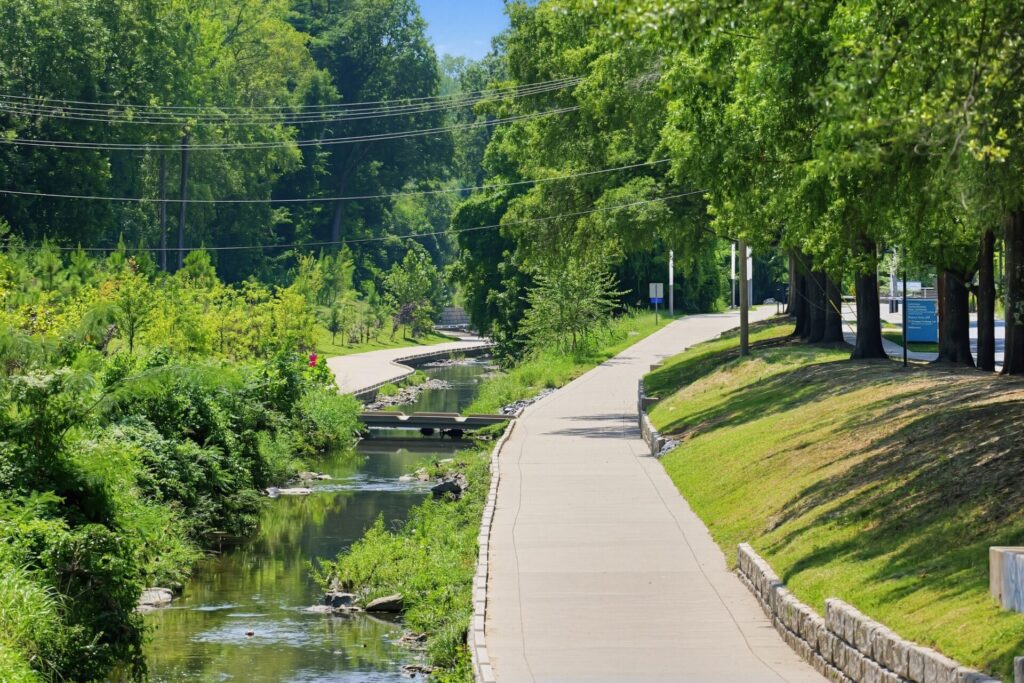
In the South End, residents start their mornings jogging along the Charlotte Rail Trail before stopping for coffee on their way to work. In Dilworth and Myers Park, tree-lined streets and sidewalks encourage evening walks. Along the Little Sugar Creek Greenway, runners, cyclists, and families share miles of paved pathways that connect neighborhoods and employment centers.
What makes Charlotte unique is that these opportunities aren’t confined to a single district. Active living extends throughout the city via a network of greenways, neighborhood parks, and recreational facilities, making it easier for residents to stay active throughout the day.
The city’s expanding trail system has become one of its most valuable quality-of-life assets. Instead of requiring residents to drive to recreational destinations, many neighborhoods provide direct access to walking and cycling routes that support both exercise and transportation.
That integration matters. Studies consistently show that people are more likely to remain active when opportunities for movement are convenient and accessible. Charlotte’s investment in trails, sidewalks, and public spaces helps remove barriers that often make it difficult to maintain healthy habits.
For many residents, wellness begins simply by stepping outside.
Outdoor Recreation Is Part of Everyday Life
Charlotte’s relationship with the outdoors goes well beyond parks and playgrounds.
Residents often describe one of the city’s greatest strengths as its ability to combine urban amenities with easy access to nature. While many metropolitan areas require long drives to reach meaningful outdoor recreation, Charlotte places those opportunities remarkably close to where people live and work.
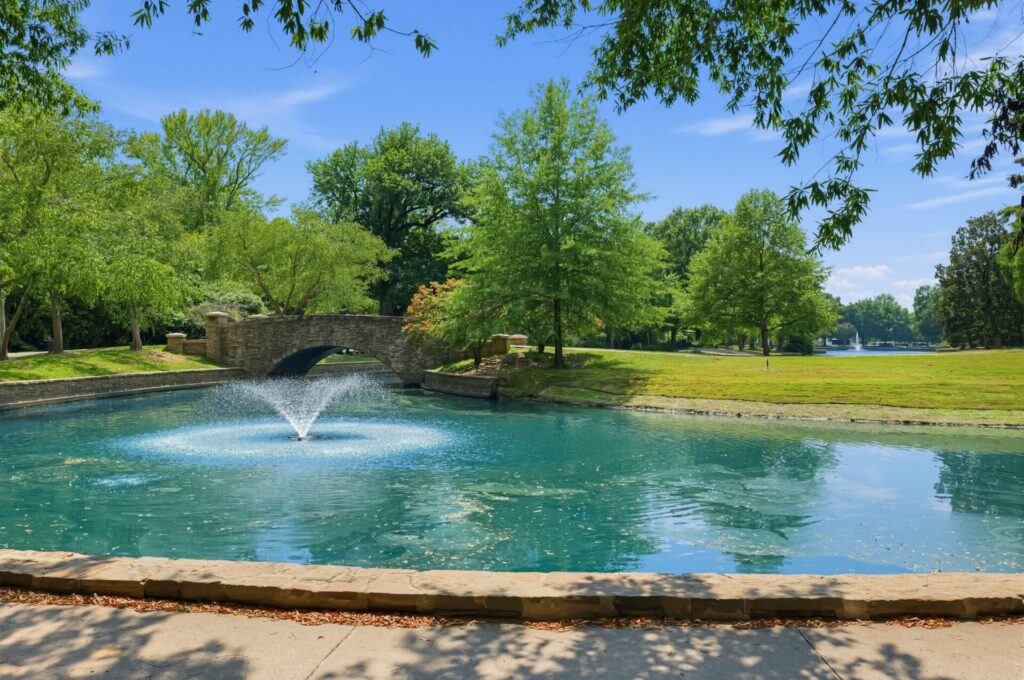
Freedom Park illustrates this dynamic perfectly. Located between Dilworth and Myers Park, the nearly 100-acre park functions as far more than a recreational facility. On any given day, the park serves as a gathering place for runners, dog owners, families, cyclists, and residents simply looking to spend time outdoors. Walking trails wind around a 7-acre lake, while open lawns, athletic facilities, and shaded gathering areas create opportunities for recreation at every pace. The park’s popularity reflects a broader truth about Charlotte: Outdoor spaces are deeply integrated into community life.
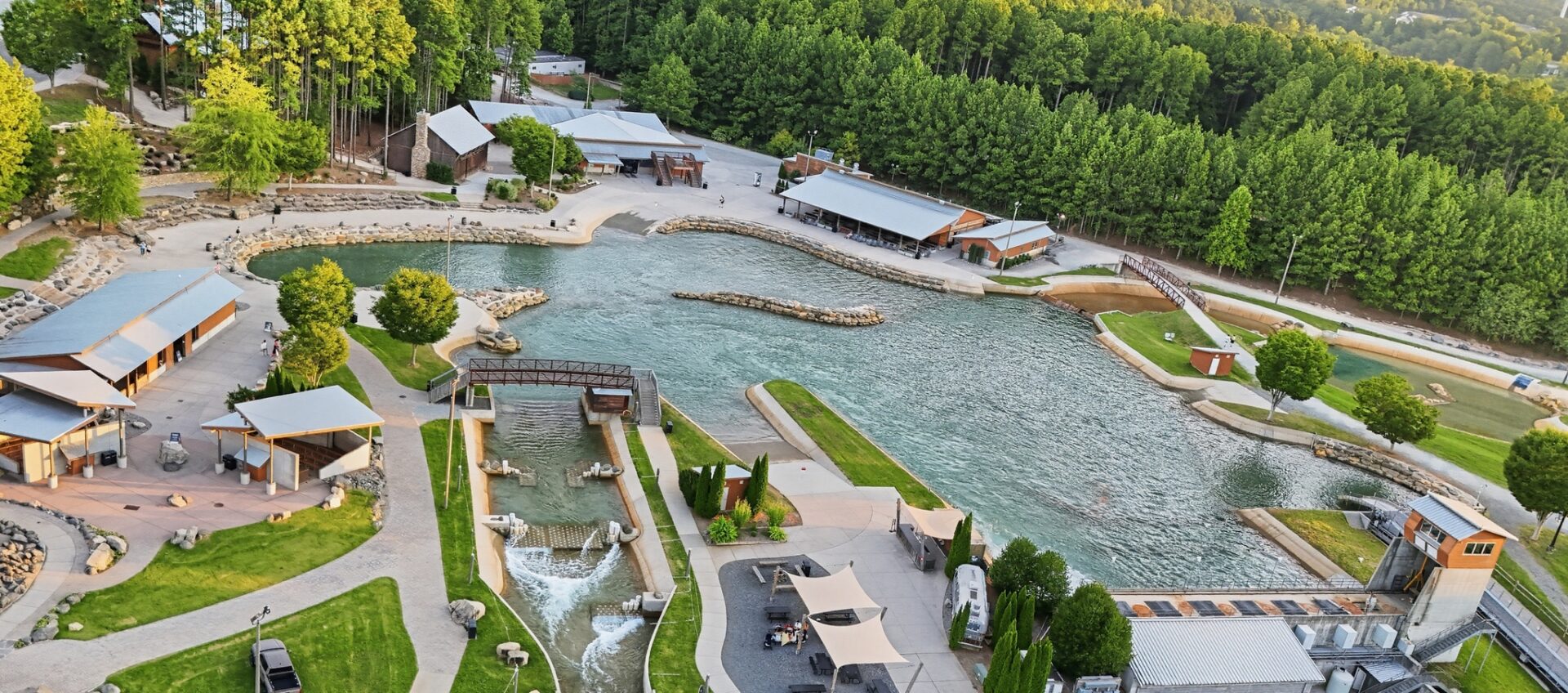
The same can be said for the U.S. National Whitewater Center, one of the city’s most distinctive wellness assets. Originally developed as an Olympic-caliber training facility, the Whitewater Center has evolved into a regional destination for outdoor recreation. Visitors can spend a day whitewater rafting, mountain biking, trail running, rock climbing, or paddling, all within a single campus.
Yet for many Charlotte residents, the Whitewater Center is less of a tourist attraction and more of a lifestyle amenity. Weekly trail runs, yoga classes, outdoor concerts, and community events have transformed the facility into a gathering place that blends recreation with social connection.
Charlotte’s location further expands these opportunities.
Lake Norman, the largest artificial lake in North Carolina, sits just north of the city and provides boating, paddleboarding, fishing, and waterfront recreation throughout much of the year. To the west, the Blue Ridge Mountains offer hiking, camping, and mountain biking opportunities that are close enough for a day trip yet substantial enough to support entire weekends of outdoor exploration.
This combination of urban convenience and outdoor access is one of the primary reasons many newcomers ultimately choose to stay.

Healthcare Access That Supports Every Stage of Life
While parks and recreation often dominate conversations about wellness, access to high-quality healthcare remains equally important.
Charlotte has emerged as one of the Southeast’s leading healthcare markets, providing residents with access to advanced medical services that are typically associated with much larger metropolitan areas.
The city is anchored by two major healthcare systems: Atrium Health and Novant Health.
Together, these organizations employ thousands of healthcare professionals and operate extensive networks of hospitals, specialty clinics, urgent care centers, and physician practices throughout the region. Their presence gives residents access to a broad spectrum of care, from routine preventive services to highly specialized treatments.
Atrium Health Carolinas Medical Center is one of the region’s premier hospitals and a major referral center for patients across the Carolinas. The system has developed nationally recognized programs in areas such as cardiovascular care, cancer treatment, neuroscience, and pediatric medicine.
Novant Health provides another robust healthcare network, expanding options for patients while contributing to Charlotte’s reputation as a regional healthcare destination.
For residents, the benefit extends beyond hospital rankings and medical statistics.
Access to quality healthcare affects everyday life. It influences where families choose to settle, where retirees decide to spend their later years, and how individuals manage both preventive care and unexpected health challenges. Charlotte’s healthcare infrastructure helps ensure that residents can access a wide range of services without needing to travel to larger cities for treatment.
As the population continues to grow, healthcare remains one of the city’s strongest quality-of-life advantages.

Wellness Is Also About Community
Physical health is only one component of wellness.
Increasingly, researchers and public health experts recognize the importance of social connection, community engagement, and mental well-being. Charlotte’s growth has created opportunities for residents to build those connections in ways that support the overall quality of life.
Throughout the city, public spaces function as gathering places rather than simply destinations.
Farmers’ markets bring neighbors together on weekends. Running clubs meet regularly in the South End and NoDa. Community festivals activate parks and public spaces throughout the year. Breweries host yoga classes, fitness events, and charity fundraisers. Neighborhood organizations organize outdoor movie nights, volunteer projects, and cultural celebrations.
These experiences help create the social infrastructure that contributes to well-being.
Charlotte’s neighborhood diversity also plays a role. Whether someone prefers the walkability of South End, the historic character of Dilworth, the creative energy of NoDa, or the family-oriented atmosphere of Ballantyne, residents can often find communities that align with their lifestyles and priorities.
That sense of belonging is difficult to measure but impossible to ignore.
For many people who relocate to Charlotte, the ability to build meaningful connections becomes just as important as access to healthcare or recreational amenities.
Healthy Living for Families, Professionals, and Retirees
One of Charlotte’s greatest strengths is its ability to support wellness across different stages of life.
Young professionals are drawn to walkable neighborhoods, fitness communities, and outdoor recreation opportunities that fit busy schedules.
Families benefit from access to parks, youth sports programs, pediatric healthcare, and community amenities that encourage active lifestyles from an early age.
Retirees often appreciate the city’s mild climate, extensive healthcare resources, and opportunities for continued engagement through volunteer work, cultural organizations, and recreational activities.
Unlike destinations that cater primarily to a single demographic, Charlotte offers a wellness environment that evolves with residents as their needs change.
That flexibility has become increasingly important as more people prioritize long-term quality of life when deciding where to live.
Why Charlotte Continues to Attract Wellness-Minded Residents
A single hospital, park, or fitness trend does not define Charlotte’s wellness story.
Instead, it emerges from the way multiple factors work together.
Residents benefit from nationally recognized healthcare systems, abundant outdoor recreation, an expanding network of greenways and trails, strong community connections, and easy access to both urban amenities and natural landscapes. The city’s mild climate encourages year-round activity, while its diverse neighborhoods offer many ways to engage with wellness daily.
For some people, that means training for a marathon along the greenway system. For others, it means spending weekends on Lake Norman, walking through Freedom Park, attending community fitness events, or simply knowing quality healthcare is nearby when they need it.
Whatever form it takes, wellness in Charlotte is less about a specific activity and more about a lifestyle.
And for a growing number of residents, that lifestyle is one of the city’s most compelling reasons to call the Queen City home.