Developments on the Horizon in Nashville, TN
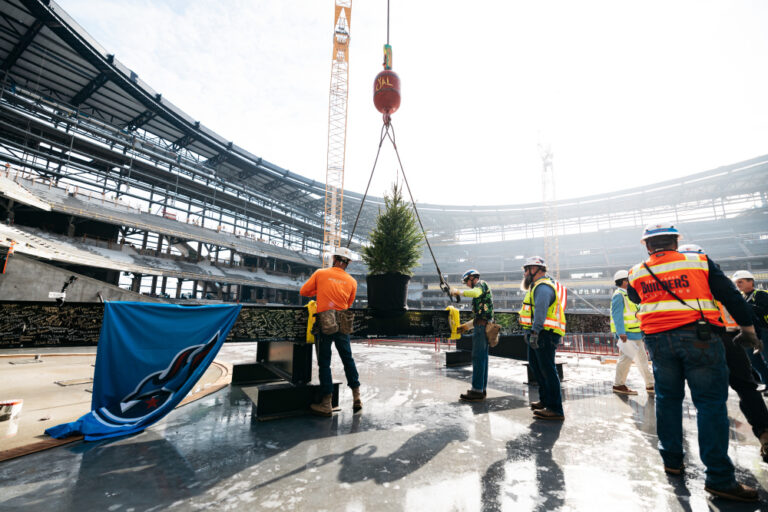
Nashville has long been a city that thinks in generations. Well before cranes rose over the East Bank, civic and business leaders were making investments that future leaders, companies and workers would build upon – sometimes, quite literally.
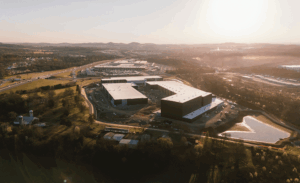
That pattern is visible across the region today. Nashville Yards is reshaping part of downtown into a mixed-use district. Historic buildings have found new life in the Neuhoff District, while Wedgewood-Houston continues to evolve as a center of creativity and commerce.
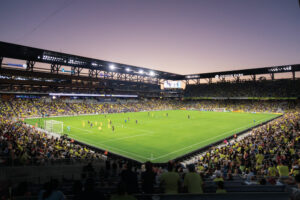
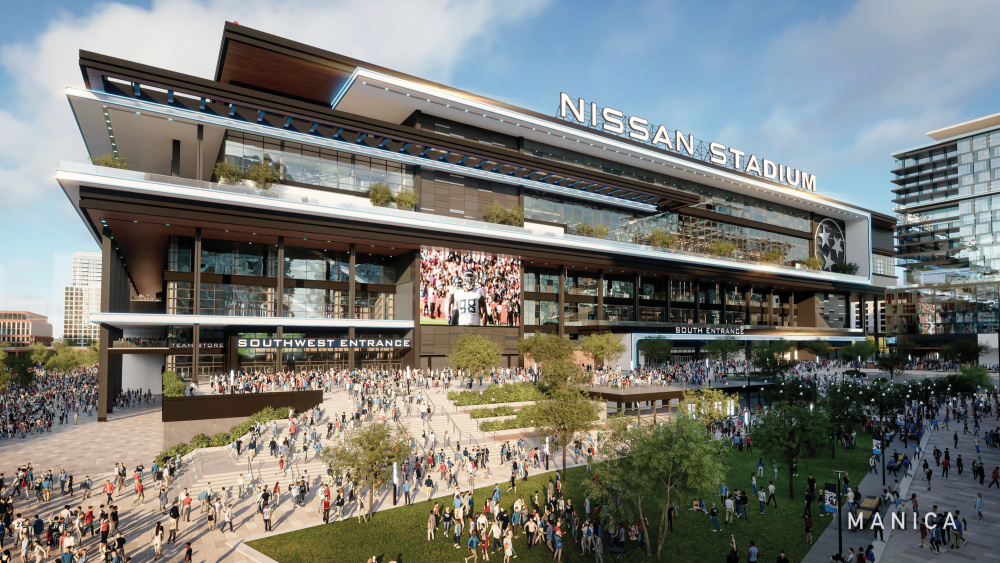
At the center of that momentum is the new Nissan Stadium, set to open in 2027 and host Super Bowl LXIV in 2030.
“Collectively, these projects reflect Nashville’s evolution into a more connected, sophisticated and globally competitive region,” says Carlie Zadick, vice president of economic development for the Nashville Area Chamber of Commerce.
Each project serves its own purpose, she says, but together they create walkable, connected places that keep Nashville attractive to companies, workers and visitors.
And none of it happened by accident.
“Collectively, these projects reflect Nashville’s evolution into a more connected, sophisticated and globally competitive region.”
-Carlie Zadick, Nashville Area Chamber of Commerce
Investing in a Legacy
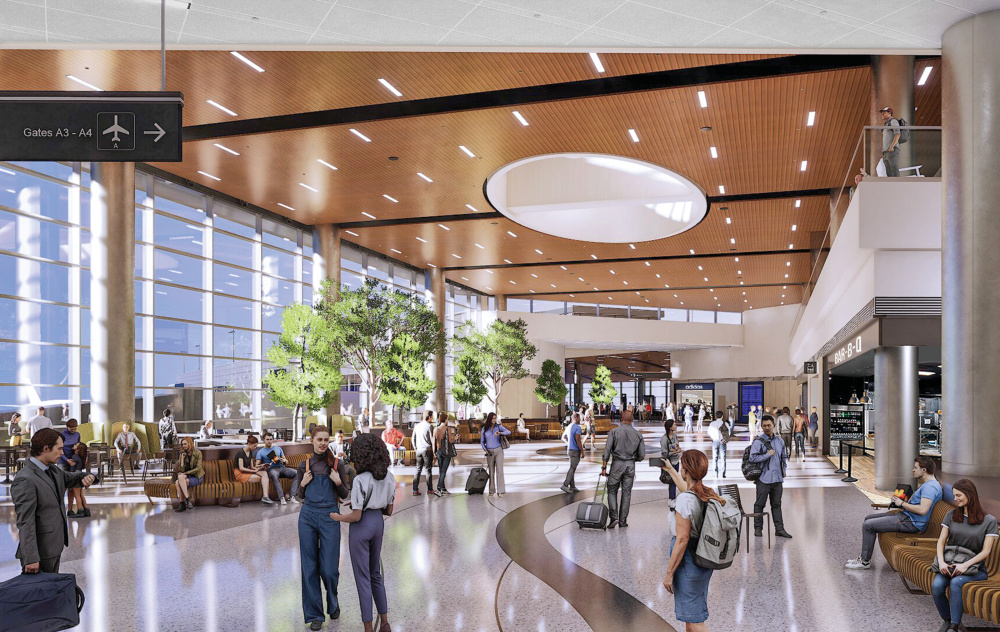
Earlier generations of civic and business leaders made long-term investments in the Nashville International Airport (BNA), the convention center, professional sports, higher education, healthcare, arts and culture, and regional economic development. They also established a tradition of public-private collaboration the region still relies on today.
“Those earlier leaders understood that transformational investments often take years, or even decades, to reach their full potential,” Zadick says. “Our responsibility now is to demonstrate that same long-term vision and make decisions that create opportunities for the next generation.”
Herbert Brown sees that pattern playing out through the new stadium project. As the director of community and citizenship at Turner Construction Company, Brown points to the 1990s decisions that brought the Titans and Predators to Nashville as part of the foundation for what is rising today.
“The original stadium and the Titans moving to Nashville certainly were a big piece that helped further cement Nashville as an entertainment destination,” Brown says. “The Titans, along with the Predators (and their new arena at the time), helped create the great relationships, infrastructure and confidence needed to build something like this.”
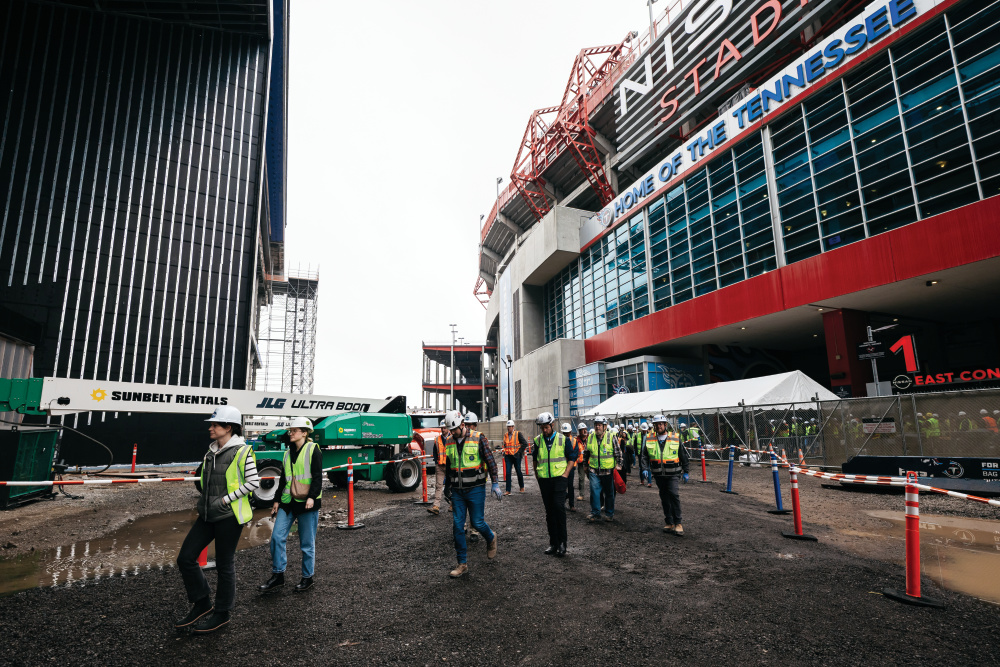
Turner is managing construction of the new stadium as part of the Tennessee Builders Alliance, a joint venture that also includes AECOM Hunt, Polk & Associates Construction, and I.C.F. Builders & Consultants.
Economic Impact
- $260M Paid to 166 small and diverse businesses
- $2.1B Approximate investment in stadium
- 8,000 Workers participated in project
- 162 Graduates of Titans Construction Training Camp
- 60,000 Approximate anticipated seats in stadium
- 6.3M Hours dedicated to project
The Future Starts Here
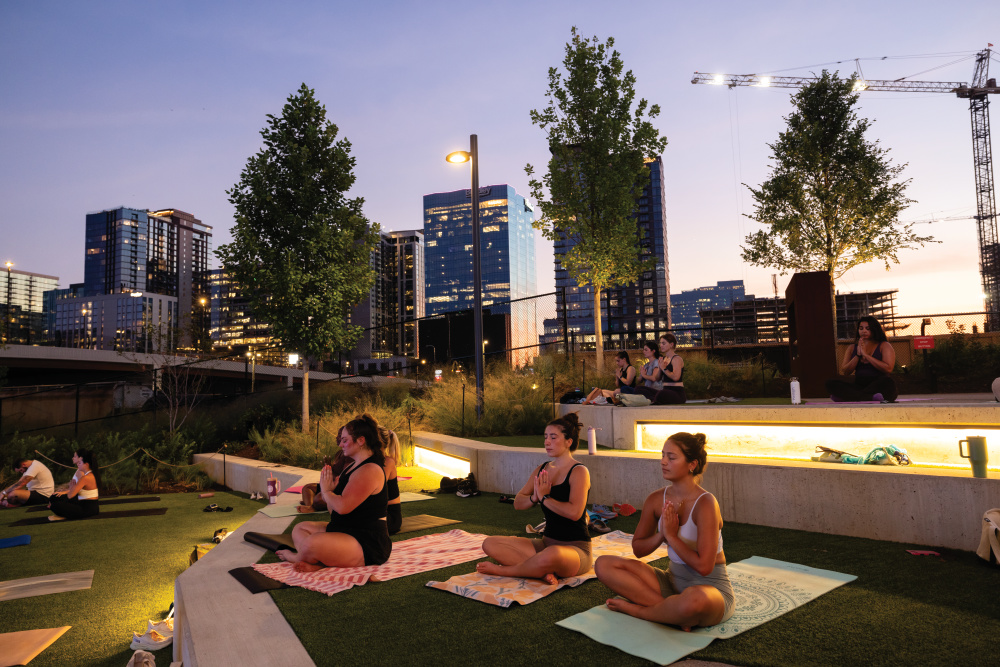
Through early summer 2026, Turner reported that more than 8,000 workers contributed approximately 6.3 million hours, and more than $260 million had been paid to 166 small and diverse businesses.
“It really demonstrated the depth of the Nashville construction ecosystem and the spirit of collaboration,” Brown says. “The business community, nonprofits, the city, state – really everybody came to the table to deliver a world-class facility.”
That impact is intended to extend beyond the stadium’s completion. The Titans Construction Training Camp, a workforce program hosted by the Tennessee Builders Alliance and the Titans, provides paid training designed to introduce participants to construction careers and prepare them for job opportunities. According to figures provided by Turner through June 2026, the program graduated 162 participants, with about three-quarters receiving job offers.
“We wanted to make sure this had a generational impact on the community,” Brown says. “That is one of the things we tried to keep as our North Star – how we can positively impact the people and the businesses.”
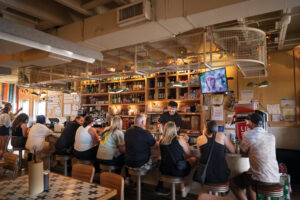
Some of Nashville’s broader transformation is already visible. Oracle recently signed a 116,000-square-foot lease at Neuhoff. In Wedgewood-Houston, Soho House and Live Nation’s new venue, The Truth, reflect the district’s shift toward hospitality and entertainment.
Zadick sees those projects as part of one interconnected regional story. No single development makes a region competitive on its own, she says. Companies and workers weigh whether they can get here easily, find appealing places to live and work, recruit talent and become part of a culturally vibrant community.
“Together, these investments help Nashville answer yes to each of those questions,” she says.
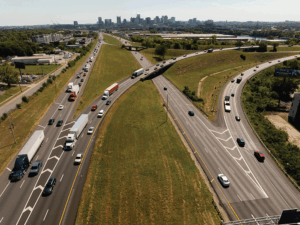
The harder task is ensuring growth remains intentional. Transportation, infrastructure, housing, education and workforce development must keep pace, while Nashville works to protect the culture, creativity and sense of community that fueled its rise. Achieving this requires focus.
“Ultimately, growth should improve quality of life, not come at its expense,” Zadick says. “Thirty years ago, Nashville made a long-term investment whose full impact could not yet be known. The stadium, terminals, districts and public spaces taking shape today represent another generation making that same kind of bet – building not only for the Nashville that exists now, but for the city that will inherit it.”
Get to Know Nashville, TN
Want to learn more about living and working in Nashville? Check out the latest edition of Livability Nashville Region, TN.
Related Content